You Can Build Your Own Car and Register It Using a Homemade Title
Yes, you can build your own vehicle and register it for use on public roads, though the process varies significantly by state. To register a car with a homemade title, you must typically pass a safety inspection and provide documentation for the parts used, such as bills of sale for the engine, chassis, and transmission.
How to Approach Homemade Vehicle Registration
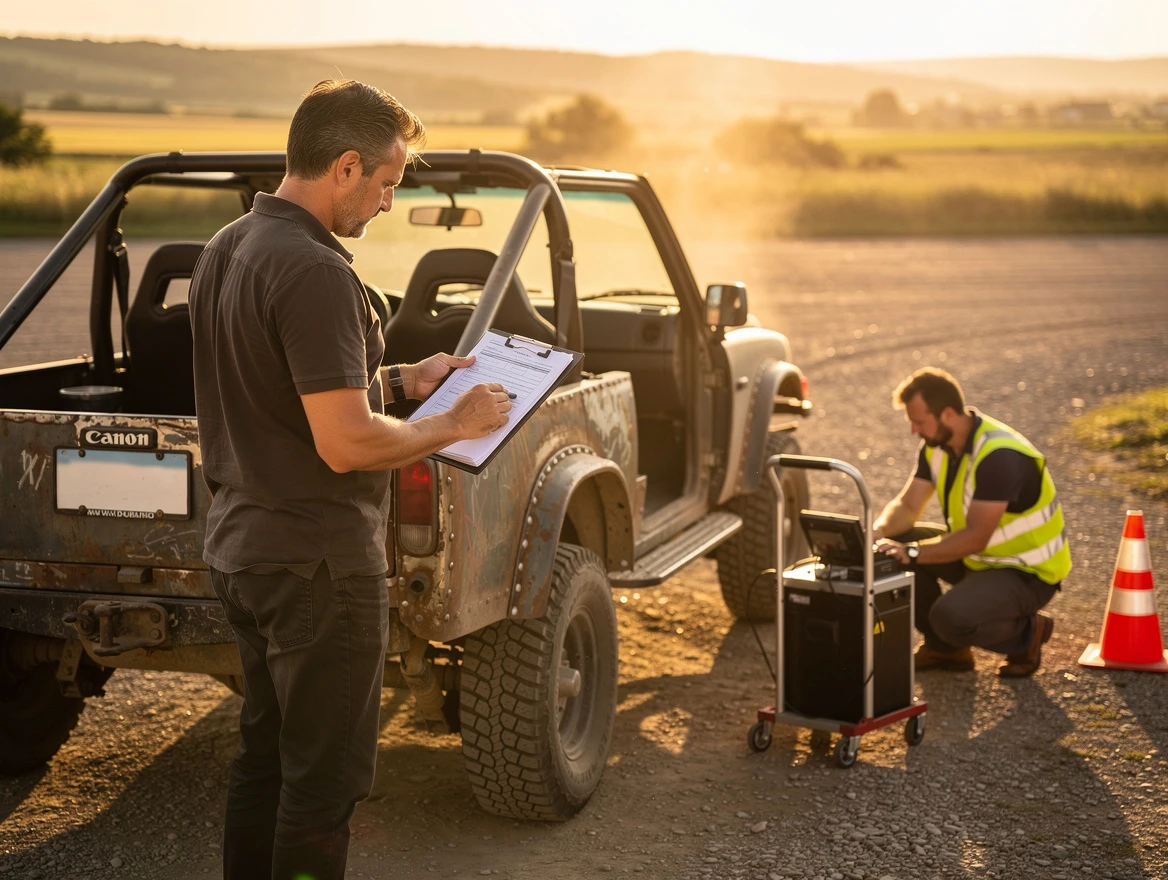
Registering a custom or homemade vehicle is not a uniform process across the country. Each state maintains its own department of motor vehicles, and each has unique requirements for how a car is classified. When you build a car from scratch, you lack a traditional manufacturer’s certificate of origin, which is why your local office requires a thorough inspection to verify the vehicle meets safety and environmental standards.
Ready to register your vehicle?
Join thousands of vehicle owners who use Dirt Legal to handle their registration quickly and hassle-free.
Register Your Vehicle Today → →The Role of Component Documentation
To establish ownership, you must keep meticulous records of every major component you purchase. A simple handwritten note is rarely sufficient for the DMV. You need a formal bill of sale for every significant part, especially the engine and frame. These documents prove that the parts were not stolen and establish the lineage of the build. If you lack these, you may encounter significant delays in getting your registration documents processed.
When documents need correction, 54.7% of issues are resolved by our team without needing further customer input (internal data, rolling last 90 days, n=86).Safety Inspections and Compliance
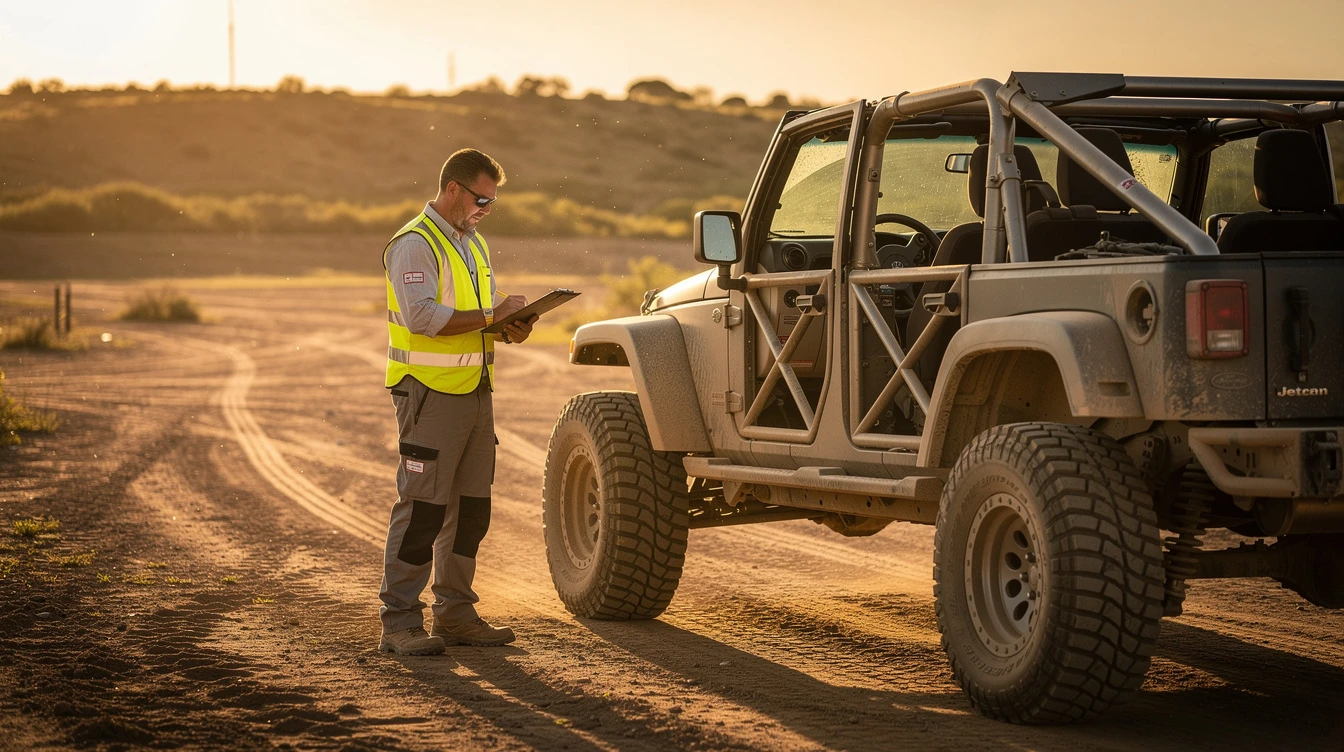
Before any state will issue a title for a homemade vehicle, it must pass a safety inspection. This ensures that lights, brakes, steering, and structural integrity meet basic roadworthiness standards. Some states are more lenient than others regarding these modifications, which is why many owners look into alternative registration methods. For more information, check out our guide on VIN Inspections: What They Are, When You Need One, and How to Pass.
Managing Registration Through a Montana LLC
Many builders find that their home state makes the process of titling a custom build overly complex or restrictive. Registering your vehicle through a Montana LLC is a common strategy to simplify the paperwork burden. By forming an LLC, you can title the vehicle in the name of your company, which often helps with asset protection and clarifies the ownership chain for custom builds.
No Sales Tax Benefits
One of the most frequently asked questions is, Does Montana Have Sales Tax on Vehicles? The answer is no, which provides a significant financial advantage when sourcing expensive components for your build. By keeping your registration costs low, you can allocate more of your budget toward the performance and aesthetic quality of your car.
Simplified Paperwork Support
Dirt Legal has helped 80,000+ vehicle orders to date. We provide registration assistance that helps you through the requirements for your unique build. While you are responsible for the physical construction of your car, we assist with the paperwork necessary to get your assets properly titled. Learn more about how the process works at How It Works.
| Requirement | Homemade Vehicle | Standard Vehicle |
|---|---|---|
| Proof of Ownership | Bills of Sale/Receipts | Title/MSO |
| Safety Inspection | Mandatory | Rarely |
| VIN Assignment | State Issued | Manufacturer Issued |
| Sales Tax | Generally Exempt | State Dependent |
Documentation Required for Homemade Titles
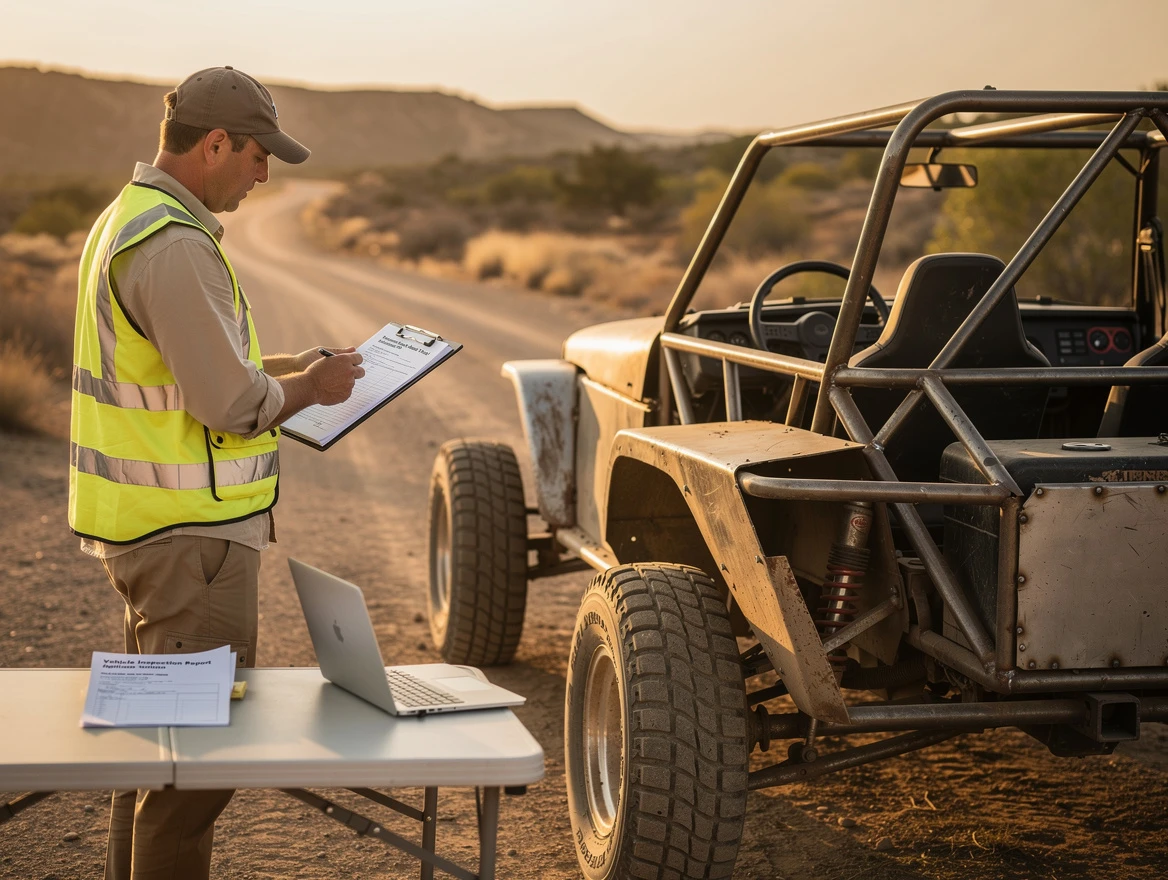
Every state requires proof that you actually own the parts used in your build. This means gathering original receipts for every nut, bolt, and major component. If you are building a kit car, the kit manufacturer typically provides a Statement of Origin, which makes the titling process much faster than building from scrap metal and salvage parts.
Why Bills of Sale Matter
The What Is the Best Proof of Vehicle Ownership? question is critical for custom builders. Your bill of sale acts as your primary evidence of legal acquisition. Without it, you cannot prove the origin of your components, which may result in your application being rejected by the state revenue office.
Handling Salvage Components
If your project involves using parts from a totaled vehicle, you must make sure those parts are not flagged as stolen. Always run a search on the donor VIN to make sure it is clear. You can use our VIN check service to look into the history of any donor chassis before you begin your build.
Frequently Asked Questions
Can I drive a homemade car on the highway?
Yes, once your vehicle has been titled and registered by your state as a roadworthy vehicle, it can be driven on public highways like any other car. You must make sure all safety equipment, such as headlights, turn signals, and mirrors, are functional and meet your state’s requirements.
Do I need a special license for a homemade car?
In most cases, you do not need a special license as long as the vehicle is classified as a passenger car. If your design results in a vehicle that resembles a motorcycle or a heavy-duty commercial truck, you should verify if your current driver’s license covers that class of vehicle.
What if I cannot find a bill of sale for my parts?
If you lack a bill of sale for major components, you may need to apply for a bonded title. This is a process where you purchase a surety bond to protect the state against future ownership claims. It is a more complex route, and we recommend looking into your state’s specific bonded title requirements.
Are there emissions tests for homemade cars?
Emissions testing is highly dependent on your state and the year of the engine you installed. Some states allow homemade cars to be registered as historical or custom vehicles, which may provide an exemption from modern emissions standards. Always check with your local jurisdiction first.
How long does the homemade registration process take?
The timeline varies based on the state’s inspection schedule and how quickly you provide the necessary documentation. It can take anywhere from a few weeks to several months. Using professional registration assistance can help minimize delays by ensuring your filing is complete the first time.
Building your own car is an ambitious project that offers a deep sense of accomplishment. Once you finish the mechanical work, the registration process is the final hurdle to getting your creation on the road. Whether you choose to register locally or through a Montana LLC, having clear, documented proof of ownership is the key to success.