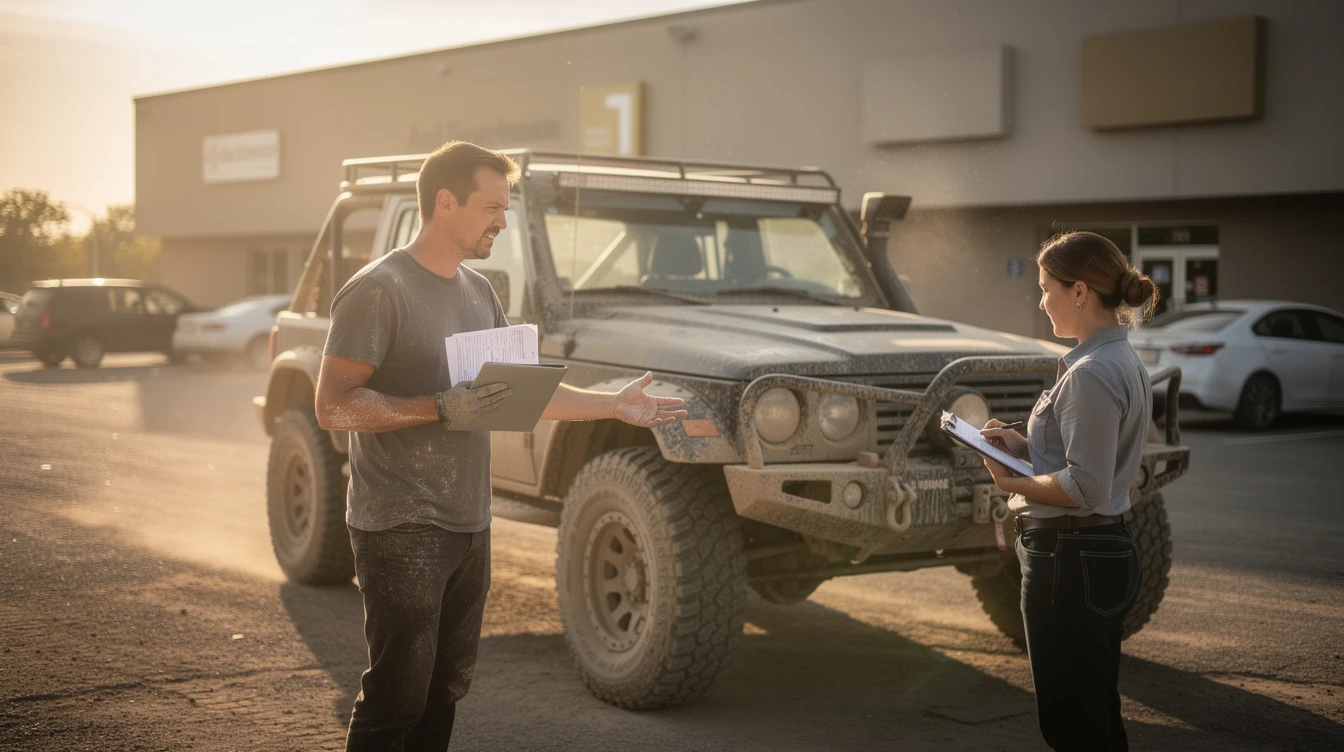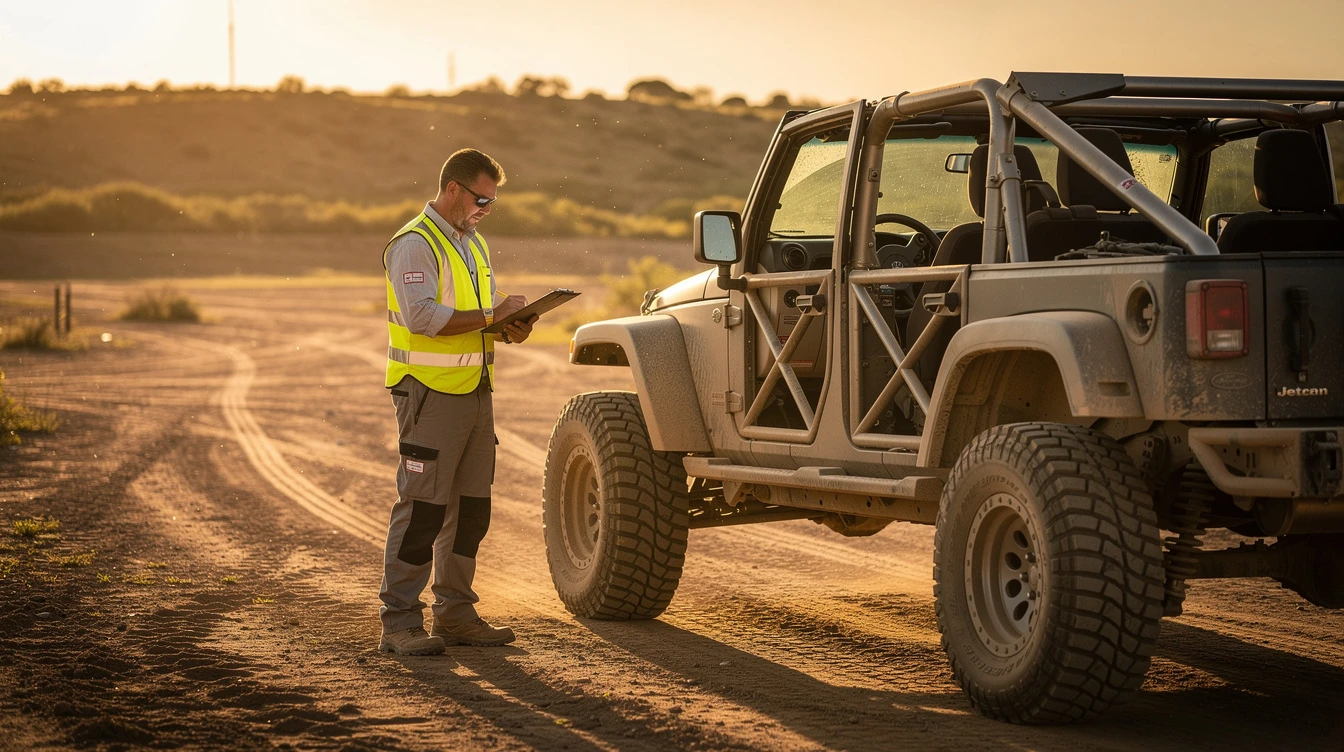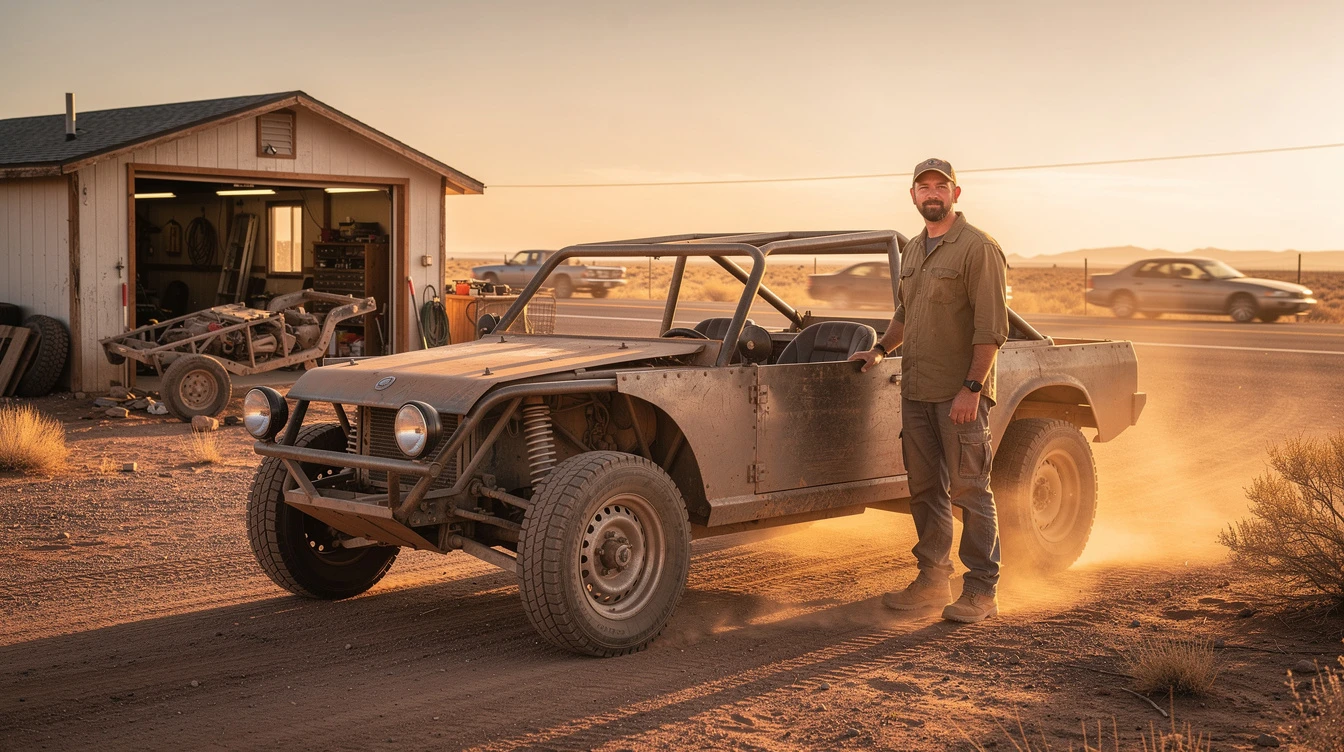

Specially constructed or modified vehicle registration is the process of getting a title and plates for a vehicle that has been substantially altered from its original factory condition or built from scratch. Because these vehicles often lack standard manufacturer documentation, they require specific inspections, proof of ownership for all major components, and a verified VIN to make sure they meet minimum safety requirements for public roads.
You must prepare thorough documentation to prove your ownership of the frame, engine, and other major parts used in the build. Following the proper sequence of inspections and filings is essential to avoid delays in receiving your registration.
Specially Constructed or Modified Vehicle Registration Requirements
The primary hurdle for modified or scratch-built vehicles is verifying the origin of the parts. Most states require a bill of sale for every significant component used in the assembly. If you are building a custom car, you must maintain a detailed ledger of all parts, including receipts, for the frame, body, and engine.
Once you gather your paperwork, the local motor vehicle authority will typically require an inspection to verify that the vehicle meets basic roadworthiness standards. Since incomplete documentation is a common issue, making sure your bills of sale are clear and organized can prevent the frequent rejections seen in standard DMV filings (internal data, rolling last 90 days, n=76). After the inspector confirms the VIN and safety features, you can proceed with the application for a new title.
Identifying Your Vehicle Classification
States classify these builds differently, often referring to them as custom, kit, or specially constructed vehicles. Check your state’s specific definitions, as some differentiate between a professional kit build and a custom frame fabrication. Getting this classification right early saves significant headache during the titling phase.
The Importance of VIN Assignments
If your project lacks a valid manufacturer VIN, the state will assign a new one. This assigned VIN is critical for tracking the asset and is usually stamped onto the chassis by a state inspector. Without this, your vehicle cannot be insured or registered for street use.
Managing Paperwork for Custom Builds

Keeping a complete file is your best defense against processing delays. Start by organizing your receipts chronologically and grouping them by vehicle system, such as drivetrain, chassis, and body. Use a binder to keep originals and high-quality scans of every document, including the Manufacturer’s Statement of Origin (MSO) if you used a kit chassis.
Ready to register your vehicle?
Join thousands of vehicle owners who use Dirt Legal to handle their registration quickly and hassle-free.
Register Your Vehicle Today → →If you need assistance with the registration aspect of your custom build, our team can help you work through the process. Register Your Vehicle with the help of our specialists to make sure all filings are handled correctly. Our internal QC team manages to resolve the majority of documentation issues before they ever reach the state level (internal data, rolling last 90 days, n=86).
Tracking Component Ownership
If you purchased parts from private sellers, you need notarized bills of sale or clear chains of custody. This proves you didn’t build the vehicle using stolen parts, which is a major concern for inspectors.
Handling Salvage Title Conversions
If you are modifying a salvaged vehicle, you must complete the repair and pass an inspection to change the title status. Learn more about the potential issues with documentation by reading about What Makes a Vehicle Title Invalid.
See How We Can Help With Your Registration →
Registration Pathways and Considerations
| Registration Type | Primary Requirement | Difficulty Level |
|---|---|---|
| Kit Car (New) | MSO or Manufacturer Invoice | Moderate |
| Custom Build (Fabricated) | Component Bills of Sale | High |
| Salvage Rebuild | Inspection + Parts Receipts | Moderate |
| Modified Factory Chassis | Existing Title + Modification Approval | Low |
Understanding State-Specific Registration Variations

Not all states approach custom builds the same way. Some states have dedicated procedures for street rods, while others force custom vehicles to follow the same rules as factory-built cars. If you are struggling with a difficult jurisdiction, consider the Montana LLC method for managing your assets.
Research the specific legislation in your target state before you turn a single bolt. Engaging with your local registration office early can clarify what specific equipment, such as wipers or signals, is mandatory for your build type.
Equipment Standards for Custom Vehicles
Most states require modern safety features like seat belts, turn signals, mirrors, and functional braking systems. Even if your build is a vintage-style car, it must meet the equipment standards of the year the registration is issued or the model year it represents.
Working with Montana Services
For many enthusiasts, managing Montana plates provides a reliable path for registration. You can find more details on how the process works by visiting our How It Works page.
Frequently Asked Questions
What counts as a specially constructed vehicle?
A specially constructed vehicle is a vehicle not originally constructed under a distinctive make or model by a recognized manufacturer. This includes scratch-built cars, custom motorcycles, and kit cars that lack a standardized MSO.
Can I register a car built from multiple parts?
Yes, but you must prove legal ownership of the major components. You will typically need bills of sale for the frame, engine, and body to demonstrate that no stolen parts were used in the construction.
Does my custom vehicle need a VIN inspection?
Almost always. Because custom builds lack a factory-stamped VIN, a state inspector must examine the vehicle and, if necessary, assign a new, unique VIN to the chassis for identification purposes.
Are emissions tests required for modified vehicles?
This depends on your state of registration and the age of the engine. Many custom vehicles are exempt due to their age or classification, but you should verify this requirement with your local registration agency before finishing your build.
How long does the registration process take?
The timeline varies based on your state and the complexity of your documentation. Using an agency for support can often speed up the process by identifying errors early, but the state’s inspection schedule usually dictates the timeline.
Start Your Registration Today, No Hidden Fees
Navigating the requirements for specially constructed or modified vehicle registration requires patience and careful record-keeping. By documenting your build components and working with knowledgeable registration specialists, you can make sure your project reaches the road without unnecessary delays. Start the process today to get your custom build on the road.