To register a car after finishing its construction, you must provide the state DMV with valid proof of ownership, such as a Manufacturer’s Statement of Origin or a bill of sale, and pass a physical vehicle inspection. The process requires establishing a unique VIN, confirming safety compliance, and paying the necessary registration fees for a specially constructed vehicle.
Custom Construction Requires Verified Proof of Ownership
Before you approach the DMV, you must organize your documentation to prove how you acquired every major component of your build. For vehicles built from kits or scratch, this often starts with the Manufacturer’s Statement of Origin (MSO) for the chassis or body kit. If you used salvaged parts, keep a detailed bill of sale for each major component to satisfy state requirements regarding property proof.
Why Paperwork Consistency Matters
Discrepancies in your paperwork are the most common reason for registration delays. According to our internal records, the most frequent reason documents come back for correction is an incomplete or inaccurate Bill of Sale (internal data, rolling last 90 days, n=76). When documenting your build, make sure every bill of sale includes the seller’s contact information, the date of sale, and a clear description of the parts involved.
Organizing Your Build Documentation
Keep a complete folder that includes your MSO, purchase invoices, and any receipts for safety-related hardware. If your state requires a professional safety inspection, having these records organized makes the process significantly easier for the inspector to verify the build’s history. When documents need correction, 54.7% are resolved by our QC team without sending the order back to the customer (internal data, rolling last 90 days, n=86).
VIN Assignment and Safety Inspections
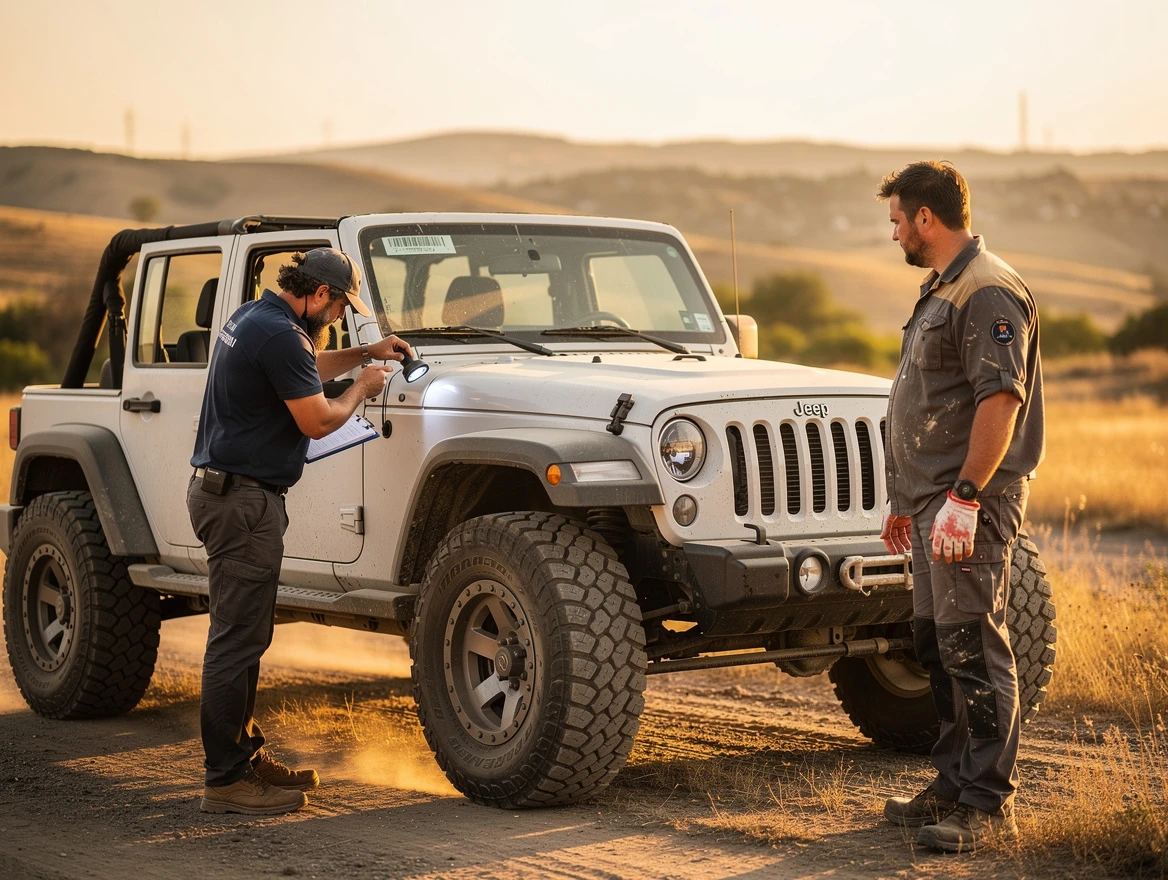
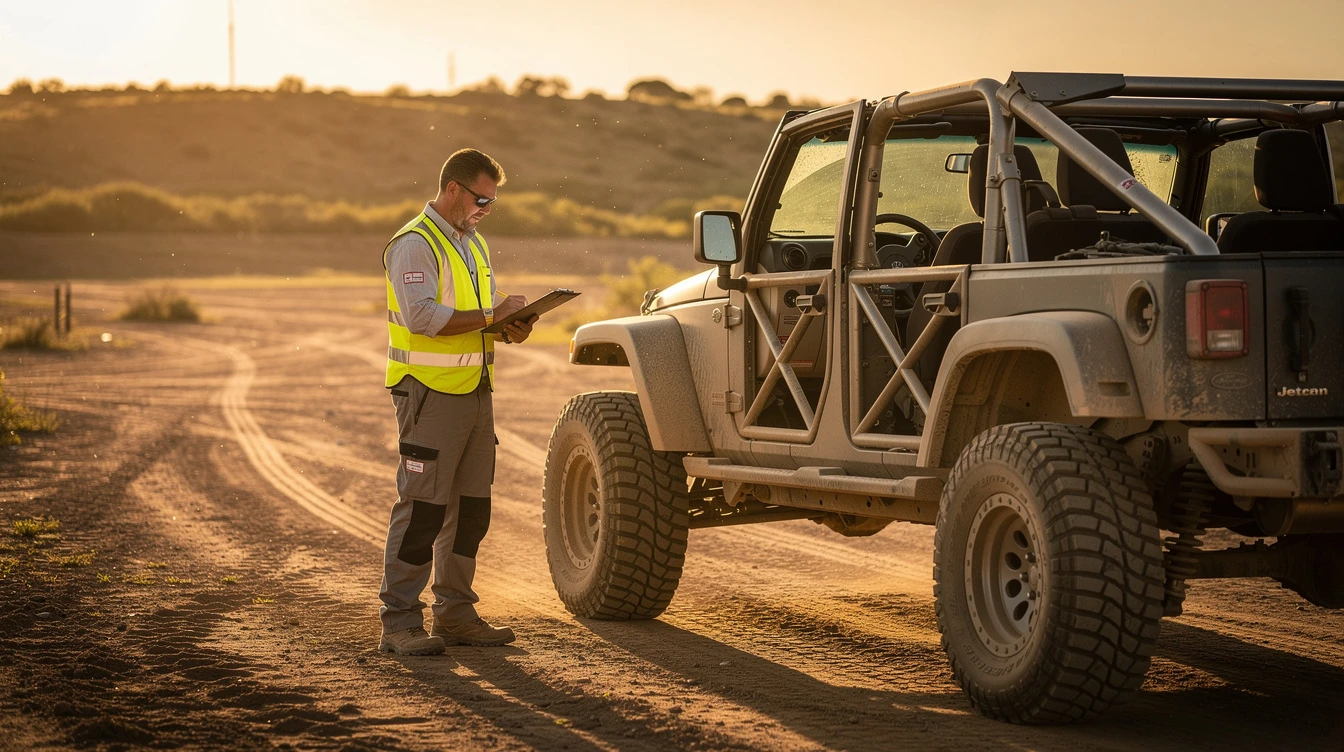
Most states do not allow you to register a car after finishing its construction without a valid Vehicle Identification Number. If your chassis did not come with one, you will need to request a specially constructed vehicle VIN assignment from your local motor vehicle office. This process often involves a physical inspection by law enforcement or a certified state official to verify the vehicle meets basic roadworthiness standards.
Ready to register your vehicle?
Join thousands of vehicle owners who use Dirt Legal to handle their registration quickly and hassle-free.
Register Your Vehicle Today → →Preparing for the Inspection
Your inspection will focus on equipment essential for public road use, including headlights, turn signals, brake lights, mirrors, and a horn. make sure these are functional and meet the specific safety mandates of your jurisdiction. Check out VIN Inspections: What They Are, When You Need One, and How to Pass to better prepare for your specific state requirements.
Navigating State-Specific Rules
Every state handles custom builds differently. Some categorize them as ‘specially constructed’ or ‘kit cars,’ while others have specific classifications for street-rod or custom vehicles. Researching these categories early can save you significant time. For those looking for a simplified process, many owners consider utilizing a Montana LLC Vehicle Registration to manage their out-of-state assets.
| Document Type | Purpose | Requirement |
|---|---|---|
| MSO / Bill of Sale | Proof of Ownership | Mandatory |
| VIN Assignment | Vehicle Identification | Required for Custom Builds |
| Safety Certification | Roadworthiness Verification | State Dependent |
| Insurance Policy | Liability Coverage | Mandatory for Plates |
Establishing Legal Road Use

Once you have a title and registration, you must still maintain valid insurance to keep your vehicle compliant. Registering a vehicle is not just about the paperwork, it is about maintaining a relationship with the state through ongoing renewals. We have helped 80,000+ vehicle orders to date and understand exactly what is needed to maintain compliance over the life of your build.
Ongoing Compliance and Maintenance
Your responsibilities do not end once you receive your plates. Keep your registration current and make sure that any modifications you make after the initial inspection remain within legal guidelines. If you find yourself needing help with subsequent renewals or title issues, remember that there is always assistance available for Register Your Vehicle needs.
Frequently Asked Questions
What if I built the car from scratch and have no MSO?
If you have no MSO, you may need to apply for a bonded title or a specialty VIN assignment through your local DMV. This usually requires a physical inspection to prove the vehicle was built safely.
Can I register my custom car in another state?
Yes, many people choose to register their custom vehicles through a Montana LLC to benefit from the state’s registration process. This is a common path for those looking for a clear, established system for high-value or custom builds.
How long does the registration process take?
Timelines vary by state and the complexity of your paperwork. While some states approve applications quickly, others require more thorough inspections that can extend the process by several weeks.
Do I need specific safety equipment?
Yes, most states require functional lights, mirrors, seatbelts, and wipers. Your inspection will confirm that your build meets these minimum requirements for public road use.
Is insurance required before I get my registration?
In almost all cases, you must show proof of insurance to obtain your initial registration and plates. Make sure to get a policy that covers the specific value and nature of your custom-built vehicle.
Registering your project car is the final step to enjoying your hard work on the open road. By focusing on detailed documentation and understanding your local requirements, you can work through the process with confidence. When you are ready to get started, our team is here to assist with your registration needs.