
Does Registering as RV Reduce Parking Opportunities for Your Vehicle?
Registering your vehicle as an RV does not inherently restrict where you can park, but it often subjects you to local municipal ordinances and private homeowner association rules that specifically target recreational vehicles. While your registration status identifies the vehicle’s legal class, most parking limitations are based on physical dimensions, weight, and local zoning laws rather than your registration paperwork itself.
Many owners wonder if the official classification changes how they use their vehicle in urban environments. In reality, the enforcement of parking laws usually relies on the vehicle’s length, height, and visual appearance rather than the paperwork in your glove box. If your vehicle meets the physical criteria for a commercial or residential space, your registration type as an RV may actually help clarify your vehicle type to authorities in certain scenarios.
Start Your Registration Today, No Hidden FeesPhysical Dimensions Often Trump Registration Status

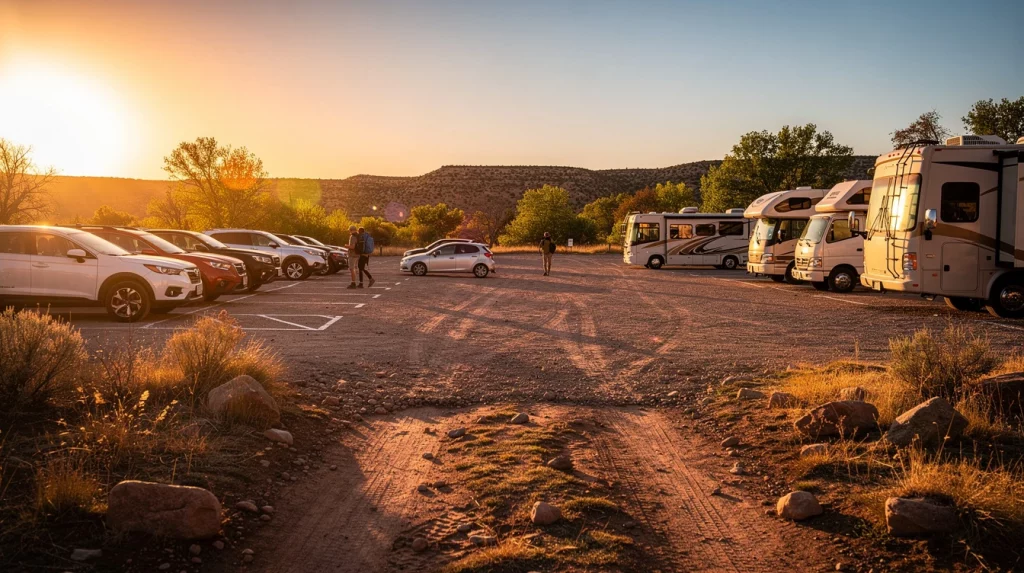
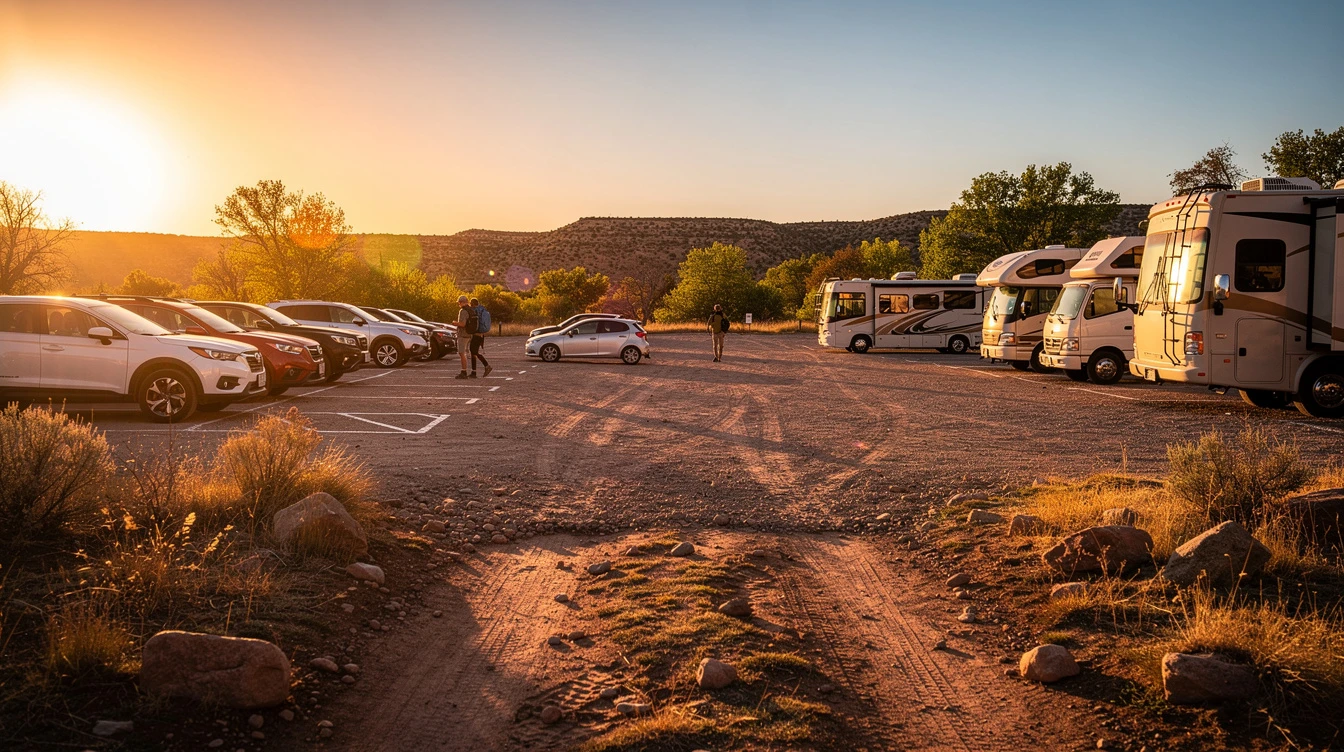
The primary factor affecting your parking availability is the physical size of your asset. Municipalities generally regulate on-street parking based on vehicle length and weight. If you drive a large motorhome or a van conversion that has been re-registered as an RV, you will likely encounter the same restrictions as any other vehicle of that size. These include height barriers in parking garages, length limitations on specific streets, and weight restrictions in residential neighborhoods.
Ready to register your vehicle?
Join thousands of vehicle owners who use Dirt Legal to handle their registration quickly.
Register Your Vehicle Today → →In many regions, police and parking enforcement officers use visual inspection rather than database lookups for standard patrols. If your vehicle looks like a massive RV, it will be treated like one regardless of whether it is registered as a passenger vehicle or an RV. When you are looking for parking, the reality is that oversized vehicles face challenges in dense urban areas, and your registration paperwork cannot bypass these local physical ordinances.
HOA Restrictions and Zoning Regulations
Homeowner associations and local zoning codes often have specific language targeting recreational vehicles. Even if your registration is current, these private entities may prohibit parking an RV on a driveway or street for more than a few hours. These rules are usually written into CC&Rs and are based on visual identification, not the registration documents. Before choosing to register a vehicle as an RV, check your local bylaws to make sure you are not creating a conflict with your neighborhood association.
Public Infrastructure and Height Clearances
Parking structures often have low clearance bars. If your RV is tall, you are physically unable to fit into these spaces. The limitation here is technical, not administrative. You must always confirm the maximum clearance of any garage or bridge before attempting to work through those areas, as this will prevent damage to your roof equipment. Your registration classification provides no benefit or penalty regarding these physical barriers.
Why Registration Class Matters for Compliance
While registration does not typically change your parking access, it is critical for legal compliance. Ensuring your vehicle is correctly titled and registered keeps you on the right side of state requirements. When documents need correction, 54.8% are resolved by our QC team without sending the order back to the customer (internal data, rolling last 90 days, n=84). This level of expertise helps you maintain accurate records which can prevent unnecessary interactions with law enforcement while parked.
| Feature | Passenger Registration | RV Registration |
|---|---|---|
| Insurance Requirements | Standard Auto | Specific RV Coverage |
| Parking Regulations | Width/Weight Based | Height/Length Based |
| Legal Classification | Passenger Vehicle | Recreational Vehicle |
| Toll Costs | Standard | Often Higher |
For those looking to simplify their paperwork, you might consider the benefits of a Montana LLC. Our guide on The Complete Guide to Forming a Montana LLC for Vehicle Registration provides the necessary steps to manage your assets efficiently. Proper registration ensures that if you are questioned about your vehicle’s status in a parking zone, you have valid, up-to-date documentation that matches the vehicle’s actual purpose.
Managing Expectations for Urban Travel

Urban parking requires careful planning for any large vehicle. If your RV is built on a sprinter van or a smaller chassis, your chances of finding a standard parking spot increase significantly. Larger Class A motorhomes will naturally face more restrictions. The act of Registering Your Motorhome in Montana allows you to handle the documentation remotely, which simplifies the process of keeping your paperwork current regardless of where you travel.
The Role of Signage and Enforcement
Always watch for signs that explicitly mention RVs. Many city streets prohibit heavy vehicles or RVs during specific hours. These are strictly enforced regardless of your registration status. If you attempt to park in a zone with restricted vehicle types, your vehicle will be cited based on what it is, not what the title says. Being aware of these signs is the most effective way to avoid parking tickets.
The Importance of Proper Documentation
Always keep your registration and title copies accessible in your vehicle. If a parking enforcement official does verify your status, having the correct paperwork will confirm that your vehicle is compliant. Dirt Legal has helped 80,000+ vehicle orders to date (internal data, lifetime through current month, n=5,509). Proper documentation is the best way to handle any inquiries regarding your vehicle’s classification.
Frequently Asked Questions About RV Registration
Does a Montana RV registration allow me to park anywhere?
No, a Montana registration does not override local city, county, or HOA ordinances regarding parking. You must follow the local laws of the area where you are parked, which typically focus on the vehicle’s physical dimensions and weight.
Will registering my van as an RV make it harder to park in cities?
Not necessarily. Parking is generally dictated by the size of the vehicle rather than its classification on paper. If your van fits in a standard space, you should have few issues, but larger van builds will always be restricted by physical clearance and local vehicle type bans.
Do I need to inform my HOA if I register my vehicle as an RV?
You should review your HOA covenants, conditions, and restrictions before making any changes. Some HOAs have rules that prohibit the presence of vehicles classified as RVs, so being registered as such might trigger a violation depending on the specific language of your local agreement.
Are there any advantages to an RV classification for parking?
In some specific jurisdictions, an RV classification might exempt you from certain commercial vehicle restrictions, but this is rare. Most regulations are aimed at the physical footprint of the vehicle. The main advantage of proper RV classification is meeting insurance and Montana registration requirements.
Can I be ticketed if my RV is registered?
Yes, you can receive parking citations even if your vehicle is perfectly registered. Parking tickets are based on violations of local zoning, street usage, and parking time limits, all of which apply regardless of whether your vehicle is correctly registered with the state.