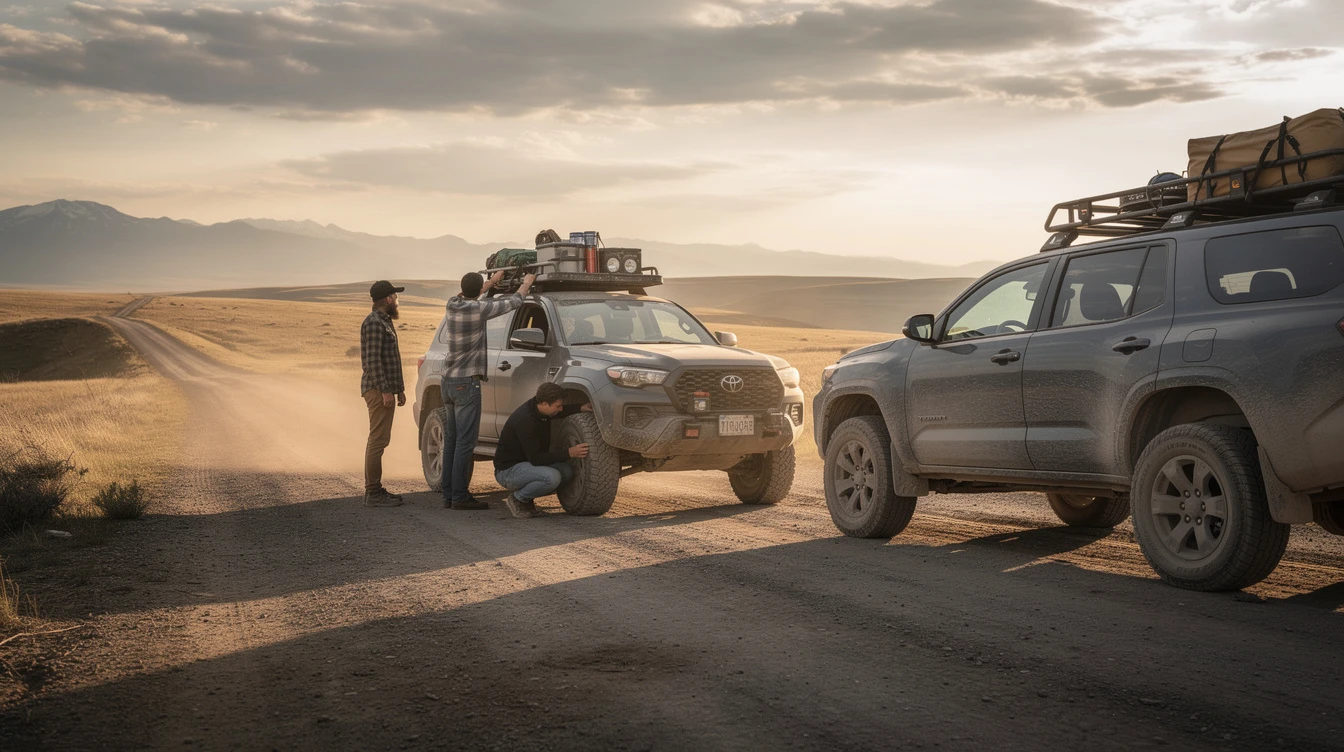
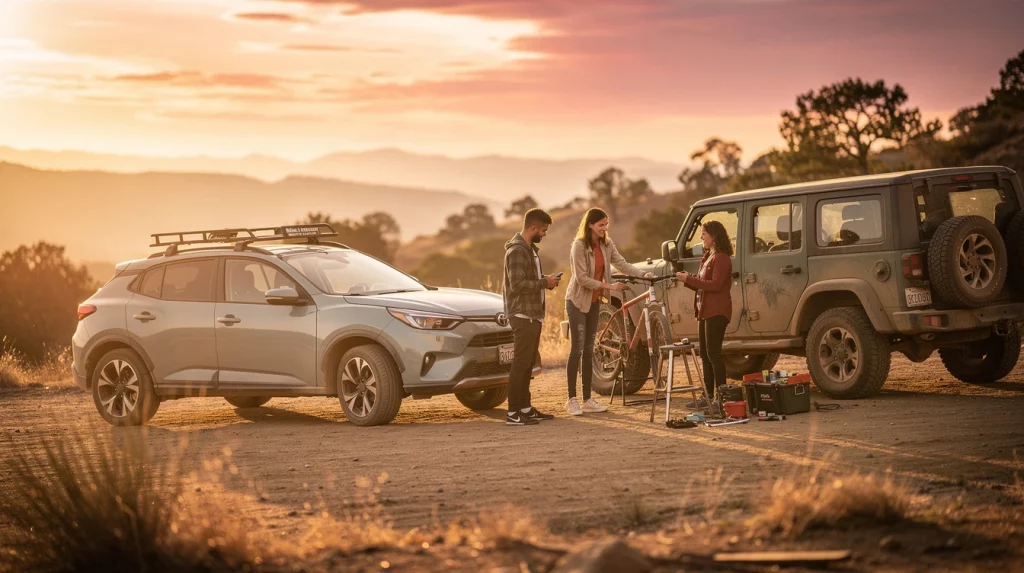
Cars and mental health might seem like an unlikely pairing, but ask anyone who has ever pulled a wrench at midnight and you will hear a different story. Working on vehicles, restoring classics, and tackling garage builds are among the most widely reported hands-on activities people use to manage stress, anxiety, and low mood. This guide covers which types of cars and projects tend to have the biggest positive impact, why they work psychologically, and how to get started without overthinking it.
You will also find practical tips on keeping your project street-legal once it is road-ready, because a finished build you can actually drive is far more satisfying than one stuck in paperwork limbo.
Why Car Projects Help With Mental Health
There is real science behind why people feel better after a few hours in the garage. Working with your hands activates neural pathways associated with focus, reward, and accomplishment in ways that passive entertainment simply does not. Mechanics, restorers, and hobbyists frequently describe their shop time as a form of moving meditation.
The Psychology of Fixing Things
When you repair something broken, your brain releases dopamine. That is the same reward chemical triggered by completing a goal or solving a puzzle. Car projects give you a series of small, achievable wins, which is exactly what mental health professionals often recommend for people dealing with anxiety or depression.
Physical engagement also interrupts rumination. It is difficult to spiral into negative thinking when you are diagnosing a fuel delivery problem or fitting a new exhaust. Your hands and mind occupy the same space, and the outside noise gets quiet.
Routine, Structure, and a Reason to Get Outside
One underrated benefit of car projects is that they create routine. Showing up to the garage on Saturday morning, working a consistent process, and seeing incremental progress over weeks or months builds a sense of structure that supports emotional stability. For people who struggle with motivation, having a project with clear steps can provide the daily anchor they need.
Even something as simple as washing and detailing a car creates a structured task with a satisfying before-and-after result. That matters more than most people give it credit for.
Community and Shared Purpose
Car culture also connects people. Joining a club, attending a local show, or following an online forum for your specific make or model gives you access to a ready-made community of people who share your interest. Social connection is one of the most consistent predictors of mental wellbeing, and car projects are a natural entry point for it.
Ready to register your vehicle?
Join thousands of vehicle owners who use Dirt Legal to handle their registration quickly and hassle-free.
Register Your Vehicle Today → →Best Types of Car Projects for Mental Health Benefits
Not every project carries the same psychological payoff. The best ones tend to be hands-on, visible in their progress, and achievable given your current skill level and budget. Here are the categories that come up most often when enthusiasts talk about garage therapy.
undefinedClassic Car Restoration
Restoring a classic car is arguably the most complete car-and-mental-health project you can take on. You get mechanical problem-solving, aesthetic work, historical research, and a long-term goal that unfolds over months or years. Many restorers say the process itself is more valuable than the finished product.
Muscle cars from the 1960s and 1970s, vintage trucks, and air-cooled Volkswagens are popular starting points because parts remain widely available and the communities around them are welcoming to newcomers. Check out our post on iconic classic cars through history for inspiration on which era might speak to you.
Off-Road and Dirt Bike Builds
Off-road builds, including dirt bikes, UTVs, and 4×4 trucks, add an active riding component to the garage work. That combination of building and then using what you built creates a particularly strong sense of accomplishment. Riding off-road also provides a physical release that many people find just as therapeutic as the wrench time itself.
If you are thinking about converting a dirt bike or UTV for street use, the rules vary quite a bit by state. Our guide on Georgia dirt bike street-legal conversion is a solid starting point, and we have similar guides for California dirt bike laws and Colorado riding rules as well.
Budget Beater Flips
Buying a cheap running vehicle, fixing it up, and either keeping it or selling it for a profit is a surprisingly effective mental health project. The financial feedback loop adds motivation, and the lower stakes mean you can experiment and learn without fear of ruining something precious. Budget flips also teach real diagnostic and mechanical skills faster than almost any other approach.
Detailing and Cosmetic Restoration
Not everyone wants to rebuild an engine, and that is completely fine. Paint correction, interior restoration, and full detailing projects can be just as grounding. The sensory focus required, plus the dramatic visual transformation, delivers a strong sense of control and accomplishment. It is a lower barrier to entry and a good starting point if you are new to car projects.
Specific Cars That Work Best as Therapeutic Projects
Certain vehicles have earned a reputation as ideal project cars because of their availability, community support, and accessible mechanics. These are not the only good choices, but they come up time and again in conversations about builds that actually get finished and driven.
Ford Mustang (1965, 1973)
The early Mustang is probably the most popular restoration platform in the US. Parts are inexpensive and easy to find, the community is enormous, and the cars are simple enough that a patient beginner can tackle most of the work. Seeing a tired pony car come back to life is deeply satisfying.
Chevrolet C10 and K10 Trucks (1960s, 1970s)
Vintage Chevy trucks have surged in popularity as project vehicles because they combine a relatively simple platform with an enormous range of customization options. Restomod builds, where you update a classic truck with modern mechanicals, are particularly satisfying because you get the look of a classic and the reliability of a modern vehicle.
Air-Cooled Volkswagen Beetle and Bus
The VW air-cooled community is famously welcoming. The mechanically simple, rear-engine design means most repairs are accessible to beginners. Beetles and Buses also carry a strong cultural identity, which adds a layer of creative and personal expression to the project.
Honda CB Series Motorcycles
For riders, vintage Honda CB motorcycles from the 1970s are an affordable and well-supported cafe racer or scrambler base. The projects are compact enough to work on in a small space, and the parts supply is still strong. Our guide on how to get a motorcycle title is worth reading before you buy a project bike, since missing paperwork is one of the most common headaches in this space.
Jeep CJ and YJ Wranglers
Jeeps are built to be modified, and that culture translates well to a project-driven approach to car ownership. Lift kits, lockers, bumpers, and lighting are all beginner-friendly modifications with immediate, visible results. The off-road community around Jeeps is also one of the most active and supportive in the hobby.
| Project Type | Skill Level | Avg. Budget to Start | Primary Mental Health Benefit | Community Strength |
|---|---|---|---|---|
| Classic Car Restoration | Beginner to Advanced | $2,000, $10,000+ | Long-term purpose, problem-solving | Very High |
| Off-Road / Dirt Bike Build | Beginner to Intermediate | $500, $5,000 | Active release, accomplishment | High |
| Budget Beater Flip | Beginner | $500, $2,500 | Motivation, skill-building | Moderate |
| Detailing / Cosmetic Restore | Beginner | $100, $1,000 | Control, sensory focus, satisfaction | Moderate |
| Motorcycle Build | Intermediate | $800, $4,000 | Creative expression, focus | High |
| Off-Road UTV Build | Beginner to Intermediate | $2,000, $8,000 | Active use, mechanical satisfaction | High |
Getting Your Project Car Properly Registered
There is nothing worse than finishing a build and then hitting a wall of paperwork when you try to register it. Titling and registration issues are one of the most common reasons project cars sit in driveways instead of on the road. Getting the paperwork sorted early, or using a service that handles it for you, means your finished build actually gets driven.
What many builders underestimate is how much value gets trapped when a project car cannot be properly titled or registered. A completed build with unresolved paperwork can become difficult to sell, insure, finance, or even legally drive. In some cases, owners invest tens of thousands into a restoration only to end up with a vehicle that is worth far less than it should be, simply because the paperwork was never handled correctly
When Your Project Car Has a Complicated Title History
Older project cars frequently come with messy title situations, including missing titles, titles in someone else’s name, or salvage designations. Understanding the difference between title jumping and title floating is genuinely important before you buy. Our posts on buying a car without a title and a detailed overview from our sister brand on what a bonded title is and when you need one cover the most common scenarios.
Knowing what you are dealing with upfront saves a lot of frustration later.
It can also protect you from buying into a paperwork problem that immediately limits the vehicle’s future resale value and usability.
A more in-depth look at vehicle registration laws and car registration requirements is also worth bookmarking early in your project.
Montana LLC Registration for Project Cars
One registration strategy that project car owners, especially collectors and people buying high-value builds, look into is Montana LLC vehicle registration. Montana has no sales tax on vehicle purchases, no emissions testing requirements, and no inspections. For a high-dollar restoration where sales tax alone could run into thousands of dollars, that is a meaningful financial consideration.
Delaying the right registration structure can quietly cost owners far more over time through unnecessary taxes, fees, and compliance headaches. For many enthusiasts, properly structuring ownership is less about paperwork and more about protecting the value they already invested into the build.
You can read more about the approach and the financial case for it in our sister brand post on why Montana LLC vehicle registration matters for collectors and enthusiasts. Our post on the hidden perks of a Montana license plate breaks down the tax-saving angle in plain terms as well.
Avoiding Registration Mistakes on Rebuilt Titles
Rebuilt and salvage-title project cars have their own registration quirks. Skipping steps or misunderstanding what the state requires is one of the fastest ways to add months to your timeline.
It can also leave a finished project stuck in limbo, unable to reach its full market value because buyers and insurers see unresolved paperwork as risk. Proper documentation and registration help transform a rebuilt project from a complicated liability into a usable, transferable asset.
Our overview of the five biggest out-of-state registration mistakes is required reading if your project car crosses state lines. Our sister brand also has a clear breakdown on salvage title vs. clean title considerations that project car buyers should understand.
Frequently Asked Questions
Can working on cars actually improve mental health?
Yes, and there is meaningful research behind it. Hands-on mechanical work requires focused attention that interrupts anxious or depressive thought patterns. The process of diagnosing a problem and fixing it triggers dopamine release, similar to solving a puzzle. Many therapists specifically recommend hobbies with clear, achievable goals and physical engagement. Car projects check both boxes. The added benefit of community, whether in-person clubs or online forums, adds social connection, which is one of the most consistent predictors of good mental health outcomes.
What is the best project car for a beginner with limited space?
A motorcycle or scooter restoration is ideal for beginners with limited garage space. Vintage Honda CB motorcycles, Kawasaki KZ models, and classic Yamaha bikes are all affordable, parts-rich, and compact. If you prefer four wheels, a budget beater flip on a small, simple car like an older Honda Civic or Toyota pickup gives you manageable scale without requiring a full shop setup. Detailing projects require almost no tools and zero mechanical knowledge, making them an accessible starting point for anyone.
Do I need a title to work on a project car?
You do not need a title to physically work on a car, but you will need one to register and legally drive it on public roads. Buying a project car without a title is common, but it creates paperwork challenges down the road. Options include applying for a bonded title, using a court-ordered title process, or working with a service that specializes in title recovery. Getting this sorted before you invest significant money in the build is strongly recommended. Our guide on how to buy a car without a title walks through your options in detail.
How does a Montana LLC help project car owners?
A Montana LLC registration allows vehicle owners to register their car through a Montana-based limited liability company. Because Montana has no state sales tax, buyers of high-value project cars and restorations can avoid significant tax costs at purchase. There are also no emissions inspections or safety inspections required in Montana. This approach is used by collectors, restoration hobbyists, and high-value vehicle owners across the country. It is worth understanding the specific rules and working with a service like Dirt Legal to make sure the process is handled correctly. You can register your vehicle through a Montana LLC and get the details tailored to your situation.
Are off-road builds good mental health projects even if I can’t drive them on the street?
Absolutely. The therapeutic value of a build comes largely from the process, not just the result. Off-road bikes, UTVs, and 4×4 trucks that are used on trails, tracks, or private land provide exactly the same psychological benefits as street-driven builds. The added physical activity of actually riding or driving off-road adds another layer of stress relief. If you eventually want to make your off-road build street-eligible, we have state-specific guides for many states including making a UTV street-legal in Montana and similar resources for dozens of other states.
What if my project car sits in storage for a long time before I finish it?
Long-term storage creates its own set of mechanical and registration challenges. Fuel degrades, rubber seals dry out, and registration paperwork can lapse or become complicated. Planning your storage situation before you start a long project helps avoid these headaches. Our sister brand has a useful post on what happens to a vehicle stored for long periods that covers the key risks and how to address them. On the registration side, a lapsed or expired title on a stored vehicle is fixable, but easier to address before it becomes a problem.
Are there car-related activities beyond building that help with mental health?
Yes, plenty of them. Autocross and track days give you performance driving in a controlled, safe environment. Car shows and swap meets provide strong social connection. Detailing, which requires no mechanical skill, is a popular mindfulness activity for a lot of enthusiasts. Road trips in a car you love can reset perspective and reduce burnout. Even reading and researching your next project, browsing forums, and watching build videos has value as a low-stakes entry point into the hobby for people who are not ready to start wrenching yet.
Car projects that help with mental health are not a niche interest. They are a well-documented, practical way to build focus, find community, and accomplish something real with your hands. Whether you are restoring a classic, building an off-road machine, or just spending Saturday mornings detailing a car you love, the garage offers something that is genuinely hard to find elsewhere. When your project is ready for the road, Dirt Legal handles the DMV paperwork so you can stay focused on the build. That is the whole point.