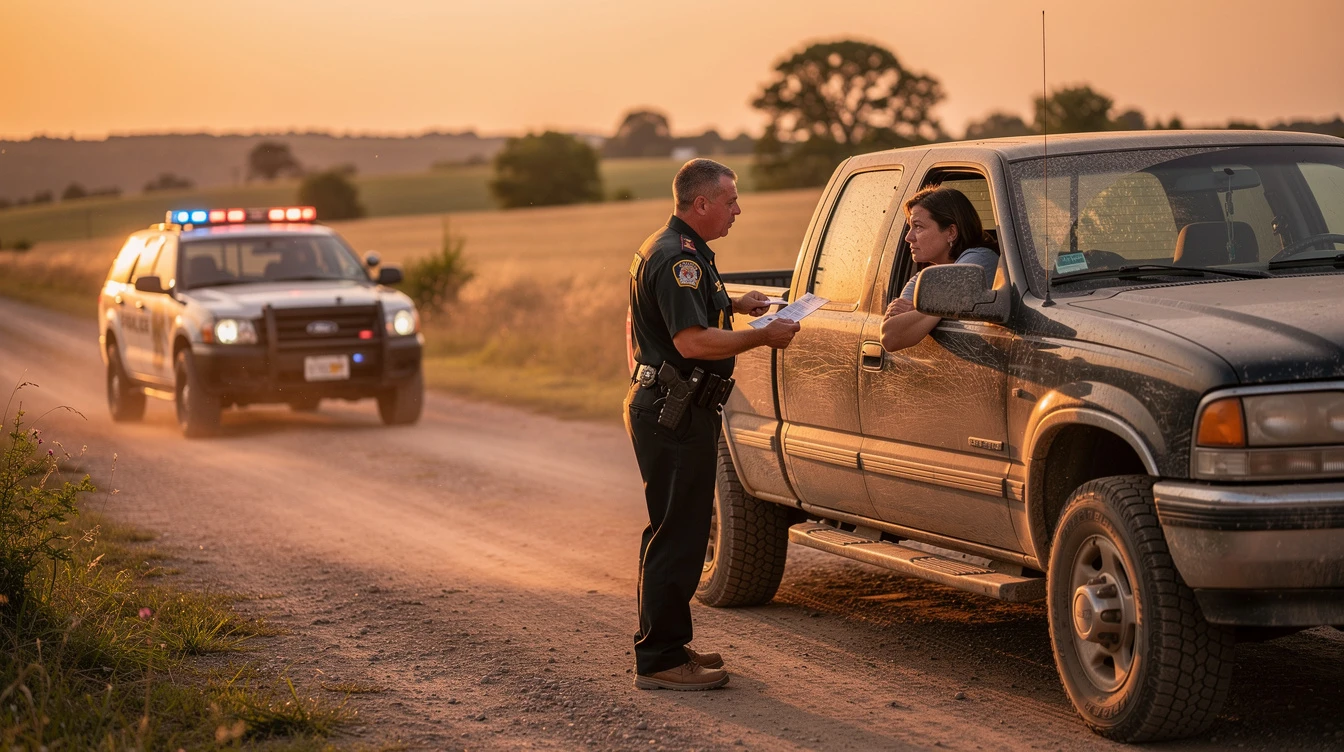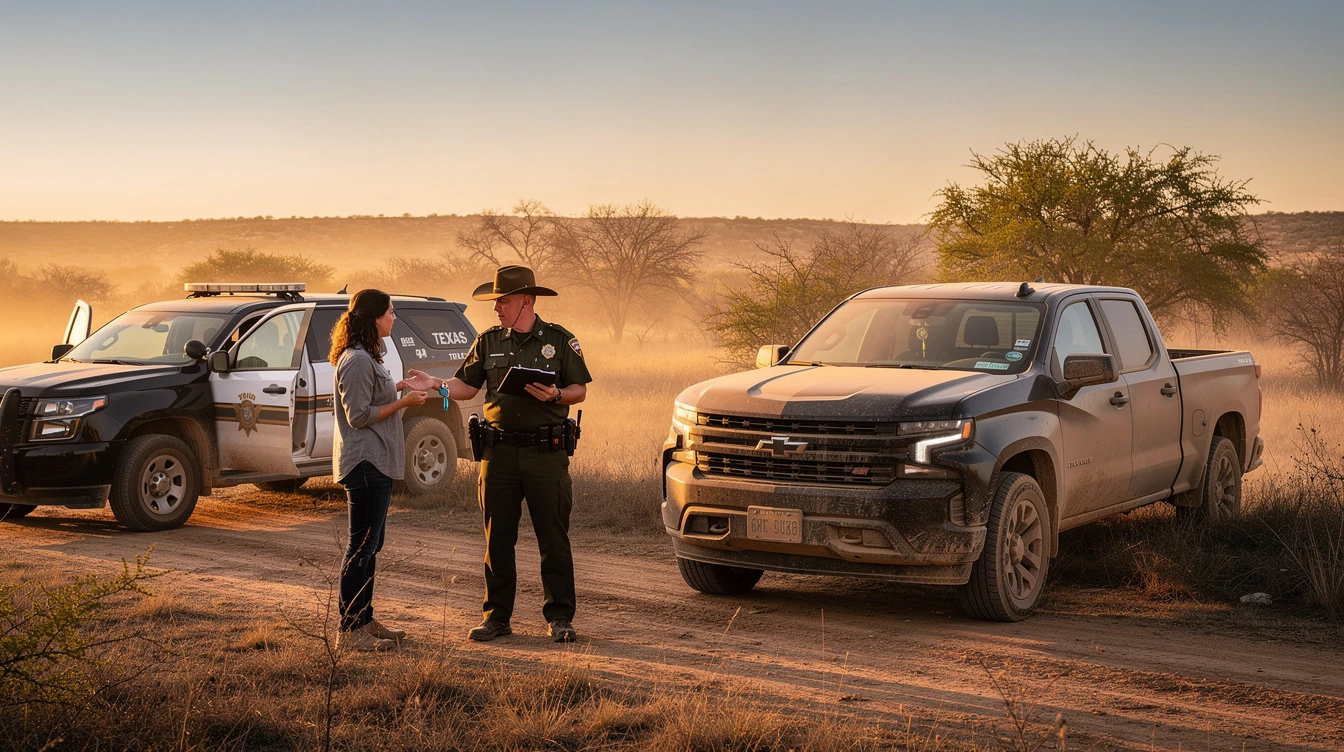

How do you get the title of an abandoned vehicle on your property? It’s one of the most common title questions we hear, and the answer depends on your state, the vehicle’s history, and how long it’s been sitting. This guide walks you through every realistic path to ownership, from formal abandonment claims to bonded titles, so you can stop wondering and start acting.
Sitting on an untitled vehicle is sitting on trapped equity. You can’t sell it, can’t insure it properly, and can’t register it for road use. The paperwork feels like a wall, but there’s almost always a way through it.
Here’s exactly what you need to know.
What Makes a Vehicle “Abandoned” on Your Property?
A vehicle is typically considered abandoned when it’s left on private property without the owner’s permission, or when a known owner stops responding and the vehicle sits unmoved for a defined period. Most states set that threshold somewhere between 30 and 90 days, though the exact number varies.
The key distinction: a vehicle sitting on your land doesn’t automatically become yours. You have to follow a specific process to establish a clean ownership claim. Skipping steps creates title problems down the road, and buyers will walk away from a vehicle with a cloudy title history.
For many people, the hardest part is not finding the vehicle but figuring out how to navigate the title process correctly. What starts as “just paperwork” can quickly turn into weeks of dead ends, conflicting answers, and stalled DMV filings, especially when ownership history is unclear.
Ready to register your vehicle?
Join thousands of vehicle owners who use Dirt Legal to handle their registration quickly and hassle-free.
Register Your Vehicle Today → →Public Property vs. Private Property Rules
Vehicles abandoned on public roads are handled differently than those left on private land. Local law enforcement and municipal towing companies typically manage public abandonment cases. Private property cases, like a car left in your driveway or on your acreage, fall on you to initiate.
If you’re dealing with a private property situation, you’re responsible for notifying the registered owner (if one can be found) and following your state’s statutory process before any title claim is valid.
How Long Before a Vehicle Is Considered Abandoned?
Most states define “abandoned” at 30 to 72 hours on public roads and 30 to 90 days on private property. A few states have no specific timeline and rely on a general “intent to abandon” standard. Check your state’s DMV website for the exact threshold, because filing too early can void your claim entirely.
Step-by-Step: How to Claim an Abandoned Vehicle Title
The process isn’t the same in every state, but the general framework holds across most jurisdictions. Work through these steps in order, and document everything.
undefinedStep 1: Run a VIN Search and Identify the Registered Owner
Before anything else, run the vehicle’s VIN. This tells you who holds the title, whether there are active liens, and if the vehicle was ever reported stolen. You can use the NHTSA VIN decoder as a starting point. A more thorough vehicle history report will show title brands, odometer records, and past ownership.
You need to know who you’re dealing with before you can send the required notices. A clean history also affects the path you’ll take, specifically whether a standard title transfer, bonded title, or court order is appropriate. For a deeper look at what a VIN report actually contains, see our guide on How to Spot a Fake Vehicle VIN Check: Protect Your Investment.
Step 2: Send Certified Notice to the Last Registered Owner
Most states require you to send a certified letter to the last known registered owner and any lienholders of record. The letter must state your intent to claim the vehicle and give the owner a defined period to respond, typically 10 to 30 days. Keep the certified mail receipts. If the letter is returned undeliverable, that documentation becomes part of your file.
Step 3: File an Abandoned Vehicle Report with Your Local Authority
In most states, private property owners must notify local law enforcement or the county about the abandoned vehicle. This creates an official record and often triggers a search of state databases for stolen vehicle flags. Some counties handle this through the sheriff’s office; others route it through a specific DMV form.
Step 4: Apply for a Title Through Your State DMV
Once the waiting period has passed and proper notice was given, you file for title through your state’s motor vehicle division. The required documents typically include your completed abandonment report, proof of notice sent, any response (or non-response) from the owner, and a vehicle inspection or VIN verification. Some states charge a filing fee and require a brief waiting period before the title is issued in your name.
If you’re dealing with complex paperwork or an out-of-state title situation, a vehicle registration service like Dirt Legal can handle the filing work so you don’t have to manage it alone. For a full breakdown of how the process works, see Navigating Vehicle Registration Laws and Car Registration Requirements.
When a Standard Process Won’t Work: Bonded Titles and Alternatives
Sometimes the standard abandonment path hits a dead end. The owner can’t be found, there’s a lien that was never released, or the paperwork trail is just gone. That’s when alternative title options come in.
What Is a Bonded Title?
A bonded title is issued when you can’t obtain a clean title through the normal process. You purchase a surety bond, typically for 1.5 times the vehicle’s appraised value, and the state issues a title branded as “bonded.” After a set period, usually three to five years, the bond expires and the title converts to a clean title if no ownership claims are filed against it.
Bonded titles are available in most states and are a practical path for abandoned vehicles with unknown or unreachable prior owners. For a full breakdown of how bonded titles work and when you’d need one, see this resource on What Is a Bonded Title and When Do You Need One?
Court-Ordered Title
In states that don’t offer bonded titles, or when the vehicle’s situation is particularly complicated, a court-ordered title is an option. You file a petition in your local court, present evidence that you’ve made good-faith efforts to locate the owner, and ask the court to grant title in your name. It’s slower and costs more, but it produces a clean title that most buyers and insurers accept without question.
Title Transfer From a Cooperative Owner
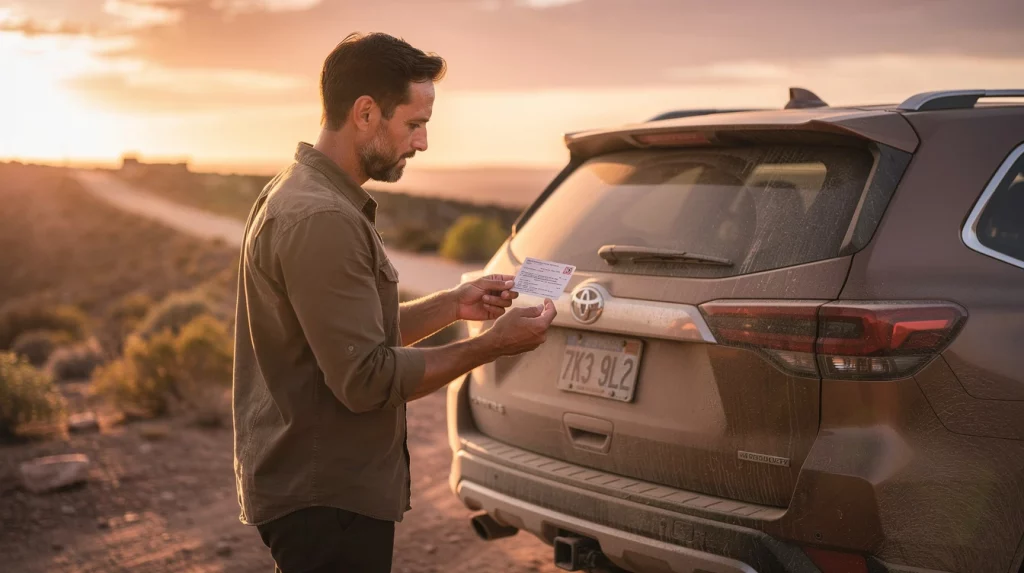
If you actually locate the previous owner and they’re willing to sign over the title, a standard dmv title transfer is your fastest and cleanest option. Get the title signed, notarized if your state requires it, and file promptly. Delays between signing and filing create title jumping problems that can complicate future sales. More on that in our guide on Should You Buy a Car Without a Title?
State-by-State Differences: What You Need to Know
There’s no single federal process for abandoned vehicle titles. Each state runs its own program, sets its own timelines, and requires different forms. A few patterns worth knowing:
| State | Abandonment Period (Private Property) | Title Path Available | Bonded Title Option |
|---|---|---|---|
| Montana | 30 days | DMV abandonment process | Yes |
| South Dakota | 30 days | SD DMV title claim | Yes |
| Missouri | 10 days (public) / varies (private) | Application for Missouri title and license | Yes |
| Texas | 30 days | Abandoned vehicle title process | Yes |
| Florida | 35 days | DMV abandoned vehicle program | Yes |
| California | 72 hours (public) / varies (private) | DMV form REG 838 or bonded title | Yes |
| States Without Bonded Title | Varies | Court-ordered title or Vermont process | No |
Montana and South Dakota are often cited as two of the more straightforward states for vehicle title and registration matters. Montana in particular has a well-established process for out-of-state registrations and title recovery. If you’re open to registering through a Montana LLC, that path has its own advantages worth understanding. See Montana LLC Vehicle Registration: Why It Matters for a solid overview.
For Missouri specifically, the Missouri Bike Laws guide and the state’s standard application for title and license form are the starting points for most abandoned vehicle claims there.
The Real Cost of Leaving That Vehicle Untitled
Honestly, the biggest mistake people make with abandoned vehicles is doing nothing. The vehicle sits, the paperwork gets harder, and the asset loses value every season it stays untitled.
You Can’t Sell What You Don’t Own on Paper
A vehicle without a title in your name is a vehicle you can’t sell at full market value, and in most states, can’t sell at all through any legitimate channel. Buyers either walk away or offer a deeply discounted cash price for a “project” vehicle they’ll have to sort out themselves. You absorb that discount entirely.
Every month that vehicle sits untitled, you’re paying storage cost, weather damage, and depreciation, without any ability to convert it to cash. That’s trapped equity, and it compounds. For a detailed look at what expired registration and title delays actually cost you financially, see The True Cost of Letting Your Registration Expire.
Insurance and Financing Are Also Blocked
Most insurers won’t write a complete policy on a vehicle you don’t hold title to. Lenders won’t finance it. That limits the buyer pool dramatically when you’re ready to sell, because your buyer can’t get financing and can’t insure it to drive it home without significant hassle on their end. Buyers see that as financial risk and price accordingly.
Registration Costs Don’t Go Away While You Wait
Waiting doesn’t pause the clock on vehicle registration costs. In most states, once you establish ownership, you may owe back registration fees or penalties depending on how the vehicle’s history is assessed. Getting the title sorted now, before those fees compound, is the financially smarter move. You can check the Montana Vehicle Title and Registration fee schedule as a reference point for understanding how registration costs are typically structured.
If you’ve bought a vehicle without a title and are trying to recover one, the guide on Have a Motorcycle With No Title? Here’s How to Get One walks through the auto title replacement process in detail.
Frequently Asked Questions
Can I just keep an abandoned vehicle on my property without getting a title?
Technically yes, you can let it sit. But without a title in your name, you can’t register it, can’t sell it through any normal channel, and can’t get full insurance coverage on it. It also doesn’t become your property just because it’s on your land. You need to complete the formal abandonment and title process to actually own it. Skipping that step means the original owner, or a lienholder, could still have a legal claim to the vehicle regardless of how long it’s been on your property.
What if the previous owner can’t be found?
If you can’t locate the registered owner, most states allow you to proceed with the abandonment claim after demonstrating good-faith efforts to find them. That typically means sending certified letters to the last known address on file with the DMV, checking publicly available records, and documenting that your attempts went unanswered. If the owner still can’t be found, a bonded title or court-ordered title becomes your most viable path to clean ownership. Document every step, because that paper trail is what supports your claim.
How long does the process take to get a title for an abandoned vehicle?
Timelines vary by state and by the complexity of the situation. A straightforward abandonment claim in a cooperative state might resolve in 60 to 90 days from the first notice. A bonded title process typically takes 30 to 60 days once the bond is purchased and forms are filed. A court-ordered title can take three to six months depending on local docket schedules. States like South Dakota tend to move faster than states with heavier DMV backlogs. Starting the process as early as possible is always the better financial decision.
Does a bonded title affect the vehicle’s resale value?
A bonded title is branded, which means buyers and dealers can see that the vehicle’s ownership history had a gap. Some buyers are comfortable with this, especially for older vehicles or project builds. Others want a clean title. The brand typically clears after three to five years if no claims are filed against the bond, at which point the vehicle’s title becomes clean. In the meantime, pricing the vehicle honestly and disclosing the bonded status is the standard approach. A bonded title is far better than no title when it comes to resale potential.
Can I register a vehicle in Montana if it has an abandoned vehicle title situation?
Montana’s registration process is one of the more accessible in the country, particularly for vehicles registered through a Montana LLC. However, Montana, like every state, requires a valid title in your name before completing a registration. If you’re working through a title recovery situation, getting the title sorted first is the necessary first step. Once you hold clear title, registering through a Montana LLC can offer advantages including no sales tax and no emissions testing. See how that process works at Dirt Legal’s Montana LLC registration service.
What is title jumping, and how does it relate to abandoned vehicles?
Title jumping happens when a vehicle changes hands without the title being properly transferred at each step. In abandoned vehicle situations, this sometimes occurs when someone takes possession of a vehicle, makes repairs or improvements, and then tries to sell it without ever putting the title in their own name. This creates a broken title chain that’s expensive to untangle and can make the vehicle very difficult to sell or register. Avoiding title jumping by completing the formal abandonment process, and filing the title in your name before any sale, protects you and any future buyer. More context is available in the piece on Should You Buy a Car Without a Title?
Can I scrap an abandoned vehicle without a title?
Some salvage yards and scrappers will accept vehicles without a title, particularly for older vehicles or those that meet certain weight or age thresholds. Requirements vary by state and by the individual yard. You’ll typically need proof that the vehicle was on your property and some form of identification. If the vehicle has any value beyond scrap, going through the proper title recovery process first almost always puts more money in your pocket. A full breakdown of the no-title scrap option is in No Title Needed: How, Where, and Why to Scrap a Car.
Taking the Next Step on Your Abandoned Vehicle Title
Getting the title of an abandoned vehicle on your property takes time, documentation, and a clear understanding of your state’s process. But it’s doable, and in nearly every case, it’s worth doing. The alternative, letting the vehicle sit untitled, costs you in depreciation, missed resale value, insurance limitations, and carrying costs that quietly add up.
You’ve already done the hard part by figuring out what questions to ask. The rest is paperwork, and that’s exactly what we handle at Dirt Legal. We started this company because we needed to register our own dirt bikes and there was no straightforward way to do it. A decade later, we’ve helped thousands of vehicle owners work through title transfers, registration situations, and paperwork problems across dozens of states. This is what we do.