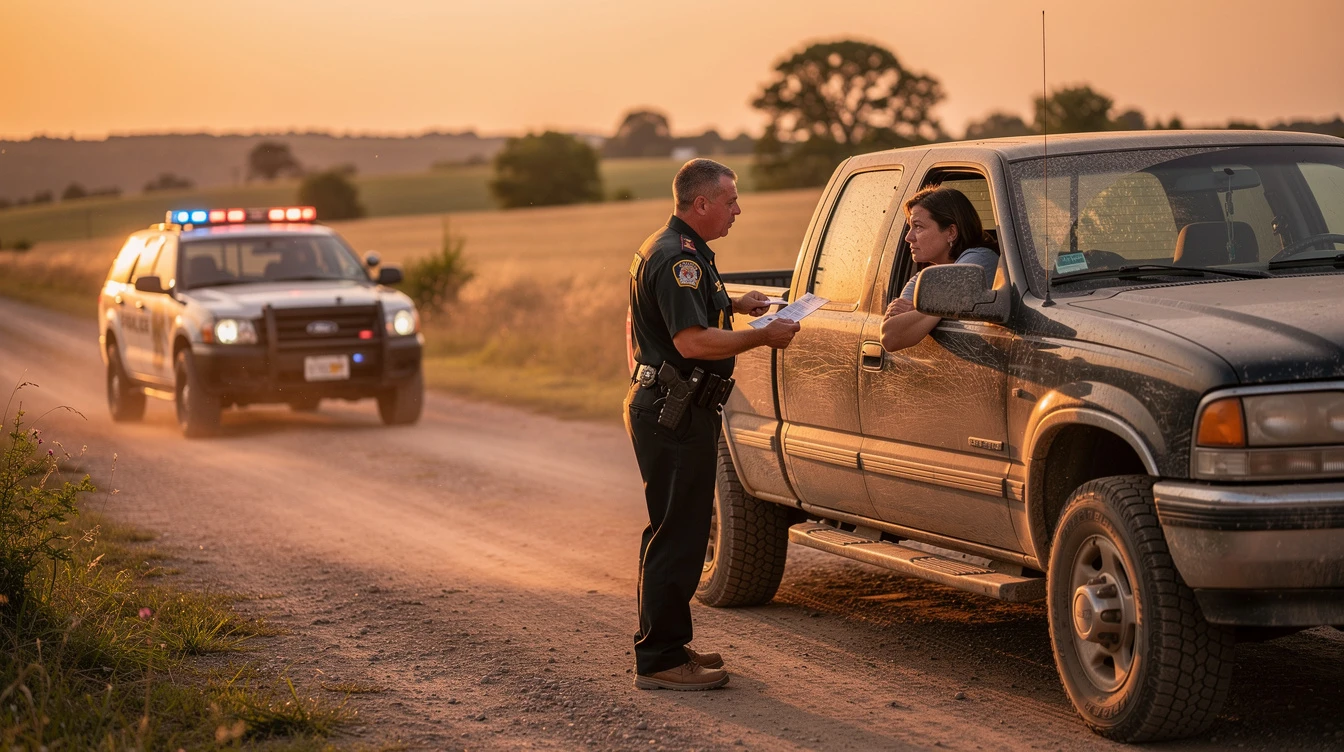

What makes a vehicle title invalid is a question most buyers and sellers only ask after something has already gone wrong. A title is the single most important document attached to any vehicle, and when it fails a DMV review, you can lose the ability to register, sell, or even operate that car. This guide explains the most common reasons a title gets rejected or voided, what red flags to watch for before any transaction, and what you can do to fix a problem title.
Whether you’re buying a used car from a private seller, transferring a vehicle from a deceased family member, or trying to register a bill-of-sale vehicle, understanding title validity can save you thousands of dollars and weeks of frustration.
Dealing with a title problem? Dirt Legal handles the DMV paperwork so you don’t have to.
Get Started →What Makes a Vehicle Title Invalid: The Core Requirements
Every state issues vehicle titles as official proof of ownership. For a title to be considered valid, it must meet specific standards. If any of those standards are not met, the document can be rejected by the DMV during a title transfer or registration attempt.
What Information Must Appear on a Valid Title?
A valid title typically includes the vehicle’s full VIN (Vehicle Identification Number), the year, make, and model, the owner’s full name and address, the odometer reading at the time of transfer, and the signature of both the buyer and seller. Missing or incomplete fields in any of these areas are among the most common reasons a title is flagged as invalid during a DMV title transfer review.
You can cross-reference a vehicle’s VIN using the free NHTSA VIN Lookup tool to confirm the details match what appears on the title document before any transaction.
How Does Title Jumping Void a Title?
Title jumping occurs when a vehicle is bought and sold without the title being transferred into the new owner’s name first. This is one of the most common causes of an invalid title chain. If the title was never updated at the DMV between owners, the document may show the wrong current owner, making it unusable. To understand the full picture, see our post on Should You Buy a Car Without a Title? What to Know Before Buying a Car Without a Title, which covers how bill-of-sale purchases work and where they fall short.
Title jumping is also not permitted in most states. The penalty for title jumping can include fines, registration denial, and in some cases, criminal charges. This is one problem that compounds quickly if left unresolved.
Does a Lien Make a Title Invalid?
A title with an active lien is not technically invalid, but it cannot be transferred to a new owner without a lien release from the lender. If a seller hands you a title with a lienholder still listed and no release documentation, the DMV will reject the transfer. Always request proof that any outstanding loan has been paid in full before signing anything.
Common Reasons a Title Gets Rejected at the DMV
Even when a title appears to be complete, specific conditions can cause it to be rejected during a state DMV review. Knowing these in advance helps you catch problems before they become your problem.
Ready to register your vehicle?
Join thousands of vehicle owners who use Dirt Legal to handle their registration quickly and hassle-free.
Register Your Vehicle Today → →Alterations, Erasures, or Correction Fluid
Any white-out, erasure, or handwritten correction on a title document is grounds for immediate rejection. If you receive a title with visible corrections, the seller should obtain a replacement title from the issuing state before the transaction proceeds.
An auto title replacement is the correct path forward in this situation. Most states allow the registered owner to apply for a duplicate title through the DMV, which resets the document to a clean, unaltered copy.
Odometer Fraud and Incorrect Mileage Disclosures
Federal law requires accurate odometer disclosure on all title transfers for vehicles under 10 years old. If the recorded mileage is lower than the actual mileage, the title may be flagged as fraudulent. A mileage discrepancy on the title can make the document unenforceable and expose the seller to federal penalties.
Name Mismatches and Missing Signatures
If the name on the title does not exactly match the seller’s government-issued ID, most DMVs will refuse to process the transfer. Abbreviated names, maiden names, and typographical errors all count. Missing signatures from all listed owners on the title are equally problematic. Both the buyer and seller sections must be fully completed.
If you’re working through the vehicle registration process for the first time, our guide on Navigating Vehicle Registration Laws and Car Registration Requirements gives a complete overview of what DMVs look for and how to prepare.
Salvage, Rebuilt, and Branded Titles: When a Title Signals a Problem
Not all title problems mean the document itself is defective. Sometimes the title is perfectly valid as a document, but the brand or designation on it tells a complicated story about the vehicle’s history.
What Is a Salvage Title and How Does It Affect Registration?
A salvage title is issued when a vehicle has been declared a total loss by an insurance company. The vehicle can still be owned, but it cannot be registered for road use until it passes a state inspection and receives a rebuilt or reconstructed title. Trying to register a salvage-titled vehicle without completing this process is one of the most common registration mistakes buyers make. Read more in our breakdown of The 5 Biggest Out-of-State Registration Mistakes (And How to Avoid Them).
How Does a Junk or Dismantled Title Affect Ownership?
Once a vehicle receives a junk or dismantled title, it is typically designated for parts only. These titles cannot be converted back to a standard ownership title in most states. If you buy a vehicle with a junk title thinking you can restore it for road use, you will likely be denied registration regardless of the vehicle’s physical condition.
Can a Flood or Hail Damage Brand Void a Title?
A flood or hail damage brand does not automatically void a title, but it does reduce what you can do with the vehicle in certain states. Some states will not issue a clean registration on a flood-branded title without additional inspections. The title remains a valid ownership document, but the brand follows the vehicle permanently through the national title history database.
Title Jumping and Chain of Ownership Problems
Title jumping is one of the most searched issues in the DMV space, and for good reason. When ownership records are incomplete, the entire title chain becomes suspect.
How Many Owner Gaps Make a Title Unacceptable?
Even a single gap in the ownership chain can cause a title rejection. If the title shows Owner A sold to Owner C, but Owner B’s transfer was never recorded, the DMV cannot verify ownership and will refuse to process the transaction. In these cases, a bonded title or a court-ordered title may be the only way to re-establish clear ownership.
If you’ve inherited a vehicle or received one as a gift with incomplete documentation, the process to clear title can vary significantly by state. Our article on Have a Motorcycle With No Title? Here’s How to Get One walks through the bonded title process for vehicles with missing or incomplete paperwork.
What Is the Penalty for Title Jumping?
The penalty for title jumping varies by state but typically includes civil fines, denial of registration, and potential criminal charges in cases involving fraud or tax evasion. In some states, the buyer who unknowingly purchased a jumped title can also face complications when trying to register the vehicle, even if they were not responsible for the original violation.
How to Spot a Jumped Title Before You Buy
Request a vehicle history report and cross-check it with the physical title. Look for gaps between the listed owner names and the dates of transfer. If the seller’s name does not appear on the title as the current owner, that is a significant warning sign. A detailed guide on spotting fraudulent title documents is available in our post on How to Spot a Fake Vehicle VIN Check: Protect Your Investment.

Montana LLC registration as a Title Solution for Complex Situations
When a vehicle title has problems that make standard registration difficult, some owners look at alternative legal registration paths. Montana LLC registration is one option that has grown in popularity, particularly for high-value vehicles, RVs, and motorcycles.
How Does Montana LLC Registration Work?
Registering a vehicle through a Montana LLC registration involves forming a limited liability company in Montana and titling the vehicle under that entity. Montana has no sales tax, no emissions testing requirements, and no annual inspection mandate, making it an attractive option for owners nationwide. The vehicle title is then issued in the LLC’s name, which can simplify ownership transfers in some situations.
Does Montana Registration Resolve a Branded Title Problem?
Montana registration does not erase a salvage, rebuilt, or junk brand from a vehicle’s history. The brand is attached to the VIN and follows the vehicle nationally. However, for vehicles with clean titles that simply have complex ownership situations, Montana’s straightforward titling process can be a practical path forward. Vehicle registration costs in Montana are also among the lowest in the country, with fees confirmed by the Montana Vehicle Title and Registration official fee schedule.
Title problems are complicated. Dirt Legal simplifies the process and handles the DMV paperwork on your behalf.
See How We Can Help With Your Title Situation →Quick Reference: What Makes a Vehicle Title Invalid
| Issue | Effect on Title | Common Fix |
|---|---|---|
| Missing signatures | Title transfer rejected | Contact all listed owners to sign |
| Alterations or white-out | Document flagged as potentially fraudulent | Request a duplicate/replacement title |
| Title jumping | Incomplete ownership chain | Bonded title or court order |
| Active lien, no release | Transfer cannot be processed | Obtain lien release from lender |
| Odometer fraud / discrepancy | Potential federal violation | Disclose correctly; obtain a corrected title |
| Salvage/junk brand | Cannot register for road use without inspection | Pass state inspection for rebuilt title |
| Name mismatch | DMV rejects transfer | Correct name with issuing state DMV |
| Expired or duplicate title | May be void depending on state | Request a new duplicate title |
Frequently Asked Questions About Invalid Vehicle Titles
Can a vehicle title expire?
Most states do not give vehicle titles an expiration date, but certain circumstances can effectively make a title unusable. If a title has been reported lost and a duplicate was issued, the original document is voided. Some states also consider a title invalid if the transfer assignment section was filled in incorrectly or left blank for an extended period. Always confirm the title’s status with your state DMV before completing a purchase.
What is title jumping, and is it illegal?
Title jumping occurs when a vehicle is sold without transferring the title into the buyer’s name at the DMV. The new buyer then sells the vehicle from the original owner’s title, skipping the official transfer step. This is illegal in all 50 states and creates a broken ownership chain that can make the vehicle very difficult to register. The penalty for title jumping typically includes fines and potential criminal liability for the party who facilitated the sale.
Can you register a car with a salvage title?
Not directly. A salvage title vehicle must first be repaired and pass a state inspection before it can be issued a rebuilt or reconstructed title. Once the rebuilt title is issued, the vehicle can typically be registered for road use, though some states impose additional insurance restrictions. Attempting to register a salvage-titled vehicle without completing the inspection process will result in rejection.
What happens if you buy a car with an invalid title?
If you purchase a vehicle and later find that the title is invalid, you may be unable to register the car in your name. Depending on the nature of the defect, you may need to pursue a bonded title, a court-ordered title, or a duplicate title from the original issuing state. In cases involving fraud, you may have legal recourse against the seller. This is why a thorough title review before purchase is critical.
How do I replace a lost or damaged title?
The registered owner must apply for a duplicate title through the state DMV that originally issued the document. This typically requires a completed application, proof of identity, and a small fee. The replace title for car process is usually straightforward if there are no ownership disputes. If you are not the registered owner, the process becomes more involved and may require legal documentation.
Is a bill of sale enough to replace a title?
A bill of sale alone is not sufficient to register a vehicle or establish legal ownership in most states. It serves as a record of the transaction but does not replace the official title document. Some states accept a bill of sale as part of a bonded title application, but you will still need to go through the formal bonded title process to receive a registrable title.
Can title problems affect vehicle registration costs?
Title problems themselves do not increase vehicle registration costs, but the process of resolving them can add expenses. Bonded title fees, duplicate title fees, and court filing costs all add up. If you need to replace a lost title, correct a name error, or obtain a lien release, factor in these additional costs when budgeting for your vehicle purchase or registration.
Don’t let a title problem keep your vehicle off the road. Dirt Legal handles the complex paperwork and gets your vehicle registered correctly.
Start Your Registration Today. No Hidden FeesFinal Takeaway: Protecting Yourself From an Invalid Vehicle Title
Understanding what makes a vehicle title invalid is the first step toward protecting yourself in any vehicle transaction. From missing signatures and title jumping to salvage brands and lien issues, the causes are varied but the outcome is the same: a vehicle you cannot legally register or sell. Check the title carefully before every transaction, run a VIN history check, and never skip the DMV transfer step. If you’re already dealing with a problem title, options like bonded titles, duplicate titles, and Montana LLC registration may offer a path forward depending on your situation. Dirt Legal specializes in exactly these situations, handling the DMV paperwork so you can focus on getting back on the road.
Related Reading