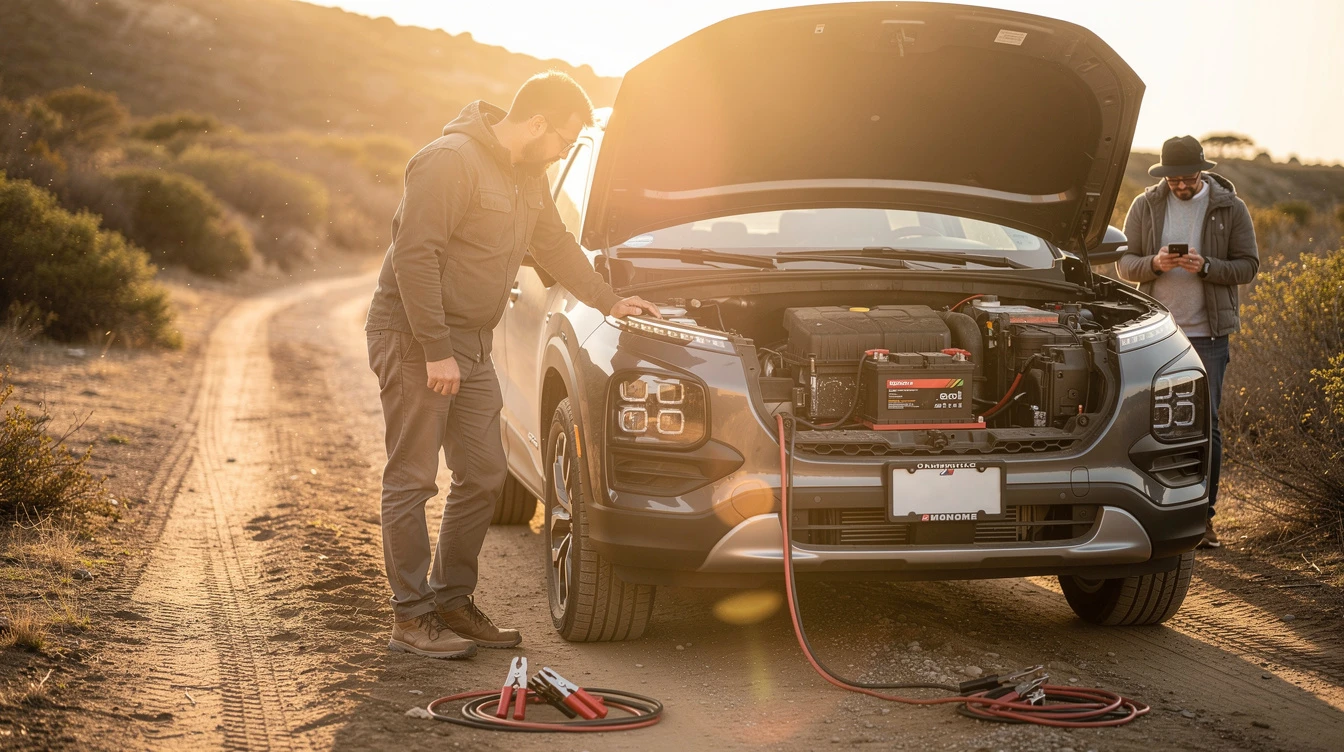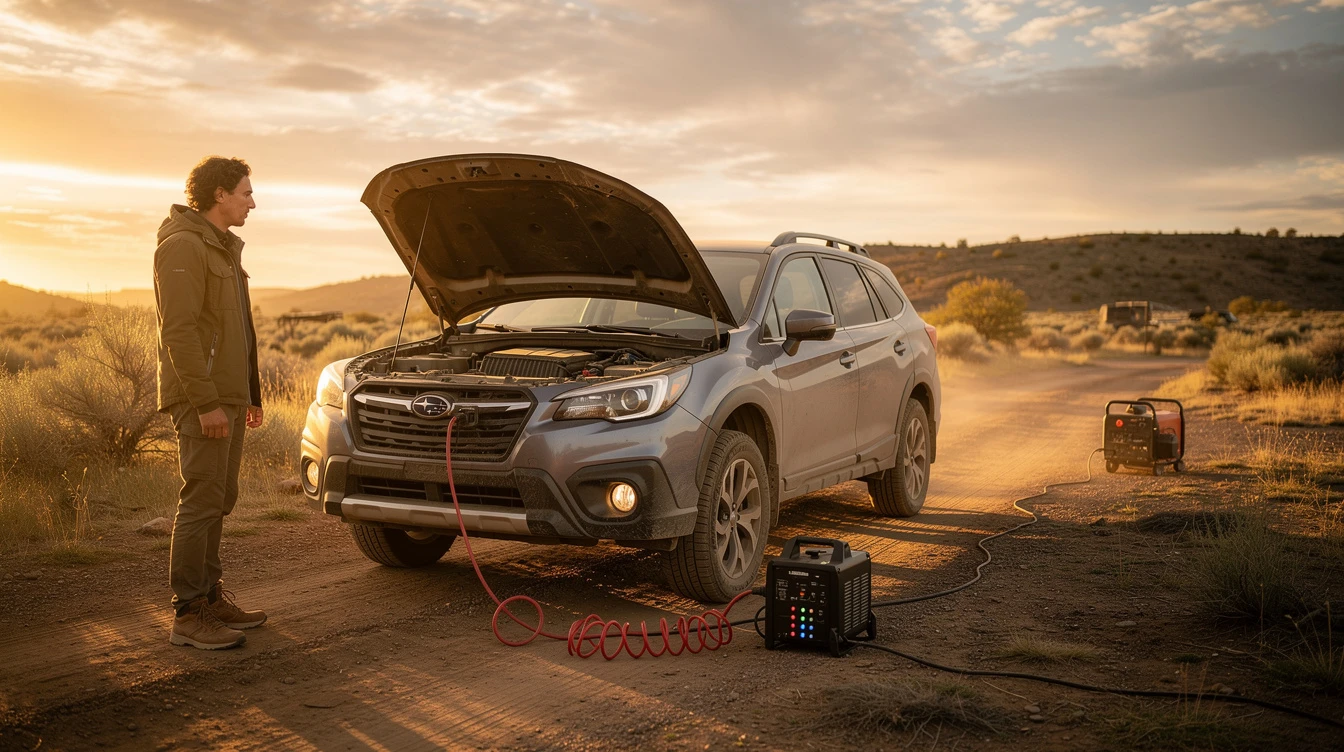
Leaving a car battery charger on overnight is generally safe, but only if you use a modern smart charger with automatic shutoff. Older trickle chargers without auto-cutoff can overcharge your battery, causing heat buildup, electrolyte loss, and in rare cases, swelling or leaks.
What Type of Charger Determines Whether Overnight Charging Is Safe?
The charger type matters more than anything else. Smart chargers monitor battery voltage and automatically stop or switch to a float/maintenance mode once the battery is full. Older manual chargers keep pushing current regardless, which is the real danger.
- Smart chargers (recommended): Auto-shutoff when full, switch to trickle/float mode, safe for overnight and multi-day use
- Standard trickle chargers: Low amperage but no shutoff, safe short-term but risky left unattended for 8+ hours
- Fast/boost chargers: High amperage output, should never be left overnight, risk of overheating
- Maintainers/float chargers: Designed specifically for long-term connection, the safest option for overnight or extended charging
Honestly, if your charger cost less than $20 and came without any display or indicator, it probably doesn’t have automatic shutoff. Check the label or manual before leaving it unattended.
What Are the Risks of Leaving a Charger on Too Long?
Overcharging a lead-acid battery forces electrolysis, which boils off the water inside the electrolyte. Over time, that damages the battery plates and reduces overall capacity. Here’s what can go wrong.
Ready to register your vehicle?
Join thousands of vehicle owners who use Dirt Legal to handle their registration quickly and hassle-free.
Register Your Vehicle Today → →- Heat buildup: Overcharging generates heat, which degrades battery internals
- Electrolyte loss: Water evaporates from cells, reducing battery life
- Swelling or bulging: In sealed AGM batteries especially, excess pressure can warp the casing
- Hydrogen gas release: Overcharged batteries off-gas hydrogen, a flammable gas in enclosed spaces
- Shortened battery lifespan: Even without visible damage, repeated overcharging cuts years off a battery’s service life
AGM and lithium batteries are even more sensitive. If your vehicle uses an AGM battery, a charger rated specifically for AGM chemistry is non-negotiable.
How Long Does It Actually Take to Charge a Car Battery?
Charge time depends on battery capacity (measured in amp-hours) and your charger’s output rate. A fully dead standard 60Ah battery on a 10-amp charger takes roughly 6 hours. On a 2-amp trickle charger, that same battery takes 30+ hours.
| Battery State | Charger Amperage | Estimated Charge Time | Safe to Leave Overnight? |
|---|---|---|---|
| Fully dead (12V battery, 60Ah) | 2A trickle | 24, 30 hours | Only with smart charger |
| Half charge | 10A standard | 3, 4 hours | Risky without auto-shutoff |
| Maintenance charge | Float/maintainer | Indefinite | Yes, designed for this |
| Boost/emergency charge | 40A+ | 30, 60 minutes | Never leave unattended |
A related question that comes up often is whether you can jump start an ATV using a truck battery, which has a similar answer: the power source matters just as much as the vehicle being charged.
Does It Matter If the Car Is On or Off While Charging?
Always charge with the engine off. Charging a battery while the engine runs is the alternator’s job, not a wall charger’s. Running both simultaneously can confuse the vehicle’s charging system and, in modern cars with sensitive battery management systems, potentially cause errors.
- Turn the engine off before connecting a charger
- Connect positive (red) clamp first, then negative (black)
- Disconnect negative first when removing
- Charge in a well-ventilated area, not an enclosed garage with no airflow
- Keep the charger away from flammable materials
Modern vehicles with advanced electronics (like BMWs, Mercedes, or any car with a Battery Management System) sometimes require a battery registration reset after replacement or extended charging. Check your owner’s manual if your vehicle has a BMS.
Keeping your vehicle maintained and properly registered go hand in hand. If your registration paperwork is as overdue as your battery charge, Dirt Legal makes the process simple.
Get Your Vehicle Registration Sorted →Is Overnight Charging Safe for Motorcycle and ATV Batteries?
Powersport batteries, including motorcycle, ATV, and UTV batteries, are typically smaller and charge faster than car batteries. That makes them more vulnerable to overcharging if left on a standard charger overnight.
- Motorcycle batteries (7, 14Ah): Fully charge in 4, 8 hours on a 2A charger, use a smart maintainer for overnight
- ATV/UTV batteries (12, 30Ah): Charge in 6, 12 hours on a 2, 4A smart charger
- Lithium powersport batteries: Require a lithium-specific charger, standard lead-acid chargers can damage them permanently
If you own a side-by-side or off-road vehicle and are curious about registration options for those machines, check out the UTV Street Legal States guide for a full breakdown of where your machine can hit the road compliantly.
Battery maintenance is especially important for seasonal vehicles. Vehicles that sit for months during winter need a float maintainer, not a one-time overnight charge. A proper battery maintainer keeps voltage topped up without ever overcharging.

What Safety Precautions Should You Follow Every Time?
A few non-negotiable steps every time you charge, regardless of charger type.
- Read the charger manual before the first use, especially for AGM or lithium settings
- Inspect cables and clamps for fraying or corrosion before connecting
- Set the correct battery type on smart chargers (flooded, AGM, gel, lithium)
- Never charge a frozen battery, thaw it at room temperature first
- Keep the area ventilated to prevent hydrogen gas buildup
- Do not charge a cracked or leaking battery, replace it immediately
- Monitor the first charge cycle on any new charger to confirm auto-shutoff works
Vehicles that sit for extended periods without driving also tend to have registration paperwork that falls behind. Simple Process, No Extra Steps: Your Vehicle Registration Handled Without Delays covers how to keep that side of your ownership clean without the usual hassle.
Odometer compliance is the most frequent reason vehicle documents come back for correction in our process, which shows how paperwork details matter just as much as mechanical ones (internal data, rolling last 90 days, n=118).
Frequently Asked Questions
Can you leave a trickle charger on a car battery all night?
You can leave a smart trickle charger on overnight safely because it switches to float mode once the battery is full. An older manual trickle charger without auto-shutoff should not be left unattended overnight, as it will keep pushing current into a full battery and cause damage over time.
How long is too long to leave a battery charger on?
With a manual charger, anything beyond the time needed to reach full charge is too long, typically 6, 12 hours depending on battery size and charger amperage. With a smart charger or maintainer, there’s no strict time limit, as these devices regulate output automatically and are safe for days or weeks of connection.
Can overcharging a car battery cause a fire?
Overcharging can create hydrogen gas buildup and excessive heat, both of which are fire risks in enclosed spaces. While outright fires from battery charging are uncommon, they do happen, especially with damaged chargers, compromised batteries, or fast chargers left unattended. Charging in ventilated areas significantly reduces this risk.
Should I disconnect the battery before charging?
Disconnecting the battery before charging is not required for most modern smart chargers. However, if your vehicle has sensitive electronics or a battery management system, disconnecting prevents any charging-related voltage fluctuations from reaching control modules. Check your owner’s manual if you’re unsure about your specific make and model.
What is the best charger to leave on overnight?
A battery maintainer or float charger is the best option for overnight or long-term charging. Brands like NOCO, Battery Tender, and Optimate make widely trusted units. Look for models with AGM and lithium compatibility if your vehicle uses either of those battery chemistries, which is increasingly common in modern cars and powersports.
Does leaving a charger on overnight damage the battery?
With a smart charger, no, overnight charging won’t damage your battery. With an older manual charger, yes, repeated overcharging degrades battery plates and shortens lifespan noticeably. The key factor is whether the charger has automatic voltage regulation and shutoff, not just how long it’s connected.
Your vehicle deserves more than just a charged battery. If the registration side of ownership is also overdue, Dirt Legal provides remote paperwork support so you can get compliant without standing in line.
Start Your Registration Today →