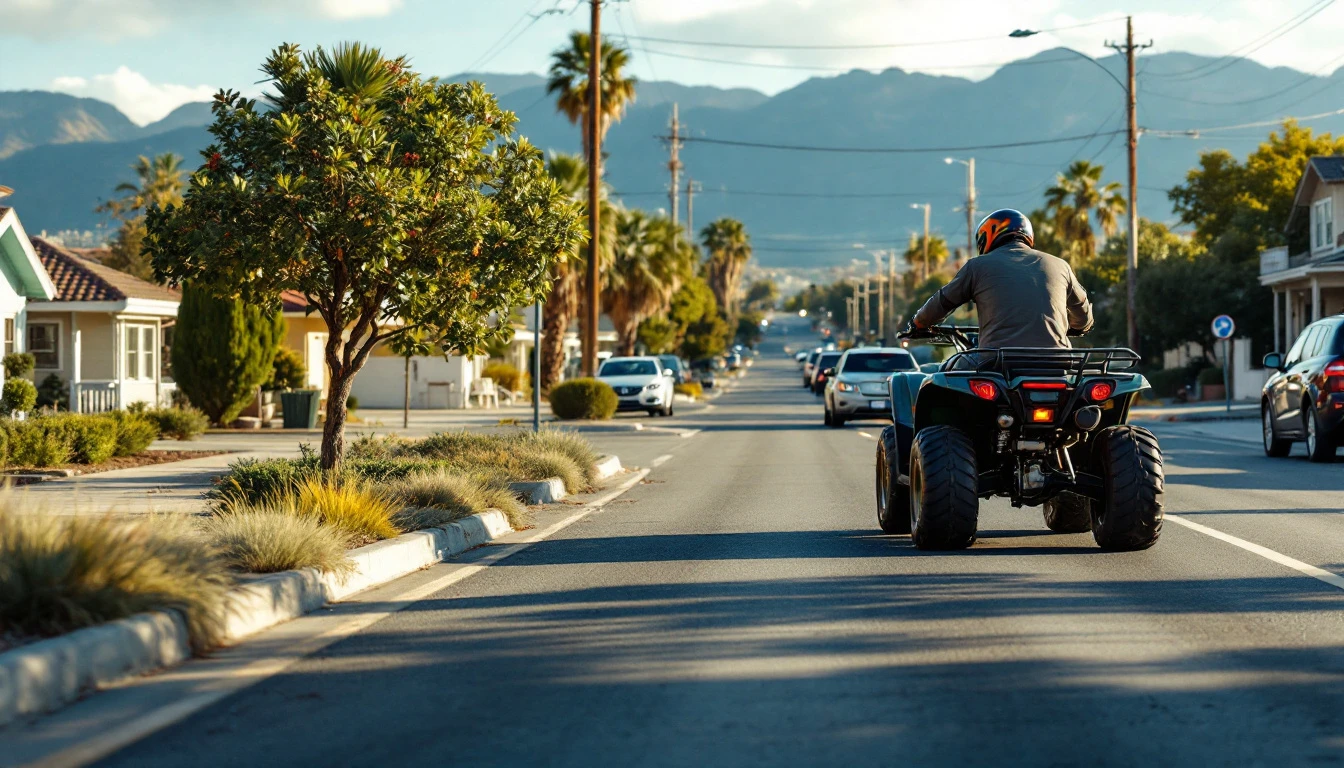
UTV street-legal states are not all created equal, and that matters a lot if you want to ride your side-by-side on public roads. Some states welcome UTVs with open arms. Others have strict equipment requirements, limited road access, or outright prohibitions. Knowing where your state lands, and what it takes to get compliant, is the difference between a great ride and a costly citation.
This guide breaks down which states allow street-legal UTVs, what equipment is typically required, how registration works, and how a Montana LLC can make the process simpler if your home state is difficult to work with.
Honest answer upfront: most states that allow street-legal UTVs require lights, mirrors, a horn, seatbelts, and a windshield at minimum. Some require a full title and registration. Let’s look at what that actually looks like state by state.
Which States Allow Street-Legal UTVs?
The short answer: about 30+ states have some provision for UTVs on public roads, but the details vary wildly. Some states allow UTVs on all roads. Most restrict them to certain road types, speeds, or counties. A handful allow local governments to decide on their own, which means the rules can change town by town.
States With the Most Permissive UTV Laws
Utah, Arizona, and Idaho are widely considered the most UTV-friendly states in the country. Utah allows street-legal UTVs on most roads under 55 mph with the right equipment. Arizona permits UTVs on public roads with a title, registration, and a safety equipment package. Idaho has clear statutes allowing UTVs on highways under specific conditions.
Montana is also a strong option, particularly because of how its registration process works. Registering a vehicle in Montana through an LLC is a well-known path for powersport owners who want simple, affordable paperwork without dealing with the complex requirements of their home state.
States That Restrict UTVs to Certain Roads
Texas, Colorado, Kansas, and Oklahoma allow UTVs on public roads but with limitations. Texas restricts them largely to farm-to-market and ranch roads, plus certain county roads. Colorado allows UTVs on roads with speed limits of 35 mph or less.
States Where It Depends on Local Ordinance
Several states, including Wisconsin, Minnesota, and Michigan, allow individual counties or municipalities to permit UTVs on local roads. You may be able to ride in one county but not the one next door. Always check with your local authorities before assuming you’re in the clear.
What Equipment Makes a UTV Street Legal?
Equipment requirements are where most UTV owners get tripped up. States that allow street-legal UTVs almost always have a defined list of safety equipment that has to be installed before you can apply for road registration. The specifics vary, but there’s a strong common core across most states.
Ready to register your vehicle?
Join thousands of vehicle owners who use Dirt Legal to handle their registration quickly and hassle-free.
Register Your Vehicle Today → →Standard Equipment Requirements
Across most UTV street legal states, you’ll need:
- Headlights and tail lights
- Brake lights
- Turn signals (front and rear)
- Rearview mirror (sometimes two)
- Horn
- Windshield (or DOT-approved eye protection in some states)
- Seatbelts for every occupant
- Spark arrestor (required in some Western states)
Some states also require a speedometer, odometer, and reflectors. A few require DOT-rated tires. If you’re serious about making your UTV street-legal, install all of these before you start the paperwork process, not after.
What About Street Legal Quads and ATVs?
Street legal quads follow a similar path to UTVs but with some key differences. ATVs are generally single-rider vehicles and often face stricter restrictions because they weren’t designed with passenger safety in mind. Some states that allow UTVs explicitly exclude ATVs from street use. Check your state’s specific ATV statute, not just the UTV rules.
Curious about street use for other powersports? Our guide on whether you can ride a dirt bike on the street covers similar territory for two-wheelers and is worth a read if you own multiple off-road vehicles.
UTV Street Legal States: Full Comparison Table
Here’s a high-level look at how major states handle UTV road access. This is a summary, not legal advice. Always check your state’s current statutes before purchasing equipment or starting the registration process.
| State | Street-Legal UTVs Allowed? | Road Type Restrictions | Registration Required? |
|---|---|---|---|
| Utah | Yes | Roads under 55 mph | Yes |
| Arizona | Yes | Most public roads | Yes |
| Idaho | Yes | Highways under specific conditions | Yes |
| Montana | Yes (local rules apply) | Varies by county | Yes |
| Texas | Limited | Farm/ranch and county roads only | Yes |
| Colorado | Limited | Roads 35 mph or less | Yes |
| Oklahoma | Yes | Roads under 35 mph (some exceptions) | Yes |
| New Mexico | Yes | Most public roads with equipment | Yes |
| Florida | Limited | Certain designated roads | Yes |
| California | Very Limited | Off-highway primarily | Yes (OHV sticker) |
| Wisconsin | Local Option | County-by-county | Yes |
| Michigan | Local Option | County-by-county | Yes |
| New York | No | Not permitted on public roads | N/A |
For a closer look at two specific states, see our guides on side-by-sides street legal in California and side-by-sides street legal in New Mexico. Florida-specific rules are covered in our post on making a side-by-side street legal in Florida as well as our dedicated Florida street legal UTV guide.
How Montana LLC Registration Works for UTVs
Montana is one of the most talked-about registration options for powersport owners, and for good reason. The state has no sales tax on vehicles, no emissions testing, and a relatively straightforward registration process. You don’t have to live in Montana to own a vehicle registered there through an LLC.
Here’s the basic idea: you form an LLC in Montana, that LLC purchases and registers the UTV, and the title is issued in the LLC’s name. This is a completely above-board approach that many owners use to reduce costs and paperwork. It’s especially useful if your home state has high sales tax, strict emissions requirements, or limited UTV registration options.
What Montana Registration Actually Costs
Montana charges no sales tax, which can mean significant savings on a high-dollar UTV. Registration fees are based on vehicle age and type, not value, so they tend to be lower than what many states charge. You can find the full fee schedule on the Montana Motor Vehicle Division’s official page.
For a complete walkthrough, see our guide on forming a Montana LLC for vehicle registration, which covers every step from LLC formation to receiving your plates.
Does Montana Registration Make Your UTV Street Legal Everywhere?
Good question, and the answer is: no. Montana registration gives you a title and plates. Whether you can ride your UTV on public roads in your home state depends entirely on that state’s laws, not where the vehicle is registered. Montana registration handles the paperwork side of ownership. Compliance with your local road laws is a separate matter. The two work together but don’t replace each other.
Dirt Legal has helped 80,000+ vehicle orders to date.
Thinking about why some states are simply easier to deal with than others? The post on why some states make vehicle registration easier than others is a useful read if you’re frustrated by your home state’s process.
VIN inspections and Title Requirements for UTVs
Before any state will issue a street-legal title or registration for a UTV, you’ll typically need to establish clear ownership. That usually starts with a title or a manufacturer’s statement of origin (MSO) for new vehicles. For used UTVs, a clean title and a completed bill of sale are the standard starting point.
When a VIN Inspection Is Required
Many states require a VIN inspection before issuing a title for an off-highway vehicle brought into street-legal status. This is basically a verification that the vehicle’s identification number matches what’s on the paperwork. It’s a routine step, but skipping it can delay your registration significantly.
Our full breakdown of VIN inspections explains exactly what happens during the process and which states require them.
What If Your UTV Doesn’t Have a Title?
This comes up more often than you’d think, especially with used or older machines. If your UTV came with just a bill of sale and no title, you’ll need to sort out the title situation before you can get road registration. A bonded title is one path forward in many states. Our sister brand Ride Legal covers this in detail, including what a bonded title is and when you need one.
Also, if you’ve heard the term “title jumping” and wondered whether it’s a real legal issue, the short answer is yes. Skipping a title transfer when ownership changes hands can cause serious problems when you try to register the vehicle. Learn more in our post on what makes a vehicle title invalid.
Frequently Asked Questions About UTV Street Legal States
How many states allow street-legal UTVs?
Roughly 30 or more states have some provision allowing UTVs on public roads, though the rules vary significantly. Some states allow UTVs on most public roads with proper equipment. Others restrict access to lower-speed roads, county roads, or specific designated routes. A handful leave the decision entirely to local governments, meaning it varies county by county. Always check your specific state statute and local ordinances before assuming access is permitted.
What is the easiest state to make a UTV street legal?
Utah, Arizona, and Idaho are consistently cited as the most straightforward states for street-legal UTVs. Each has clear statutes, defined equipment lists, and a registration pathway that doesn’t require significant modifications to the vehicle. Montana is also a popular choice for registration purposes due to no sales tax and a simple LLC-based registration process, though actual road access in Montana varies by county.
Do I need a driver’s license to drive a street-legal UTV?
In most states that allow street-legal UTVs, yes, a valid driver’s license is required to operate one on public roads. Some states set a minimum age requirement and may require a state-issued off-highway vehicle endorsement or safety certification. Check your state’s specific requirements, as they differ from standard passenger vehicle rules in several ways.
Can I register a UTV in Montana if I don’t live there?
Yes. Non-residents can register a UTV in Montana by forming a Montana LLC that owns the vehicle. The LLC is a Montana-based entity, which makes registration in Montana entirely above board. This approach eliminates Montana sales tax, which doesn’t exist, and reduces registration fees in many cases. The process involves forming the LLC, transferring ownership to it, and completing the registration paperwork. Dirt Legal provides registration assistance for exactly this type of setup.
What equipment do I need to make a UTV street legal?
The standard equipment list across most UTV street legal states includes headlights, tail lights, brake lights, turn signals, a horn, a rearview mirror, a windshield or DOT eye protection, and seatbelts. Some states also require a speedometer, odometer, DOT-rated tires, and a spark arrestor. The exact requirements depend on your state. Install all required equipment before starting the registration process to avoid delays.
Is it possible to get a street-legal UTV in California?
California has very limited provisions for UTVs on public roads. Most UTVs in California are registered as off-highway vehicles and cannot be operated on public streets. Some limited exceptions exist in certain rural areas, but California is among the most restrictive states for UTV street use. Our full guide on side-by-sides street legal in California covers the specific rules in detail.
Can a Montana-registered UTV be driven in any state?
Montana registration gives your UTV a title and valid plates recognized across the country. Whether you can operate it on public roads in another state depends on that state’s UTV laws, not the state of registration. Montana plates don’t override local road restrictions. You still need to meet your home state’s equipment and road access requirements to ride on public roads there. Registration and road access are separate issues.
Getting your UTV properly titled and registered is the foundation of street-legal riding. Whether your state has a clear UTV road program or you’re working through the Montana LLC route to simplify ownership, having clean paperwork protects you from fines, impoundment, and resale headaches down the road. Dirt Legal provides registration assistance for UTV owners across the country, handling the paperwork side so you can focus on the ride. Learn more about Montana vehicle registration online and how Dirt Legal helps, or check out our post on the way vehicle registration should have been done in the first place.
Related Reading