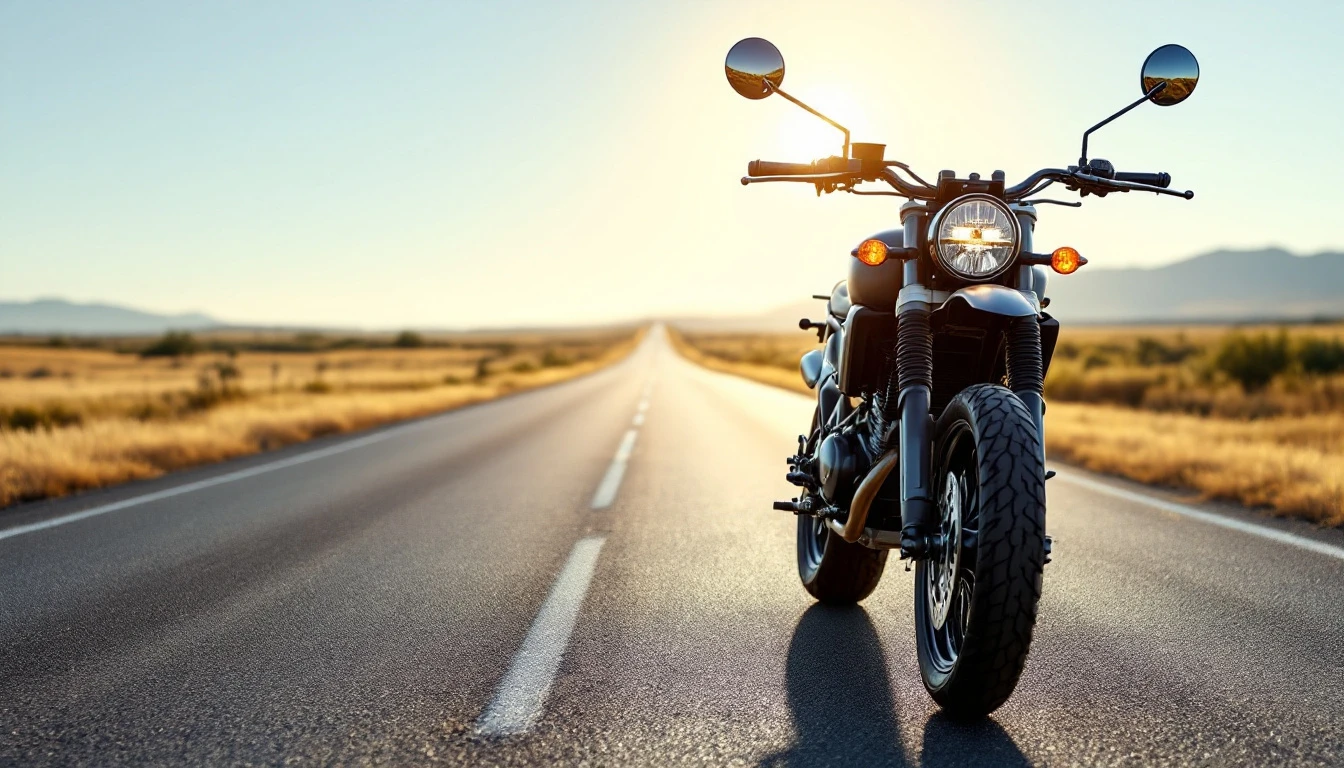
Can you ride a dirt bike on the street? The short answer is: not by default, but in many states, you can, with the right modifications and paperwork. Dirt bikes are built for off-road use, which means they leave the factory without the equipment most states require for street use. That doesn’t mean it’s impossible, though. It means you have a process ahead of you.
This guide breaks down exactly what makes a dirt bike street-legal, which states allow it, what modifications you’ll need, and how to get your bike titled and registered so you can ride it on public roads without worrying about getting pulled over.
Whether you’re converting a motocross bike or buying a dual-sport, the registration side of things matters just as much as the mechanical side. Here’s what you need to know.
What Does It Mean to Ride a Dirt Bike on the Street Compliantly?
Riding a dirt bike on a public road compliantly means your bike meets your state’s minimum equipment requirements for street use and is properly titled and registered as a street-legal motorcycle. Every state sets its own standards, but most follow a common baseline.
Why Dirt Bikes Aren’t Street-Legal Out of the Box
Most dirt bikes skip equipment that adds weight and cost but isn’t needed on a track or trail. No headlight bright enough for road use, no turn signals, no mirrors, no horn, and often no street-approved tires. The engine may also lack a compliant exhaust. Manufacturers build these bikes for off-road use, so they certify them accordingly, not as highway-eligible vehicles.
What Equipment Is Typically Required for Street Use
States vary, but the following equipment is required in the vast majority of states before a dirt bike can be ridden on public roads:
- DOT-compliant headlight and taillight
- Turn signals (front and rear)
- Rearview mirrors (usually one or two)
- Horn
- DOT-approved tires
- Working brakes on both wheels
- Speedometer
- License plate mount and light
Some states also require specific handlebar height limits, muffler standards, or a functional odometer. Check your state’s DMV requirements before starting any conversion.
Dual-Sport vs. Motocross Bikes
Dual-sport bikes are designed to work on and off road. They come from the factory with most or all of the required street equipment already installed, making registration far simpler. Motocross and enduro bikes are a different story. Converting a pure motocross bike to street-legal status requires more parts, more money, and in some states, more paperwork. It’s doable, but know what you’re getting into before you buy the parts.
For a deeper look at pit bikes specifically, the article Are Pit Bikes Street-Legal? The Complete Answer for Riders covers what separates pit bikes from full-size dirt bikes and how the rules differ.
State-by-State Rules: What Changes Depending on Where You Live
There’s no single national standard for dirt bike street use. Each state sets its own rules, and the range is wide. Some states have a well-defined dual-sport registration process. Others have strict limits or outright ban certain off-road vehicles from public roads.
undefined
States That Allow Street-Legal Dirt Bike Conversions
Many states allow you to register a converted dirt bike as a motorcycle as long as it meets equipment standards and passes a VIN inspection. A VIN inspection confirms the bike’s identification number matches the title documents, which is a key step in most state registration processes. States like Colorado, California, and Arkansas have defined OHV or dual-sport registration pathways. Check out the specifics in these state guides:
- California Dirt Bike Laws: What You Need to Know
- Can You Drive a Dirt Bike on the Road in Colorado? Street-Legal Rules, Permits and Requirements
- Can You Drive a Dirt Bike on the Road in Arkansas? Rules, Registration and Street Conversion
- Florida Dirt Bike Laws: Street-Legal Conversion and OHV Titling
- Connecticut Dirt Bike Laws: Street-Legal Conversion and Rules
- Delaware Dirt Bike Laws: Street-Legal, OHV Regs and Helmet Rules
- Hawaii Dirt Bike Laws: Street-Legal Conversion and OHV Permits
Do You Need a License to Ride a Dirt Bike on the Street?
Yes, in every state that allows dirt bikes on public roads, you’ll need a valid motorcycle endorsement or motorcycle license. Riding off-road on private property or designated OHV areas is a different situation, but the moment you’re on a public road, the same licensing rules that apply to motorcycles apply to you. For a full breakdown, read Do You Need a License for a Dirt Bike? Here’s What Riders Need to Know.
What About Montana Registration for Dirt Bikes?
Montana is one of the most flexible states for vehicle registration. Many riders, especially those in states with high registration fees or strict emissions requirements, choose to register their vehicle through a Montana LLC. Montana has no sales tax, no emissions testing, and no inspections at the state level for vehicle registration. For motorcycles and powersports vehicles including dirt bikes, this can mean significant savings and a simpler registration process. Montana’s registration approach is detailed at Montana Vehicle Title and Registration (Montana DOJ).

How to Convert a Dirt Bike for Street Use: The Practical Steps
Converting a dirt bike to street-legal status isn’t one size fits all. The process depends on your state, your bike’s make and model, and whether you already have a title. Here’s what the process looks like in most cases.
Step 1: Start With a Clean Title
You need clear proof of ownership before any state will register your bike for street use. If your dirt bike came with a Manufacturer’s Statement of Origin (MSO) or a clean title, you’re in good shape. If you bought it with a bill of sale only and no title, that’s a separate problem to solve first.
For bikes without a title, a bonded title or other title recovery process may be needed before you can register for street use. The article What Is the Best Proof of Vehicle Ownership? A Complete Document Guide explains what documents carry real weight and which ones don’t.
Step 2: Install the Required Equipment
Once you know your state’s requirements, source the parts. Kits are available for many popular dirt bike models that bundle lights, signals, mirrors, and wiring into one package. Budget anywhere from $150 to $500 or more, depending on your bike and what’s included. Installation varies from straightforward to complex depending on how your bike’s wiring is set up.
Step 3: Get a VIN Inspection if Required
Many states require a physical VIN inspection before they’ll issue a title or registration for a converted off-road vehicle. This confirms the VIN on your bike matches your paperwork. Some states let law enforcement or a licensed dealer perform this inspection. Others have a specific DMV process. A detailed walkthrough is available in VIN Inspections: What They Are, When You Need One, and How to Pass.
Step 4: Submit Your Registration Paperwork
This is where most riders run into friction. The paperwork varies by state, and small errors, like an incorrect power of attorney form, are one of the most common reasons documents come back for correction. Across our recent order history, the most frequent reason documents are returned for correction is an issue with power of attorney correctness, which affects a meaningful share of submissions (internal data, rolling last 90 days, n=128). Getting this right the first time saves weeks. That’s why many riders use a private registration service to handle the filing.
Dirt Bike Street-Legal Requirements: Quick Comparison by State
The table below gives a high-level comparison of how a few states handle dirt bike street use. Always verify current requirements with your state’s DMV, as rules can change.
The Montana LLC Option: Why So Many Riders Use It
Montana is one of the only states with no sales tax on vehicles, no emissions inspections, and a straightforward registration process for motorcycles and powersport vehicles. Riders across the country, including those in California, Florida, and Texas, use Montana LLC registration as a compliant way to register their vehicles and avoid high state sales taxes.
How a Montana LLC Registration Works for Dirt Bikes
A Montana LLC is a registered business entity formed under Montana law. When a vehicle is titled in the name of that LLC, it’s subject to Montana’s registration rules rather than your home state’s. This is especially attractive for high-value bikes or riders in states with expensive registration fees and strict emissions rules. The Complete Guide to Forming a Montana LLC for Vehicle Registration walks through the entire process, including annual compliance requirements.
Honestly, the Montana LLC approach works well for riders who want to avoid paying sales tax on a $10,000+ bike or who live in a state where the emissions testing process makes street registration nearly impossible. Montana plates are a common sight for this exact reason. See Montana Plates: Your Complete Guide to Options, Costs, and Registration for a breakdown of what you’ll actually pay.
What About Vehicle Registration Costs Overall?
Registration fees vary dramatically by state. Montana’s fees are among the lowest in the country. Some states charge a flat fee based on bike weight or engine size. Others base fees on the vehicle’s value, which can get expensive fast. The good news is that a private registration service handles the fee calculation and paperwork for you, so there are no surprises. Ride Legal specializes in motorcycle and powersport registrations, including dual-sport and dirt bike titles, if you want a team that knows the powersport registration process specifically.
Is Montana LLC Registration Right for Your Bike?
It depends on your situation. If you’re in a high-tax state with strict emissions requirements and you own an expensive bike, the math often works out clearly in your favor. If you’re in a state with low registration fees and a simple process, the savings may be smaller. Either way, understanding the option puts you in a better position to decide. Should You Put Your Car in an LLC? Here’s What Nobody Tells You covers the pros and cons in plain language.
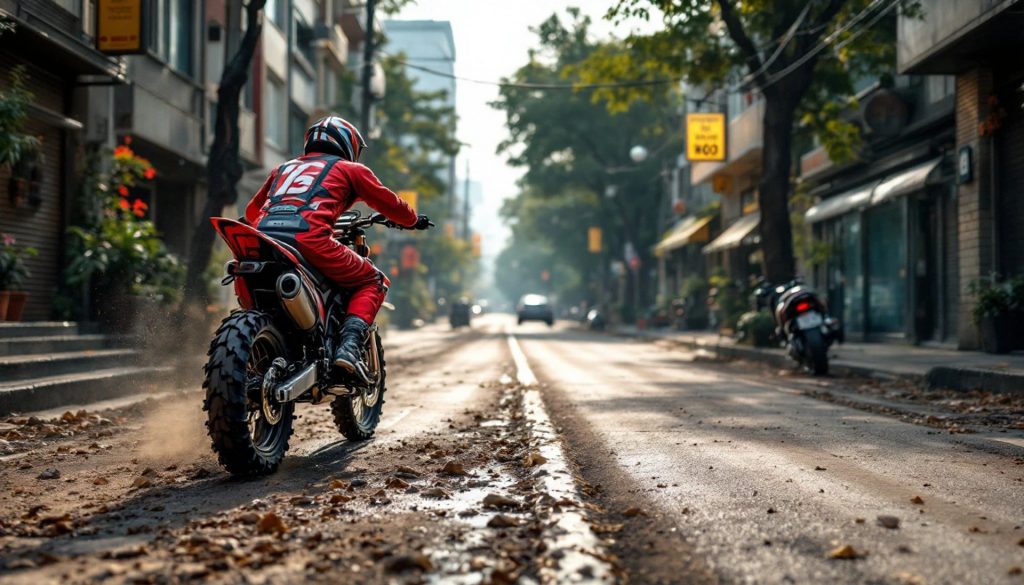
Frequently Asked Questions About Riding a Dirt Bike on the Street
Can you ride a dirt bike on the street without registering it?
No. Riding a dirt bike on a public road without registration and a title is not compliant. You also need a valid motorcycle license or endorsement. Getting caught riding an unregistered bike on the street typically results in a fine and possibly having your bike impounded. The only exception is on private property or designated OHV areas where street registration isn’t required.
What modifications does a dirt bike need to be street-legal?
At minimum, most states require: a DOT-approved headlight and taillight, working turn signals front and rear, at least one rearview mirror, a horn, DOT-compliant tires, a speedometer, and a license plate mount with a light. Some states add requirements for handlebar height, exhaust sound levels, and an odometer. Always check your specific state’s motorcycle equipment requirements before starting a conversion.
How much does it cost to make a dirt bike street-legal?
Parts for a street-legal conversion kit typically run $150 to $500, depending on the bike and kit quality. Add registration fees, which vary widely by state but often run $50 to $200 for a motorcycle registration. If you’re forming a Montana LLC for registration purposes, there are formation and annual fees involved. A private registration service can help you understand all the costs up front before you start.
Do dirt bikes need to pass emissions testing to be street-legal?
It depends on the state. California has strict emissions requirements that make it difficult to register a converted motocross bike for street use. Other states, including Montana, have no emissions testing requirement at the state level. This is one reason many riders in emissions-heavy states choose Montana LLC registration. If emissions compliance is a concern in your state, check with your state’s DMV before investing in a conversion.
Can a dual-sport bike be registered in any state?
Dual-sport bikes, sold with street equipment already installed, can typically be registered in most states as motorcycles. The process is much simpler than converting a motocross-only bike. In most cases, you’ll need proof of ownership, a VIN inspection if required, and a completed title and registration application. Some states may still require a safety inspection before issuing registration.
What is a street-legal dirt bike vs. a dual-sport bike?
A street-legal dirt bike is any off-road bike that has been modified and registered to meet street use requirements. A dual-sport bike is a specific category of motorcycle built by manufacturers to function both off-road and on public roads, with all required street equipment already installed. Dual-sports tend to be heavier and less focused off-road than a dedicated motocross bike, but they’re far easier to register and ride street compliantly without major modifications.
Can you ride a dirt bike on the street if it has a bill of sale but no title?
Not without getting a proper title first. A bill of sale alone is not sufficient to register a vehicle for street use in any state. You’ll need to pursue a title through your state’s process, which might include a bonded title, court order, or other title recovery method, depending on the circumstances. The article What Is the Best Proof of Vehicle Ownership? A Complete Document Guide explains what documents matter and when a bill of sale is or isn’t enough.
Are street-legal quads and UTVs registered the same way as dirt bikes?
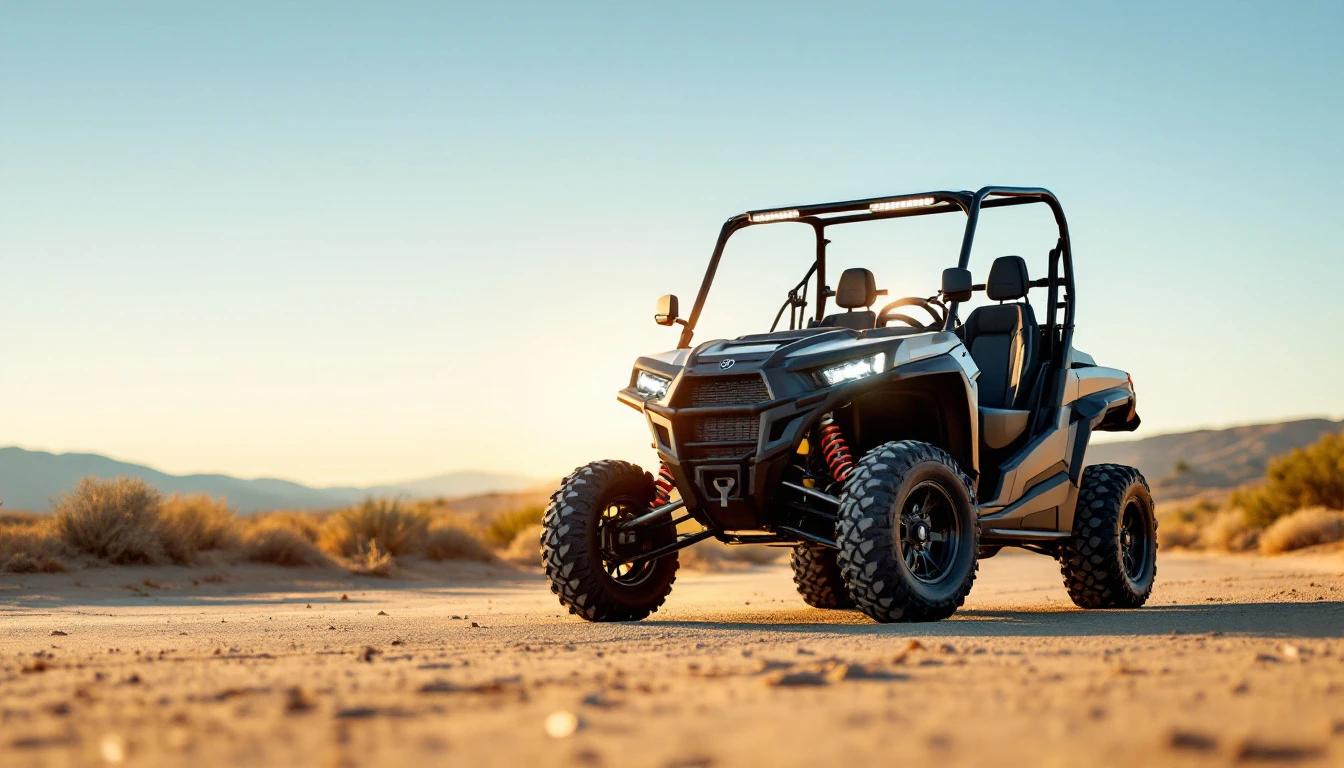
Not exactly. Street-legal quads and UTVs go through a similar process of equipment upgrades and state registration, but the rules differ by vehicle type and state. Some states treat ATVs more strictly than motorcycles on public roads. For UTVs specifically, this guides: Can You Make a Side by Side Street-Legal in Florida? Here’s the Real Answer: cover state-specific rules in detail.
Riding a dirt bike on the street is possible in most states, but only after your bike is properly equipped, titled, and registered. The process isn’t complicated once you know the steps, but it does require attention to the paperwork. Dirt Legal has completed over 5,000 customer orders, helping riders get their bikes and vehicles properly registered without the DMV runaround. Whether you’re converting a motocross bike, registering a dual-sport, or looking at the Montana LLC route, the process is straightforward when you have the right help.