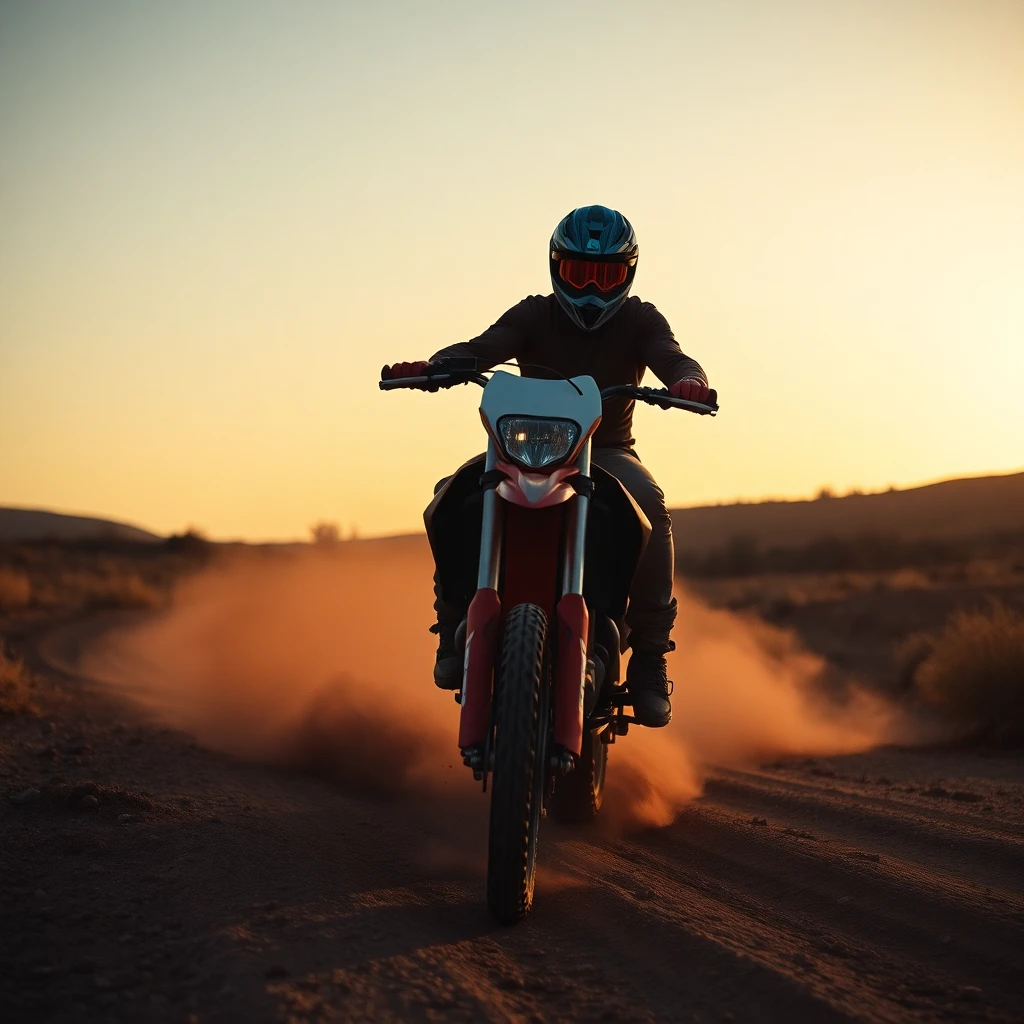
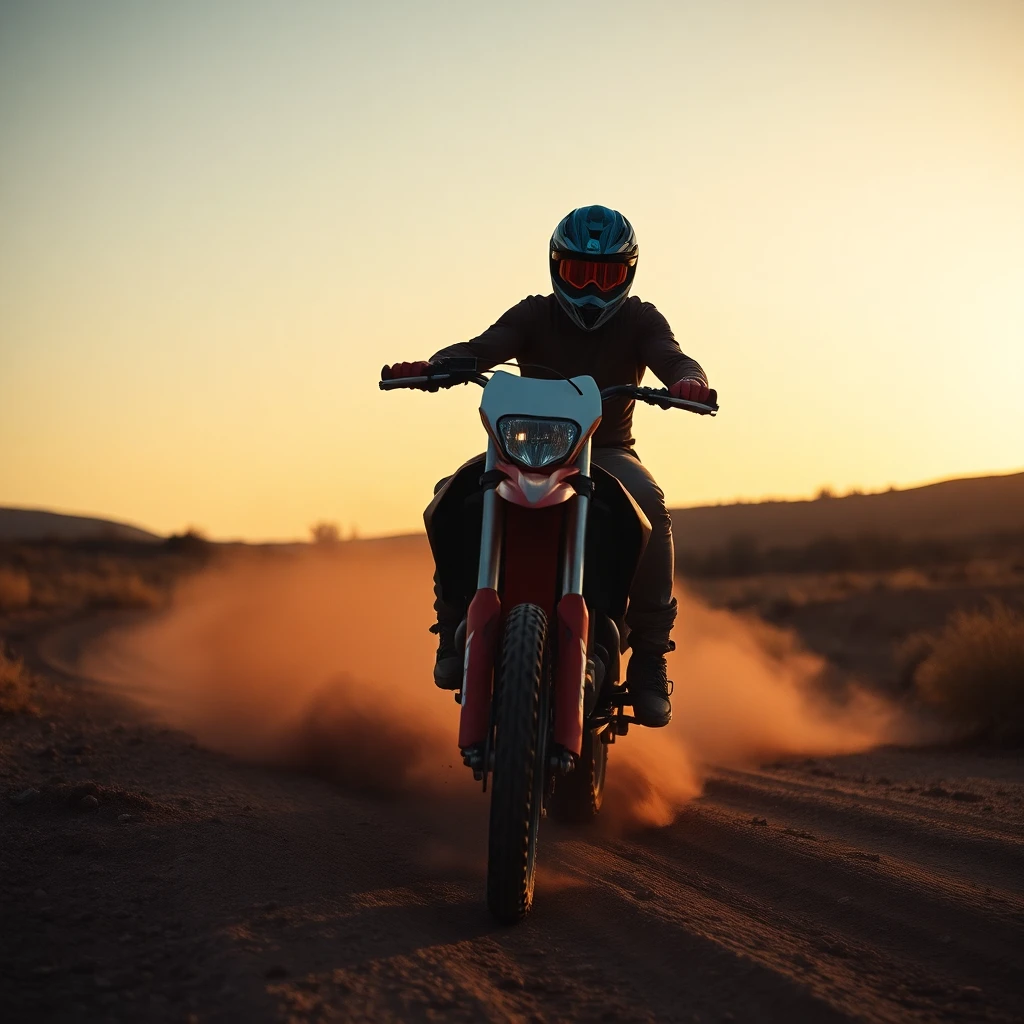
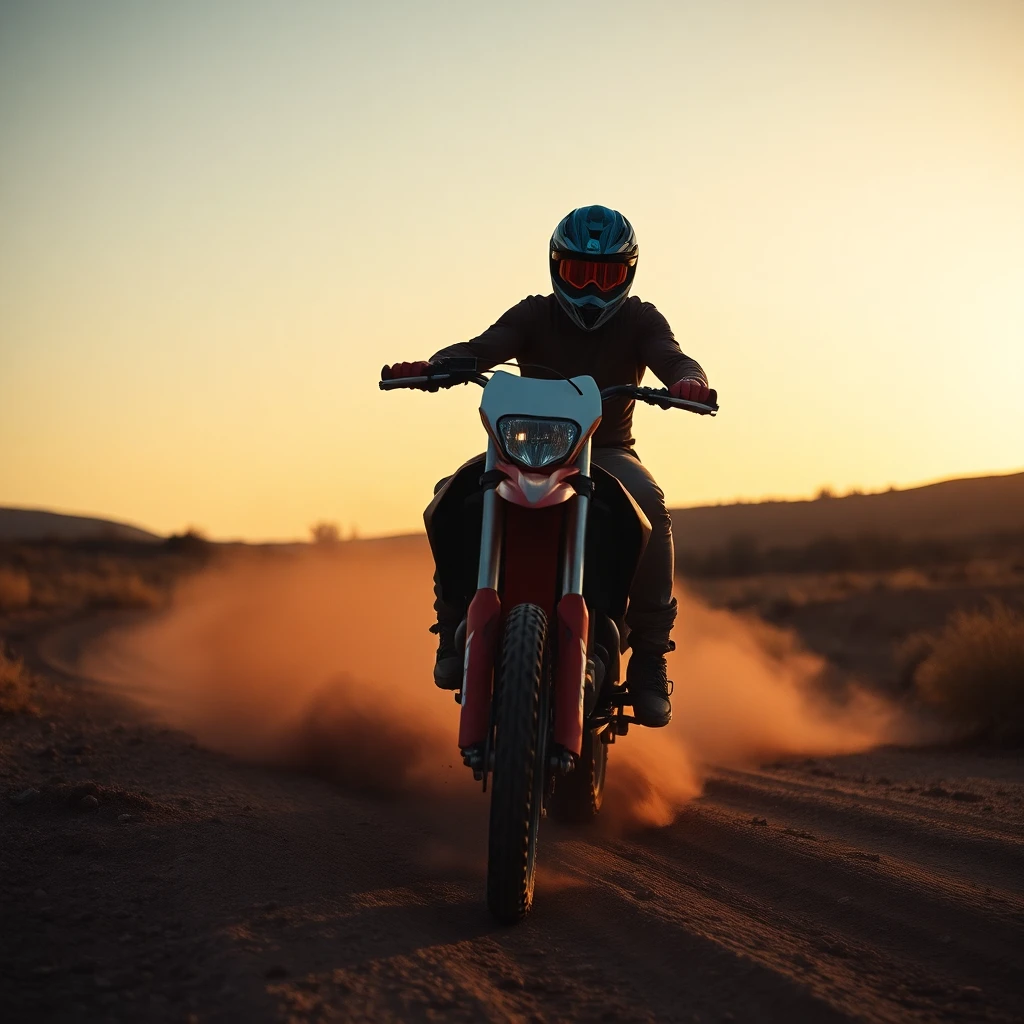
Do you need a license for a dirt bike? The short answer depends heavily on where you plan to ride. Off-road only? In most states, no license is required. Planning to take that bike on public roads? The rules change fast, and the paperwork gets real.
This guide breaks down exactly when a license is required, when it is not, what registration and title documents you actually need, and how to make sure your dirt bike is set up correctly, whether it stays off-road or hits the street.
Expect straight answers on licensing, registration, state-specific rules, and a clear path forward, no matter where you ride.
Do You Need a License for a Dirt Bike on Private or Off-Road Land?
If you are riding strictly on private property or designated off-road trails, a driver’s license is generally not required in most U.S. states. Dirt bikes used purely off-road are classified as off-highway vehicles (OHVs) or off-road vehicles (ORVs) in most jurisdictions, not as street-legal motorcycles.
That said, many states still require an OHV registration or trail permit, even for bikes that never touch a public road. These registrations fund trail maintenance and are enforced on public off-road land such as state parks and OHV areas.
What Is Typically Required for Off-Road-Only Riding?
- OHV registration or trail permit (varies by state)
- Proof of ownership (title or bill of sale)
- Helmet, in many states, regardless of road use
- Minimum age requirements on public OHV trails (often 14-16 years old, depending on the state)
California, for example, requires a California OHV Green Sticker or Red Sticker for off-road use on public land. Many other states have similar programs. Check your state’s OHV agency website for the current rules before you ride.
Does Off-Road Registration Equal a Title?
Not always. Some states issue OHV registrations without providing a proper motor vehicle title. This matters if you ever want to sell the bike or convert it to street use later. If you bought a dirt bike with only a bill of sale and no title, getting a proper title now protects you down the road. Dirt Legal handles exactly this kind of situation, including bill-of-sale and no-title registrations.
Do You Need a License for a Dirt Bike on Public Roads?
Yes. If your dirt bike touches any public road, including a short stretch between trails, you need a valid motorcycle license or endorsement in virtually every state. No exceptions exist for “just crossing the street” or “only for a block.” Law enforcement treats it as operating a motor vehicle on a public roadway.
Ready to register your vehicle?
Join thousands of vehicle owners who use Dirt Legal to handle their registration quickly and legally.
Register Your Vehicle Today → →Beyond the license, your bike must also meet street-legal equipment standards. Most stock dirt bikes do not meet these standards out of the factory. Missing items typically include turn signals, a rearview mirror, a speedometer, proper lighting, and a DOT-approved tire rating.
Street-Legal Conversion: What It Takes
Converting a dirt bike to street-legal status is possible but requires planning. The process involves adding required equipment, passing a state inspection in most states, and obtaining a standard motorcycle title and registration. Some states make this easier than others. Montana, for instance, has a friendlier inspection environment, which is one reason riders often use a Montana LLC registration for powersports vehicles.
For a detailed walkthrough of the conversion process, see this guide on how to make your dirt bike street legal in 2026, which covers equipment checklists, titling steps, and state-by-state notes.
Motorcycle Endorsement vs. Full License
In most states, you do not need a separate standalone motorcycle license. Instead, you add a motorcycle endorsement to your existing driver’s license. This typically requires passing a written knowledge test and a riding skills test. Some states accept completion of an approved motorcycle safety course as a substitute for the riding test. Check your state’s DMV website for exact requirements.
Dirt Bike Title and Registration: Why It Matters Regardless of Licensing
A license covers the rider. A title and registration cover the bike. These are two separate, equally important issues. Even if you ride exclusively off-road and never need a driver’s license to do so, having a proper title protects your ownership of the vehicle and makes it easier to insure, sell, or finance.
Many dirt bikes change hands through private sales with only a bill of sale or a handshake deal. That creates problems when you try to register the bike, get it inspected, or prove you own it. A bonded title or a title through a Montana LLC are two common solutions Dirt Legal uses to resolve these situations.
Montana LLC registration for Dirt Bikes
Montana is one of the most popular states for registering powersport vehicles because it has no sales tax, no emissions testing, and no required inspections for vehicle registration. You do not need to live in Montana to register a vehicle there through an LLC.
This is especially useful for riders who purchased a high-value dirt bike, a dual-sport, or a trail bike out of state and want to title it without paying sales tax in their home state. How the process works is straightforward: Dirt Legal forms a Montana LLC on your behalf, and the LLC owns the vehicle. Registration follows from there.
See the full breakdown of off-road vehicle registration options available through Dirt Legal.
What Happens if You Ride Without Proper Registration?
Riding an unregistered off-road vehicle on public OHV land or public roads can result in fines, impoundment of the bike, and complications with insurance claims if you are ever in an accident. Proper registration protects both you and the bike. It also makes the bike significantly easier to sell at full value down the line.
For more on how title paperwork affects resale and asset value, the guide on classic vehicle title solutions applies the same principles to collector bikes and vehicles.
State-by-State Overview: Licensing and Registration Rules for Dirt Bikes
Rules vary significantly from state to state. The table below gives a general picture across common states. Always verify current rules with your state’s DMV or OHV agency, as regulations change.
| State | License Required (Off-Road Only)? | License Required (Public Road)? | OHV Registration Required? | Street-Legal Conversion Available? |
|---|---|---|---|---|
| California | No | Yes, M1 license | Yes, OHV sticker required | Yes, with smog and inspection |
| Texas | No | Yes, Class M license | No, on private land | Yes, with equipment upgrades |
| Montana | No | Yes, motorcycle endorsement | Required on public land | Yes, favorable environment |
| Colorado | No | Yes, M endorsement | Yes, OHV permit required | Yes, with inspection |
| Florida | No | Yes, motorcycle endorsement | Yes, ORV permit required | Yes, with equipment upgrades |
| Arizona | No | Yes, M endorsement | Yes, OHV decal required | Yes, with equipment and inspection |
Ready to get your dirt bike properly titled and registered without the DMV headaches? Dirt Legal handles the paperwork so you can focus on riding.
See How We Can Help With Your Off-Road Registration →Age Requirements: Do Minors Need a License for a Dirt Bike?
For off-road riding on private property, most states have no minimum age requirement, though parental supervision is strongly recommended. For public OHV land, most states set a minimum age of 14 to 16 years old, and some require a safety course completion card or youth safety certification.
On public roads, minors must meet the same licensing requirements as adults, meaning a valid motorcycle endorsement or license is required regardless of age once the rider meets the minimum licensing age in that state.
Youth Safety Courses and What They Cover
The Motorcycle Safety Foundation (MSF) and many state OHV agencies offer youth-specific dirt bike and off-road riding courses. Completing one of these courses often satisfies the trail permit requirement for minors in states like California and Colorado. These courses cover basic controls, hazard avoidance, and riding etiquette on shared trails.
For general rider safety resources, the motorcycle safety tips for every rider guide from MTMC Foundation is a solid starting point that applies to dirt bike riders of all ages.
Insurance for Minor Riders
Minors riding on private property typically are not required to carry insurance by law, but a homeowner’s or farm policy may cover incidents depending on the circumstances. For any public land riding or street-legal use, insurance is required. Speak with your insurance provider about OHV-specific coverage, as standard auto policies often exclude off-road vehicles.
Frequently Asked Questions About Dirt Bike Licensing and Registration
Do you need a license for a dirt bike on private property?
In most U.S. states, no driver’s license is required to ride a dirt bike on private property. Private land is not subject to motor vehicle licensing laws in the same way public roads are. However, the property owner may set their own rules, and parents or guardians remain responsible for minors. No license does not mean no risk, so proper protective gear is always a smart choice regardless of legal requirements.
Can you ride a dirt bike on the road without a motorcycle license?
No. Operating any motorized vehicle, including a dirt bike, on a public road requires a valid driver’s license with a motorcycle endorsement in every U.S. state. There are no exceptions for short distances or low speeds. Riding without the proper license on public roads can result in fines, vehicle impoundment, and points on your driving record. Make sure your bike also meets all street-legal equipment requirements before taking it on any public road.
What documents do you need to register a dirt bike?
Typical requirements include proof of ownership (a manufacturer’s certificate of origin, a title, or a bill of sale), a completed registration application, payment of applicable fees, and in some states, proof of insurance. If your bike only has a bill of sale and no title, you may need to pursue a bonded title or a title through an alternative registration path. Dirt Legal specializes in exactly these situations and can handle the paperwork for you.
Do you need a title for a dirt bike if it never goes on the road?
Not always required by law, but it is strongly recommended. Without a title, proving ownership is difficult if the bike is stolen, damaged in an accident, or sold later. A titled vehicle is also worth more at resale because the buyer has clear proof of ownership. Many buyers refuse to purchase untitled bikes, which limits your market. Getting a proper title protects your investment even if the bike stays off-road permanently.
Can I register my dirt bike in Montana even if I do not live there?
Yes. Montana allows non-residents to register vehicles through a Montana LLC. The LLC is a legal entity formed in Montana that owns the vehicle on your behalf. This is a fully legal and commonly used approach for motorcycles, powersports, and off-road vehicles. Benefits include no sales tax, no emissions testing, and no required safety inspections for registration purposes. Dirt Legal handles Montana LLC formation and vehicle registration as part of a single service.
What is the difference between an OHV registration and a street-legal motorcycle title?
An OHV registration allows you to ride on designated public off-road land and trails. It does not allow road use and typically does not provide a title in every state. A street-legal motorcycle title is a full motor vehicle title that allows the bike to be registered for road use, insured as a street vehicle, and ridden on public roads with a valid license and endorsement. Converting an OHV-registered bike to street-legal status requires meeting equipment standards and passing a state inspection in most cases.
Are pit bikes subject to the same licensing rules as full-size dirt bikes?
Generally yes, because the legal classification depends on engine displacement and how the vehicle is used, not physical size. A pit bike ridden on public roads is treated the same as any motorcycle under the law. For a deeper look at pit bike specifics, see the guide on are pit bikes legal, which covers registration and street-legal classification in detail.
Do I need insurance for a dirt bike?
For off-road-only use on private property, insurance is typically not required by law. For public OHV land, requirements vary by state. For any road use, liability insurance is required. Even when not legally required, carrying off-road-specific insurance is a wise financial decision. Accidents on trails can result in medical costs, liability claims from other riders, and equipment damage that are expensive without coverage.
Stop guessing about titles, registration, and paperwork. Dirt Legal makes off-road vehicle registration straightforward, affordable, and handled for you.
Start Your Dirt Bike Registration Today, No Hidden Fees →The Bottom Line on Dirt Bike Licensing and Registration
Do you need a license for a dirt bike? Off-road and on private land, the answer is usually no. On public roads, always yes. But licensing is only half the picture. Title and registration protect your ownership, keep you out of legal trouble on public trails, and make your bike worth more when it is time to sell.
Whether you need a basic OHV registration, a full street-legal title, or help sorting out a no-title situation, Dirt Legal handles the complex paperwork so you can spend more time riding and less time at the DMV. Our team works through Montana and South Dakota registration options to find the best path for your bike and your situation.
For riders curious about related registration topics, the guide on street-legal quads covers similar licensing and title questions for ATV and quad riders. And if you are wondering about the broader picture of registering vehicles across state lines, check out what state can I register my vehicle in without living there for a full breakdown of your options.