Your vehicle registration number question comes up constantly, and the confusion is understandable. Most drivers use “registration number” and “plate number” interchangeably without realizing they can mean different things depending on context and state. This guide clears it all up, tells you exactly where to find every number on your registration documents, and explains what each one actually does.
You’ll also learn how these numbers connect to your title, your VIN, and your ability to prove ownership. Solid stuff to know whether you’re buying, selling, renewing, or just trying to make sense of a paperwork pile.
Let’s get into it.
What Is a Vehicle Registration Number?
The term “vehicle registration number” gets used in two different ways, and that’s where most of the confusion starts. In the United States, it most commonly points to one of two things: your license plate number, or a separate registration document number assigned by your state DMV when you register the vehicle.
Neither definition is wrong. They just serve different purposes in the paper trail of vehicle ownership.
The Registration Document Number
When you register a vehicle, your state issues a registration certificate. That document typically carries its own unique identifier, sometimes printed as “Registration Number,” “Document Number,” or “Certificate Number” depending on which state issued it. This number is what ties your paperwork to the DMV’s internal records for your specific vehicle. It’s not printed on your plates. It lives on the paper in your glove box.
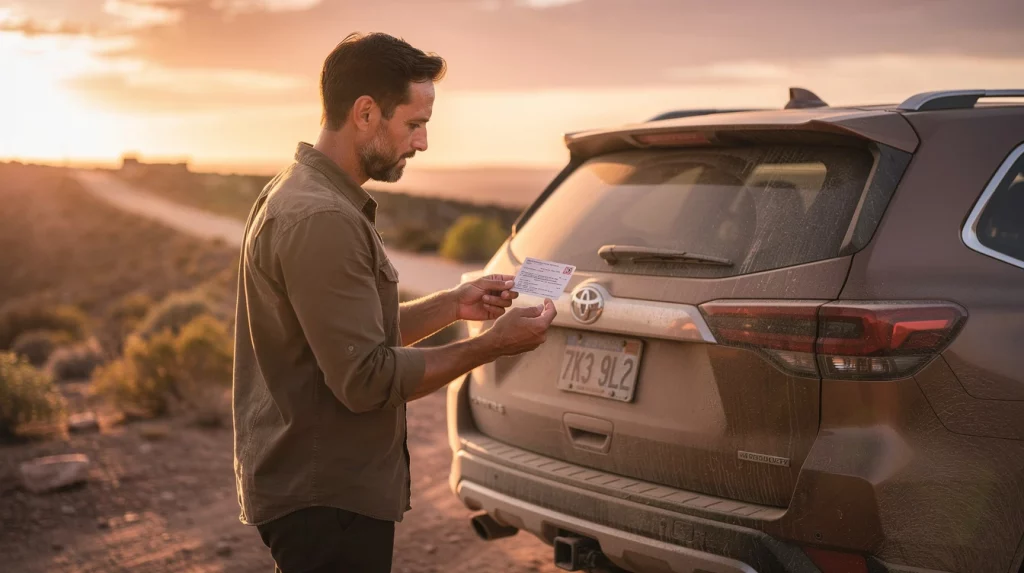
If your state uses this format, you’ll find the number printed near the top of your registration card, often alongside your name, vehicle description, and the date of expiration.
How States Handle the Terminology Differently
Some states, particularly in Europe and in international contexts, use “registration number” to mean the license plate number directly. That’s because in those systems the plate number IS the registration identifier. In the U.S., the two can be the same or separate depending on the state.
California, for example, issues both a document number and a plate number that are distinct. Other states effectively use the plate number as the primary registration reference. Bottom line: check your actual registration card to see what number your state assigns, and look at the field label carefully.
Ready to register your vehicle?
Join thousands of vehicle owners who use Dirt Legal to handle their registration quickly and hassle-free.
Register Your Vehicle Today → →Is Your Registration Number the Same as Your Plate Number?
Sometimes. But not always. Here’s a simple way to think about it.
Your license plate number is the alphanumeric combination physically attached to your vehicle on the plate itself. It’s publicly visible and tied to your vehicle in law enforcement databases. Your registration number, when it appears as a separate field on your registration certificate, is an internal DMV document reference. The two may match in some states, but in others they’re completely different strings of characters.
When They’re the Same
In states where the DMV uses your plate number as the primary key for all registration records, asking for your “registration number” effectively means giving your plate number. If your registration card doesn’t have a separate “document number” or “certificate number” field, that’s a good sign your plate number serves both purposes.
When They’re Different
States with more complex registration systems, like California or New York, assign internal document control numbers that differ from your plate number. These show up when you need to transfer a title, renew online, or dispute a registration issue. Always look for a field specifically labeled “Registration ID,” “Document Number,” or similar, separate from your plate information.
A related document worth understanding is your Vehicle Identification Number (VIN). Your VIN is a 17-character code unique to the vehicle itself, not the registration. It doesn’t change when you get new plates or register in a new state. You can look up VIN details through the NHTSA VIN Lookup tool to check recalls and vehicle history.
You can, however, run a VIN check to get vehicle history information, which is separate from registration data. Using a trusted source matters, especially when you’re trying to verify ownership history, title brands, odometer records, or potential red flags tied to a vehicle. Dirt Legal’s VIN Report tool can help you review important vehicle history details before buying, selling, or starting a title process. Our guide on how to spot a fake vehicle VIN check explains what legitimate VIN reports include and what to watch out for.
Where to Find Your Vehicle Registration Number
You have several places to look, and you’ll want different ones depending on what you’re trying to do. Here’s a quick breakdown of every location where your registration number or plate number appears.
On Your Registration Certificate
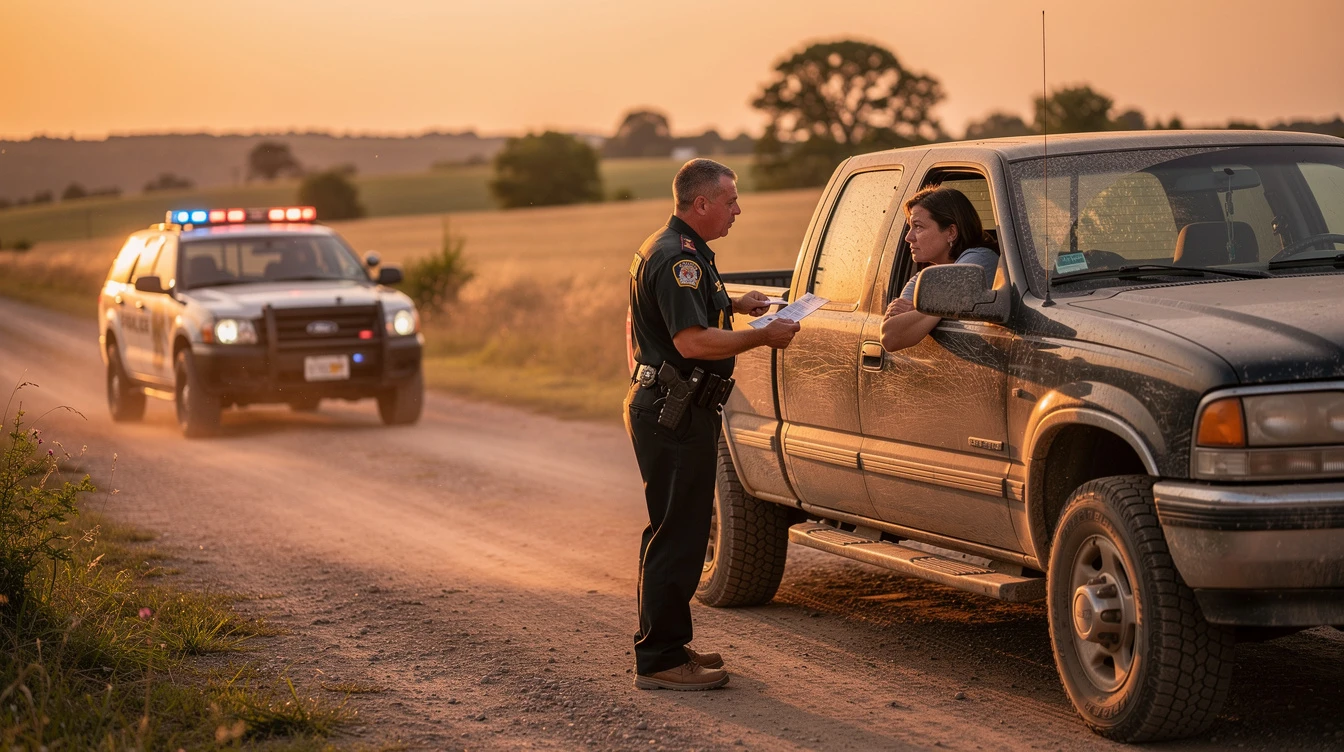
This is the document your state DMV mails to you after you register. It’s typically a single page or card. Look near the top right for a number labeled “Registration Number,” “Document Number,” or “Certificate of Title Number.” Your plate number will also appear here, usually under “License Plate” or “Plate Number.” Keep this document in your glove box. You’ll need it during traffic stops and for vehicle inspection appointments.
On Your License Plate
Your plate number is literally right there on the plate. It’s also printed on your registration sticker in many states. This is the number police use when running your plates through their systems, and it’s what appears in parking enforcement and toll records.
In Your State DMV Online Portal
Most states now have online portals where you can look up your registration by entering your plate number, VIN, or name. If you’ve lost your registration card, this is often the fastest way to get the number you need. States like Montana and South Dakota have online lookup tools through their DMV sites. The Montana Motor Vehicle Division provides registration fee information and document lookup resources directly. For South Dakota, the South Dakota Division of Motor Vehicles handles all vehicle records online.
On Your Title Document
Your vehicle title is a separate document from your registration card, but it contains overlapping information. The title shows your VIN, owner name, and in many states references your registration details. If you’re missing your registration, your title can help verify the information you need. Not sure how titles and registrations relate? The guide on vehicle registration laws and car registration requirements lays it out clearly.

Registration Number vs. Plate Number vs. VIN: A Clear Comparison
These three identifiers get mixed up constantly. This table shows exactly what each one is, where you find it, and what it’s used for.
| Identifier | What It Is | Where to Find It | Primary Use |
|---|---|---|---|
| Registration Number | DMV document reference number (may equal plate number in some states) | Registration certificate (glove box document) | DMV record lookup, renewals, title transfers |
| Plate Number (License Plate) | Alphanumeric ID physically on the plate | License plate, registration card, registration sticker | Law enforcement, tolls, parking enforcement, public ID |
| VIN | 17-character unique vehicle ID assigned at manufacture | Dashboard (driver side), door jamb, title, registration | Vehicle history, recalls, insurance, title transfers |
| Title Number | Unique number on the vehicle title document | Vehicle title document | Ownership verification, lien releases, transfers |
Each number serves a distinct purpose. If someone asks for your “registration number,” ask them to clarify which field they need, especially for formal processes like title transfers or insurance claims.
Not sure if your registration is current or complete? We’ve helped thousands of vehicle owners get their paperwork sorted without a single trip to the DMV.
See How We Can Help With Your Vehicle Registration →Why Your Registration Number Matters More Than You Think
It’s easy to think of your registration as just a sticker you slap on your windshield every year. Honestly, it’s a lot more than that. Your registration is the live proof that your vehicle is authorized for road use in your state, tied to a valid owner, and current on any applicable fees.
Registration and Vehicle Resale Value
A vehicle with lapsed or missing registration is harder to sell and typically fetches less money. Buyers take on perceived risk when registration paperwork is unclear. That risk shows up in their offers. Clean, current registration signals a well-maintained vehicle. Expired or absent registration does the opposite.
The financial reality of letting your registration lapse goes deeper than most people realize. Check out this detailed breakdown of the true cost of letting your registration expire from our sister brand Ride Legal.
Registration and Insurance
Your insurer may require valid registration to process certain claims. If your registration is expired at the time of an accident, some insurers treat it as a coverage issue. It’s one of those details nobody thinks about until they actually need it. The guide on car insurance coverages and what you need to know covers how vehicle status affects your policy in practical terms.
Out-of-State Registration and Your Registration Number
If you’ve moved to a new state and still carry old registration, your plate number and registration number may now be tied to a different state’s records. That mismatch matters. Some owners register their vehicles through a Montana LLC specifically to keep registration simple, avoid emissions testing, and sidestep sales tax on high-value vehicles.
With a Montana LLC vehicle registration, the vehicle is titled and registered in Montana through an LLC you own, regardless of where you physically live. It’s a legitimate approach used by thousands of RV, classic car, and high-value vehicle owners nationwide. The Montana LLC vehicle registration guide on Ride Legal walks through exactly why this approach matters and who it works for.
If you’ve moved states and still have old plates, read up on what happens if you move states and keep your old registration before it becomes a bigger problem.
How to Replace a Lost Registration Card
Lost your registration card and can’t find your registration number? It happens. Here’s how to get it back fast.
Online Replacement
Most states allow you to request a duplicate registration certificate online through your state’s DMV portal. You’ll need your plate number, VIN, or driver’s license number to verify identity. Processing times vary, but many states can mail a replacement within a week. Some offer same-day digital copies.
In-Person at the DMV
Bring your ID, your vehicle’s VIN (found on the dashboard or door jamb), and proof of insurance if required in your state. A replacement registration is typically a low-cost transaction, often under $20, though vehicle registration costs vary by state and vehicle type.
Through a Third-Party Registration Service
If you registered through a service like Dirt Legal, your registration details are on file and we can help you get what you need without standing in line. That’s kind of the whole point of using a service in the first place. We started Dirt Legal because we needed to register our own dirt bikes and there was no easy path to do it. Ten years and thousands of customers later, we handle the DMV paperwork so you don’t have to, for everything from off-road bikes to RVs and high-value vehicles. Here’s more on how the process works.
For context on common mistakes people make when handling registration across state lines, this roundup of the 5 biggest out-of-state registration mistakes is a genuinely useful read.

Frequently Asked Questions
Is my registration number the same as my license plate number?
Not always. In some states, your plate number functions as your primary registration identifier. In others, the DMV assigns a separate document number to your registration certificate that’s different from your plate. Check the field labels on your registration card. If you see a separate “Document Number” or “Certificate Number” field, that’s distinct from your plate number. If no such field exists, your plate number likely serves as the registration reference in your state’s system.
Where exactly is the registration number on my registration card?
It’s typically printed in the upper portion of your registration certificate, near your name and vehicle description. Look for a field labeled “Registration Number,” “Document Number,” “Certificate Number,” or “Registration ID.” Some states print it as a barcode with the number below. If you can’t find it, your state’s DMV online portal can usually look up your registration using your plate number or VIN as a starting point.
What is a VIN and how is it different from a registration number?
Your VIN (Vehicle Identification Number) is a 17-character code assigned to your specific vehicle at the time of manufacture. It never changes regardless of ownership, state of registration, or plate number. Your registration number is tied to a specific registration event in a specific state and changes if you re-register in a new state or renew. The VIN is the permanent identity of the vehicle itself. Registration numbers are administrative identifiers tied to your current registration status. You can verify your VIN through the NHTSA VIN decoder.
Can I register my vehicle in Montana even if I don’t live there?
Yes, through a Montana LLC. Montana allows vehicle owners across the country to form an LLC in the state and register their vehicle under that entity. The vehicle is then titled and registered in Montana, which has no sales tax, no emissions testing requirements, and no vehicle inspections. This approach is popular with RV owners, classic car collectors, and high-value vehicle buyers. You can get started with a Montana LLC registration through Dirt Legal. Montana car registration fees are detailed on the Montana DOJ’s official fee schedule.
What happens if my registration number doesn’t match my plate number in a lookup?
This can happen after a plate change, a state transfer, or a data entry error at the DMV. If your registration number and plate number pull up conflicting records, contact your state DMV immediately. Bring your registration certificate, your title, and your VIN. In some cases, a simple correction request resolves it. In others, you may need to process a re-registration or title correction. Common causes include clerical errors, transferred plates from a previous vehicle, or records that haven’t been updated after an address or ownership change.
Do I need my registration number to renew online?
Usually, yes. Most state DMV online renewal systems prompt you to enter either your plate number, your document number from your registration certificate, or your VIN. Having your registration card on hand before you start the renewal process saves a lot of back-and-forth. If you’ve lost the card, your VIN is typically enough to locate your record in most state portals and proceed with renewal.
What if I bought a vehicle with no registration or title history?
This is more common than most people realize, especially with older vehicles, off-road equipment, or private party purchases. Without a clean title and registration, you may need to pursue a bonded title or a title recovery process before you can get a registration number assigned. Our guide on how to buy a car without a title covers your options. The Ride Legal article on bonded titles and when you need one is also a solid resource if you’re in that situation.
Can I look up someone else’s vehicle registration by plate number?
In most states, basic plate number lookups are restricted to law enforcement and authorized parties under federal privacy law (the Driver’s Privacy Protection Act). Private citizens can’t freely pull full registration records tied to a plate. You can, however, run a VIN check to get vehicle history information, which is separate from registration data. Our guide on how to spot a fake vehicle VIN check explains what legitimate VIN reports include and what to watch out for.
Your Registration Number Is the Paper Backbone of Vehicle Ownership
Your vehicle registration number, whether it matches your plate number or appears as a separate document identifier, connects your vehicle to the official record of who owns it, where it’s registered, and whether it’s current on state requirements. Knowing where to find it, what it covers, and how it differs from your plate number and VIN saves real time when it counts. And if your registration is expired, missing, or tied to the wrong state, that’s a fixable problem. Dirt Legal handles vehicle registration paperwork for owners across the country, without the DMV line, without the confusion, and without hidden fees.
We’ve been doing this since we first tried to register our own dirt bikes and found out there was no easy way. That experience built this company. Now we handle it for you.
Start Your Registration Today, No Hidden Fees