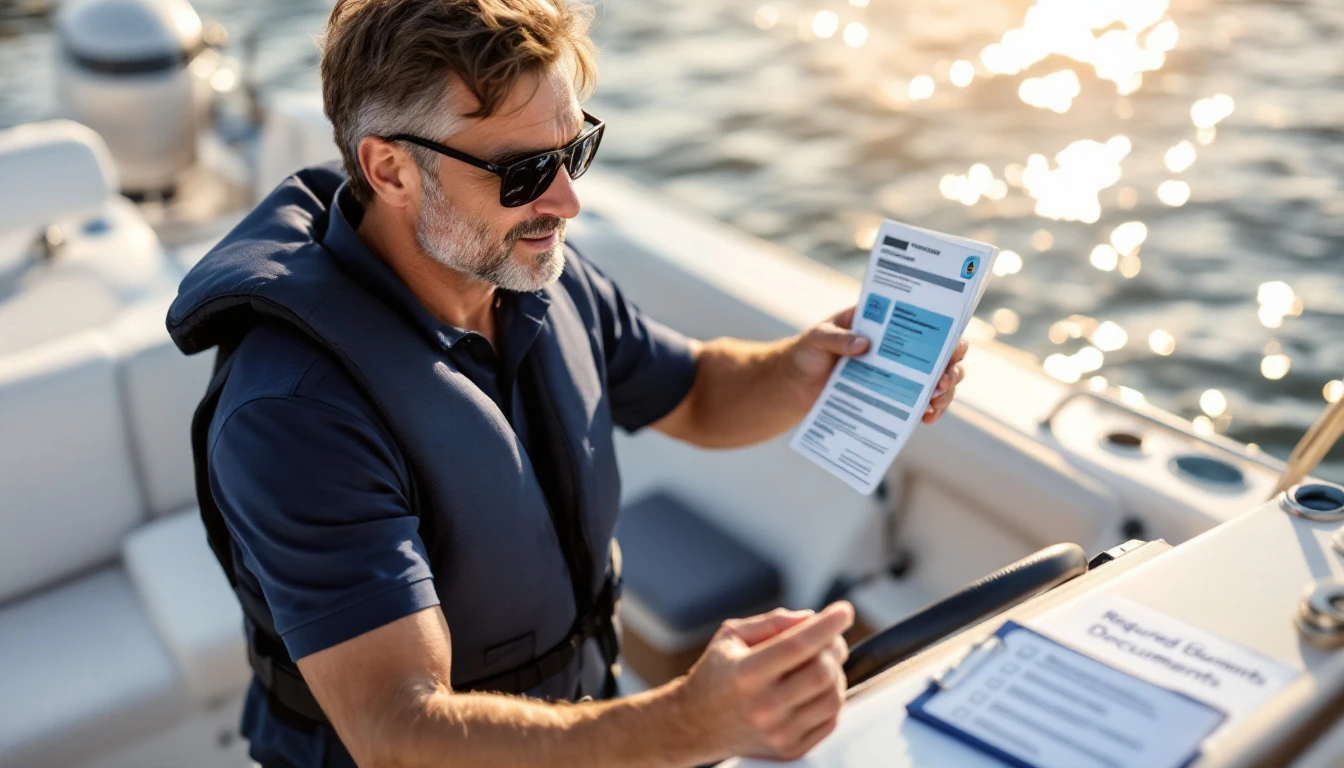
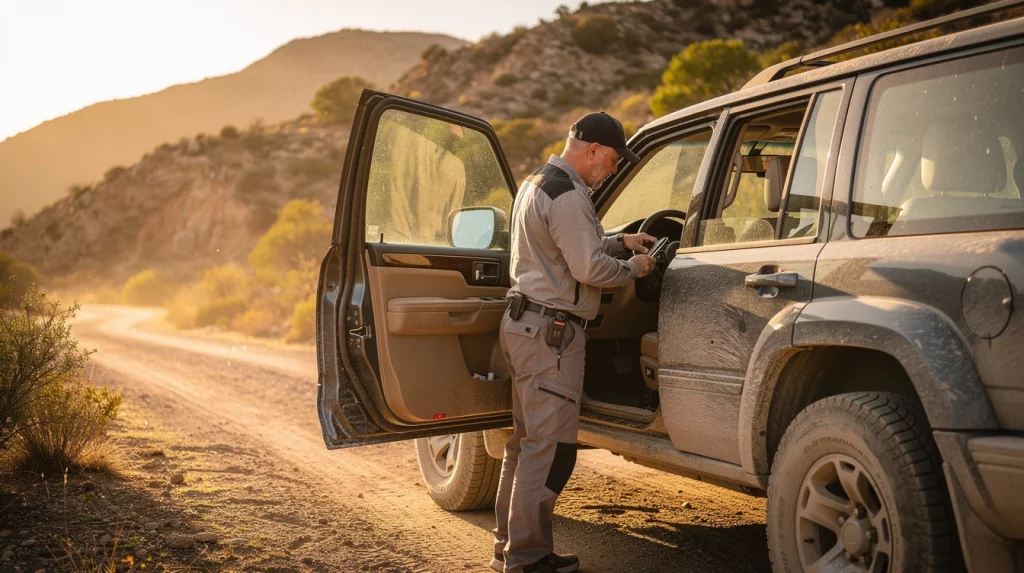
A VIN inspection is one of those steps that catches a lot of vehicle owners off guard. You bought the car, you have a bill of sale, you’re ready to register, and then someone tells you the DMV needs a physical VIN verification before they’ll process your paperwork. What does that actually mean? Who does it? And how much does it slow things down?
This guide answers all of it. We’ll cover exactly what a vehicle VIN inspection involves, which situations require one, who is authorized to perform it, and how it connects to title transfers, out-of-state registrations, and the broader process of getting your vehicle street-legal and properly titled.
Whether you just bought a used car with a bill of sale, purchased a motorcycle out of state, or you’re working through a title issue, here’s what you need to know before you show up at the DMV.
What a VIN Inspection Actually Is
A VIN inspection, also called a vehicle VIN inspection or physical VIN check, is a process where an authorized person physically confirms that the Vehicle Identification Number stamped or attached to a vehicle matches the number on the title and registration paperwork. It’s not a safety inspection. It’s not an emissions test. It’s purely an identity check for the vehicle.
The VIN is a 17-character code unique to every vehicle built after 1981. It appears in multiple locations, most commonly on the driver’s side dashboard (visible through the windshield), the driver’s door jamb, and often on the engine block or frame. During an inspection, the inspector checks that these numbers match, that the VIN plate hasn’t been tampered with, and that the vehicle matches the description on file.
Why Do States Require VIN Inspections?
The short answer: fraud prevention. VIN fraud, where a stolen vehicle gets a legitimate VIN transplanted from a wrecked car, is a real problem. A physical VIN inspection makes it much harder to pass off a stolen or misrepresented vehicle as something it isn’t.
States also use VIN inspections to catch paperwork errors before they turn into title problems down the road. A transposed digit on a title application might seem minor, but it can make a vehicle nearly impossible to sell or register later. Catching it early saves everyone headaches.
What the Inspector Actually Checks
During a typical vehicle VIN inspection, the authorized inspector will check the VIN plate location on the dash, compare it to supporting documents, confirm the plate shows no signs of tampering, and record the VIN in an official report. Some states also require checking the door jamb VIN and confirming the make, model, year, and color match what’s listed on the title or bill of sale.
The process usually takes 10 to 20 minutes. It’s straightforward when everything lines up, but if there’s a discrepancy, you’ll need to resolve it before registration moves forward.
When You Need a VIN Inspection
Not every registration transaction requires a VIN inspection, but several common situations do. Knowing in advance whether your situation falls into one of these categories saves you a wasted trip to the DMV.
Ready to register your vehicle?
Join thousands of vehicle owners who use Dirt Legal to handle their registration quickly and hassle-free.
Register Your Vehicle Today → →Out-of-State Vehicles
Moving to a new state with a vehicle registered elsewhere is one of the most common triggers for a required VIN inspection. Most states want a verified match between the vehicle you’re importing and the title you’re presenting before they issue new plates. This is especially true for vehicles coming from states with different title formats or different VIN recording standards.
If you’re thinking about registering through a Montana LLC vehicle registration, this is worth understanding up front. The Montana process works differently from a standard state-to-state transfer, and in many cases it can sidestep some of the inspection requirements that traditional registration involves. A more complete picture of out-of-state registration pitfalls is covered in The 5 Biggest Out-of-State Registration Mistakes (And How to Avoid Them), which is worth reading before you start any transfer process.
Bill of Sale Vehicles and Missing Titles
Bought a vehicle with just a bill of sale? That’s a common situation, especially with private-party sales of older cars, motorcycles, and off-road equipment. A bill of sale automotive transaction without a proper title typically requires a VIN inspection as part of the process to establish ownership and start a title application. The inspection creates an official record that the vehicle exists, matches the description, and is physically present.
The same logic applies to a bill of sale motorcycle purchase. Motorcycles are high-theft targets, so many states are especially strict about VIN verification when a title isn’t present.
Bonded Titles and Title Recovery
If you’re pursuing a bonded title because the original title is lost or the chain of ownership is unclear, a VIN inspection is almost always required. The inspection report serves as official documentation that the vehicle exists and matches your claim of ownership. Without it, the bonded title application typically can’t move forward.
If you’ve got a motorcycle with no title, the process is specific and worth knowing in detail. Have a Motorcycle With No Title? Here’s How to Get One walks through the full path from no documentation to a clean title.

Who Can Perform a VIN Inspection
Who is authorized to perform a VIN inspection varies by state. This is one area where you really do need to check your specific state’s rules, because what counts as a valid inspection in one state might not be accepted in another.
Law Enforcement Officers
In most states, a sworn law enforcement officer, typically a state trooper, county sheriff’s deputy, or local police officer, can perform a VIN inspection. Many people start here because it’s free or low-cost. The downside is scheduling. You often have to go to them, and in rural areas that means driving to a specific location or waiting for an appointment.
Licensed Dealers and DMV Agents
Some states authorize licensed vehicle dealers to perform VIN inspections, usually as part of the sales process. DMV agents and certified title clerks are also authorized in many states. These options are often faster if you’re already working through a dealer transaction, but they’re not always available for private-party sales.
State-Specific Authorized Inspectors
A handful of states have created a separate category of authorized VIN inspectors, often including auto repair shops, vehicle inspection stations, or independent agents certified by the state motor vehicle division. California, for example, has a specific VIN verification process handled through licensed inspection stations. Montana has its own process handled through the county treasurer’s office.
If you’re registering in Montana, the Montana Motor Vehicle Division outlines exactly which inspectors are recognized and what documentation they need to produce.
VIN Inspection Requirements by Situation
| Situation | VIN Inspection Required? | Who Typically Performs It | Notes |
|---|---|---|---|
| Standard in-state registration renewal | No | N/A | Only paperwork required |
| Out-of-state title transfer | Usually yes | Law enforcement, DMV agent | Varies by state; often required before new plates issued |
| Bill of sale vehicle (no title) | Yes | Law enforcement, certified inspector | Required to start title application in most states |
| Bonded title application | Yes | Law enforcement, state inspector | Inspection report typically required with application |
| Salvage title rebuild | Yes | State-certified inspector | Often includes a separate rebuilt inspection |
| Montana LLC registration | Often not required | N/A for LLC route | One reason the Montana LLC path appeals to many owners |
| Imported vehicle (Canada to US) | Yes | Customs, state DMV | Required as part of import compliance process |
How VIN Inspections Connect to Title Transfers and Registration
A VIN inspection is rarely a standalone step. It almost always feeds into a larger process, typically a DMV title transfer, a new registration application, or a bonded title filing. Understanding how these pieces fit together helps you avoid making multiple trips and missing documents.
The DMV Title Transfer Process
When you buy a vehicle and need to transfer the title into your name, you’ll typically submit a signed title from the seller, proof of insurance, a completed application form, and any required VIN inspection report. The DMV matches all of these against their records before issuing a new title in your name.
If the vehicle came from out of state, the VIN inspection confirms the vehicle physically matches what the out-of-state title describes. That confirmation is what gives the DMV confidence to issue a new title. Skipping it, or submitting an inspection from an unauthorized source, typically results in the application being rejected.
Montana LLC Registration and VIN Requirements
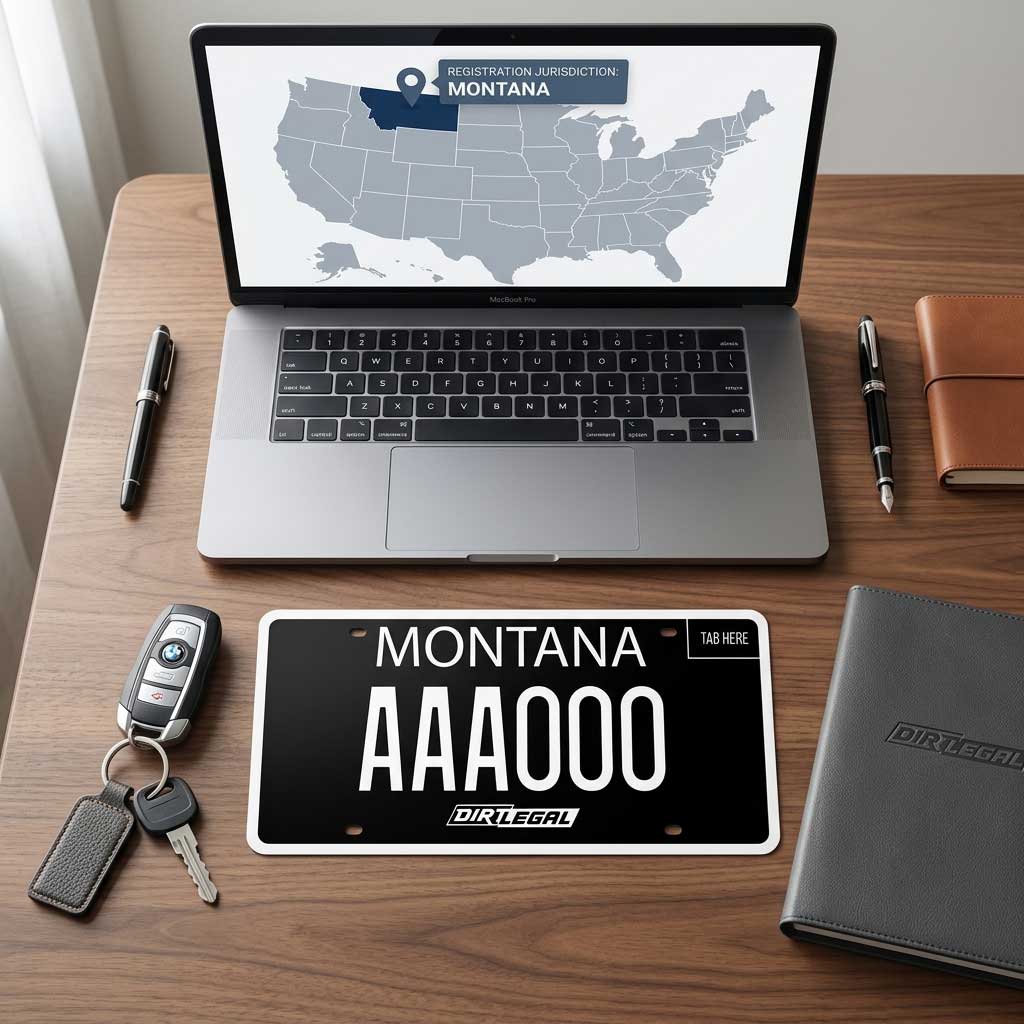
One reason many vehicle owners register through a Montana LLC is that the process often bypasses the VIN inspection requirement entirely. Montana doesn’t require an emissions test or a physical inspection for vehicles registered through an LLC. That’s a genuine advantage for owners of high-value vehicles, classic cars, or specialty vehicles where getting a physical inspection done in another state would be complicated or expensive.
You can find a full breakdown of how this works through our vehicle registration service, or look at the perks in more detail in Hidden Perks of a Montana License Plate: A Tax-Saving Edge.
For RV owners, the appeal is similar. Why riders choose Montana LLC registration for RVs explains how the process works for large recreational vehicles where inspection logistics can be particularly difficult.
What Happens After the Inspection
Once the VIN inspection is complete, the inspector completes a state-specific form, which you then include with your title application or registration paperwork. The form typically includes the inspector’s credentials, the date, the vehicle’s VIN, make, model, year, and a statement confirming there were no signs of tampering.
Keep copies of everything. If there’s ever a question about your vehicle’s history, that inspection form is part of your paper trail. It also helps with auto title replacement down the road if your title is ever lost or damaged.
Walking into a VIN inspection without the right documents wastes everyone’s time. Here’s what to bring and what to do beforehand so the whole thing goes smoothly.
Documents to Bring
- The existing title (if you have one) or a bill of sale for bill of sale car transactions
- Your government-issued ID or driver’s license
- Any prior registration documents
- Proof of insurance (some states require this at inspection)
- The completed state inspection form, if your state requires you to bring it pre-filled
Before You Go
Run a VIN check before your inspection appointment. If there’s a discrepancy between the VIN on the vehicle and the VIN in your documents, you want to find it before the inspector does. The NHTSA VIN decoder is a free tool that lets you verify the VIN against federal records and check for any open recalls. For a more complete vehicle history and registration overview, visit the Dirt Legal VIN report page.
Also check our guide on How to Spot a Fake Vehicle VIN Check: Protect Your Investment, which covers what a legitimate VIN check report looks like and how to identify red flags before you buy or register.
Make sure the vehicle is clean enough for the inspector to read the VIN clearly. A VIN obscured by dirt or paint can create unnecessary delays.
After the Inspection
Once you have your completed inspection form, submit it as part of your full title and registration package. Don’t let it sit, because most inspection reports have an expiration date, typically 30 to 90 days depending on the state. Check your state’s specific rules so you don’t have to repeat the process.
VIN Inspection FAQ
How much does a VIN inspection cost?
It depends on who performs it and where you are. Law enforcement inspections are often free or cost a few dollars for the official form. Licensed inspection stations typically charge between $10 and $50. Some states have a flat DMV fee built into the registration process. Vehicle registration costs vary by state, so check your state’s DMV website for the most current fee schedule.
Can I fail a VIN inspection?
Not in the pass/fail sense of an emissions test. A VIN inspection is more of a verification. If everything matches, the inspector completes the report and you move forward. If there’s a discrepancy, the inspector notes it and you’ll need to resolve it, typically by correcting the paperwork or providing additional documentation, before registration can proceed. A mismatch doesn’t automatically mean fraud; clerical errors are common and usually fixable.
Do motorcycles require a VIN inspection?
Yes, in most states, especially for out-of-state transfers and bill of sale motorcycle purchases. Motorcycles are a high-theft category, so states tend to be thorough about VIN verification. The location of the VIN on a motorcycle is typically on the steering head or frame, and it should match the number on the title and any prior registration documents.
Does Montana require a VIN inspection for LLC registration?
Montana’s LLC registration process generally does not require a physical VIN inspection the way a standard in-state DMV transfer would. That’s one of the practical advantages of registering through a Montana LLC. The Montana Motor Vehicle Division handles the specifics, and the process is managed through the county treasurer system. Dirt Legal handles all of this paperwork on your behalf.
What if the VIN on my vehicle doesn’t match the title?
First, don’t panic. Transposed digits are surprisingly common and often the result of a clerical error by a previous DMV office or dealership. You’ll typically need to submit an affidavit, the original title, and documentation supporting the correct VIN, such as the manufacturer’s certificate of origin or a prior registration in the correct name. In some cases, the state will issue a corrected title. In others, you may need to pursue a bonded title route.
Can I get a VIN inspection on a salvage vehicle?
Yes, but salvage vehicle inspections are more involved than standard VIN verifications. Most states require a separate rebuilt or salvage inspection that checks not just the VIN but also the vehicle’s safety and structural condition. The VIN inspection happens alongside that process and confirms the identity of the vehicle before the rebuilt title is issued.
What is a VIN check versus a VIN inspection?
A VIN check is a records search done online, typically through a service or government database, that shows the vehicle’s history including prior ownership, accident reports, odometer readings, and title status. A VIN inspection is a physical, in-person verification of the number on the vehicle itself. Both serve different purposes and both can be important when buying or registering a used vehicle.
How long does a VIN inspection take?
The physical inspection itself usually takes 10 to 20 minutes. Getting an appointment with law enforcement or a DMV agent can take longer depending on your location and availability. Planning ahead and scheduling the inspection before you need the paperwork submitted helps avoid delays in your registration timeline.
Ready to Register Without the DMV Hassle?
A VIN inspection is just one piece of the vehicle registration puzzle. When everything lines up, it’s a quick step. When it doesn’t, it can hold up your entire title transfer or registration application for weeks. The best way to avoid surprises is to know what’s required before you start, have your documents in order, and work with a service that handles the complex paperwork for you.
That’s exactly what Dirt Legal does. We handle the DMV so you don’t have to, whether you’re registering a new purchase, working through a title transfer, or setting up a Montana LLC registration for a vehicle you want to protect from sales tax and inspection requirements. Check out how the process works and see which option fits your situation best.
VIN inspections are a standard part of the vehicle ownership process, but they don’t have to be the thing that slows you down. Get the right information, prep your documents, and move forward with confidence.