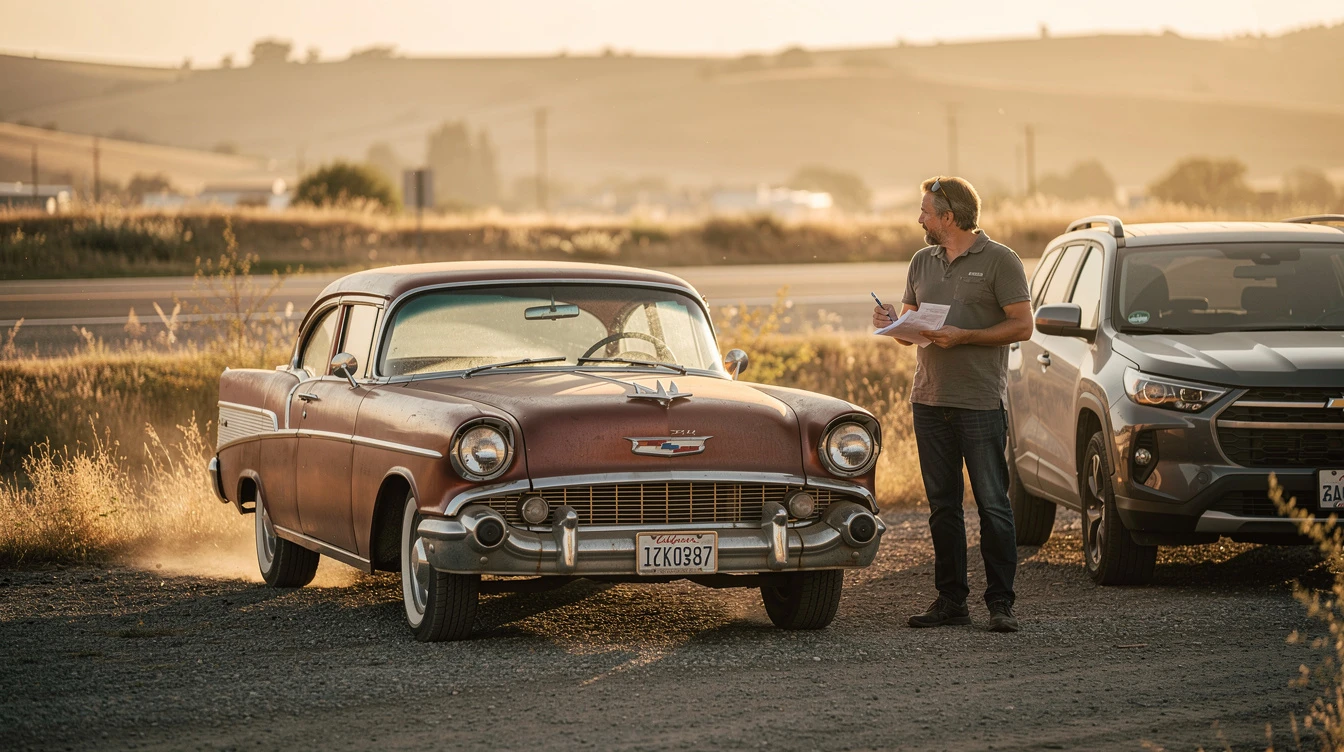
An Antique Car Does Not Need to Be Registered as an Antique
You are not required to register your vehicle as an antique even if it meets the age requirements set by your state. While many owners opt for special antique or historical plates for lower fees or modified emissions rules, you can maintain standard registration for your classic vehicle if you prefer.
Choosing a standard registration allows you to drive your car without the mileage limitations or restricted usage guidelines that often accompany specialty plates. It remains a personal choice based on how you intend to use your vehicle, your local tax structure, and your insurance needs.
Benefits of Antique or Historical Registration

Many vehicle owners pursue antique registration because it typically lowers annual fees and removes the burden of mandatory emissions testing. These programs are designed to reward the preservation of automotive history, making it cheaper to keep a garage-kept classic on the road.
Ready to register your vehicle?
Join thousands of vehicle owners who use Dirt Legal to handle their registration quickly and hassle-free.
Register Your Vehicle Today → →Lower Annual Registration Costs
States often view antique vehicles as non-daily drivers, leading to reduced registration costs. These cars see significantly less time on public roads, which justifies the lower financial barrier for keeping them compliant. If you are looking for ways to manage costs, checking our pricing page can help you compare common registration options.
Exemption from Modern Testing Requirements
Modern vehicles must undergo rigorous emissions inspections to remain on the road, but antique cars are usually exempt from these rules. Since older engines operate differently, they are often granted grace, provided they are maintained as hobbyist vehicles. Our QC team resolves 54.8% of document issues without needing to contact the owner, helping keep the process moving (internal data, rolling last 90 days, n=84).
Drawbacks of Antique Plate Limitations
The trade-off for lower fees is usually a set of restrictive rules that dictate when and where you can drive. Most states mandate that antique-plated vehicles are used strictly for car shows, club activities, or limited pleasure driving, which can complicate simple errands.
Restricted Daily Usage
If you plan to use your classic car for your daily commute, antique plates will likely violate the state’s terms. Law enforcement may pull you over if they spot a vehicle with antique plates in a standard commuting lane during rush hour, leading to potential fines or the forced revocation of those special plates.
Mileage and Purpose Caps
Many jurisdictions impose annual mileage caps or require you to prove your vehicle is primarily for exhibition. These rules vary by state, so it is vital to research your local MVD guidelines. For those needing a more flexible ownership experience, exploring how to register your vehicle through a Montana LLC can be a helpful alternative.
| Registration Type | Primary Benefit | Key Limitation |
|---|---|---|
| Standard Plate | No usage restrictions | Standard annual fees |
| Antique/Historical | Reduced annual costs | Limited usage/mileage |
| Montana LLC | No sales tax, no emissions | Requires LLC structure |
Deciding Between Standard and Antique Plates

If you are struggling to decide, look at your long-term plans for the vehicle. If the car is a weekend cruiser that rarely leaves the garage, antique status is likely the better financial move. However, for a vehicle that sees the road often, standard registration provides the freedom you need.
Insurance Considerations
Antique insurance policies often mandate that the car has an antique registration. If you decide against antique plates, you may find that your insurance premiums increase because your vehicle is no longer classified as a collector item by your provider. Always check with your insurance agent before making a final decision.
The Role of Paperwork
Whether you choose antique plates or standard ones, you still need proper title documentation. Many owners find that the process of obtaining a new title for a car that has been sitting for years is the hardest part. If you are dealing with a title issue, learning about what makes a vehicle title invalid can save you massive amounts of time.
Frequently Asked Questions
Do I have to register my car as an antique?
No, registering as an antique is entirely optional. It is a classification you may choose to take advantage of lower fees and emissions exemptions, but you can keep a standard plate if you prefer to use the car without restrictions.
Can I drive my antique-plated car every day?
Most states have laws that restrict antique-plated vehicles to exhibition, club meets, and limited pleasure use. Driving them as a daily driver often violates these statutes, which could lead to legal issues or revocation of the special status.
Does Montana LLC registration work for antique cars?
Yes, many collectors choose to register their cars, including antiques, through a Montana LLC to benefit from the lack of sales tax and emissions testing. It is a great way to handle multiple vehicles under one corporate entity.
What if I lose my title?
Losing your title is a common issue for older vehicles. You will need to apply for a duplicate or bonded title to prove ownership before you can register the car in any category, including antique. Getting the paperwork right the first time is essential to avoiding delays.
How do I find out my state’s antique age requirement?
You can find this information on your state’s Motor Vehicle Division website. Most states set the threshold at 25 or 30 years, but this varies wildly, so it is best to check the official documentation for your specific region.
Registering an antique car is a matter of weighing your desire for lower costs against your need for flexible driving privileges. Whether you choose the antique route or standard registration, make sure your documentation is correct to avoid future headaches.