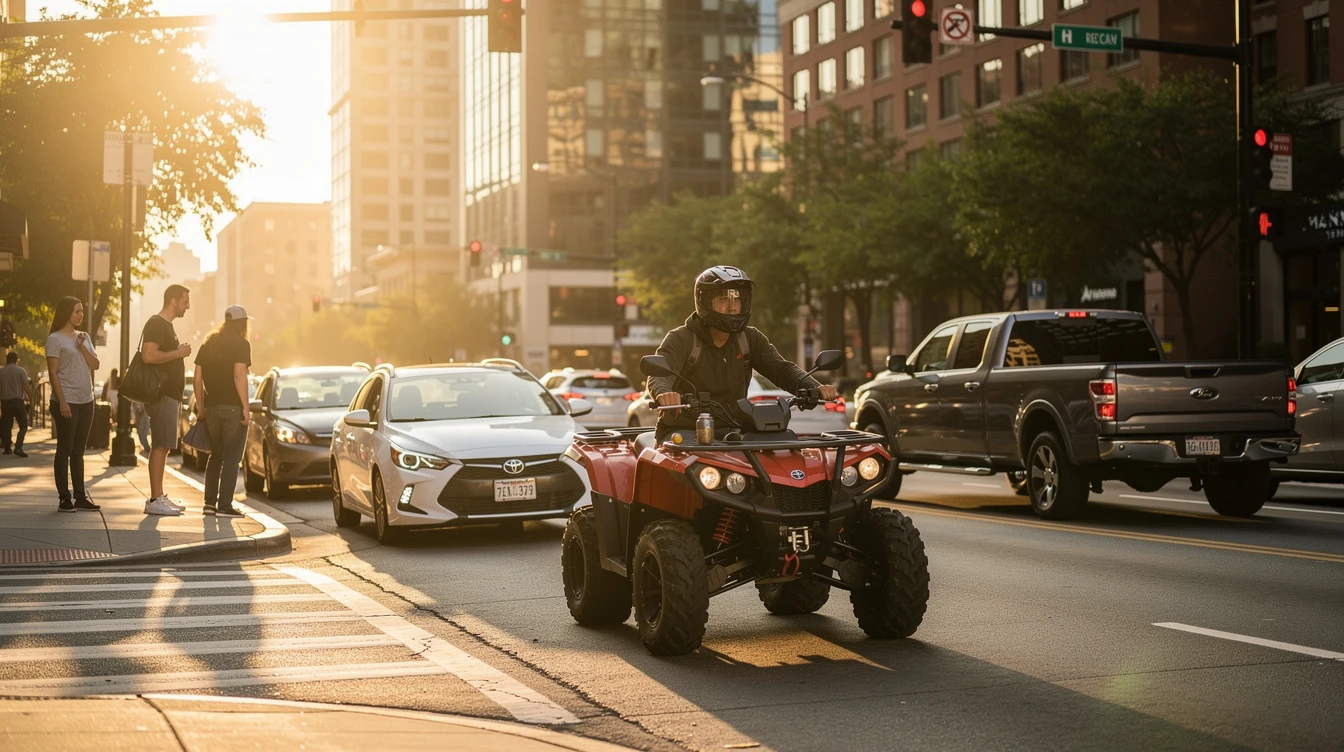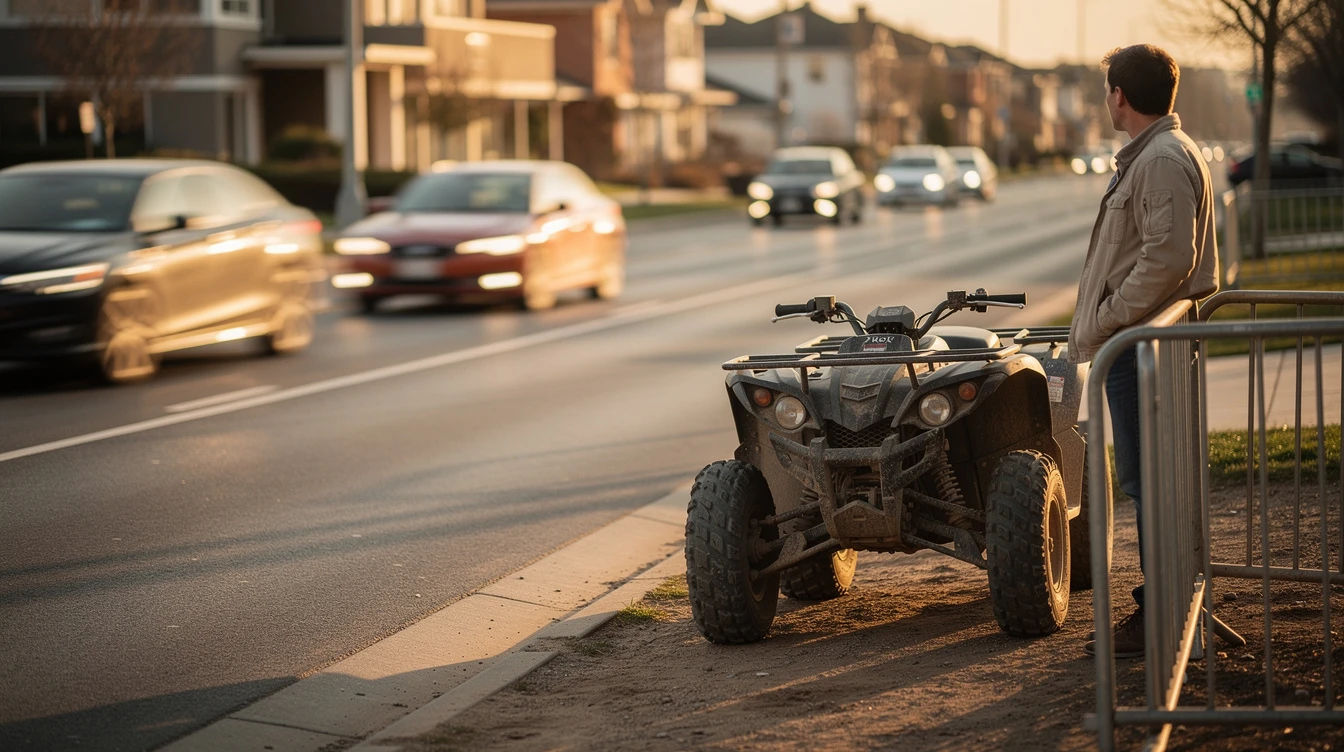
In most states, ATVs are not allowed on city streets unless they have been modified to meet specific equipment standards and have received proper registration as street-legal vehicles. Simply owning an off-road vehicle does not grant you the right to ride on public thoroughfares, as standard registration for these machines is typically restricted to off-road use only.
Many riders mistakenly believe that their state title allows for public road use, but the reality is that most states require specific lighting, mirrors, and safety equipment to change the vehicle’s status. If you are looking to ride on public roads, you must make sure your machine meets the requirements for a street-legal conversion, which often involves working with an agency that provides registration assistance to work through the rules of different jurisdictions.
The process of becoming compliant varies wildly from one state to another. For example, some states allow UTVs and ATVs on secondary roads with speed limits below a certain threshold, while others strictly forbid them on all paved surfaces. Understanding your local laws is the first step before you even consider turning a key on the asphalt.
How Can I Make My ATV Street-Legal?
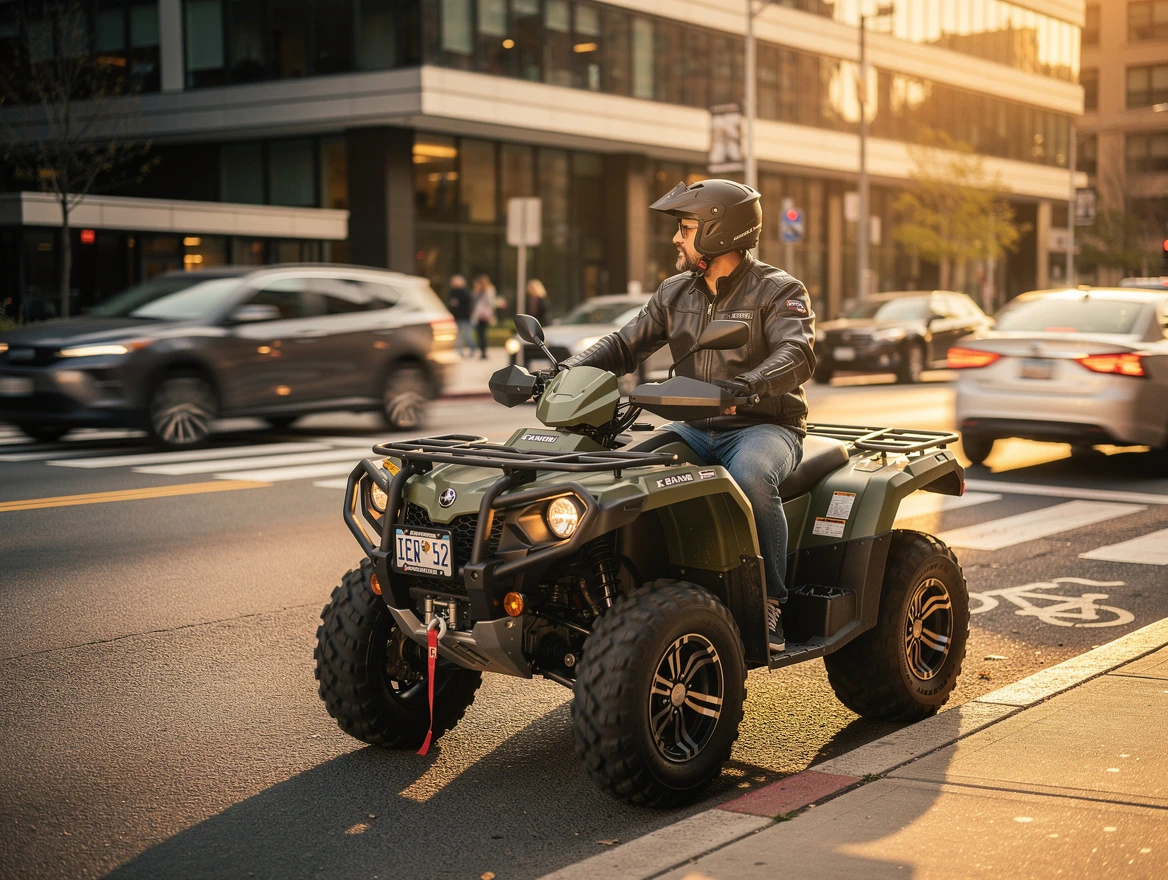
Making your ATV street-legal usually requires installing specific equipment like DOT-approved tires, turn signals, brake lights, a horn, and a license plate mount. Once your vehicle is outfitted with the necessary safety hardware, you must then satisfy the registration requirements of a state that recognizes these modified vehicles as road-worthy.
Ready to register your vehicle?
Join thousands of vehicle owners who use Dirt Legal to handle their registration quickly.
Register Your Vehicle Today →Many enthusiasts look to Montana LLC registration to help with this process. By forming a business entity to hold the title, you can work with registration specialists to handle the complex paperwork required for out-of-state assets, providing a path to registration that does not involve local DMV visits for the titling process.
What Equipment Do I Need for Street-Legal Conversion?
To operate on public roads, your vehicle must typically feature hardware that satisfies standard automotive safety codes. While individual state requirements change, the following components are almost universally required for a successful conversion:
- DOT-approved tires with the correct speed rating for road use.
- Functioning turn signals visible from the front and back.
- Brake lights that clarify upon pedal or lever activation.
- High and low beam headlights with appropriate aim.
- Side and rearview mirrors to make sure visibility.
- A horn that is clearly audible at a distance.
- A license plate mount with a dedicated light.
Comparison of Registration Options
| Service Level | Registration Path | Best For |
|---|---|---|
| Local DMV | Traditional | Standard passenger cars |
| Montana LLC | Asset Protection | ATVs, UTVs, and high-value vehicles |
| Private Service | Remote Paperwork | Street-legal conversions |
We have supported thousands of owners through these specific needs. Dirt Legal has helped 80,000+ vehicle orders to date (internal data, lifetime through current month, n=5,759). This depth of experience allows us to provide paperwork support that keeps your registration process efficient.
Are There Specific States That Are Better for Registration?
Some states offer more flexibility for owners who want to ride on public roads. These regions often have established processes for titling and registering modified powersports equipment, making them popular choices for enthusiasts across the country.
For example, if you are looking to title a vehicle that lacks a traditional street-legal status in your home state, exploring Montana registration might be an effective strategy. You can find more details in our guide on how to register a car in Montana without living there. This method allows owners to manage their vehicle documents through a Montana LLC, which simplifies the process for those with multiple vehicles or specialized off-road equipment.
What Are the Risks of Riding an Illegal ATV on Streets?
Riding a non-compliant ATV on public roads can lead to heavy fines, impoundment of your vehicle, and even legal citations for operating an unregistered motor vehicle. Police departments and local authorities are trained to spot ATVs that lack proper plates, and the consequences often extend beyond a simple warning.
In addition to legal trouble, you face significant liability issues if you are involved in an accident. If your vehicle is not registered for road use, your insurance policy may refuse to cover damages or injuries, leaving you personally responsible for all financial outcomes. Always make sure your status is confirmed and compliant before entering public traffic.
Can I ride my ATV on highways?
Generally, no. Most states explicitly prohibit ATVs from riding on highways, interstates, or high-speed limited-access roads. Even if your machine is registered and plated for road use, it must still meet specific speed capabilities to safely work through highways, and most ATVs do not reach these requirements.
What is the most common reason registration paperwork is rejected?
The most frequent reason paperwork comes back for correction is related to Odometer compliance.
Do I need a special driver’s license for a street-legal ATV?
In many states, you need a standard driver’s license to operate any vehicle on public roads, regardless of whether it is an ATV or a motorcycle. Some jurisdictions might require a motorcycle endorsement depending on the vehicle’s specific classification, so verify this with your local transportation agency before hitting the road.
Can I use a bill of sale to register an ATV?
A bill of sale is typically just one part of the registration process. To title an ATV, you almost always need a certificate of origin or a previous title. If you are missing these, you may need to look into a bonded title process, which we can provide guidance on to help you get your paperwork in order.
Will my registration from another state be accepted?
Registration reciprocity is not guaranteed for modified off-road vehicles. While some states acknowledge out-of-state plates for standard vehicles, authorities may still pull over modified ATVs to verify if they meet the specific street-legal equipment requirements of their own jurisdiction. Always carry your paperwork and make sure your modifications are enough to pass inspection.
Start Your Registration Today