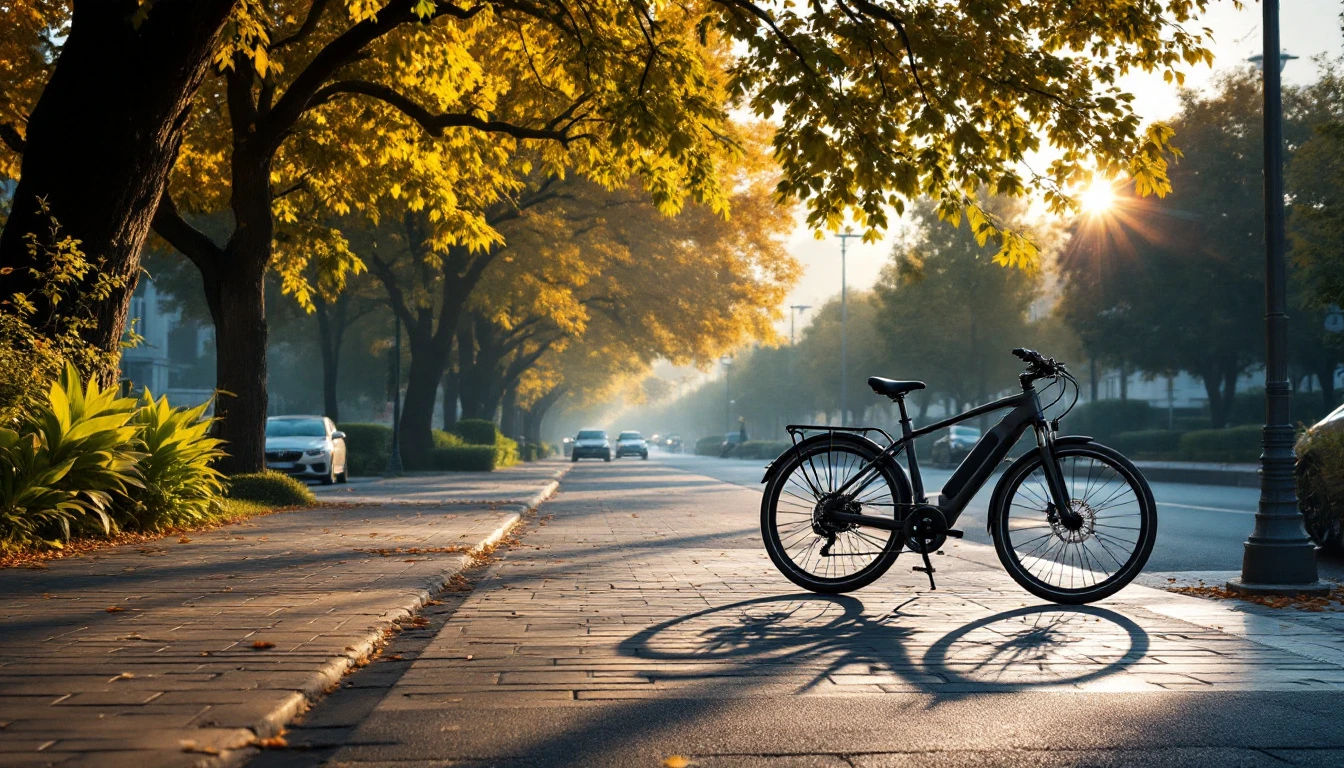
E-bikes are street-legal in most U.S. states, but the rules depend heavily on the bike’s class, motor wattage, top speed, and where you plan to ride. Understanding which category your e-bike falls into is the first step to riding compliantly anywhere in the country.
What Are the Federal E-Bike Classifications That Determine Legality?
The federal government defines three e-bike classes based on motor power and speed, and most states have adopted this framework. Knowing your class tells you where you can ride and what, if any, registration or licensing is required.
- Class 1: Pedal-assist only, motor cuts off at 20 mph. Allowed on most bike paths and trails.
- Class 2: Throttle-assisted, top speed 20 mph. Typically allowed on bike lanes and roads.
- Class 3: Pedal-assist, motor cuts off at 28 mph. Often restricted from multi-use trails; treated more like a moped in some states.
Bikes with motors exceeding 750W or top speeds above 28 mph typically fall outside the federal e-bike definition entirely. Those may be classified as mopeds or motorcycles, requiring registration, insurance, and a motorcycle endorsement.
If your setup is borderline, it’s worth checking out Are Pit Bikes Street Legal? for a parallel look at how motor-assisted two-wheelers get classified for road use.
Do E-Bikes Require Registration, License, or Insurance?
For Class 1, 2, and 3 e-bikes, most states require no registration, no driver’s license, and no insurance. That’s the short answer. But state-level exceptions exist, and a few states treat Class 3 bikes more like motor vehicles.
Ready to register your vehicle?
Join thousands of vehicle owners who use Dirt Legal to handle their registration quickly.
Register Your Vehicle Today → →| State | Registration Required? | License Required? | Age Restriction |
|---|---|---|---|
| California | No | No | 16+ for Class 3 |
| Montana | No (Class 1-3) | No | None specified |
| Florida | No | No | 16+ for Class 3 |
| New York | No | No | 16+ minimum |
| Texas | No | No | 15+ for all classes |
| Alabama | No | No | 16+ |
Some states treat overpowered e-bikes the same as mopeds or motorcycles. At that point, you’re looking at a DMV title transfer and standard vehicle registration. Montana, for example, doesn’t require registration for standard e-bikes, though the state does have clear rules for higher-powered two-wheelers through the Montana Motor Vehicle Division.
Where Can You Legally Ride an E-Bike?
E-bike access depends almost entirely on classification. Most Class 1 and 2 bikes are welcome on bike paths, lanes, and roads where regular bicycles go. Class 3 bikes face more restrictions, particularly on shared-use trails and paths with posted speed limits below 28 mph.
- Public roads: All three classes are typically allowed where bicycles are permitted.
- Bike lanes: Class 1 and 2 generally allowed; Class 3 sometimes restricted.
- Multi-use trails: Class 1 often allowed; Class 2 and 3 vary by local ordinance.
- National Parks: Treated as regular bikes on designated paths, per federal rule (2020).
- Private property / off-road: No restrictions apply from a registration standpoint.
If you’re also interested in how other off-road vehicles get classified for road use, our guide on UTV Street Legal States covers which states allow side-by-sides on public roads, which is a useful reference for anyone managing multiple recreational vehicles.
Are E-Bikes Street Legal on Highways and High-Speed Roads?
Generally, no. E-bikes are not permitted on interstate highways or high-speed roadways in virtually any state. The same rules that apply to bicycles apply to e-bikes: if a road prohibits non-motorized vehicles, e-bikes are typically excluded too.
Class 3 e-bikes can ride on roads with speed limits up to about 35-45 mph in most states, but this varies. Anything above that and you’re moving into moped or motorcycle territory, which means proper registration and potentially a title. For how title and registration work for higher-powered vehicles, see The Complete Guide to Forming a Montana LLC for Vehicle Registration.
Riders interested in registering higher-powered electric vehicles through Montana can also look at the options available through Montana electric vehicle registration for a broader picture of what’s possible.
What Happens When an E-Bike Crosses Into Moped or Motorcycle Territory?
Once an e-bike exceeds 750W motor output or a 28 mph top speed, most states reclassify it. At that point, it’s typically treated as a moped or motorcycle, which brings a whole different set of requirements.
Here’s what typically kicks in:
- Vehicle title and registration required.
- Valid driver’s license (and sometimes a motorcycle endorsement).
- Liability insurance in most states.
- Safety equipment requirements including mirrors, lights, and horn.
- Possible emissions or inspection requirements depending on your state.
Riders who’ve modified their e-bikes or purchased high-powered models from overseas sometimes run into title issues, since the vehicle may not have a standard manufacturer’s certificate. Our piece on the Manufacturer’s Statement of Origin (MSO) explains why that document matters and what to do when it’s missing.
For anything that’s been reclassified as a motorcycle or moped, VIN Inspections: What They Are, When You Need One, and How to Pass walks through the vehicle identification process you may need to complete before registration can move forward.
Odometer compliance is the most common reason documents come back for correction in our registration process, which matters for any vehicle crossing into moped or motorcycle classification where mileage documentation becomes part of the title record (internal data, rolling last 90 days, n=104).Can You Register an Overpowered E-Bike Through a Montana LLC?
Yes, if your e-bike has been reclassified as a moped or motorcycle, you may be eligible to register your vehicle through a Montana LLC. Montana doesn’t have a general sales tax, and the state’s registration structure works for a wide range of two-wheelers and powersport vehicles.
This approach is particularly common for elevated-cost electric motorcycles and high-powered e-bikes that would otherwise carry a significant sales tax burden in the owner’s home state. Montana LLCs are not subject to sales tax in most contexts, and many owners use this structure compliantly. See how the process works on our complete Montana LLC registration guide.
Ride Legal also provides off-road and powersport registration support if your e-bike or electric two-wheeler falls into that category: Off-Road Vehicles Registration.
Frequently Asked Questions About E-Bike Legality
Do you need a license to ride an e-bike?
In most U.S. states, no license is required for Class 1, 2, or 3 e-bikes. Some states set a minimum age of 16 for Class 3 models. If your e-bike exceeds 750W or 28 mph, it may be reclassified as a moped or motorcycle, which typically does require a license.
Are e-bikes street legal in all 50 states?
Class 1 and 2 e-bikes are street-legal in all 50 states under some form of adopted classification framework. Class 3 rules vary by state and municipality. A few states still have outdated statutes that don’t fully address e-bikes, so checking your local DMV rules is always a good idea.
What is the fastest e-bike that is still street legal?
In most states, e-bikes with a top assisted speed of up to 28 mph (Class 3) remain compliant without needing registration as a motor vehicle. Bikes exceeding this threshold, particularly those with throttle-only operation above 28 mph, typically require registration as a moped or motorcycle.
Are electric bikes street legal without pedals?
No. A throttle-only electric bike with no functional pedals is generally not classified as a bicycle in most states, regardless of speed. It’s typically treated as a moped or motor scooter, which means registration, insurance, and licensing requirements apply just as they would for any motorized two-wheeler.
Can you ride an e-bike on a bike path?
Class 1 e-bikes are allowed on most shared-use bike paths in states that follow the three-class framework. Class 2 bikes are often permitted but with some local restrictions. Class 3 e-bikes are frequently barred from multi-use paths due to their higher top speeds. Always check local trail rules before riding.
Do e-bikes need insurance?
Standard Class 1, 2, and 3 e-bikes don’t require insurance in most states. However, if your bike is reclassified as a moped or motorcycle, liability insurance is typically mandatory. Voluntary coverage for theft or damage is available through specialty insurers regardless of classification.