

VIN numbers are always exactly 17 digits (characters) long, a standard set by the National Highway Traffic Safety Administration (NHTSA) in 1981. Every car, truck, motorcycle, and powersport vehicle manufactured for road use carries this unique 17-character identifier.
Every VIN Is Exactly 17 Characters, No Exceptions
Since 1981, all vehicles sold in the United States must carry a 17-character VIN. Vehicles built before 1981 may have shorter VINs (ranging from 11 to 13 characters), but any modern vehicle on the road today uses the standardized 17-digit format.
A VIN uses both letters and numbers, but never the letters I, O, or Q, those are intentionally excluded to avoid confusion with the digits 1 and 0.
- Total characters: 17
- Characters used: A, Z (minus I, O, Q) and digits 0, 9
- Pre-1981 vehicles: VINs vary in length (11, 13 characters is common)
- Format standardized by: NHTSA and ISO Standard 3779
What Does Each Section of a 17-Digit VIN Mean?
A VIN isn’t random, it’s a structured code where each position communicates specific information about the vehicle. Knowing what the sections mean helps during title transfers, vehicle VIN inspections, and registration paperwork.
Ready to register your vehicle?
Join thousands of vehicle owners who use Dirt Legal to handle their registration quickly and hassle-free.
Register Your Vehicle Today → →| VIN Position | Digits | What It Encodes |
|---|---|---|
| World Manufacturer Identifier (WMI) | 1, 3 | Country of origin and manufacturer |
| Vehicle Descriptor Section (VDS) | 4, 8 | Vehicle type, model, engine, body style |
| Check Digit | 9 | Mathematical validation digit |
| Model Year | 10 | Year the vehicle was manufactured |
| Plant Code | 11 | Assembly plant identifier |
| Vehicle Identifier Section (VIS) | 12, 17 | Unique serial number for that specific vehicle |
Position 9 is especially important, it’s a check digit calculated from the other 16 characters. A mismatch at position 9 is a red flag for a fraudulent or altered VIN. The Dirt Legal VIN report can validate any 17-character VIN for free.
Where Can You Find the 17-Digit VIN on Your Vehicle?
Most vehicles have the VIN printed or stamped in several locations. If one is worn or missing, you can cross-reference another. Consistent VIN digits across all locations confirm authenticity.
Common VIN locations include:
- Dashboard, driver’s side: Visible through the windshield at the lower corner
- Driver-side door jamb: On a sticker, usually near the latch
- Engine block: Stamped directly on the engine
- Frame rail: On trucks and SUVs, stamped into the frame
- Title and registration documents: Printed on all ownership paperwork
- Insurance card: Your insurer records the VIN at policy issuance
For motorcycles and powersports, the VIN is typically stamped on the steering neck or frame near the handlebars. When completing a proof of vehicle ownership check, always verify that the VIN on the title matches the physical VIN on the vehicle exactly, all 17 characters.
Why the VIN Matters for Title Transfers and Registration
Every ownership document, from a vehicle title to a bill of sale, ties back to those 17 digits. A single transposed character can delay or block a title transfer.
Here’s why getting the VIN right matters at every step:
- Title applications: The VIN must match exactly between the title document and the physical vehicle
- DMV title transfers: Any discrepancy in the 17-digit VIN triggers a correction request or rejection
- Auto title replacement: Lost title applications require the correct VIN to pull the existing record
- VIN inspections: An inspector physically verifies the stamped VIN against your paperwork before issuing a title in many states
- Montana LLC registration: The VIN is the anchor for all filing documents when you register your vehicle through a Montana LLC
The most frequent reason documents come back for correction in our processing pipeline is Odometer compliance issues, and VIN mismatches are a close contributor to delays (internal data, rolling last 90 days, n=114). Double-checking all 17 VIN digits before you submit paperwork saves you real time.
Dirt Legal has helped 80,000+ vehicle orders to date. Our team reviews every document for accuracy before filing, catching errors like VIN discrepancies before they cause delays. See how the process works for a full walkthrough.
Don’t let a paperwork error hold up your registration, get our specialists on your side.
Get Your Registration Started →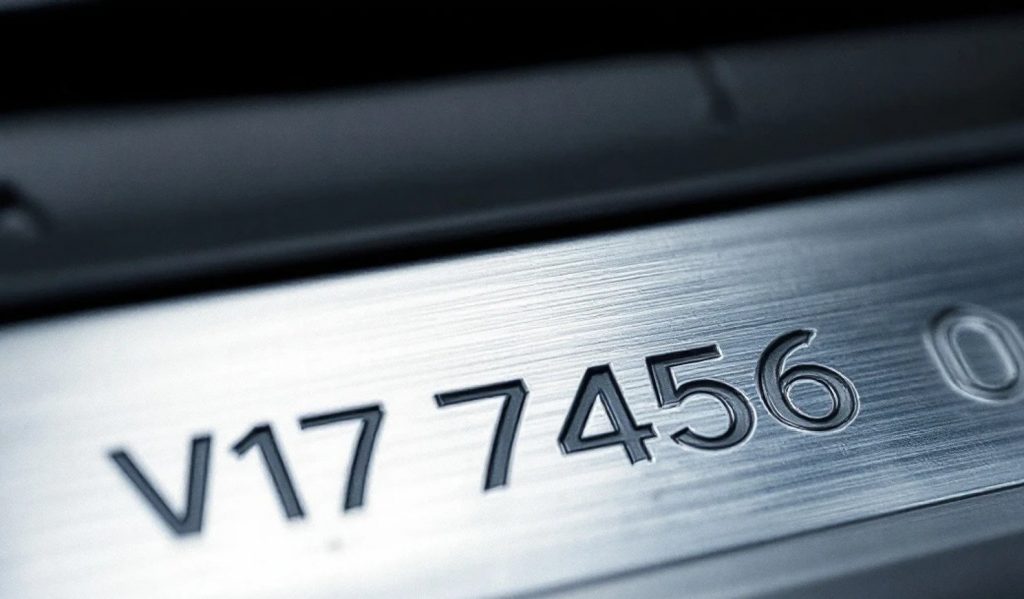
How to Run a VIN Check Before You Buy or Register
Before any title transfer or registration, running a VIN check tells you the vehicle’s history, including prior ownership, accident records, odometer readings, and open recalls. It’s one of the smartest steps a buyer can take.
Here’s how to check a VIN:
- Locate the full 17-digit VIN on the vehicle (see locations above)
- Use our VIN check service for a complete vehicle history report
- Cross-reference with the NHTSA VIN decoder to confirm recall status
- Match the VIN on the report against the physical stamp on the vehicle
- Confirm the VIN on the title document matches all 17 characters
A VIN check also helps surface title issues, like a bonded title situation or a salvage brand, before you commit to a purchase. Our sister brand Ride Legal has a solid breakdown of what to watch for in a vehicle history report.
For more detail on what VIN inspectors look for in person, the post VIN Inspections: What They Are, When You Need One, and How to Pass covers everything you need to know.
Frequently Asked Questions About VIN Numbers
How many digits are in a VIN number?
A VIN number is always 17 characters long for any vehicle manufactured after 1981. The format is standardized by NHTSA and ISO 3779 and includes both letters and numbers. Vehicles built before 1981 may have shorter VINs, typically 11 to 13 characters, as no universal standard existed then.
Can a VIN have letters in it?
Yes. A VIN uses both letters and numbers, but never the letters I, O, or Q. Those three letters are excluded because they resemble the digits 1 and 0, which could cause errors in reading or data entry. Every other letter in the alphabet is fair game within a VIN.
What happens if my VIN doesn’t match my title?
A VIN mismatch between your vehicle and its title is a serious issue that must be resolved before a title transfer or registration can go through. You’ll typically need a VIN inspection to confirm the correct number, then file a title correction. This is where working with experienced registration specialists saves significant time.
Is a VIN the same as a license plate number?
No. A VIN is a permanent 17-digit identifier assigned to the vehicle at the factory and never changes. A license plate number is assigned by the state and can change when you move, renew, or transfer registration. Your VIN stays with the vehicle for its entire life.
Can I look up a vehicle by its VIN?
Our VIN check tool pulls a complete report in seconds.
Do motorcycles and ATVs have 17-digit VINs?
Yes. Motorcycles, ATVs, UTVs, and other on-road powersport vehicles manufactured after 1981 all carry the standard 17-character VIN. The VIN is usually stamped on the steering neck or frame. You’ll need it for any title transfer, car registration in Montana, or vehicle inspection.
Ready to put your VIN to work? Whether you’re transferring a title, registering a new vehicle, or setting up a Montana LLC vehicle registration, our team provides paperwork support from start to finish.
Start Your Registration Today →