

Not everything you’ve heard about driving laws is actually true.
Over time, common advice gets mistaken for actual law—passed from driver to driver until it feels official. But in reality, many of these “rules” don’t hold up when you look at real state regulations.
That said, laws vary by state, and what’s allowed in one place may not be in another. For accurate, state-specific guidance, you can always reference official resources like:
https://www.usa.gov/state-motor-vehicle-services
Let’s break down some of the most common driving myths—and what’s actually allowed.
1. Riding in the Back of a Pickup Truck
Many people assume riding in a truck bed is always prohibited—but that’s not entirely true.
Most states allow it under certain conditions, such as:
- Age restrictions
- Rural vs. urban road use
- Specific situations like agricultural work or parades
However, safety remains a major concern. Federal safety guidance from the National Highway Traffic Safety Administration (NHTSA) highlights the risks associated with unsecured passengers.
Even when permitted, it’s important to understand the risks before making that choice.
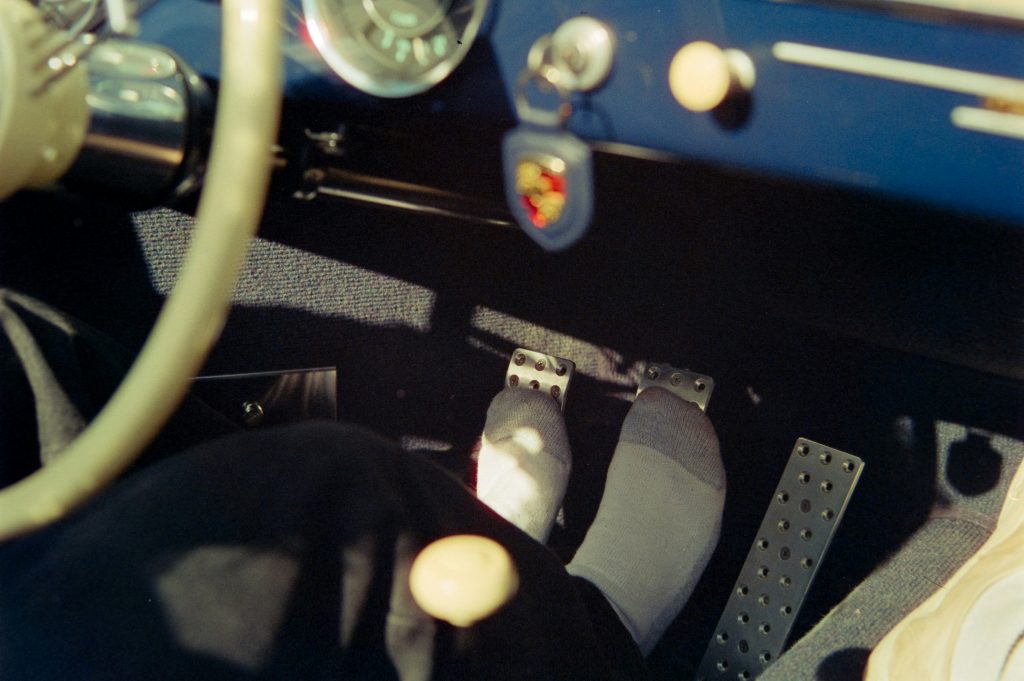
2. Driving Barefoot (or Without Shoes)
Driving barefoot is not prohibited in any U.S. state—but that doesn’t mean it’s risk-free.
Some state agencies, like the Virginia DMV, warn that barefoot driving can reduce pedal control and increase the risk of slipping. If an accident occurs, it could still factor into fault or citations depending on the situation.
Learn more about safe driving practices through official guidance:
https://www.nhtsa.gov/road-safety
3. Flashing Headlights to Warn Other Drivers
Flashing your headlights to alert others about hazards or enforcement activity is often misunderstood.
In many cases, courts have ruled that this behavior falls under free speech protections. However, how it’s used matters—aggressive or reckless behavior can still lead to citations.
The National Highway Traffic Safety Administration outlines how aggressive driving behaviors are evaluated.
Used responsibly, it can be a communication tool—but it shouldn’t cross into unsafe driving.
4. Swearing at a Police Officer
It may surprise some drivers, but expressing frustration verbally is often protected under the First Amendment.
However, that protection has limits. If behavior escalates into disorderly conduct or creates a public disturbance, it can still lead to legal consequences.
Understanding how local laws apply is key, as enforcement can vary by state and situation.
5. Turning Right on Red
Right turns on red are allowed in most areas—but not everywhere.
Drivers must:
- Come to a complete stop
- Yield to pedestrians and oncoming traffic
- Follow posted signs and signals
In some areas—like New York City—right turns on red are generally not allowed. Rules like these are shaped by traffic safety policies supported by the U.S. Department of Transportation.
Always check signage before proceeding.

Why Misunderstanding the Rules Can Cost You
Even when something isn’t prohibited, misunderstandings can still create problems—especially when it comes to registration, documentation, or ownership.
State-specific requirements and complex paperwork can lead to delays if handled incorrectly.
If you want a clear breakdown of how to avoid common issues, this guide walks through what to expect:
How to Make Your Off Road vehicle Road Ready in Your State a Spring 2025 Guide.
Driving Myths & Misconceptions FAQs
Can passengers legally sit in a truck bed?
In many states, yes—but only under specific conditions. Laws vary based on factors like age, location, and road type. While it may be allowed in certain situations, safety risks are a major concern and should always be considered.
Is engine braking bad for your car?
No—engine braking is generally not harmful when done correctly. It’s a normal driving technique that helps reduce wear on brake components. However, improper use or aggressive downshifting can cause unnecessary strain on the drivetrain.
Is poor gear management illegal or just bad driving?
Poor gear management—like riding the clutch or shifting incorrectly—is not illegal, but it can lead to increased wear, reduced performance, and potential safety issues. While it won’t typically result in a citation, it can impact vehicle longevity and control on the road.
Stay Informed—and Avoid Unnecessary Headaches
Knowing what’s actually allowed on the road can help you drive with more confidence—but handling the paperwork behind vehicle ownership is a different challenge.
Dirt Legal provides a hassle-free way to deal with complex paperwork, title issues, and registration challenges—without the usual confusion.