Registering an off-highway vehicle (OHV) in Colorado requires owners to obtain a valid OHV registration sticker through the Colorado Parks and Wildlife (CPW) division. This registration is mandatory for any OHV used on public lands or trails in the state and must be renewed annually to remain compliant with state regulations.
Colorado OHV Registration Requirements and Procedures
When you start the process of registering an off-highway vehicle in Colorado, you must make sure your machine meets specific definitions set by the state. Colorado classifies OHVs primarily based on their size and width, distinguishing between motorcycles, ATVs, and side-by-side vehicles. If you intend to operate these machines on public land, trails, or designated routes, the state requires current documentation.
Understanding OHV Definitions in Colorado
Colorado law defines an OHV as any self-propelled vehicle designed for travel on land over natural terrain. This includes dirt bikes, ATVs, and UTVs. It is important to distinguish these from street-legal vehicles. While a motorcycle designed for highway use is registered through the DMV, an OHV designated for trail use requires the specific CPW registration sticker.
Completing the Registration Process
The registration process is handled through the Colorado Parks and Wildlife system. You must provide the vehicle identification number (VIN) or engine serial number, the make, model, and year of the machine. Fees are typically nominal and fund the maintenance of trail systems throughout the state. Once registered, you will receive a registration decal that must be displayed in a visible location on the vehicle.
Navigating Title Transfers for Off-Highway Vehicles
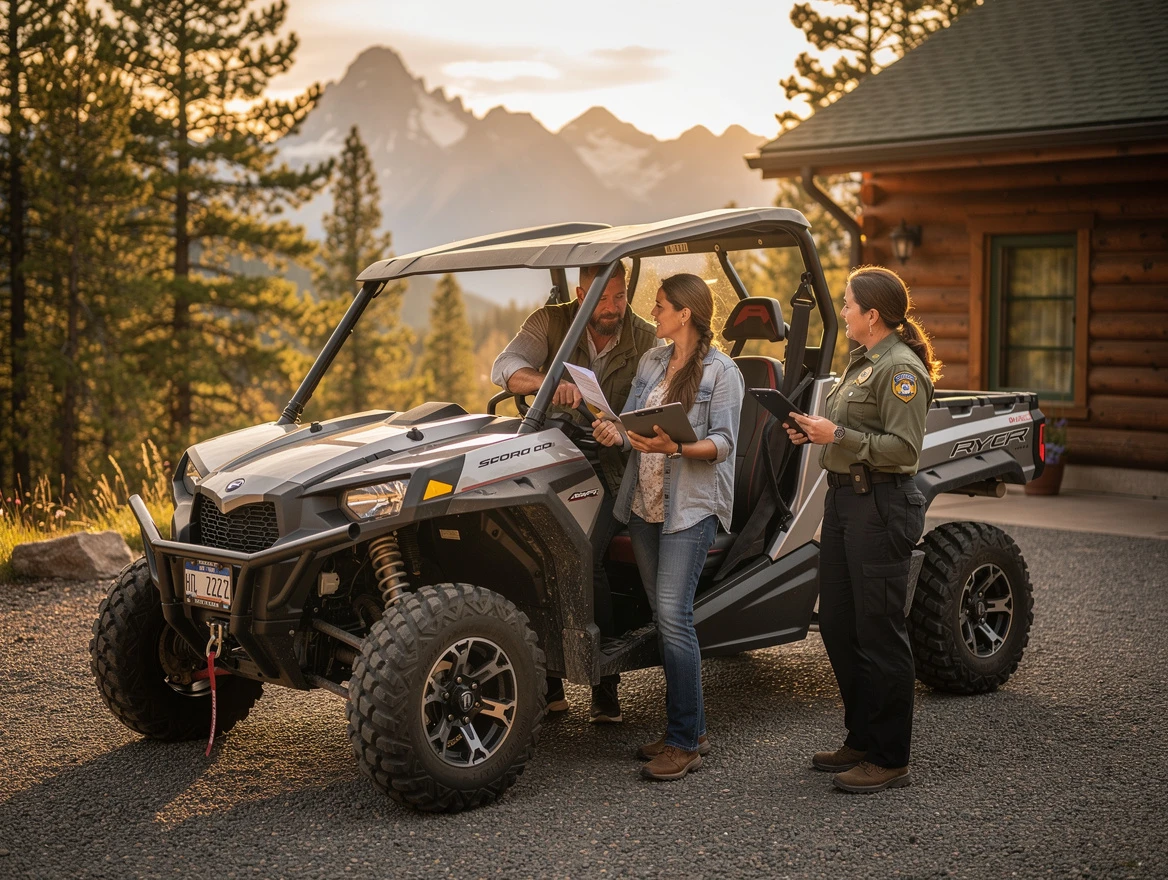
Many owners wonder if a formal title is necessary when registering an off-highway vehicle in Colorado. While CPW registration focuses on trail access, establishing ownership through a proper title remains vital for selling or proving assets. If your vehicle did not come with a title, you may need to undergo a bonded title process to secure legal documentation.
Ready to register your vehicle?
Join thousands of vehicle owners who use Dirt Legal to handle their registration quickly and hassle-free.
Register Your Vehicle Today → →Why a Title Matters for Your OHV
A title serves as your primary proof of ownership. Without a clear title, you may face challenges if you decide to sell the machine or if it is ever reported stolen. Dirt Legal has helped 80,000+ vehicle orders to date. We understand that documenting your machine correctly from the start saves headaches later. When documents need correction, our internal quality control team resolves 55.3% of issues directly to keep your registration moving (internal data, rolling last 90 days, n=85).
Handling Out-of-State Title Transfers
If you purchased an OHV from another state, you might find the process for registering your vehicle requires specific documentation. Colorado typically requires the previous owner’s title or a signed bill of sale. For machines that never had a title, such as certain vintage dirt bikes, you may need a certified bill of sale to prove your acquisition.
Comparing Colorado OHV Registration With Other Options
Beyond simple trail registration, some owners look for broader registration solutions to improve their vehicle’s utility. While Colorado OHV stickers are sufficient for state parks, they do not grant street-legal status. For those interested in broader registration opportunities, a Montana LLC registration provides a powerful alternative for long-term ownership.
| Feature | Colorado OHV Sticker | Montana LLC Registration |
|---|---|---|
| Primary Use | Public Trail Access | Long-term Asset Management |
| Registration Term | Annual Renewal | Permanent Registration Available |
| Street Access | No | Varies by State Rules |
| Compliance | State Trail Laws | Commercial Asset Structure |
The Role of Montana LLCs in Vehicle Asset Protection
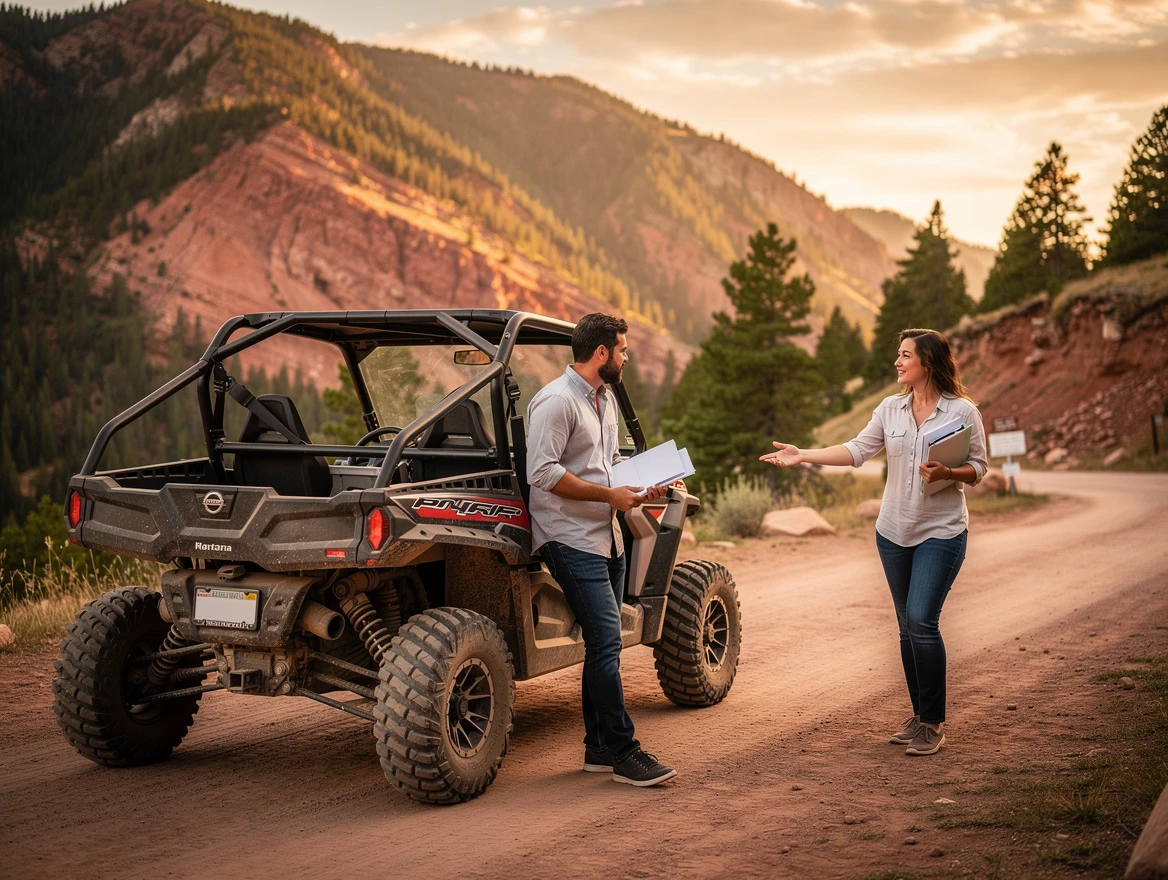
Many powersport enthusiasts use a Montana LLC to hold their vehicles. This structure is not just about registration; it is about keeping your assets organized under a professional entity. You can learn more about this in our The Complete Guide to Forming a Montana LLC for Vehicle Registration. By using a legal entity, you separate your personal property from your recreational assets.
Benefits for High-Value Off-Highway Vehicles
For high-end UTVs and high-performance machines, the title and registration process becomes more complex. Keeping these vehicles under a corporate entity can provide a consistent structure for record-keeping.
Common Maintenance and Compliance Questions
Ensuring your vehicle is ready for the season involves more than just a sticker. You need to keep your documentation organized. If you are ever unsure about your vehicle’s history, our VIN check service can provide peace of mind by showing if there are any title issues or past liens associated with the frame.
Managing Annual Renewals
Colorado OHV stickers expire on March 31st each year. Failing to renew can lead to fines if you are caught on public trails. We always suggest setting a recurring reminder in your calendar at least two weeks before the expiration date to avoid any lapses in your trail access.
Handling Lost Documents
If your title or registration is lost, you must apply for a duplicate through the appropriate agency. For Colorado OHV stickers, this is done via the CPW office. For titles, you must work through the county clerk’s office where the vehicle was last titled. Having clear records from the start makes this request much faster.
Frequently Asked Questions
Do I need to register my dirt bike if I only ride on private land?
In Colorado, if you only ride your OHV on private property where you are the owner or have explicit permission, you generally do not need an annual CPW OHV registration sticker. However, you should still keep your proof of ownership or bill of sale on hand to demonstrate you are the rightful owner of the machine.
Can I make my off-highway vehicle street legal in Colorado?
Colorado has specific requirements for converting an OHV for road use. Generally, the machine must meet Federal Motor Vehicle Safety Standards, which requires specific equipment like turn signals, mirrors, a horn, and DOT-approved tires. Most off-the-shelf OHVs do not meet these standards out of the box, making a full conversion difficult.
What happens if I forget to renew my Colorado OHV sticker?
If your sticker expires, you are not authorized to ride on public trails. If you are stopped by a ranger or law enforcement, you may receive a citation or a fine. It is much easier to renew your registration online through the Colorado Parks and Wildlife website before your next trip to the mountains.
Do I need insurance for my off-highway vehicle?
While the state does not always mandate insurance for OHVs in the same way it does for passenger cars, it is highly recommended. Trails can be unpredictable, and having liability coverage protects your assets and your finances in the event of an accident or collision with another rider.
Is a Montana LLC registration better than a Colorado OHV sticker?
These serve different purposes. A Colorado OHV sticker is for local trail access. A Montana LLC registration is a method for long-term ownership and titling. Many enthusiasts use both; they keep their registration current for local laws while maintaining their primary title and legal ownership documentation through a professional entity structure.
Registering an off-highway vehicle in Colorado is a straightforward process when you have your documentation in order. By staying on top of your annual sticker renewals and keeping your title records safe, you make sure your time on the trails remains uninterrupted and enjoyable.