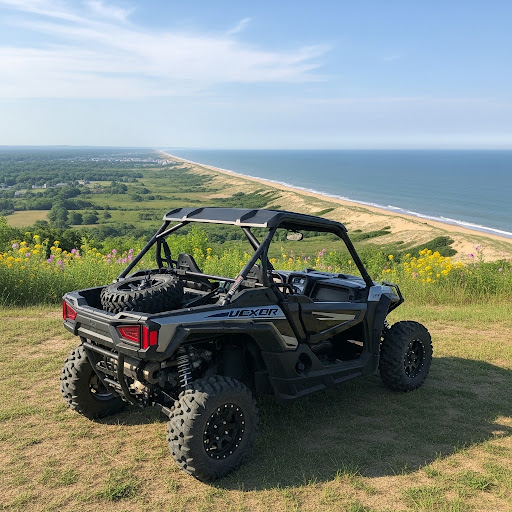
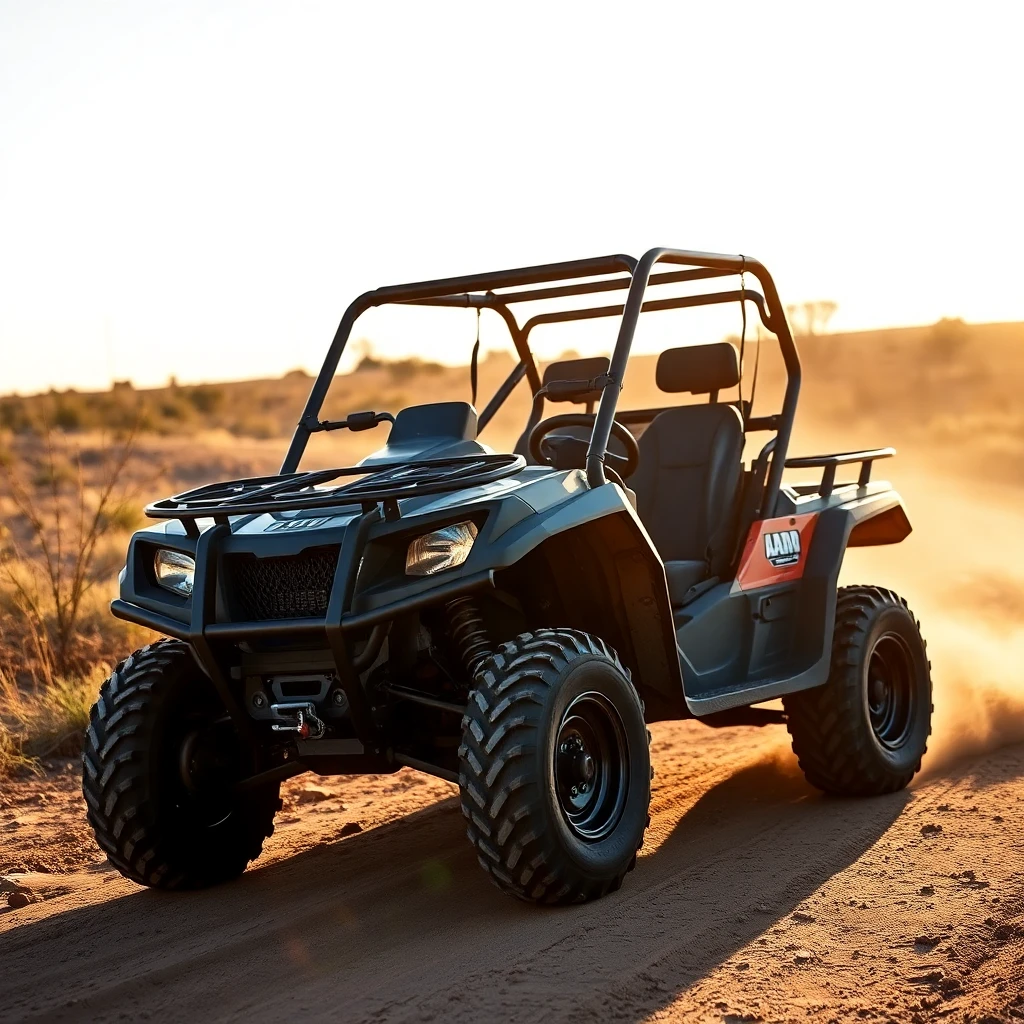
Oklahoma street-legal UTV requirements catch a lot of riders off guard. You spent good money on a capable side-by-side, and now you want to ride it on public roads, not just private trails. The good news? Oklahoma does allow UTVs on certain public roads, but there’s a specific checklist you have to work through first. This guide covers every requirement, the registration process, and what options you have if your home state’s process feels complicated.
You’ll learn exactly what safety equipment Oklahoma demands, how to title and register your UTV for road use, what roads you’re actually allowed on, and where Dirt Legal can step in to handle the paperwork side of things. Let’s get into it.
What Oklahoma Law Says About Street Legal UTV Requirements
Oklahoma classifies UTVs as Low-Speed Vehicles (LSVs) or Off-Road Vehicles (ORVs) depending on their specs. That classification drives everything, including what equipment you need, where you can ride, and how you register. Oklahoma Statutes Title 47 governs this, and local county or municipality rules can add requirements on top of state law.
UTVs with a top speed between 20 and 25 mph typically fall under the LSV category. Machines capable of exceeding 25 mph face a harder path to road use and are sometimes restricted entirely on state highways. Always check your specific county’s ordinances because rural Oklahoma counties often have more permissive rules than urban areas.
Which Roads Can a Street Legal UTV Use in Oklahoma?
Oklahoma generally allows street legal UTVs on roads posted at 35 mph or less. State highways are typically off-limits unless you’re crossing them at an intersection. County roads are often the most accessible, and many rural Oklahoma counties have passed local ordinances that open up additional road access for registered UTVs.
You cannot legally ride on federal highways or interstate roads, period. Check with your county sheriff or local municipality before assuming a specific road is fair game.
How Oklahoma Defines a Street Legal UTV vs. an Off-Road Machine
The core difference comes down to equipment. An off-road UTV fresh from the dealer lacks the street-required safety features. A street legal UTV has been modified or configured to meet Oklahoma’s equipment standards and has a proper title and registration for on-road operation. Riding an unregistered, unequipped UTV on public roads in Oklahoma is a ticketable offense, so the paperwork and the physical equipment both matter.
Required Safety Equipment for Oklahoma Street Legal UTVs
Oklahoma’s requirements for street legal operation of a UTV cover both active and passive safety systems. Missing even one item can result in a citation or a failed inspection. Here’s what you need on your machine before you ride on any public road.
Ready to register your vehicle?
Join thousands of vehicle owners who use Dirt Legal to handle their registration quickly and hassle-free.
Register Your Vehicle Today → →Lighting Requirements
Your UTV must have functioning headlights, taillights, and brake lights. Turn signals are required, either factory-installed or aftermarket kits that meet DOT standards. A reflective device or rear reflectors are also required. If you plan to ride at dawn, dusk, or night, lighting compliance is non-negotiable and gets scrutinized.
Mirrors, Horn, and Other Safety Gear
You’ll need at least one rearview mirror (two side mirrors is the stronger practice). A working horn is required. Windshields are mandated in most interpretations of Oklahoma ORV law for road use. Seat belts must be functional for all seating positions. Many riders also add a speedometer if the factory unit doesn’t already include one, since law enforcement may check this.
For a broader look at what’s involved in riding ATVs and UTVs on public roads across different states, the Dirt Legal article on riding ATVs, UTVs, and dirt bikes on public roadways breaks down the cross-state picture clearly.
Tires and Braking
Stock off-road knobbies may not be street compliant. Oklahoma generally requires DOT-rated tires for on-road operation. Your braking system must meet minimum performance standards as well. If your UTV has a manufacturer-installed brake system that meets DOT specs, you’re likely fine. Aftermarket setups should be verified against the standard.
Title, Registration, and Inspection: The Oklahoma Process
Getting your UTV registered for road use in Oklahoma means working through the Oklahoma Tax Commission (OTC), which handles vehicle titles and registration. The process has a few moving parts, and missing a step typically sends you back to the beginning.
Do You Need a Title for Your UTV First?
Yes. If your UTV doesn’t have a title, that’s the first problem to solve. Many side-by-sides sold for off-road use come with a Manufacturer’s Certificate of Origin (MCO) rather than a title. You’ll need to convert that MCO to an Oklahoma title before pursuing street Montana registration. If you bought your machine used and the title was never properly transferred, a new or used vehicle registration process may be your starting point.
Title jumping, where a vehicle gets sold without properly transferring the title each time, creates serious problems here.
The Oklahoma Registration Steps for Street Legal UTVs
- Confirm your UTV meets all required safety equipment standards.
- Obtain a valid title in your name (convert MCO or complete a proper DMV title transfer).
- Complete a vehicle identification number inspection if required by your county (a vehicle VIN inspection confirms the machine matches its paperwork).
- Submit your title, proof of insurance, and registration application to the OTC or your county tag agent.
- Pay the applicable fees and receive your license plate and registration card.
Some counties require a physical inspection of the vehicle, where an officer or inspector verifies the safety equipment is present and functional. Call your local tag agent or county treasurer ahead of time to confirm what’s required.
Insurance Requirements
Oklahoma requires liability insurance on any vehicle registered for road use. A standard off-road or recreational UTV policy will not satisfy this requirement. You need a policy that specifically covers on-road operation. Talk to your insurer about adding this coverage before you submit your registration paperwork, because the OTC will ask for proof. For a deeper look at coverage gaps, the Ride Legal post on what your insurance policy doesn’t cover is worth a read before you commit to a policy.
Oklahoma Street Legal UTV Requirements: Comparison Table
| Requirement | Detail | Notes |
|---|---|---|
| Headlights | Required, DOT-compliant | Must function at night |
| Taillights & Brake Lights | Required | Separate brake light preferred |
| Turn Signals | Required | Aftermarket kits acceptable if DOT-rated |
| Rearview Mirror | At least one required | Two side mirrors recommended |
| Horn | Required | Audible from 200 ft minimum |
| Windshield | Required for road use | Must meet minimum height requirements |
| Seat Belts | Required for all seats | Factory or aftermarket DOT-rated |
| DOT Tires | Required | Stock off-road tires often non-compliant |
| Insurance | Required, on-road liability policy | Recreational policy alone not sufficient |
| Title | Required | Must be in registrant’s name |
| VIN Inspection | Often required | Confirm with your county tag agent |
| Allowed Roads | 35 mph or less posted speed | No state highways or interstates |
Montana LLC Registration: An Alternative for UTV Owners
Some UTV owners, particularly those buying higher-dollar machines, look at Montana LLC vehicle registration as a way to handle the title and registration process differently. Montana has no sales tax on vehicles and no emissions testing requirements, which can produce real savings on expensive side-by-sides. Montana is also a state with straightforward registration rules for powersports and off-road machines.
This isn’t a workaround or a shortcut. It’s a compliant method that’s been used by vehicle owners across the country for years. Dirt Legal has helped 80,000+ vehicle orders, many of them powersport vehicles like UTVs and ATVs registered through Montana LLCs. When documents need correction, 55.8% are resolved by our QC team without sending the order back to the customer, which means fewer delays for you (internal data, rolling last 90 days, n=138).
The Ride Legal post on LLC vehicle ownership for collectors breaks down how this structure works for high-value machines, and it’s directly relevant to anyone owning a premium UTV or side-by-side.
What Montana Registration Covers for UTV Owners
Registering through a Montana LLC means you form a simple LLC, title and register your UTV through that entity in Montana, and receive Montana plates. We handle the required legal filings to register assets through your newly formed Montana LLC. You still need to comply with your home state’s road use and equipment rules if you’re riding on local roads, but the registration and title process itself runs through Montana.
Montana registration details, including fee schedules, are available directly from the Montana Motor Vehicle Division.
Is Montana LLC Registration Right for Your UTV?
Honestly, it depends on your situation. If you’re buying a UTV in the $20,000 to $50,000+ range, the sales tax savings in Montana versus a state like California or Texas can be substantial. If you’re registering a budget machine, the math may not work as strongly in your favor.
Frequently Asked Questions About Oklahoma Street Legal UTV Requirements
Can I ride my UTV on Oklahoma public roads without registering it?
No. Oklahoma requires all vehicles operated on public roads to be properly titled, registered, and insured. Riding an unregistered UTV on a public road, even a rural county road, exposes you to fines and possible impoundment. The only exception is crossing a road at a designated crossing point, which some counties allow for agricultural or off-road-use vehicles under specific conditions. Always confirm local rules before riding.
Does Oklahoma require a driver’s license to operate a street legal UTV?
Yes. If your UTV is registered for road use in Oklahoma, you need a valid driver’s license to operate it on public roads. This is the same requirement that applies to any registered motor vehicle in the state. Minors operating UTVs on private property may fall under different rules, but street operation requires a license.
What is the maximum speed for a street legal UTV in Oklahoma?
Oklahoma law generally limits UTVs classified as LSVs to roads posted at 35 mph or less. The machines themselves may have higher top speeds, but road access is restricted based on the posted speed limit of the road, not the vehicle’s capability. Riding on roads with higher speed limits is typically not permitted and can result in a citation.
Do I need a windshield on my UTV for Oklahoma street legal status?
Yes, a windshield is generally required for street legal UTV operation in Oklahoma. The specific height and construction requirements can vary, but a full or partial windshield that meets state standards is part of the equipment checklist. Aftermarket windshields are acceptable as long as they meet the applicable standards. Check with your local tag agent or county sheriff for exact specifications in your area.
Can I use street legal quads or ATVs under the same Oklahoma rules?
Street legal quads in Oklahoma face a similar, though not identical, regulatory path. Oklahoma’s ATV laws differ from UTV laws in some respects, particularly around seating and stability requirements. Some of the same equipment rules apply, but ATVs may face additional restrictions on road access. The Dirt Legal guide on riding an ATV on the street in California illustrates how these rules can vary dramatically by state, and Oklahoma is no different.
What happens if I buy a UTV without a title?
Buying a UTV without a title creates immediate registration problems. You can’t get a street Montana registration without a valid title in your name. Options include pursuing a bonded title, tracking down the previous owner to complete a proper title transfer, or in some cases applying for a court-ordered title. A proper bill of sale for the automotive transaction is your starting point if the title is missing. The most frequent reason documents come back for correction in our process is a Bill of Sale issue, so getting that documentation right from day one saves significant time (internal data, rolling last 90 days, n=119).
Can I register my Oklahoma UTV through Montana to avoid sales tax?
Montana LLC registration is a legitimate option that many UTV owners across the country use. It’s compliant, and Montana has no sales tax, which creates real savings on expensive machines. You still need to meet your home state’s road use and equipment requirements for any roads you ride on locally. Dirt Legal specializes in this process, and you can register your vehicle with our assistance to get started.
How long does UTV registration take in Oklahoma?
The timeline varies by county. If your paperwork is complete, title is clean, and equipment is in order, the tag agent process can move quickly, sometimes same-day. If a VIN inspection is required or documents need to be corrected, expect additional time. Working with a private registration assistance team like Dirt Legal can help you get paperwork organized before you walk into the tag agent’s office, reducing back-and-forth.
Ready to Get Your UTV Road Ready?
Oklahoma street legal UTV requirements are manageable once you know exactly what’s needed. The equipment list is specific, the title and registration process has clear steps, and the road access rules are defined by posted speed limits. Get the gear right, get a clean title, get insured for on-road use, and work through your county tag agent with complete paperwork. If any part of that process feels complicated, Dirt Legal’s registration assistance is built exactly for situations like this. We provide paperwork support so you spend your time riding, not sitting in county offices.