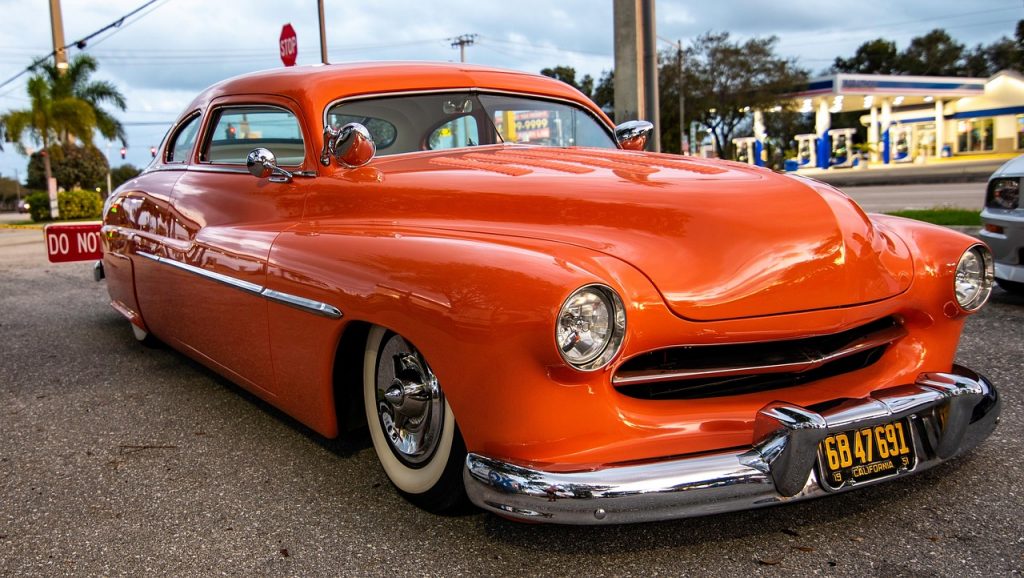
You just found a great deal on a car.
Maybe it’s a classic project, a fixer-upper, or someone’s weekend toy that needs a little attention. The price looks right, the engine sounds strong—but there’s one problem:
The seller doesn’t have the title.
So, should you still buy it?
The short answer is sometimes—but only if you understand the risks and know how to handle the paperwork afterward. Buying a vehicle without a title can create extra steps when registering it, and in some cases it can become a serious headache.
Before handing over any money, here’s what you should know.
Buying a Car Without a Title: Quick Decision Guide
| Situation | Risk Level | Recommended Action |
|---|---|---|
| Seller lost the title but has a bill of sale | Low | Verify VIN history and explore bonded title options |
| Classic or project car missing paperwork | Medium | Confirm VIN history and gather ownership records |
| Vehicle has salvage history with incomplete paperwork | Medium | Verify inspection requirements and repair documentation |
| Seller refuses to provide ownership records | High | Walk away |
| VIN is altered or missing | Very High | Do not buy |
Vehicles missing documentation can sometimes still be registered, but confirming the vehicle’s history and ownership trail is essential before moving forward.
Why Cars Without Titles Can Be Risky
A title proves ownership of a vehicle. Without it, you may face several challenges:
You may not be able to register the vehicle until ownership is verified
The vehicle could have an undisclosed lien
The vehicle could appear in theft records
Title recovery requirements vary by state
That said, not every missing title situation signals a problem.
Titles can be lost during moves, paperwork can be misplaced, or older vehicles may simply have incomplete documentation. With the right process, many of these situations can still be resolved.
Always Run a VIN Check First
Before buying any vehicle without a title, start with a VIN check.
A VIN report can reveal:
Theft records
Salvage or rebuilt history
Outstanding liens
Title branding such as flood or damage records
Running a VIN report helps you avoid purchasing a vehicle with hidden issues that could complicate the registration process later.

Steps to Take Before Buying a No-Title Vehicle
If you’re considering purchasing a vehicle without a title, take a few precautions first.
Get a Detailed Bill of Sale
A bill of sale should include:
Vehicle Identification Number (VIN)
Sale price
Seller’s contact information
Buyer and seller signatures
While it isn’t a replacement for a title, it provides documentation showing how the vehicle changed hands.
Ask Why the Title Is Missing
A trustworthy seller should be able to explain what happened to the title.
Common explanations include:
The title was lost during a move
The vehicle was inherited
The vehicle is part of a long-term project
If the explanation seems unclear or inconsistent, it may be best to walk away.
Understand Your State’s Title Recovery Process
Each state has its own procedures for handling vehicles with missing documentation.
Common options include:
Bonded Titles
A bonded title allows a vehicle owner to establish ownership using a surety bond based on the vehicle’s value.
Court-Ordered Titles
In some situations, courts can issue a title when ownership documentation is incomplete but verifiable.
Business-Owned Vehicle Registration
In certain cases, vehicles can be registered through a business entity depending on state rules and documentation requirements.
Because state rules vary widely, many vehicle owners seek help navigating the process and the associated paperwork.

How Title Recovery Typically Works
If you purchase a vehicle without a title, the recovery process usually involves several steps:
Verifying the VIN and ownership history
Submitting proof of purchase such as a bill of sale
Completing state-required forms
Purchasing a surety bond if required
Completing inspections if applicable
Once these steps are completed, the state can issue documentation establishing ownership and allowing registration.
The Bottom Line
Buying a car without a title isn’t automatically a bad decision—but it does require extra diligence.
The most important steps are:
Confirming the vehicle’s VIN history
Documenting the purchase properly
Understanding your state’s title recovery options
When these steps are handled correctly, vehicles missing documentation can often be brought back into proper registration status.
Understanding Your Options
Recovering a vehicle title can involve complex paperwork and varying state requirements.
For vehicle owners navigating missing titles, bonded titles, or registration challenges, services like Dirt Legal help simplify the process with guidance designed to reduce confusion and make the paperwork more hassle-free.