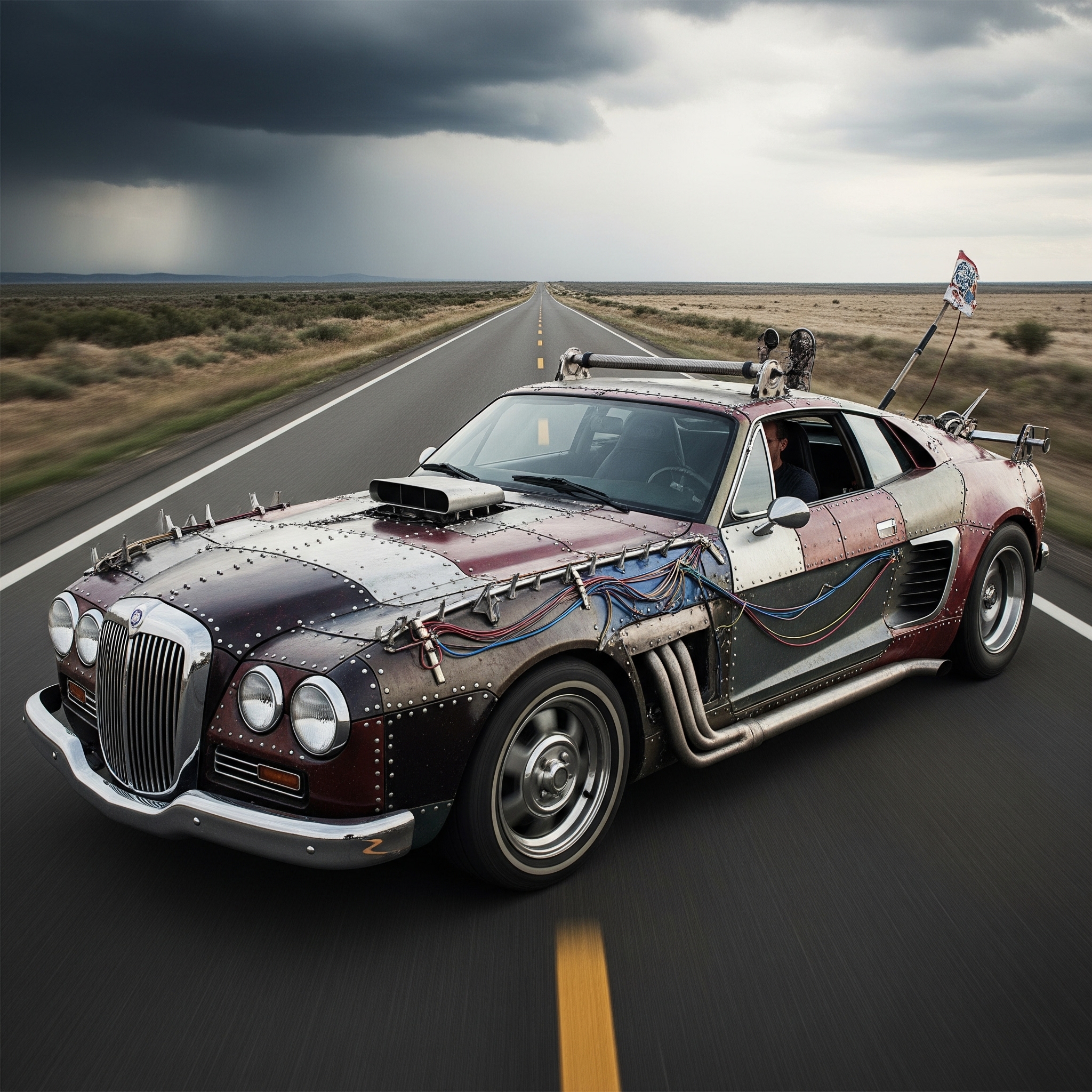
So you’ve pieced together a wild ride. Maybe a rear-engine, AWD, widebody hatchback straight out of your mad scientist dreams. But here’s the big question: can your Frankenstein build hit the streets?
The good news is yes, but you’ll need to navigate a maze of paperwork, inspections, and state rules. Let’s break it down step by step so you can get your monster on the road.
How do I handle titling a vehicle without existing documentation?
First things first: what if you don’t have a title or paperwork for your project’s base car or major parts? Don’t panic. You’ll need to prove ownership using whatever documents you do have, like bills of sale for donor vehicles or parts receipts.
If you don’t have those, most states let you apply for a bonded title, which uses a surety bond to establish ownership rights when documentation is missing, according to the American Association of Motor Vehicle Administrators (AAMVA).
Basically, you’ll fill out an affidavit explaining your build, gather any receipts you can find, and submit them to your state DMV along with photos of your vehicle.
What steps are needed to make a custom-built car street-legal?
Next, let’s talk about actually making your build street-legal. A custom-built car needs to meet your state’s safety and emissions standards before it can be registered, according to the National Highway Traffic Safety Administration (NHTSA). Here’s what you’ll need to do:
- Pass a safety inspection covering brakes, lights, seatbelts, and more.
- Comply with emissions rules, which vary based on your state and the year of your engine or parts.
- Apply for a VIN assignment if your frame doesn’t have one or you’ve fabricated your own chassis.
- Complete the paperwork, pay applicable fees, and get your car classified as a specially constructed or homemade vehicle.
It might sound like a lot, but breaking it into steps makes it manageable.
Paperwork for a custom car title
Of course, paperwork is where many builders get stuck. But don’t worry! Here’s what you’ll typically need:
- Bills of sale for major parts or donor vehicles
- Receipts for new or refurbished components
- A completed title application
- Proof of identity
- Photos of your build during and after construction
- An inspection certificate (if required)
- Emissions test results (if needed)
Some states might also ask for a notarized statement of construction listing every major component and where it came from.
Frankenstein car registration
Now that you’ve got your paperwork in order, what about registration? Fortunately, many states have processes designed specifically for wildly modified or homebuilt vehicles, including Frankenstein builds.
These vehicles are typically classified as “reconstructed,” “specially constructed,” or “homemade,” according to the Specialty Equipment Market Association (SEMA).
Here’s how it works: you’ll start by applying for a special inspection, submit all your paperwork, and once approved, you’ll receive a title (often branded “Reconstructed” or “Special Construction”) and registration plates, making your one-of-a-kind ride street-legal.
Register a Franken-build
So, what are the keys to registering your Franken-build successfully?
- Gather every piece of documentation you can find.
- Contact your DMV or a title recovery service to understand your state’s unique process.
- Schedule and pass inspections.
- Apply for a reconstructed or homemade vehicle title.
- Register your car and get plates once your title is approved.
Easy? Not exactly. But absolutely doable with patience and persistence, according to the National Automobile Dealers Association (NADA).
What’s the process for registering a car built from salvage parts?
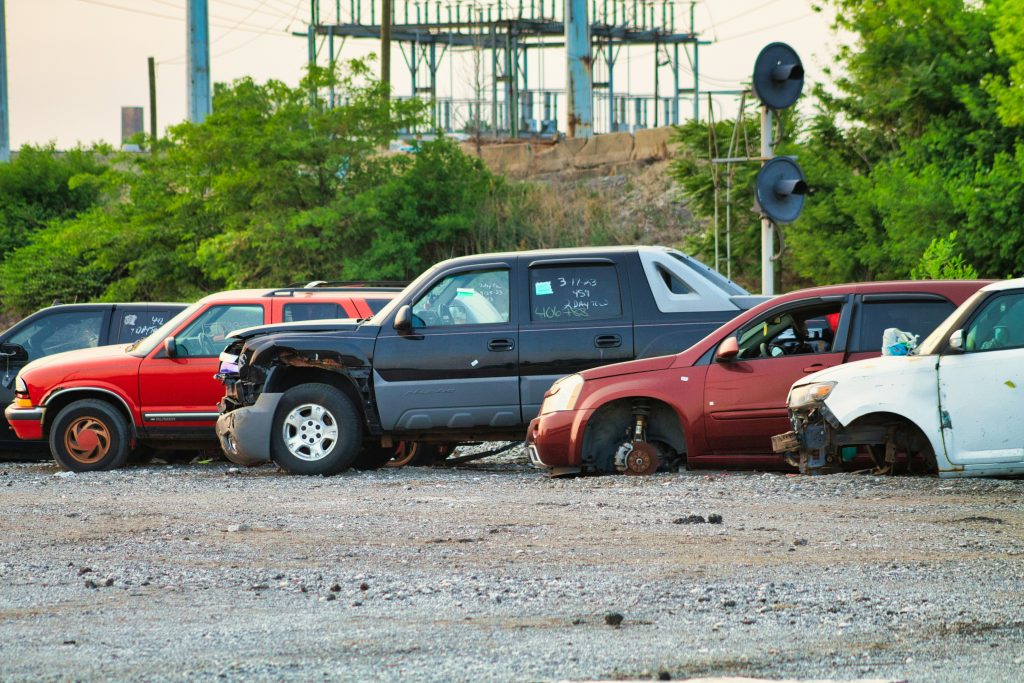
Lastly, if you’re using salvage parts for your build, you’ll face a few extra steps. First, make sure you have salvage titles or bills of sale for all major components. Then, you’ll apply for a rebuilt title, which usually involves:
- Completing a salvage inspection to prove your car is roadworthy.
- Providing receipts and photos documenting repairs or fabrication.
- Passing any required emissions or safety tests.
Once approved, your title will be branded as “Rebuilt” or “Reconstructed,” giving you the green light to register your ride, according to Kelley Blue Book (KBB).
Frequently Asked Questions About Frankenstein Builds
Can I register a vehicle built from parts of multiple vehicles?
Yes, as long as it is properly documented and inspected.
States allow specially constructed and custom builds to be titled and registered, but you must have clear records for major components such as the engine, frame, transmission, and body. An inspection will confirm the vehicle meets safety requirements.
If paperwork is incomplete, the Complex Paperwork can quickly slow things down. Dirt Legal helps organize your documentation, determine eligibility, and guide your build through the correct titling path.
Will my Frankenstein build need emissions testing?
In most cases, yes.
Emissions requirements are usually based on the engine year or how the vehicle is classified during inspection. Some states follow the engine year. Others assign a model year during the review process.
Dirt Legal helps determine how your build will be evaluated before anything is submitted, helping you avoid costly mistakes and unnecessary delays.
How long does it take to title a Frankenstein build?
Most builds take four to twelve weeks, depending on inspection scheduling, state processing times, and how complete your documentation is.
Delays are most often caused by incorrect forms, missing receipts, or submitting under the wrong classification.
Dirt Legal helps ensure everything is submitted correctly the first time so your project keeps moving forward.
What if my build does not have a VIN?
Not having a VIN does not mean you are stuck.
You will need to apply for a state assigned VIN. This typically requires photos of the completed vehicle, receipts for major components, a construction statement, and a physical inspection.
Dirt Legal prepares and packages everything properly so your VIN application meets state requirements without unnecessary complications.
Can a salvage or custom built Frankenstein vehicle become street eligible?
Yes. Many custom builds successfully become street eligible every year.
The key is proper classification, passing inspections, and submitting accurate documentation. Even salvage based builds can move forward when handled correctly.
Dirt Legal specializes in navigating complex build situations. We evaluate your vehicle, confirm eligibility, and manage the process so you do not have to interpret state requirements on your own.
I inherited a custom vehicle that has not been registered in decades. What should I do?
Start by gathering parts receipts, build photos, prior registration paperwork, and any previous titles, even if they are incomplete.
If there is no active title, a bonded or reconstructed title may be required depending on your state.
Dirt Legal reviews your situation, identifies the most efficient compliant path forward, and handles the Complex Paperwork required to bring an older custom build back into the system.
Ready to Bring Your Frankenstein Build to Life?
At the end of the day, building a Frankenstein car is one of the coolest automotive projects you can take on, but getting it on the road requires patience, persistence, and knowing the right steps, according to Edmunds.
The great news? With proper paperwork, inspections, and guidance, your crazy custom build can become a street-legal monster.
Ready to get your Frankenstein car titled and registered? Dirt Legal is here to help every step of the way.