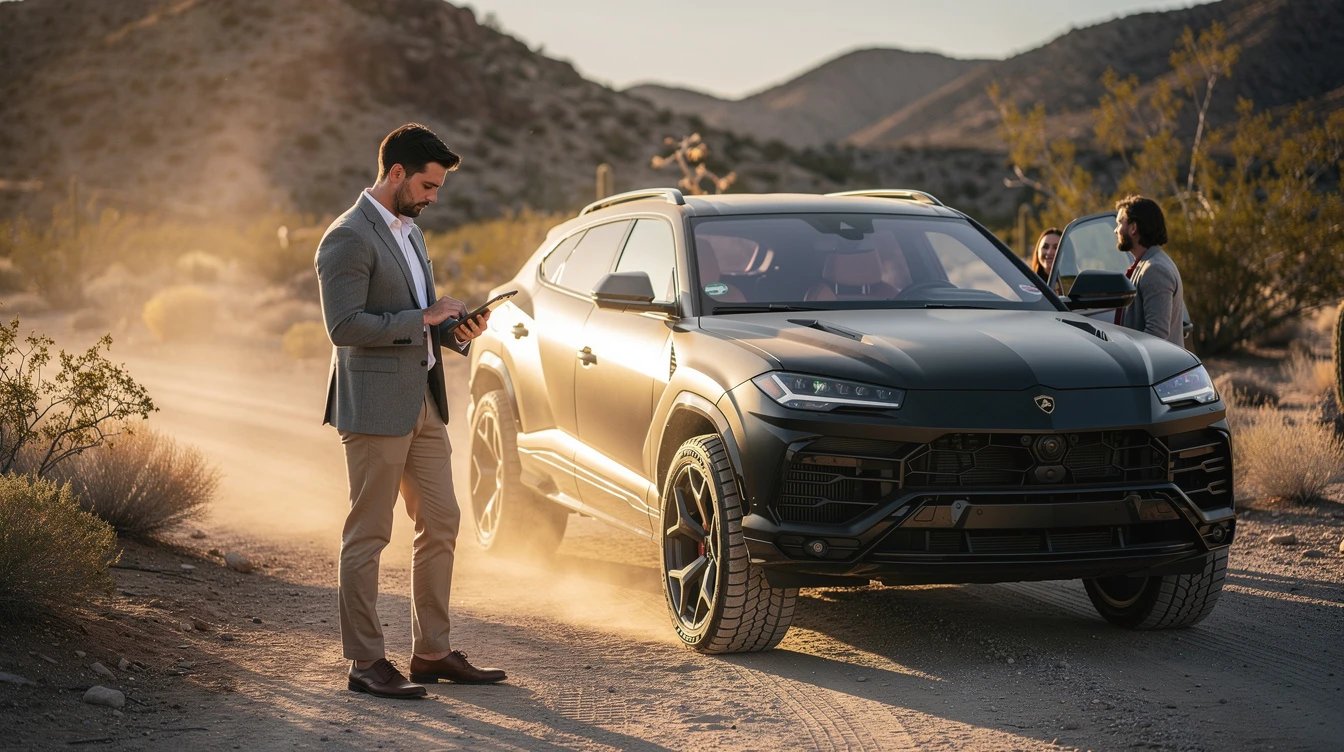
Insuring an exotic car is not the same as insuring a standard vehicle, and the difference matters a lot. Standard auto policies are written for vehicles that depreciate over time, but exotics often hold or increase in value, carry unique parts costs, and require specialized repair networks. If you own a Ferrari, Lamborghini, McLaren, Porsche, or similar high-value vehicle, a generic insurance policy could leave you seriously underprotected.
This guide walks through every major aspect of exotic car insurance: the coverage types you need, how insurers value these vehicles, what affects your premium, and how proper registration through a structure like a Montana LLC can work alongside your insurance strategy to reduce costs.
By the end, you will have a clear picture of what to ask for, what to avoid, and how to make sure your investment is fully protected on and off the road.
What Makes Exotic Car Insurance Different From Standard Auto Insurance
Standard auto insurance policies are built around market value, which means the insurer pays what your car is worth at the time of a loss, not what you paid for it. For most daily drivers, that is acceptable. For exotic vehicles, it creates a significant gap.
Exotic cars often appreciate in value, or at minimum hold steady. A rare limited-production supercar purchased today could be worth more in five years. A standard policy that pays “actual cash value” on a total loss would almost certainly underpay you.
Why Standard Policies Fall Short for High-Value Vehicles
Most mainstream insurers also cap coverage limits that are simply too low for vehicles priced above $150,000. They may not have approved repair shops in your network that can handle carbon fiber bodywork, specialized electronics, or proprietary drivetrain components. Using the wrong shop can void your manufacturer warranty and reduce the vehicle’s collectible value.
Exotic insurers, by contrast, allow you to choose your own repair facility, often provide agreed value coverage, and employ adjusters familiar with the actual costs of restoring high-end vehicles. The difference in a claim settlement can be substantial.
Agreed Value vs. Actual Cash Value: Which Do You Need?
This is the single most important coverage concept for exotic car owners. Agreed value means you and the insurer agree upfront on what the car is worth. If the vehicle is totaled, you receive that exact amount, no depreciation applied. Actual cash value means the insurer determines market value at the time of the loss, which may be significantly less than you expect.
For any exotic or collector vehicle, agreed value coverage is the standard you should insist on. Most specialty insurers offer it as a baseline.
Types of Coverage You Need for an Exotic Car
Insuring an exotic car requires building a coverage stack that reflects the vehicle’s true value and your usage patterns. Each layer protects a different risk category.
Ready to register your vehicle?
Join thousands of vehicle owners who use Dirt Legal to handle their registration quickly and hassle-free.
Register Your Vehicle Today → →Liability Coverage
Liability coverage is required in virtually every state and covers damage or injury you cause to others. For exotic car owners, it makes sense to carry higher limits than the state minimum. If you are involved in an accident in a $300,000 vehicle, the financial exposure on both sides is significant. Umbrella policies are a common addition for high-net-worth owners.
complete and Collision
complete covers non-collision events: theft, fire, hail, vandalism, and weather. Collision covers damage from accidents. Both should be written on an agreed value basis for exotic vehicles. Make sure your policy specifies that repairs must be performed at a shop of your choosing, or at a manufacturer-approved facility.
Specialty Coverages Worth Requesting
- Spare parts coverage: Protects aftermarket parts, spare wheels, and accessories stored separately from the vehicle.
- Track day coverage: Some exotic owners take their cars to the circuit. Most standard policies exclude track use entirely. Specialty insurers offer optional track day endorsements.
- Diminished value coverage: Even after a perfect repair, a vehicle that has been in an accident is worth less on the market. Diminished value coverage compensates for that loss.
- Roadside assistance and flatbed transport: Exotic cars often cannot be towed conventionally. Specialty policies include flatbed-only transport to prevent drivetrain damage.
- Loan or lease gap coverage: If you financed or leased your exotic, gap coverage pays the difference between what you owe and what the vehicle is worth at the time of a total loss.
For a broader breakdown of how auto insurance coverages work generally, the Dirt Legal guide on De-coding Car Insurance: Explanation of Car Insurance Coverages and What You Need to Know is a solid starting point before you call a specialty insurer.
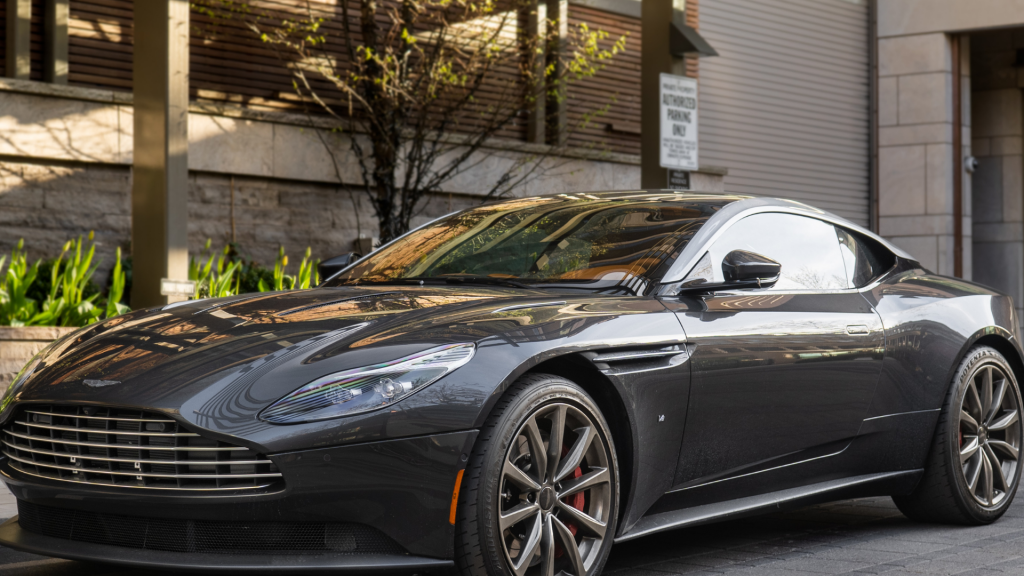
What Affects the Cost of Insuring an Exotic Car
Exotic car insurance premiums vary widely based on several factors insurers weigh carefully. Understanding them helps you position your application for the best possible rate.
Vehicle Value, Age, and Rarity
The agreed value you establish directly affects your premium. A $200,000 vehicle will cost more to insure than a $100,000 vehicle, all else equal. Rarity matters too because parts for low-production exotics are harder to source, which raises repair costs for insurers.
Age and collector status can actually work in your favor. Vehicles classified as collector cars typically have lower annual mileage, spend more time garaged, and are driven by experienced owners, all of which reduce risk in the insurer’s model.
Driver Profile and Usage Patterns
Your driving record, age, and experience level affect rates significantly. Specialty insurers often have stricter underwriting criteria than standard carriers. A clean record with no at-fault accidents in the past five years is generally required for the most competitive rates.
Usage patterns matter too. A vehicle driven 3,000 miles per year is a much smaller risk than one used as a daily driver. Many specialty policies include annual mileage limits, with lower mileage tiers priced more affordably. If you plan to use your exotic as a weekend or show vehicle, make sure that is accurately reflected in your application.
Storage and Security
Where and how you store the vehicle affects your premium. A garaged vehicle with a monitored alarm system, GPS tracking, and a steering wheel lock represents less theft and weather risk than one parked on the street. Some insurers offer meaningful discounts for documented security measures.
Geographic location matters as well. High theft rate areas and regions with severe weather carry higher complete premiums. This is one reason some exotic car owners look at how registration structures can affect overall vehicle ownership costs from a different angle.
Registration Strategy and How It Connects to Exotic Car Ownership Costs
Insurance is one piece of the total cost of owning an exotic vehicle. Registration and title structure are another, and the two are directly connected. The state where your vehicle is registered affects the fees you pay, whether sales tax applies, and in some cases what documentation insurers require.
Montana LLC Registration for High-Value Vehicles
Montana has no state sales tax. For an exotic car valued at $250,000, sales tax in a state like California or Florida can add $20,000 to $25,000 or more to the purchase price. Many exotic car owners own their vehicle through a Montana LLC to avoid that sales tax at the time of purchase.
Montana also has no vehicle inspections and no emissions testing requirements, which matters for modified or imported exotics. Vehicle registration costs through a Montana LLC are predictable and straightforward. The Hidden Perks of a Montana License Plate: A Tax-Saving Edge article covers how this structure works and who it makes sense for.
When registering a high-value vehicle through a Montana LLC, the title is held in the LLC’s name. This is a legitimate ownership structure used by collectors, enthusiasts, and fleet owners across the country.
Title Documentation and Insurance Verification
When you insure a vehicle held in an LLC name, you will need to list the LLC as the named insured or as an additional interest on the policy. Most specialty insurers are familiar with this structure and handle it routinely. Make sure your insurance agent understands how the title is held before binding coverage.
Proper title documentation also matters for agreed value coverage. Insurers will want an appraisal or proof of value at the time of policy inception. A clean title with no lien issues, salvage history, or odometer discrepancies makes this process much simpler. If you need to sort out title issues before insuring, the Dirt Legal guide on Should You Buy a Car Without a Title? What to Know Before Buying a Car Without a Title is worth reading before you close on a purchase.
You can also look at the Ride Legal resource on Protect Your Exotic Car Investment: Titling and Registration for a focused breakdown of how titling choices affect the long-term value and protection of high-end vehicles.
Exotic Car Insurance vs. Standard Auto Insurance: Side-by-Side Comparison
| Feature | Standard Auto Insurance | Exotic Car Insurance |
|---|---|---|
| Valuation method | Actual cash value (depreciated) | Agreed value (set at policy inception) |
| Coverage limits | Capped at standard thresholds | Written to match vehicle value |
| Repair shop choice | Insurer-preferred network | Owner-chosen or manufacturer-approved |
| Mileage flexibility | Unlimited typical use | Tiered mileage plans available |
| Track day coverage | Excluded | Optional endorsement available |
| Spare parts coverage | Rarely included | Often available as add-on |
| Flatbed transport | Standard tow only | Flatbed-only often included |
| Diminished value | Rarely covered | Available on specialty policies |
| Annual cost (rough range) | $1,000-$3,000/year for avg vehicle | $3,000-$15,000+/year depending on value |
Protecting your exotic starts with proper registration. See how Dirt Legal makes it simple, with no hidden fees and paperwork handled for you.
See How We Can Help With Your Vehicle Registration →
Frequently Asked Questions About Insuring an Exotic Car
What insurance company is best for exotic cars?
Several specialty insurers focus specifically on high-value and collector vehicles, including Hagerty, Grundy, American Collectors Insurance, and Chubb. These carriers offer agreed value coverage, specialist claims handling, and policy structures designed for low-mileage or collector-use vehicles. Standard insurers like GEICO or State Farm can write coverage for exotics in some cases, but their policies typically lack the agreed value and specialty repair provisions that make a real difference at claim time. Get quotes from at least two specialty carriers before deciding.
How much does it cost to insure an exotic car?
Annual premiums for exotic car insurance typically range from $3,000 to $15,000 or more per year, depending on the vehicle’s agreed value, the owner’s driving record, annual mileage, storage conditions, and location. A $200,000 supercar used as a weekend driver with a clean record and secure garage will typically land in the lower portion of that range. Daily-driven exotics, or those in high-theft metropolitan areas, can push premiums significantly higher. Some ultra-rare vehicles with agreed values above $1 million carry premiums well into five figures annually.
Do I need a special license to insure an exotic car?
No special license is required to insure an exotic car. You need a valid driver’s license in the state where you reside or where the vehicle is primarily operated. However, specialty insurers may require a clean driving record with no major violations in the past three to five years as a condition of underwriting. Some carriers also require a minimum age, often 25 or older, for the primary driver. Certain high-performance vehicles may trigger additional underwriting review regardless of your record.
Can I insure an exotic car registered under a Montana LLC?
Yes. Specialty insurers routinely write policies for vehicles held in LLCs, trusts, or other entities. You will need to list the LLC as the named insured or as an additional interest on the policy. Provide the insurer with the LLC’s formation documents and the vehicle’s Montana title. This structure is well understood in the specialty insurance market and does not typically create complications. Working with an insurance broker experienced in high-value vehicles and alternative ownership structures will make the process straightforward.
Does exotic car insurance cover track days?
Standard exotic car policies exclude track use, meaning any damage that occurs on a closed circuit is not covered. Some specialty insurers offer optional track day endorsements that extend coverage to closed-course events for an additional premium. These endorsements vary significantly in what they cover, so read the exclusions carefully. Some cover only amateur track days, not competitive racing. Separate dedicated track day insurance policies are also available through specialty brokers if your primary insurer does not offer a track endorsement.
What documentation do I need to insure an exotic car?
You will typically need the vehicle title, a current odometer reading, photos of the vehicle, a recent appraisal or proof of purchase price for agreed value purposes, and your driver’s license information. If the vehicle is held in an LLC or trust, include the entity’s formation documents. For modified or imported exotics, documentation showing compliance with applicable standards may be requested. Keeping complete records of any modifications and their costs strengthens your agreed value claim if you ever need to file one.
Does Montana registration affect my insurance rates?
Montana registration through an LLC does not directly determine your insurance rate, but your state of residence and where the vehicle is primarily operated do affect premiums. Insurers rate your policy based on where the car lives, not where it is titled. A vehicle registered in Montana through an LLC but garaged in California will be rated as a California-garaged vehicle for insurance purposes. Be transparent with your insurer about where the car is kept and how it is used. Misrepresentation of garaging location can result in a claim denial.
How do I get an agreed value appraisal for my exotic car?
Many specialty insurers accept recent purchase documentation as proof of value for newer exotics. For older, rarer, or modified vehicles, a formal appraisal from a certified independent appraiser is typically required. Organizations like the American Society of Appraisers or specialty auction houses can provide credible valuations. Some insurers have their own approved appraisers. Keep your appraisal current by reviewing it every two to three years, especially for vehicles in categories where market values have moved significantly.
Putting It All Together: Registration, Title, and Insurance Working as One
Protecting an exotic car properly means thinking about insurance, registration, and titling as a connected system, not three separate tasks. Your coverage is only as strong as the documentation behind it. Clean title, accurate ownership structure, proper valuation, and the right policy terms all work together to make sure a claim actually pays what your vehicle is worth.
If you are also thinking about how vehicle registration costs factor into your total ownership budget, the Dirt Legal article on Navigating Vehicle Registration Laws and Car Registration Requirements covers the broader landscape of state registration rules and what owners need to know. For collectors specifically, the Ride Legal piece on 5 Registration Mistakes That Hurt a Collector Car’s Value is a practical checklist worth reviewing before you finalize your registration approach.
Insuring an exotic car the right way takes a bit more work than calling a 1-800 number, but the protection it provides is worth every step. Start with the right coverage, hold your title in the right structure, and make sure both sides of your protection strategy are built to match the actual value of what you own.
Ready to make sure your exotic is properly registered and protected? Dirt Legal handles the DMV paperwork so you can focus on driving.
Start Your Registration Today, No Hidden Fees →