

Classic vehicle title solutions are not always obvious, and if you’ve ever tried to title a vintage car with a missing or incomplete paper trail, you already know the frustration. Whether you bought an antique at an estate sale with only a bill of sale, or you’ve been sitting on a barn-find muscle car for years, the path to a clean title can feel like a maze. This guide walks you through every realistic option, state-by-state nuances, and where professional help actually makes a difference.
We cover how to get a title for a classic car with only a bill of sale, what bonded titles and Vermont titling tricks really mean, and how Dirt Legal helps owners turn nightmare paperwork situations into clean, registered vehicles. By the end, you’ll know exactly which route fits your situation.
And if you’ve already done enough research and just want someone to handle the heavy lifting, you’re in the right place.
Why Classic Vehicle Title Solutions Are More Complicated Than Standard Titles
Titling a modern car is usually straightforward. You buy it, the dealer handles the paperwork, and your state DMV processes everything in a few weeks. Classic cars are a different story entirely.
Many vintage vehicles change hands multiple times over decades, often informally. Paper titles get lost in glove boxes, attics, and estate sales. Some states didn’t even require titles on vehicles built before a certain year, which means a perfectly original 1964 Ford Mustang might have zero paper trail at all.
Why Do Antique Cars End Up Without Titles?
The most common reasons a classic car loses its title chain include: the original owner passed away and the estate wasn’t properly handled, the vehicle was stored for 20-plus years and paperwork was discarded, multiple informal sales happened with only handshake deals or handwritten bills of sale, or the car was a project vehicle that was never fully registered. Each of these scenarios requires a different fix, and applying the wrong solution wastes months of your time.
What Makes Vintage Vehicle Title Service Different From Standard DMV Work?
Standard DMV staff process thousands of routine transactions. Unusual situations, like a 1957 Chevy with a bill of sale from 1989 and no prior title history, fall outside their daily workflow. Many DMV clerks will simply reject the application or send you on a loop of confusing requirements. That’s exactly why a dedicated classic car title and vintage vehicle title service exists. Specialists who work in this space every day know which forms to file, which states are more receptive to certain situations, and how to build a documentation package that holds up to scrutiny.
For a broader look at how vehicle registration requirements vary by state, check out Navigating Vehicle Registration Laws and Car Registration Requirements, which covers the key differences you need to know before you start the process.
How to Title Antique and Classic Cars: Your Main Options Explained
There is no single universal method for how to title antique and classic cars. The right path depends on what documentation you have, which state the car is currently in, and how clean the vehicle’s history is. Here are the primary routes most owners use.
Ready to register your vehicle?
Join thousands of vehicle owners who use Dirt Legal to handle their registration quickly and hassle-free.
How to Get a Title for a Classic Car With Only a Bill of Sale
A bill of sale is the starting point, not the finish line. To turn a bill of sale into a title, you typically need to go through one of three routes: a bonded title, a court-ordered title, or a title by registration through a state with favorable policies.
- Bonded Title: You purchase a surety bond equal to 1.5 times the vehicle’s value, file it with your state DMV, and receive a branded title. After a set period (typically 3 years), the bond expires and you receive a clean title. Most states that offer this route require a current vehicle inspection and a bill of sale or affidavit of ownership.
- Vermont Title Trick: Vermont allows owners to register vehicles over 15 years old using only a bill of sale. Once registered in Vermont, you can transfer that registration and title to your home state. This works in most states but has specific timing and documentation requirements.
- Court-Ordered Title: A judge issues a title order after you provide evidence of ownership. This is the slowest and most expensive route but is sometimes the only option when other methods are unavailable.
The Should You Buy a Car Without a Title? What to Know Before Buying a Car Without a Title article digs deeper into the risks and realities of untitled vehicle purchases, which is worth reading before you hand over any money.
Duplicate Title Applications for Lost Originals
If the car was previously titled in your name or the seller can prove continuous ownership, applying for a duplicate title through the issuing state is often the fastest fix. You’ll need the vehicle’s VIN, proof of identity, and a small fee. The Montana Motor Vehicle Division handles duplicate title requests if the original title was issued in Montana.
Title Transfers for Classic Cars Bought Out of State
Buying a classic car from another state adds another layer. You’ll need the seller to sign off on the back of the existing title (or a title transfer form), and you’ll bring that to your home state DMV to convert it. Problems arise when the out-of-state title is old, damaged, or has lienholders listed who no longer exist. Read more about avoiding common errors in The 5 Biggest Out-of-State Registration Mistakes (And How to Avoid Them) before you start.

How to Solve Nightmare Classic Car Title Issues
Some classic car title situations are genuinely complicated. Multiple missing links in the ownership chain, titles in deceased owners’ names, VINs that don’t match DMV records, or vehicles that were never titled in any state. These are not standard DMV situations, and trying to resolve them at the counter often makes things worse.
Vehicles With VIN Discrepancies
Older vehicles sometimes have VIN plates that were replaced, are partially obscured by rust or repairs, or don’t match what’s on record. Before doing anything else, run a VIN check to understand exactly what’s in the system. Knowing what data is attached to your vehicle’s VIN before you file paperwork prevents surprises. How to Spot a Fake Vehicle VIN Check: Protect Your Investment explains what to look for and how to verify your report is legitimate.
Titles in a Deceased Owner’s Name
This is one of the most common nightmare scenarios. If the previous owner passed away without transferring the title, you’ll typically need a copy of the death certificate, a letter of testamentary or small estate affidavit (depending on the state), and sometimes court involvement. The process varies significantly by state. Working with a title specialist who handles these cases regularly is usually faster than going it alone.
Montana LLC Registration as a Classic Car Title Solution
One route that many classic car collectors use is registering through a Montana LLC vehicle registration. Montana has no sales tax on vehicle purchases, no emissions testing, and no annual inspection requirements. For high-value antiques where sales tax alone could run into five figures, this approach offers meaningful financial benefits. Montana also has favorable title processing policies for older vehicles.
The Hidden Perks of a Montana License Plate: A Tax-Saving Edge article covers why collectors in particular find this route worth considering, beyond just the registration convenience.
It’s also worth noting that Ridelegal.com published a useful resource on The 11-Year Rule and Montana LLCs for Collectors, which explains how the Montana LLC approach specifically applies to collectible and classic vehicles.
| Situation | Recommended Solution | Typical Timeline | Relative Difficulty |
|---|---|---|---|
| Lost title, seller still available | Duplicate title from issuing state | 2-6 weeks | Low |
| Bill of sale only, no title history | Vermont registration or bonded title | 4-10 weeks | Medium |
| Title in deceased owner’s name | Estate affidavit + title transfer | 6-16 weeks | High |
| Multiple missing ownership links | Bonded title or court-ordered title | 8-20 weeks | High |
| High-value classic, sales tax concern | Montana LLC registration | 3-6 weeks | Low (with help) |
| Out-of-state title transfer | Title transfer + home state registration | 2-8 weeks | Medium |
Title and Registration Processing for Classic Cars: What to Expect
Once you have a clear path to your title, the actual registration process for a classic car follows a fairly predictable sequence. Understanding the steps in advance saves time and prevents paperwork from bouncing back.
What Documents Are Typically Required?
For most classic car title and registration applications, you’ll need some combination of the following:
- Proof of ownership (title, bill of sale, affidavit, or court order)
- Photo ID and proof of address
- Completed title application form from your state
- Odometer disclosure (required for vehicles under 10 years old in most states)
- Proof of insurance
- Payment for title and registration fees
Montana’s official fee schedule is available through the Montana Vehicle Title and Registration page, which breaks down exactly what you’ll pay based on vehicle age and value.
Antique and Historic Vehicle Designations
Many states offer a special antique or historic vehicle plate and registration category for cars over 25 or 30 years old. These registrations often come with reduced fees and fewer renewal requirements, but they may restrict how often the vehicle can be driven. If your goal is a fully street-usable classic rather than a show car, check your state’s specific restrictions before choosing this designation.
How Long Does Classic Car Title Processing Take?
Timeline varies based on the complexity of your situation and the state involved. Straightforward duplicate title requests typically take 2 to 6 weeks. Bonded title applications average 6 to 10 weeks once the bond is in place. Court-ordered titles can stretch 3 to 6 months. Working with a title specialist who already knows the filing requirements cuts processing time significantly, because applications come in correctly the first time rather than being rejected and refiled.
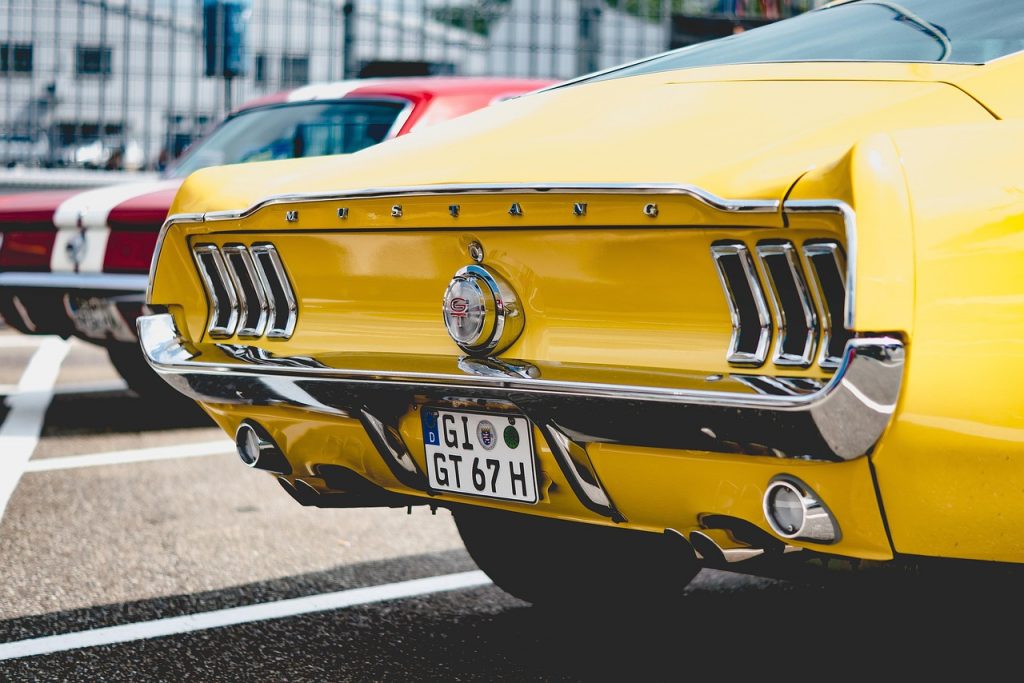
Antique Cars: We Are Your Title Experts
Dirt Legal started because of a simple problem. We wanted to register our own dirt bikes, and there was no easy way to do it. No clear process, no service that made it simple, just confusing paperwork and conflicting information from DMV offices. So we figured it out ourselves, and then we built a service so nobody else had to go through the same headache.
That was ten years ago. Since then, we’ve helped thousands of people register vehicles across a wide range of situations, not just dirt bikes. Classic cars, motorcycles without titles, vintage trucks, RVs, and antiques with complex ownership histories. The core of what we do hasn’t changed: cut through the paperwork confusion and get your vehicle properly registered.
If you’ve been dreaming of that classic car but dreading the title paperwork, or if you already own one and it’s been sitting because the title situation is a mess, this is exactly the kind of problem we know how to solve. You can learn more about how the process works before you commit to anything.
We also have a post on some of the most iconic vehicles in history if you want a little inspiration: If You Could Travel Back in Time, What Classic Car Would You Drive? Iconic Cars Through History. It’s a fun read while you’re waiting for your paperwork to process.
Frequently Asked Questions About Classic Vehicle Title Solutions
Can I get a title for a classic car if I only have a bill of sale?
Yes, in most cases you can. A bill of sale alone isn’t enough to register a vehicle in most states, but it is typically a required starting document for bonded title applications, Vermont-route registrations, and some court-ordered title processes. The bill of sale establishes the transaction and helps demonstrate a reasonable ownership claim. A title specialist can review your specific situation and recommend the fastest path based on your state and the vehicle’s history.
What is a bonded title and how does it work for antique vehicles?
A bonded title is issued when you can demonstrate a good-faith ownership claim but cannot produce a clear chain of title. You purchase a surety bond from an insurance or bonding company, typically equal to 1.5 times the vehicle’s appraised value. The DMV then issues a title marked “bonded.” If a legitimate prior owner makes a claim within the bond period (usually 3 years), the bond covers any financial loss. After the bond period expires without a claim, you can typically receive a clean title. This process is available in most U.S. states and works well for many classic car situations.
Does Montana LLC registration work for classic cars?
Yes, and it’s a particularly popular route for high-value antique cars. Montana has no sales tax, no emissions testing, and no mandatory safety inspections. Registering through a Montana LLC means you pay no sales tax on the vehicle’s purchase price, which on a $80,000 classic car could mean saving $5,000 to $8,000 or more depending on your home state’s tax rate. Montana also has favorable policies around older vehicles without complete title histories. Check the Montana Motor Vehicle Division for official details on title requirements.
How do I title a classic car that was in a deceased person’s name?
This requires going through the estate process for the prior owner. Depending on the estate’s size and your state’s laws, you may be able to use a small estate affidavit, or you may need letters testamentary from probate court. You’ll generally need the deceased owner’s death certificate, the existing title, and the appropriate estate documentation. The process typically takes several weeks to several months. A title specialist who handles these cases regularly can identify the most direct path for your specific state.
Are there states that are easier for classic car title processing?
Yes. Vermont is well-known for allowing registration of older vehicles (15 years or older) using only a bill of sale, without requiring a previous title. South Dakota and Montana also have reputation for efficient, less restrictive title processing for older vehicles. The South Dakota Division of Motor Vehicles is a useful resource if you’re considering that route. Keep in mind that using another state’s title as a stepping stone to get to your home state’s title adds steps, but it is a well-established approach.
What’s the difference between an antique plate and a regular registration for a classic car?
An antique or historic vehicle registration typically applies to cars 25 or more years old (the cutoff varies by state) and usually comes with lower fees and fewer renewal requirements. However, many states restrict how antique-plated vehicles can be used, such as limiting them to parades, shows, and occasional pleasure drives. If you drive your classic regularly, a standard registration may be more practical even if it costs a bit more. Read your state’s specific rules carefully before choosing, since violating use restrictions can create insurance and compliance complications.
How long does it take to get a title for a classic car?
It depends heavily on which method you’re using and your state’s processing times. A duplicate title for a vehicle with an existing, clear history typically takes 2 to 6 weeks. Bonded titles generally run 6 to 10 weeks once the bond is placed and filed. Court-ordered titles can take 3 to 6 months or longer depending on court schedules. Working with a specialist who submits complete, correct applications the first time reduces rejections and restarts, which are the biggest cause of delays.
Classic vehicle title solutions don’t have to be the nightmare they’re often made out to be. Whether you’re working through a bill-of-sale-only purchase, a title stuck in a deceased estate, or a high-value antique where Montana LLC registration makes financial sense, there is a clear path forward for nearly every situation. Dirt Legal has spent ten years building the expertise and processes to handle exactly these kinds of cases. See our pricing and get started today, and let us take the paperwork off your plate so you can focus on what matters: getting that classic on the road.