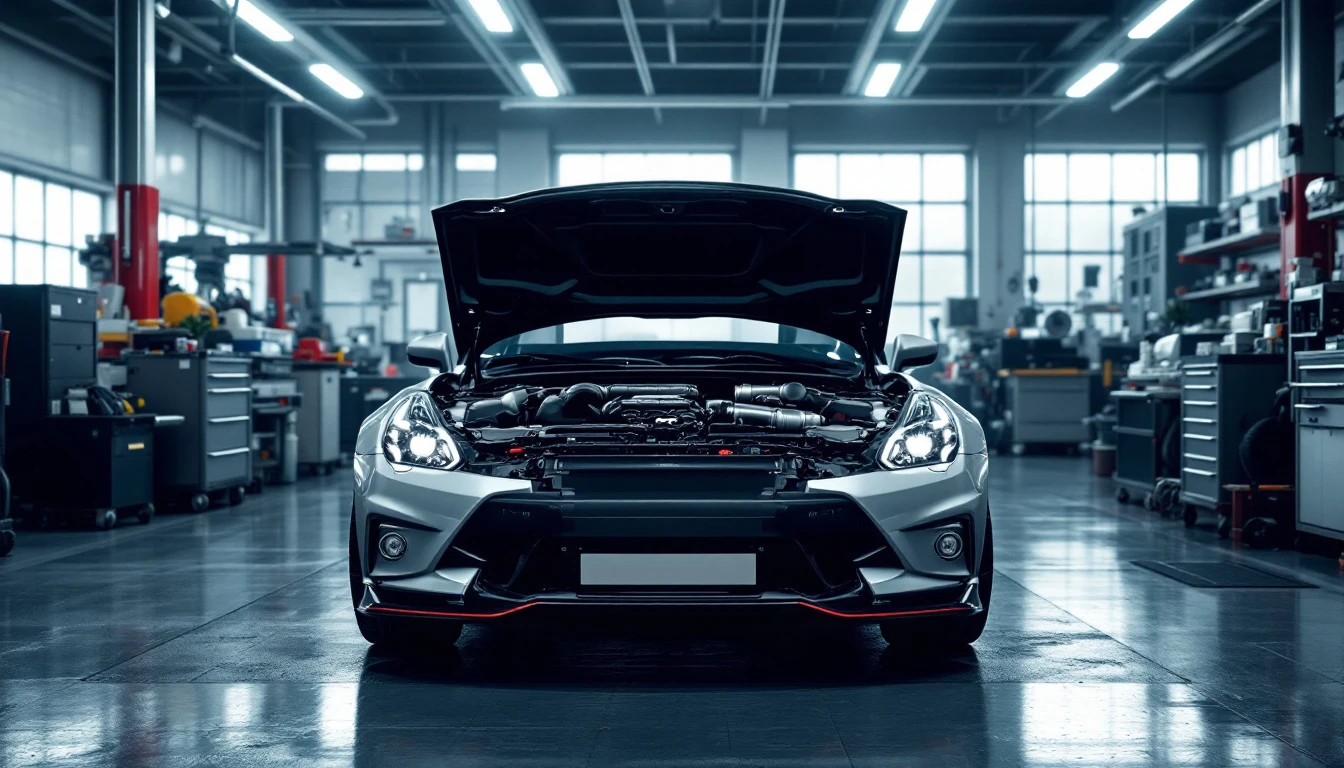

Start With Your Vehicle
A well-maintained vehicle gives you more control in unpredictable situations. Key systems like brakes, tires, and lights play a direct role in how safely you can respond on the road.
According to the National Highway Traffic Safety Administration, proper vehicle maintenance is a critical part of preventing crashes and reducing risk.
Make it a habit to regularly check:
- Tire pressure and tread depth
- Brake condition
- Headlights and signals
- Fluid levels (oil, coolant, brake fluid)
Skipping these basics can turn a minor situation into a serious problem.
Practice Defensive Driving
Staying safe isn’t just about your vehicle—it’s also about how you drive.
The U.S. government’s official safety resources emphasize that attentive, defensive driving significantly reduces accident risk.
Focus on:
- Keeping a safe following distance
- Anticipating other drivers’ behavior
- Avoiding distractions like texting or adjusting controls while driving
- Adjusting your speed in traffic or poor weather conditions
Small decisions behind the wheel can have a big impact on your safety.
Stay Ahead of Problems
Consistent upkeep helps prevent both accidents and costly repairs. A vehicle that’s regularly inspected and maintained is far less likely to fail when you need it most.
The U.S. Department of Transportation highlights that proactive maintenance and safe driving habits work together to reduce roadway incidents.
Simple actions—like routine inspections and addressing minor issues early—can make a significant difference in how your vehicle performs under pressure.
Not Sure How the DMV Process Actually Works?
If you’ve ever felt stuck dealing with vehicle paperwork, you’re not alone. Many drivers assume everything has to go through the DMV—but that’s not always the case.
In reality, there are multiple ways vehicle titling and registration get handled, including dealerships, county offices, and authorized third parties.
Read more here: Why the DMV Doesn’t Control Every Step of Vehicle Titling and Registration
Understanding how the system works can help you avoid delays, reduce frustration, and move forward with the right approach.
Make Sure Your Vehicle Is Road-Ready
Safety also depends on whether your vehicle is fully ready for the road. Missing paperwork, title issues, or incomplete registration can limit how and where you drive—and create unnecessary complications.
If you’re dealing with paperwork challenges, getting everything sorted out can help you stay focused on driving—not logistics.
That’s where Dirt Legal comes in.
We help simplify complex paperwork so you can get your vehicle properly registered without the usual confusion or delays.
See how to get your vehicle set up.
The Bottom Line
Avoiding accidents comes down to two things: a well-maintained vehicle and smart driving habits. When you combine both, you give yourself the best chance of staying safe in any situation.
Stay prepared, stay aware, and make sure your vehicle is ready for the road every time you drive.
FAQ
How can we prevent road accidents?
Preventing road accidents starts with visibility, awareness, and consistency. Simple actions—like maintaining your vehicle, using proper lighting, and staying alert to your surroundings—can significantly reduce risk. Defensive driving, predictable signaling, and keeping your vehicle fully road-ready all work together to create a safer driving environment for everyone.
What are the 5 E’s of accident prevention?
The 5 E’s are a widely used framework for improving road safety:
- Education – Teaching drivers safe habits and awareness
- Enforcement – Applying traffic laws to reduce risky behavior
- Engineering – Designing safer roads and vehicle systems
- Environment – Accounting for weather and road conditions
- Emergency Response – Ensuring fast, effective response when incidents occur
Together, these elements create a more structured and proactive approach to reducing accidents.
How can we prevent road accidents in everyday driving?
In day-to-day driving, accident prevention comes down to small, consistent habits. Keep your lights functioning properly, follow speed limits, maintain safe distances, and anticipate what other drivers might do next.
Staying proactive—rather than reactive—helps you avoid sudden risks and keeps your driving smooth, controlled, and predictable.