The History of the Humvee
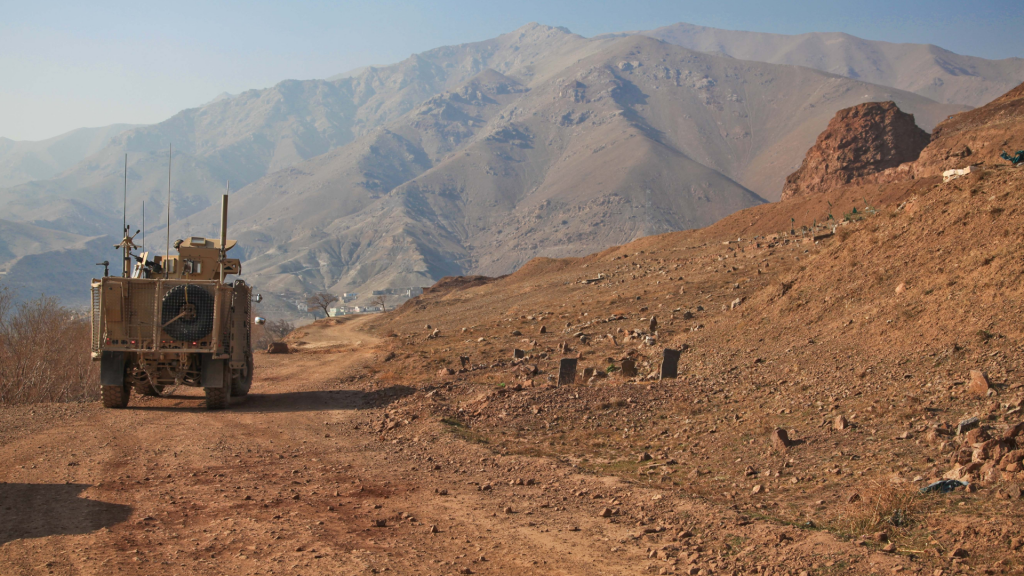
The Humvee was introduced to replace several aging military vehicles, including the M151 Jeep. Its design focused on durability, modularity, and off-road capability.
According to the U.S. Army overview of the Humvee, the vehicle was engineered to support a wide range of missions, from troop transport to weapons platforms and medical evacuation vehicles.
Unlike many civilian vehicles that change every few years, military equipment often remains in service for decades. For example, aircraft such as the B-52 bomber, which first flew in the 1950s, are still expected to remain operational for many years, as reported by Air & Space Forces magazine.
This long lifecycle is one reason Humvees are still widely recognized today.
Humvee Engines and Powertrain Evolution
Early Humvees were equipped with the 6.2-liter Detroit Diesel engine, known for its reliability but modest performance.
The engine produced roughly:
-
185 horsepower
-
330 lb-ft of torque
Later versions transitioned to the 6.5-liter turbo diesel, providing improved power and better overall performance.
The vehicle was paired with the Turbo-Hydramatic 400 transmission, a durable three-speed automatic transmission commonly used in heavy-duty vehicles of the era.
While Humvees are not designed for high speeds, their strength lies in off-road mobility, torque delivery, and rugged durability.
For those interested in the technical evolution of the Humvee and how these upgrades have impacted its performance, here are some helpful resources:
Humvee Powertrain Upgrades: What You Need to Know
The Evolution of the Humvee Engine: 6.2L vs. 6.5L
Understanding Turbochargers and How They Improve Vehicle Performance
Civilian Interest in Humvees
Public interest in Humvees increased significantly when AM General introduced the civilian Hummer H1 in the early 1990s.
According to Motor Trend, the H1 closely resembled the military vehicle but included comfort features such as:
-
Air conditioning
-
Upholstered seating
-
Interior trim
High-profile owners—including actor Arnold Schwarzenegger—helped popularize the vehicle among civilian buyers.
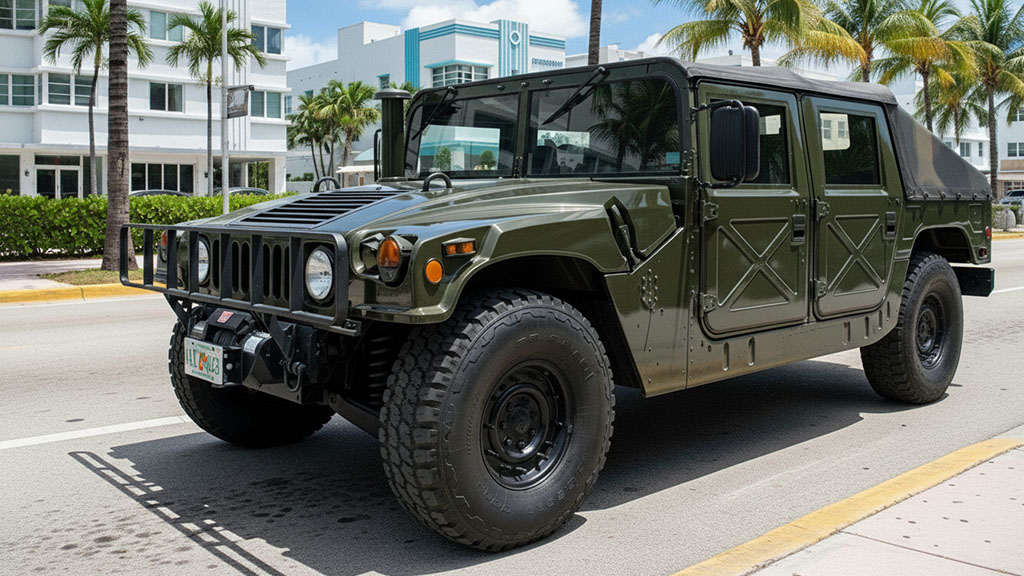
Although the Hummer brand later expanded with the H2 and H3 models, the original H1 remained the closest civilian version of the military Humvee.
Where Surplus Humvees Are Sold
Surplus Humvees began appearing in government auctions in large numbers around 2014, when thousands of retired vehicles became available to the public.
Many of these vehicles are sold through major auction platforms such as:
These auctions often include various configurations of Humvees, ranging from lightly used transport vehicles to heavily modified tactical variants.
Because many of these vehicles were originally designed for military use, buyers should expect them to require restoration, maintenance, or modification before civilian use.
Registration and Titling Considerations
One of the most important factors to consider before purchasing a surplus Humvee is the registration and titling process.
Military vehicles are not originally built for civilian road use, which means buyers may encounter additional requirements when attempting to register them.
Requirements often vary depending on:
-
the vehicle model year
-
emissions standards
-
state inspection programs
For example, some states require emissions testing or safety inspections before allowing vehicles to be registered. Information about vehicle emissions requirements can be found through the U.S. Environmental Protection Agency.
Because of these requirements, many buyers research registration pathways before purchasing a surplus military vehicle.
Common Challenges New Owners Face
Buying a surplus Humvee can be exciting, but it also comes with unique challenges.
Common issues include:
-
Missing titles or incomplete paperwork
-
Military documentation such as SF-97 forms
-
Registration requirements that vary by state
-
Mechanical restoration or maintenance needs
These factors make it important to understand the full ownership process before placing a bid at auction.
Navigating the Registration Process
Registering specialty vehicles like military trucks often involves navigating complex paperwork and multiple government agencies.
Because procedures can differ significantly between states, many owners look for guidance when working through vehicle documentation requirements.
Registration assistance services help vehicle owners prepare documentation, coordinate with state agencies, and move forward with a Hassle-Free process.
Our team specializes in obtaining new titles and registrations for Humvees and other tactical vehicles by collaborating with reputable DMVs in states that do not mandate inspections or emissions testing for these types of vehicles. Please read this article to learn more:
Here’s How to Find a Military Recovery Vehicle and Make It Street Legal.
Humvee Titling & Registration FAQ
Do military Humvees have license plates?
Active-duty military Humvees typically do not use standard state-issued license plates. Instead, they display military registration numbers assigned by the Department of Defense.
When a surplus Humvee is purchased by a civilian, it must be properly titled, tagged, and registered in accordance with state requirements before it can be driven on public roads.
How to make a Humvee street legal?
To drive a Humvee on public roads, the vehicle must:
-
Have valid ownership documentation (such as government auction paperwork)
-
Receive a state-issued title
-
Meet any applicable equipment or inspection standards
-
Be registered and issued license plates
Because military vehicles were not originally manufactured for civilian road use, the process may involve additional documentation or state-specific procedures.
How Dirt Legal Helps
Dirt Legal assists vehicle owners by:
-
Securing new titles for military surplus vehicles
-
Handling registration paperwork
-
Working with appropriate state agencies
-
Helping owners navigate state-specific requirements
By managing the documentation and filing process, Dirt Legal helps simplify the path to getting a Humvee properly titled and registered.
Are Humvees legal to drive?
Humvees can be driven on public roads if they are properly titled, registered, and meet applicable state requirements.
Military-issued Humvees are not automatically approved for civilian road use. However, once transferred through a surplus auction and processed through the appropriate titling and registration channels, they can be operated in many states.
How Dirt Legal Helps
Dirt Legal works with owners of military and specialty vehicles to:
-
Obtain valid titles
-
Secure registration
-
Coordinate with states that accommodate specialty and tactical vehicles
-
Help ensure required documentation is properly submitted
Requirements vary by state, but with proper titling and registration completed, Humvees can be driven on public roads in many parts of the country.
Is a Surplus Humvee Right for You?
Owning a surplus Humvee offers a unique opportunity to own a piece of military engineering history.
These vehicles are known for their durability, off-road capability, and unmistakable design.
However, prospective buyers should carefully research:
-
auction sources
-
vehicle condition
-
documentation requirements
-
registration pathways
Taking time to understand these factors can help ensure the purchase process goes smoothly.
Start your Humvee titling and registration process with Dirt Legal today.