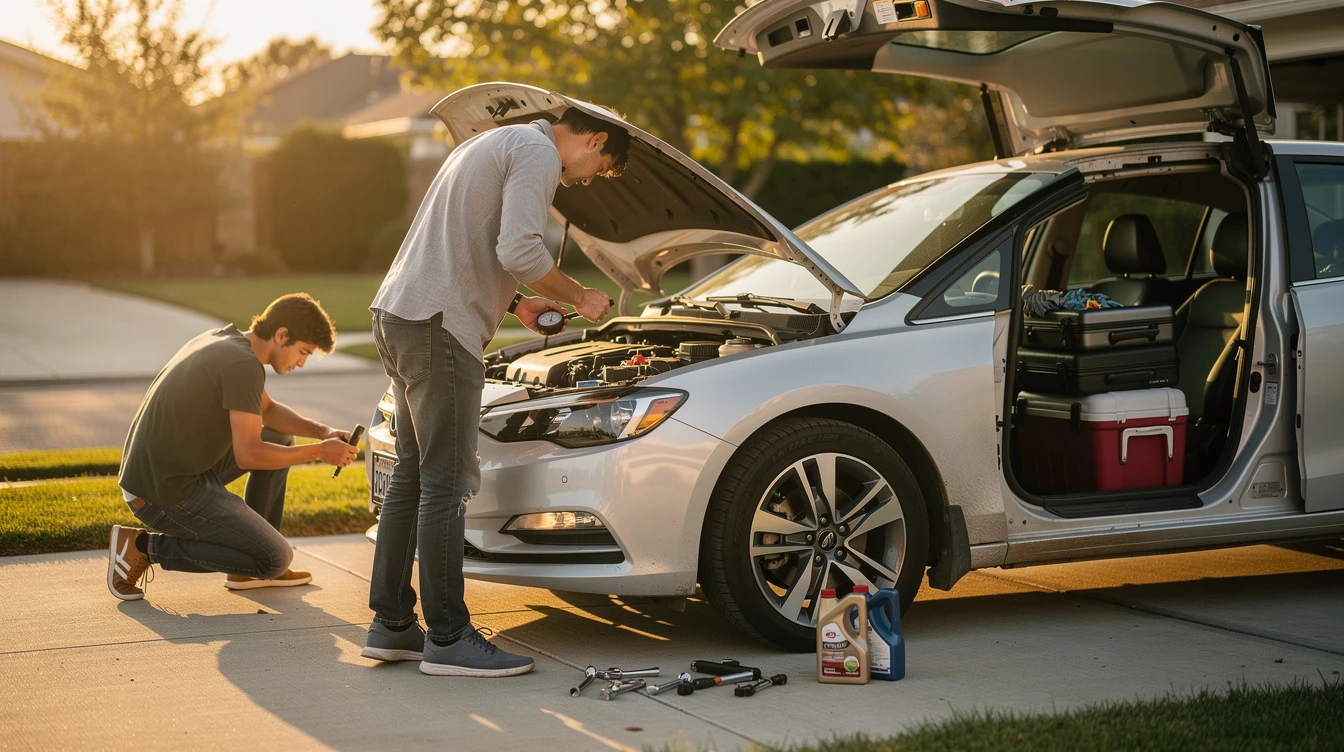

A street-legal vehicle is any motor vehicle equipped with the specific safety features and registration documentation required by state law to operate on public roads. These requirements generally include functioning headlights, taillights, brake lights, turn signals, mirrors, a horn, and a DOT-approved tire configuration.
Essential Safety Features Make a Vehicle Street-Legal
Every street-legal vehicle must be fitted with specific lighting and signaling components to ensure visibility and communication with other drivers. The Highway Safety Act requires that any machine operating in traffic must have high and low beam headlights, red taillights, and active brake lights that clarify upon pedal or lever depression.
- Lighting: Headlights and taillights are mandatory for operation at night.
- Signaling: Turn signals and hazard lights allow for clear intent communication.
- Visibility: At least one rearview mirror is a standard requirement for checking blind spots.
- Sound: A functioning horn is necessary to alert pedestrians or other drivers.
State-Specific Registration Requirements Vary Widely

Vehicle registration costs and rules differ significantly based on the state where the vehicle is titled. While some states like Montana offer a more streamlined process for registration, other regions require rigorous safety inspections or emissions tests before granting a license plate. A vehicle must have a valid registration document and a matching title to be considered fully compliant for road use.
Ready to register your vehicle?
Join thousands of vehicle owners who use Dirt Legal to handle their registration quickly.
Register Your Vehicle Today →| Requirement | Common Standard |
|---|---|
| Insurance | Liability coverage is mandatory in almost all US states. |
| Title | Proof of ownership via a state-issued certificate of title. |
| VIN | A unique 17-character Vehicle Identification Number is required. |
| Emission | Varies by county; some areas mandate biannual checks. |
Understanding these processes is crucial for owners who want to avoid title issues. You can find more detail on how to What is the best proof of vehicle ownership? in our guide.
The Role of the Manufacturer’s Statement of Origin
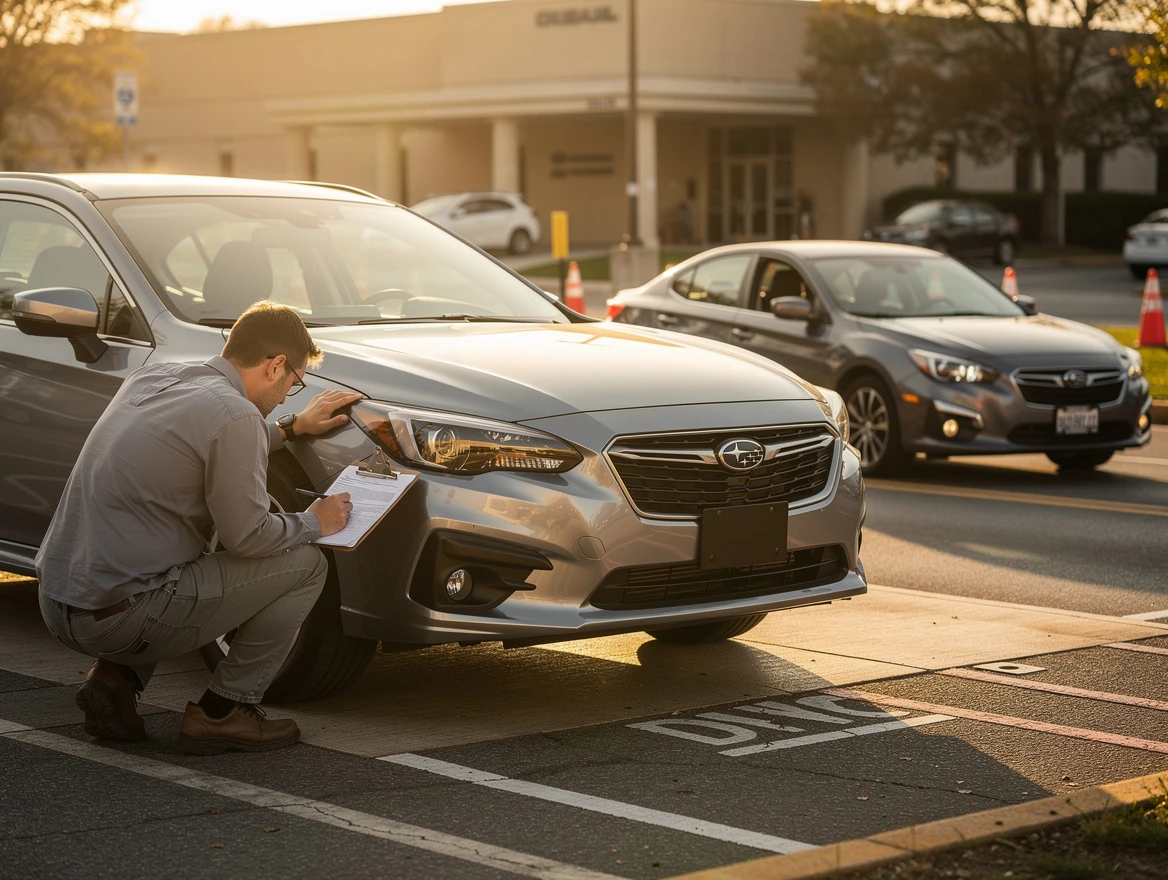
A Manufacturer’s Statement of Origin, also known as an MSO, is a security document provided by the manufacturer that serves as the birth certificate for a vehicle. This document is essential for creating the first title in a state, as it provides the factory-assigned VIN and specifications required by the DMV.
- The manufacturer issues the MSO to the first buyer.
- The buyer presents the MSO to the local motor vehicle office.
- The office assigns a title based on the MSO information.
If you are working with powersports, our partners at Ride Legal, Motorcycle & Powersport Registration can provide specialized support. You can also look into the Manufacturer’s Statement of Origin (MSO): What It Is and Why It Matters for Your Vehicle Title to see why this paper matters.
Common Penalties for Non-Compliant Vehicles
Operating a vehicle that does not meet the standards can lead to fines, impoundment, or forced off-road restrictions. Title jumping, which to buying a vehicle and selling it without titling it in your name first, is a major cause of registration invalidation and carries significant risks. The most frequent reason documents come back for correction is Odometer compliance (internal data, rolling last 90 days, n=54). Always make sure your documentation is accurate before operating on public pavement.
How do I make my UTV street-legal?
Making a UTV street-legal requires adding safety equipment like mirrors, turn signals, and a license plate light. Once the hardware is installed, you must work through the registration process for a road-legal title and plate. You can read more about UTV Street-Legal States: Which States Allow Side-by-Sides on Public Roads to see if your area permits this.
What is the penalty for title jumping?
The penalty for title jumping can include heavy fines, suspension of driving privileges, and potential criminal charges. Title jumping creates a gap in the ownership chain, making it impossible to establish a clear history for the vehicle and causing massive headaches during future registration attempts.
Does every state allow the same equipment?
No, equipment standards change from one state to another. While most states require basic lighting, some enforce specific DOT tire requirements or windshield standards. Research the local laws in your specific county to verify exactly which modifications are required for your vehicle to comply with local codes.
What happens if my registration is expired?
Driving with expired registration can lead to traffic citations and additional penalties depending on how long the tags have been overdue.