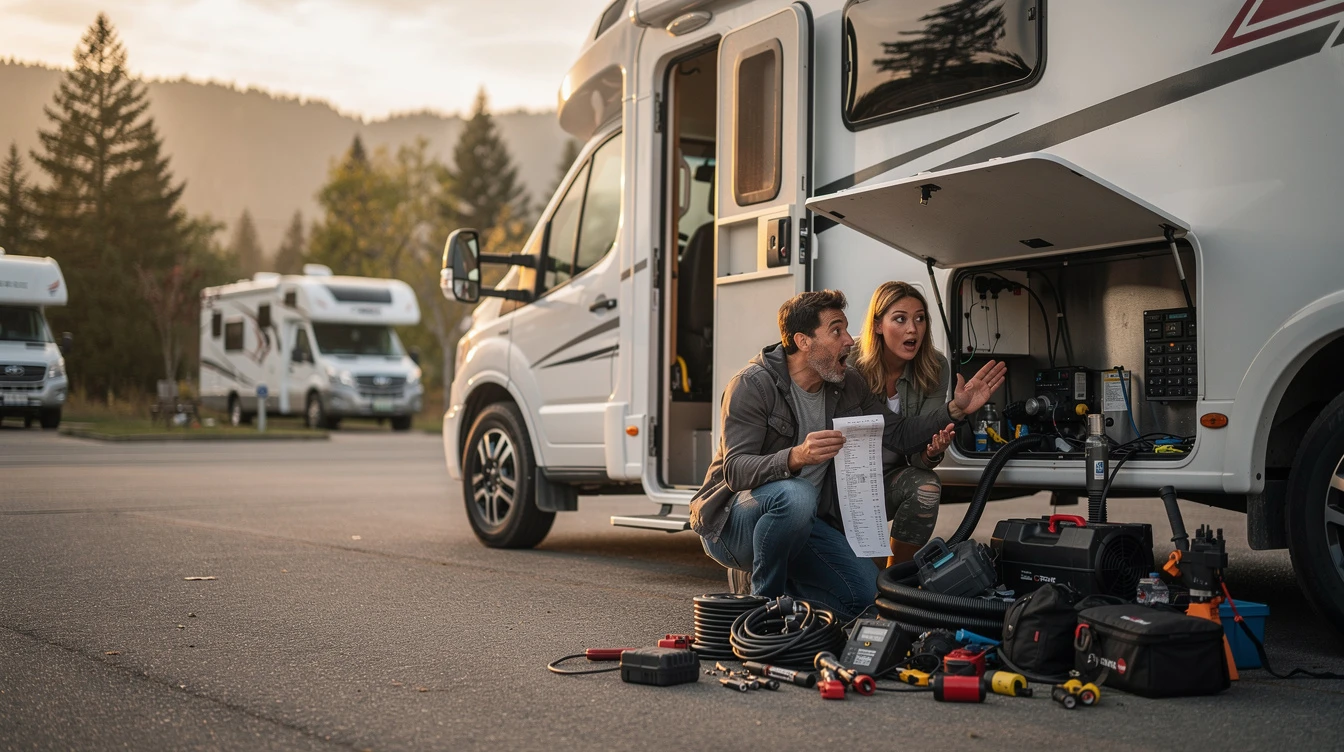
The most common hidden cost that catches first-time RV owners off guard is the significant variance in state-level sales tax and registration fees, which often surprise buyers who assume these charges are calculated based solely on the vehicle price. Because recreational vehicles are high-value assets, registering them in a state with high personal property tax or sales tax can instantly add thousands of dollars to your initial ownership expense. Understanding how your home state structures these costs before you purchase is the most effective way to protect your budget.
State Registration Taxes Often Surprise First-Time RV Owners
Many new owners arrive at the local motor vehicle office expecting to pay a standard fee, only to find that their home state treats RVs as elevated property subject to heavy annual taxes. In states with high ad valorem taxes, the cost of keeping your vehicle on the road can increase based on its fair market value, creating a recurring financial burden that many enthusiasts fail to research. A more detailed breakdown is available in Does Montana Have Sales Tax on Vehicles? Here’s the Full Story.
The Impact of Local Tax Jurisdictions
Beyond state taxes, local municipalities often tack on secondary assessments that catch owners by surprise. These can be billed as municipal registration surcharges or county-specific property taxes that depend entirely on where your vehicle is parked. If you are researching these costs, you will find that a remote paperwork support renewal in one county might cost five times more than in a neighboring jurisdiction just a few miles away.
Why High-Value Assets Trigger Different Fee Structures
Most states do not treat a travel trailer or motorhome the same way they treat a commuter sedan. Because these assets hold high value and are often used for leisure, state legislatures frequently place them in higher fee brackets for registration. This disparity is why many owners look for alternative ways to handle the paperwork, such as those discussed in How to Register a Car in Montana Without Living There (The Complete Montana LLC Method).
Unexpected Title Transfer Fees and Document Costs

The title transfer process is another area where hidden costs accumulate rapidly. While the sticker price of the RV is one thing, the administrative overhead associated with moving a title across state lines or clearing a lien can be substantial. When documents need correction, 53.8% are resolved by our QC team without sending the order back to the customer (internal data, rolling last 90 days, n=80). This highlights how often paperwork errors lead to additional, unplanned trips to the DMV or expedited filing fees.
Ready to register your vehicle?
Join thousands of vehicle owners who use Dirt Legal to handle their registration quickly and hassle-free.
Register Your Vehicle Today → →The Reality of Out-of-State Title Work
If you purchase your RV from a private seller in a different state, you are essentially at the mercy of that state’s unique document requirements. You might need a specialized VIN inspection, a notarized bill of sale, or a specific type of lien release that your local office requires to complete the title transfer. These delays often result in you paying for temporary permits, extended insurance, or storage fees while waiting for your official documentation to arrive.
Avoiding Title Jumping and Paperwork Pitfalls
Title jumping occurs when a seller fails to register the vehicle in their own name, leaving you with a chain of title that is incomplete and potentially impossible to clear. The penalty for title jumping often includes late fees, back-taxes, and the need for a bonded title, which is a significant and avoidable cost. You can learn more about securing your ownership documents in What Is the Best Proof of Vehicle Ownership? A Complete Document Guide.
Storage and Insurance Premiums as Hidden Expenses
While often ignored during the purchase process, the cost of storing an RV can easily exceed $200 per month depending on your location. insurance premiums for high-value recreational vehicles are not comparable to standard auto policies. Many owners find after the purchase that their insurance quotes are significantly higher than anticipated because they did not account for the specialized coverage required for full-time or seasonal use.
Insurance Variance by Region
Insurance companies adjust their rates based on the state where the vehicle is registered, not just where it is stored. Registering in a state with lower vehicle insurance mandates or a different risk profile can often lead to substantial long-term savings. This is a common topic for seasonal owners looking for options, as explained in How Seasonal Drivers Can Save Money on Registration and Insurance.
The True Cost of Maintenance and Repairs
An RV is a complex machine that combines the mechanical needs of a truck with the infrastructure of a house. Leaks, electrical issues, and tire replacements occur more frequently than most buyers anticipate. Setting aside a contingency fund of 5% of the vehicle purchase price annually is a standard recommendation to cover these unavoidable repairs.
| Hidden Cost Factor | Typical Impact | Frequency |
|---|---|---|
| State Sales Tax | High (Varies) | One-time |
| Annual Property Tax | Moderate | Recurring |
| Title/Registration Fees | Low to Moderate | Recurring |
| Storage Fees | Moderate | Monthly |
| Insurance Premiums | Moderate | Monthly |
Why RV Owners Choose Montana LLC Registration
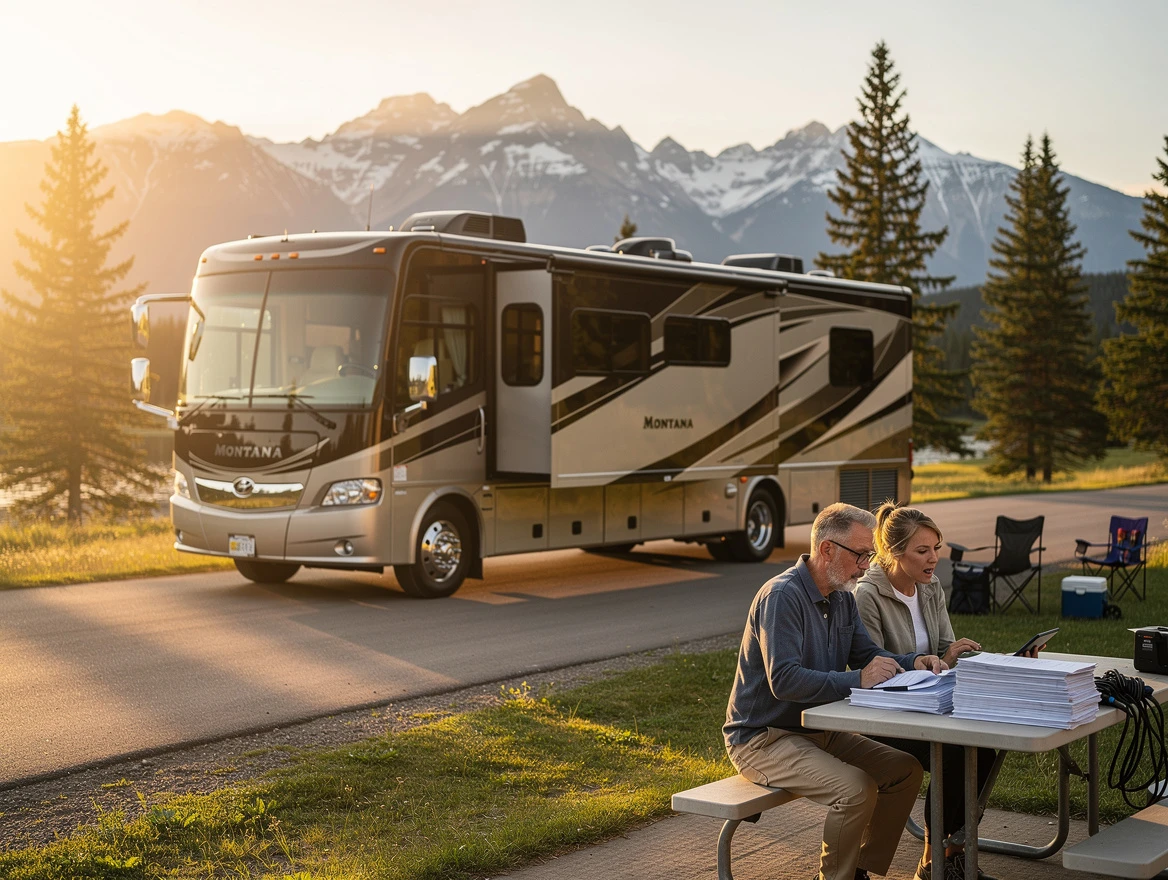
Many owners use the Montana LLC registration method to manage these costs effectively. By forming an LLC in Montana, you can register your RV as a company asset, which helps simplify the ownership structure and ensures that you avoid some of the high-tax burdens associated with other states. Dirt Legal has helped 80,000+ vehicle orders to date. You can look at the benefits by reading The Complete Guide to Forming a Montana LLC for Vehicle Registration.
Registration and Asset Protection
Using a Montana LLC can protect your personal assets by creating a clear distinction between your personal property and your recreational assets. This method is popular because it allows for efficient registration and documentation management without the need for constant, time-consuming local office visits. We assist with the paperwork to make sure your filings are completed correctly the first time.
Simplified Annual Renewals
Because Montana does not have a general sales tax on vehicles and offers a clear, structured system for renewals, many RV owners prefer this route to avoid the complexity of their home state’s bureaucratic hurdles. The process is designed to be straightforward, allowing you to manage your fleet of vehicles through a single entity.
Frequently Asked Questions
Why is the tax on my RV so much higher than my car?
Many states calculate vehicle taxes based on the fair market value rather than a flat registration fee. Since an RV is often worth significantly more than a standard commuter car, the resulting percentage-based tax is drastically higher.
What is title jumping and why does it cost so much?
Title jumping happens when a seller transfers a vehicle without registering it in their own name first. This breaks the chain of ownership, requiring you to pay late fees and potential penalties to correct the documentation at the DMV before you can own the vehicle.
Are there ongoing costs for a Montana LLC?
Yes, maintaining an LLC requires an annual report filing with the Montana Secretary of State. This is a small administrative requirement that keeps your company in good standing, but it is an essential cost to factor into your annual RV budget.
Do I need to live in Montana to register my RV there?
No, you do not need to be a Montana resident to register an RV in the state. By forming a Montana LLC, you create a resident entity that holds the title and registration for your vehicle, which is a common practice for RV owners nationwide.
Can I avoid local registration fees by using an LLC?
While an LLC helps organize your vehicle registration, you should always consult with a professional regarding the requirements for vehicles based in your home state. Many owners use this method to simplify their paperwork and manage registration costs in a more predictable environment.
Understanding the hidden costs of your first RV purchase is the difference between a rewarding lifestyle and an unexpected financial drain. By focusing on smart registration choices and understanding how your local government treats high-value assets, you can keep more money in your pocket and spend more time on the road. For support with your registration paperwork, reach out to our team at Dirt Legal to manage the process efficiently.