Preventing hot car deaths starts with one simple rule: never leave a child or pet alone in a parked vehicle, even for a minute. Car interiors heat up dramatically faster than outside temperatures, turning a routine errand into a deadly situation in under 10 minutes.
How efficient Does a Car Heat Up and Why Is It So Dangerous?
A parked car can heat up by 20°F in just 10 minutes and up to 50°F within an hour, even on a mild 70°F day. Cracking a window barely slows that rise. Children’s bodies heat up three to five times faster than adults, making them especially vulnerable to heatstroke within minutes of being left inside.
- On a 90°F day, interior temps can reach 130°F or higher
- Heatstroke begins when body temperature hits 104°F
- Death or permanent injury can occur at 107°F
- Cracked windows reduce heat buildup by only 1-2°F
- Color of the car matters, but not as much as people think, dark and light vehicles both become dangerous quickly
The danger is not limited to scorching summer days. Even in spring or fall, when outdoor temps sit in the 60s, a sealed car interior can reach life-threatening levels within 20 minutes.
What Are the Most Effective Strategies for Preventing Hot Car Deaths?
The most effective strategies for preventing hot car deaths combine habit formation, physical reminders, and technology. No single method is foolproof, which is why safety professionals recommend layering multiple approaches together.
Build Reminders Into Your Routine
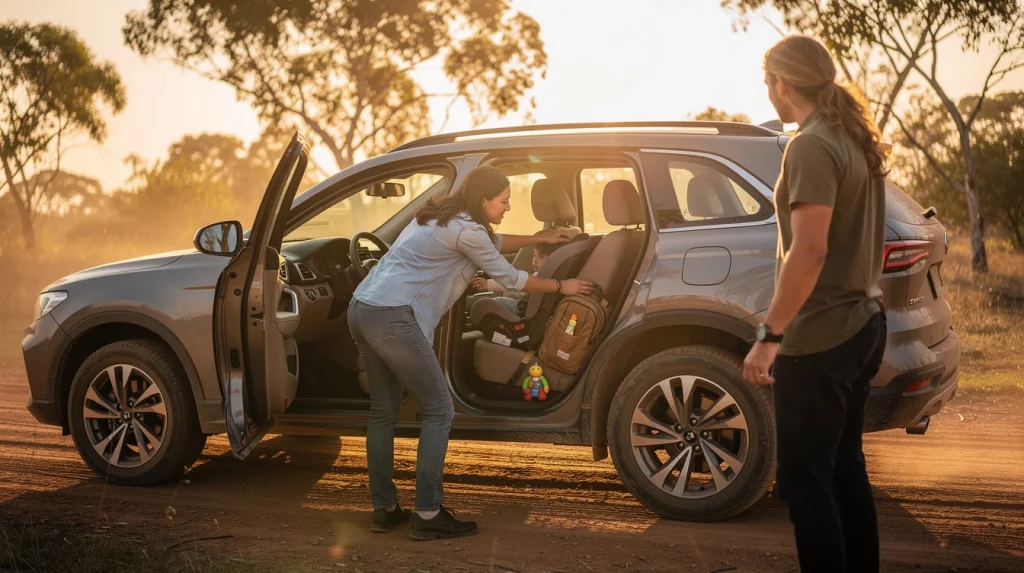
- Place a stuffed animal in the car seat and move it to the front passenger seat whenever the child is buckled in
- Keep your bag, wallet, or phone in the backseat so you physically open the rear door on every trip
- Set a phone alarm that fires shortly after your expected arrival time to confirm the child was dropped off safely
- Ask your childcare provider to call immediately if your child hasn’t arrived within 10 minutes of the scheduled time
Use Technology as a Backup Layer
- Many new vehicles have rear-seat reminder alerts built into the instrument cluster
- Dedicated car seat alarm pads detect a child’s weight and alert your phone via Bluetooth
- Some smart devices let you set location-triggered reminders that fire when you park near familiar destinations
Spread Awareness
- Talk to grandparents, babysitters, and caregivers who may not be familiar with updated safety norms
- If you see a child or pet alone in a hot car, call 911 immediately, do not wait
What Are the Warning Signs That a Child Is Suffering From Heatstroke?
Recognizing heatstroke symptoms quickly can be the difference between life and death. If you find a child in a hot vehicle, act immediately and call 911 even if they appear conscious.
| Symptom | What It Signals | Immediate Action |
|---|---|---|
| Red, hot, dry skin | Body cooling system failing | Move to cool area, call 911 |
| Rapid or weak pulse | Cardiovascular strain | Cool with wet cloths, fan actively |
| Confusion or slurred speech | Brain impact from high core temp | Do not give fluids if unconscious |
| Loss of consciousness | Severe heatstroke emergency | CPR if needed, 911 immediately |
| No sweating despite extreme heat | Classic heatstroke indicator | Aggressive cooling, emergency care |
Get the child out of the vehicle, move them to a cool environment, and apply cool (not ice-cold) water to the skin. Cool the child actively while waiting for emergency services, do not delay that call.
Are There Laws Against Leaving Children in Hot Cars?
Yes, and they vary significantly by state. Most states have some form of law addressing children left unattended in vehicles, with penalties ranging from misdemeanor charges to felony prosecution in cases involving injury or death. Some states extend protections to pets as well.
- States with explicit hot car laws include California, Florida, Texas, and many others
- Penalties can include fines, loss of custody, or criminal charges
- Good Samaritan laws in some states protect bystanders who break a car window to rescue a child in distress
- Pet protections vary widely, check your state’s specific statutes
Regardless of local law, the practical standard is universal: never leave a living being alone in a parked car in warm weather.
How Do Vehicle Registration and Road Safety Connect for Car Owners?
Responsible vehicle ownership goes well beyond preventing hot car deaths. Keeping your registration current, your title clean, and your paperwork in order means you’re a fully accountable owner, one who is easier to reach in an emergency and less likely to face complications if an incident occurs near your vehicle.
Dirt Legal has helped 80,000+ vehicle orders to date, supporting owners across the country with Montana vehicle registration assistance, title paperwork, and LLC formation. When documents need correction, 54.4% are resolved by our QC team without sending the order back to the customer (internal data, rolling last 90 days, n=125). That kind of attention to detail matters when your records need to be airtight.
If you’re considering registering a vehicle through a Montana LLC, see how the process works in our guide: The Complete Guide to Forming a Montana LLC for Vehicle Registration. It covers entity setup, titling, and ongoing compliance in plain language.
For owners managing recreational vehicles or powersport equipment alongside a family vehicle, Ride Legal’s off-road vehicle registration page is a helpful starting point for getting those assets properly documented.
Need help getting your car, truck, or SUV properly registered? Cars, trucks, and SUVs registration through Ride Legal walks you through the same straightforward process.
Keeping documentation current also matters when transferring ownership or dealing with a title issue. Our post on What Makes a Vehicle Title Invalid covers warning signs every owner should know before something becomes a problem.
What Should You Do If You See a Child or Pet Alone in a Hot Car?
If you see a child or animal alone in a parked car on a warm day, your instinct to act is correct. Don’t talk yourself out of it. Here’s what to do, in order:
- Assess the situation immediately. Is the child or animal visibly distressed, unresponsive, or struggling? If yes, act now.
- Call 911 first. Give the location, vehicle description, and what you’re observing. Dispatchers will guide you.
- Try to locate the driver. Ask nearby businesses to make a PA announcement if you’re in a parking lot.
- If the child is in danger and you cannot wait, note whether your state has a Good Samaritan law, then break the nearest window away from the child, remove them, and stay until authorities arrive.
- Cool the child down. Move them to shade or air conditioning, apply cool water to skin, and do not leave them alone.
- Document the scene. Note the vehicle make, model, color, and license plate for the responding officers.
Acting decisively and quickly saves lives. Hesitation in these situations can be fatal.
Frequently Asked Questions About Preventing Hot Car Deaths
How hot does a car get in the sun on a 70-degree day?
On a 70°F day, a parked car can reach 104°F within 30 minutes and over 113°F within an hour. That’s hot enough to cause heatstroke in a child. Shaded parking helps slightly but doesn’t eliminate the risk, since heat builds from air circulation loss, not just direct sunlight.
Can you leave a child in the car with the AC running?
Leaving a child alone in a running vehicle is dangerous and illegal in most states, even with the AC on. The engine can stall, a child can accidentally shift gears, and a running vehicle poses carbon monoxide and abduction risks. The only safe option is to bring the child with you every time.
How many children die from hot car deaths each year in the US?
On average, 37 to 40 children die from vehicular heatstroke in the US each year, according to national safety data. The majority of these deaths involve children who were forgotten by a caregiver, not left intentionally. Any caregiver can fall into this pattern under stress or a break from routine.
Does cracking a window prevent a car from overheating?
Cracking a window provides minimal protection. Studies show it reduces interior temperature by only 1 to 2 degrees Fahrenheit on a hot day. That small difference does not make a vehicle safe for a child or pet. The only safe action is to never leave them in the car, windows open or not.
At what temperature is a car dangerous for a child?
A car becomes dangerous for a child when the interior temperature exceeds 104°F, the threshold at which heatstroke begins. At 107°F, organs can start to fail. This can be reached within 20 to 30 minutes even on a mild 72°F day, making vehicle temperature one of the fastest-developing emergencies in everyday life.
What is the ACT acronym for preventing hot car deaths?
ACT stands for Avoid (never leave a child in the car), Create Reminders (phone, stuffed animal, or bag in the backseat), and Take Action (call 911 if you see a child in a hot vehicle). This framework from national safety groups gives caregivers a quick mental checklist for every trip.