

Respiratory diseases after a motor vehicle accident are more common than most people expect, and they don’t always show up right away. You might walk away from a crash feeling fine, only to develop breathing problems days, weeks, or even months later. This guide covers the most common respiratory conditions that follow vehicle accidents, what causes them, when to seek medical attention, and how protecting your vehicle assets connects to protecting yourself overall.
Whether you were in a minor fender-bender or a serious collision, your lungs can take a hit, literally and figuratively. Airbag chemicals, chest trauma, smoke inhalation, and blunt force all play a role. Understanding the risks is the first step toward getting the care you need.
You’ll also find practical information on what documentation to keep after an accident, why proper vehicle registration and titling matter in the aftermath of a crash, and where to get help sorting out the vehicle side of things quickly.
Why Motor Vehicle Accidents Cause Respiratory Diseases
A car crash is a sudden, violent event. The human body absorbs enormous forces in just a fraction of a second, and the chest, lungs, and airways take some of the worst of it. Respiratory diseases after a motor vehicle accident typically stem from four main sources: physical trauma to the chest, exposure to chemical irritants, smoke or fire, and secondary complications like infection or fluid buildup.
Chest Trauma and Lung Contusion
When your chest hits the steering wheel, dashboard, or seatbelt at high speed, the lungs can bruise internally, a condition called a pulmonary contusion. Bruised lung tissue becomes inflamed and fills with fluid, making it harder to breathe. Symptoms often worsen over the first 24 to 48 hours and may not be obvious at the crash scene.
Rib fractures are a common companion injury. Broken ribs restrict how deeply you can breathe, because inhaling fully causes sharp pain. Over time, shallow breathing can lead to pneumonia or partial lung collapse (atelectasis), especially in older adults or those who don’t receive adequate pain management after the accident.
Airbag Deployment and Chemical Exposure
Airbags save lives, but they also release a mix of chemical gases and fine particles when they use. Sodium azide, talcum powder, and combustion byproducts become airborne in the cabin in an instant. Inhaling these substances, especially in a confined vehicle, can irritate the airways and trigger acute respiratory distress or exacerbate existing conditions like asthma.
People who already have reactive airway disease are particularly vulnerable. Even a single exposure to airbag gases can kick off a prolonged inflammatory response in the airways.
Secondary Infections and Aspiration
A crash can cause someone to aspirate (inhale) blood, vomit, or fluid, especially if they lose consciousness or sustain a facial or head injury. Aspiration pneumonia develops when inhaled material carries bacteria deep into the lungs. It often presents 24 to 72 hours after the accident and can escalate quickly if not treated with antibiotics.
Common Respiratory Conditions That Develop After a Crash
Not every breathing problem after a vehicle accident looks the same. Some conditions develop within hours; others take weeks or months to become apparent. Here’s a look at what doctors most commonly diagnose following crash-related respiratory injury.
Ready to register your vehicle?
Join thousands of vehicle owners who use Dirt Legal to handle their registration quickly and hassle-free.
Register Your Vehicle Today → →Pneumothorax (Collapsed Lung)
A pneumothorax happens when air leaks into the space between the lung and chest wall, causing the lung to collapse partially or fully. It can result from a rib fracture puncturing the lung, or simply from the pressure wave of a high-speed impact. Symptoms include sudden sharp chest pain, shortness of breath, and a rapid heart rate. A tension pneumothorax is a medical emergency requiring immediate decompression.
Acute Respiratory Distress Syndrome (ARDS)
ARDS is a severe, life-threatening condition in which fluid floods the tiny air sacs in the lungs, blocking oxygen from reaching the bloodstream. It can develop after massive trauma, severe lung contusion, or sepsis following a crash. Patients typically require mechanical ventilation. Even those who recover can be left with lasting reduced lung capacity.
Post-Traumatic Asthma and Reactive Airways
Some crash survivors develop new-onset asthma or a condition called reactive airways dysfunction syndrome (RADS) following chemical or particulate exposure. The airways become chronically inflamed and hypersensitive, causing wheezing, coughing, and chest tightness that can persist for years. Honestly, many of these cases go undiagnosed because symptoms develop weeks after the crash and the connection isn’t always made.
Pneumonia
Hospital-acquired pneumonia and aspiration pneumonia are both common complications in crash survivors who require hospitalization. Being immobilized, sedated, or on a ventilator all increase the risk. Pneumonia after a crash can extend hospital stays significantly and contribute to long-term lung damage if not treated aggressively.
Recognizing Symptoms, When to Get Help Fast
One of the most important things crash survivors need to understand is that respiratory symptoms can be delayed. A seemingly minor accident can trigger serious breathing problems that appear hours or days later. Knowing the warning signs could save your life.
Immediate Red Flags
- Severe shortness of breath at rest
- Coughing up blood or frothy pink fluid
- Chest pain that worsens with deep breaths
- Blue tint to lips or fingertips (cyanosis)
- Rapid, shallow breathing with visible effort
- A crackling or gurgling sound when breathing
Any of these symptoms after a crash means calling 911 or going directly to an emergency room. Don’t wait to see if they improve on their own.
Delayed Symptoms to Watch For
- A new cough that develops days after the accident
- Fatigue combined with mild fever (possible pneumonia)
- Wheezing or tightness when exercising
- Persistent chest soreness that doesn’t resolve with rest
- Shortness of breath with activities that never bothered you before
If you notice any of these within two to three weeks of a crash, see your doctor and specifically mention the accident. Treatment is far more effective when started early.
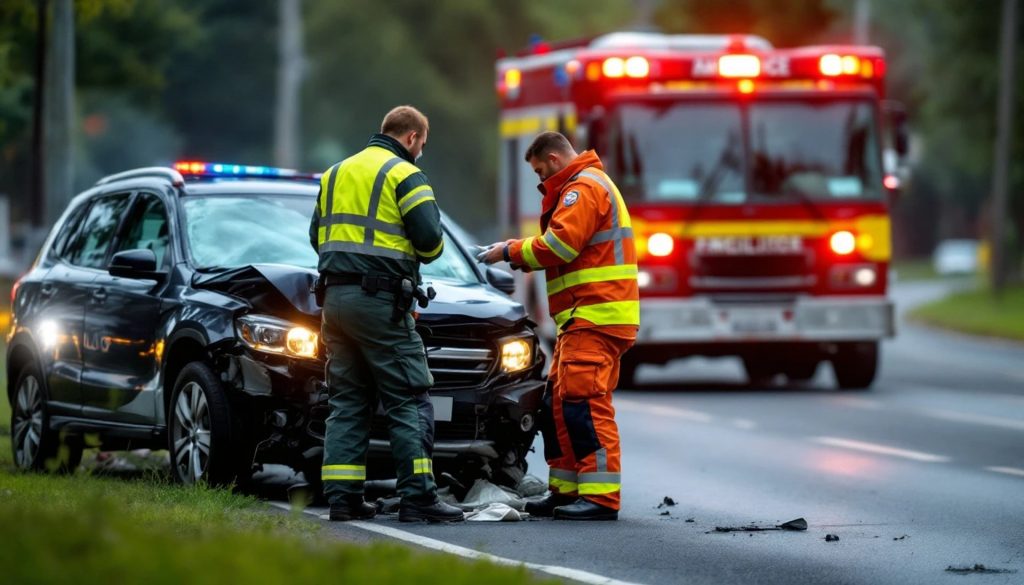
Documentation After an Accident, the Vehicle Side of Things
Here’s the thing, most people focus entirely on medical documentation after a crash, which is absolutely the right priority. But the vehicle side matters too, especially if your car is totaled, changes hands, or becomes part of an insurance or process. Proper vehicle title and registration records can make a real difference in how smoothly everything resolves.
Why a Clean Vehicle Title Matters After a Crash
A totaled vehicle needs a clear title to be processed by the insurance company or sold to a salvage yard. If your title has issues, a lienholder isn’t listed correctly, or paperwork is incomplete, the settlement process stalls. The same applies to buying a replacement vehicle quickly. Understanding what makes a vehicle title valid, or invalid, saves you time when you’re already dealing with recovery.
A deeper look at this topic is available in What Makes a Vehicle Title Invalid? Warning Signs Every Owner Should Know. That resource covers the specific documentation errors that create delays, which is exactly the last thing you need while managing a health crisis.
Replacing a Lost Title After an Accident
Crashes sometimes destroy paperwork. Titles can burn, flood, or simply disappear in the chaos. If you need to replace a title or sort out a transfer quickly, What Is the Best Proof of Vehicle Ownership? A Complete Document Guide walks through exactly which documents carry the most weight with insurers and state agencies.
For owners who registered their vehicle through a Montana LLC vehicle registration, the LLC itself holds the title. That can actually simplify things after a crash, since the entity’s records are separate from your personal paperwork.
Salvage Titles and What Comes Next
If your vehicle is repaired after a crash, it may receive a salvage or rebuilt title, depending on your state. This affects future registration, insurance eligibility, and resale value. Montana, for example, has specific processes for rebuilt titles, and handling them correctly matters for anyone who wants to register a car in Montana after the vehicle has been through a crash and rebuild.
When documents come back for correction during registration processing, our QC team resolves 61.6% of issues without sending the order back to the customer at all, meaning most paperwork hiccups get handled without adding stress to your plate (internal data, rolling last 90 days, n=146).
Respiratory Risk Factors That Make Crash Injuries Worse
Not everyone faces the same risk after a vehicle accident. Several pre-existing conditions and circumstances can make respiratory complications significantly more likely or more severe.
Pre-Existing Lung Conditions
People with asthma, COPD, chronic bronchitis, or pulmonary fibrosis are at substantially higher risk of serious complications after a crash. Their airways are already compromised, so even moderate chest trauma or chemical exposure from airbag deployment can trigger a severe flare. These individuals should be monitored closely in the emergency room, even if initial symptoms seem mild.
Age and Physical Condition
Older adults have reduced respiratory reserve, meaning their lungs don’t have as much capacity to compensate for injury. Rib fractures in elderly patients carry a mortality risk that’s considerably higher than in younger adults, primarily because of pneumonia and respiratory failure. Young children also face higher risks because of smaller airway diameters.
Crash Severity and Vehicle Type
High-speed collisions, rollover accidents, and crashes involving fire all dramatically increase respiratory injury risk. Motorcyclists and powersport riders face particular danger from chest trauma since they don’t have the same structural protection as enclosed vehicle occupants. Riders interested in protecting their registrations and assets might find the broader context of motorcycle and powersport registration relevant alongside personal safety planning.
| Condition | Typical Onset After Crash | Key Symptom | Treatment Approach |
|---|---|---|---|
| Pulmonary Contusion | 0-48 hours | Worsening shortness of breath | Oxygen, pain management, monitoring |
| Pneumothorax | Immediate | Sudden sharp chest pain | Chest tube or needle decompression |
| ARDS | 12-72 hours | Severe oxygen deprivation | Mechanical ventilation, ICU care |
| Aspiration Pneumonia | 24-72 hours | Fever, cough, chest pain | Antibiotics, respiratory therapy |
| Post-Traumatic Asthma / RADS | Days to weeks | Chronic wheezing, coughing | Inhaled corticosteroids, bronchodilators |
| Pneumonia (hospital-acquired) | Days to weeks (in-hospital) | Fever, worsening breathing | Targeted antibiotics |
Frequently Asked Questions
Can a car accident cause long-term respiratory disease?
Yes. Respiratory diseases after a motor vehicle accident can become chronic, particularly in cases involving severe lung contusion, ARDS, or prolonged mechanical ventilation. Post-traumatic asthma and reactive airway conditions can persist for years. Patients who develop ARDS often experience reduced lung function for the rest of their lives. Early and aggressive treatment gives the best chance of limiting permanent damage, which is why getting evaluated promptly after any crash is so important, even if symptoms seem minor at first.
How long after an accident can breathing problems appear?
Breathing problems can appear immediately or be significantly delayed. Pneumothorax typically presents within the first hour. Pulmonary contusion symptoms often worsen over 24 to 48 hours. Aspiration pneumonia usually develops within one to three days. Post-traumatic asthma can emerge weeks after the crash. This delayed onset is why crash survivors should monitor their breathing carefully for at least two to three weeks and report any new respiratory symptoms to a doctor, even if initial evaluations came back normal.
Are airbag injuries a cause of respiratory problems?
Yes. Airbag deployment releases chemical gases, including sodium azide combustion products and fine particulate matter, directly into the vehicle cabin. Inhaling these substances can irritate the airways, trigger asthma attacks, and in rare cases cause acute respiratory distress. People with pre-existing lung conditions face the highest risk. The injuries are typically mild in otherwise healthy adults, but any persistent cough, wheezing, or chest tightness after airbag deployment should be evaluated medically.
What should I document after an accident for insurance purposes?
Document everything, including medical records, emergency room visit notes, follow-up physician appointments, and any new prescriptions for respiratory medications. Photographs of the crash scene, airbag deployment, and vehicle damage help establish the severity of impact. Keep records of your vehicle title, registration, and any insurance correspondence. If your vehicle is declared a total loss, a clear and valid title is needed to process the settlement. A useful starting point for understanding your vehicle documents is What Is the Best Proof of Vehicle Ownership? A Complete Document Guide.
Can motorcycle riders face higher respiratory injury risks in accidents?
Yes. Motorcyclists and powersport riders have no structural protection around them, so chest trauma in a crash tends to be more severe. Rib fractures, flail chest, and pulmonary contusion are more common in unenclosed riders than in car occupants. Wearing proper protective gear, including armored jackets with chest protection, reduces but doesn’t eliminate this risk. Riders who want to make sure their vehicle registration and title are in order before heading out should look at Montana Plates: Your Complete Guide to Options, Costs, and Registration for a broader picture of rider registration options.
Does where my vehicle is registered affect my insurance claim after an accident?
Your vehicle’s registration state can affect which insurance rules apply and how quickly a claim is processed. Vehicles registered through a Montana LLC for vehicle registration are titled in the name of the LLC. This means your insurance policy needs to list the LLC as the insured entity or named insured, depending on your policy structure. Making sure your registration documentation is accurate and current before any accident occurs prevents complications with claims. The Montana Vehicle Title and Registration page outlines state requirements in detail.
What is the connection between vehicle registration and protecting yourself after a crash?
Proper registration and title documentation is the foundation for everything that happens after a crash: insurance claims, total loss settlements, salvage processing, and replacement vehicle purchases. Disorganized or incorrect paperwork delays every step of recovery, adding stress during an already difficult time. Keeping your registration current and your title clean means one fewer thing to worry about if the unexpected happens. Services like Simple Process, No Extra Steps: Your Vehicle Registration Handled Without Delays exist precisely for this reason.
Should I see a specialist after crash-related breathing problems?
If your primary care doctor identifies any abnormal lung findings after a crash, a referral to a pulmonologist is worth requesting. Pulmonologists specialize in diagnosing and treating conditions like ARDS, post-traumatic asthma, and chronic lung changes from injury. They can perform spirometry and imaging studies to assess your lung function accurately. For cases involving workers’ compensation or personal injury claims, specialist documentation of respiratory diseases after a motor vehicle accident strengthens your case considerably.
Respiratory diseases after a motor vehicle accident range from immediately life-threatening conditions like pneumothorax and ARDS to slower-developing problems like post-traumatic asthma that can quietly affect quality of life for years. The most important thing you can do is get evaluated promptly, monitor symptoms for several weeks, and make sure every part of your post-crash situation, including your vehicle paperwork, is handled without unnecessary delays. The vehicle side of recovery doesn’t have to add to your stress.