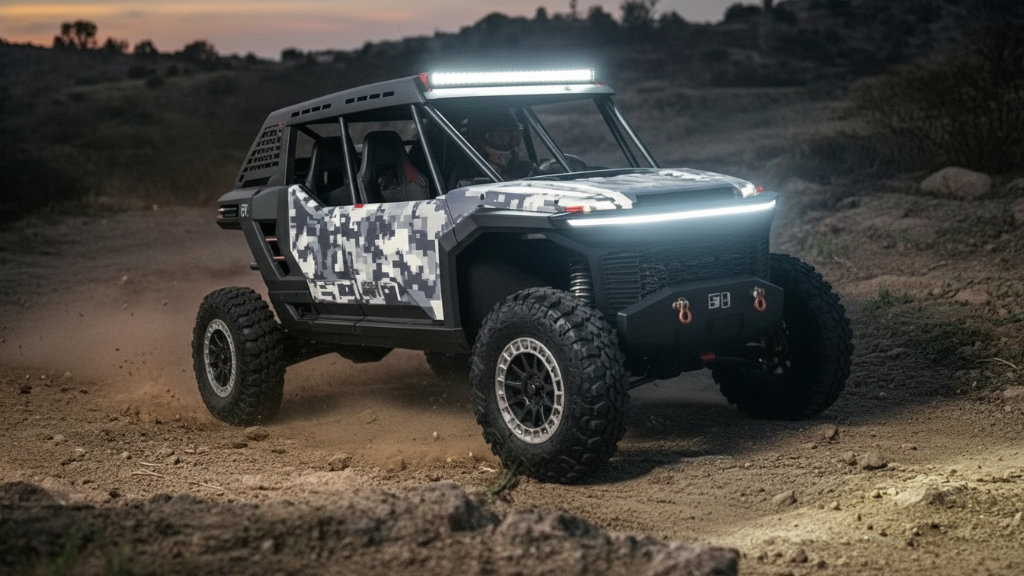
Montana LLC Registration: A Popular Alternative for SxS Owners
A lot of side-by-side and UTV owners across the country choose to register their vehicle through a Montana LLC instead of fighting with their home state’s registration system. Montana is one of the most registration-friendly states in the country. There’s no sales tax, no emissions testing, and no inspections required.
This approach is especially useful when your SxS doesn’t fit neatly into Florida’s classification system, or when you’re dealing with vehicle registration costs that stack up fast under Florida’s fee structure. Montana doesn’t ask what county you live in or whether your UTV meets road equipment standards to issue a title and registration.
How Montana LLC Registration Works
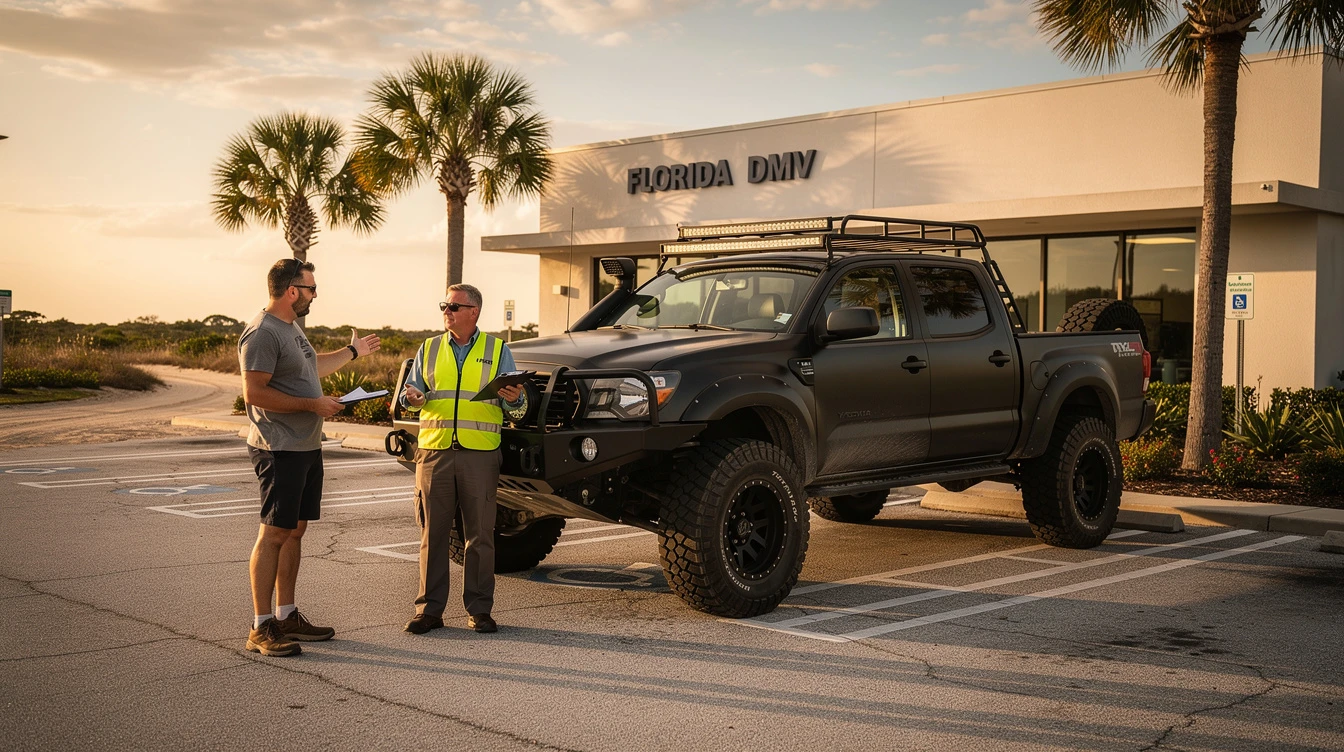
You form a Montana LLC, then register the vehicle in the LLC’s name. The LLC is the owner of record. Your vehicle gets Montana plates and a Montana title. The whole process can be handled remotely, and you don’t need to set foot in Montana to do it. Dirt Legal handles the paperwork from start to finish. You can learn more about Montana UTV registration through our sister brand Ride Legal, which covers this exact scenario for SxS owners.
What Montana Registration Doesn’t Do
Montana registration gives you a title and plates, but it doesn’t change Florida’s local road rules. If your county doesn’t allow UTVs on public roads, Montana plates won’t override that. The registration handles the ownership and titling side. The local ordinance side is still Florida’s call. That said, having clean title and proper registration is the necessary first step either way.
For a broader look at how this process works across vehicle types, the guide on Key Aspects of Montana RV Registration is worth reading. The principles apply to UTVs and side-by-sides as well, particularly around how Montana handles out-of-state owners.
Street-Legal Quads and UTVs: How Side by Sides Fit Into the Bigger Picture
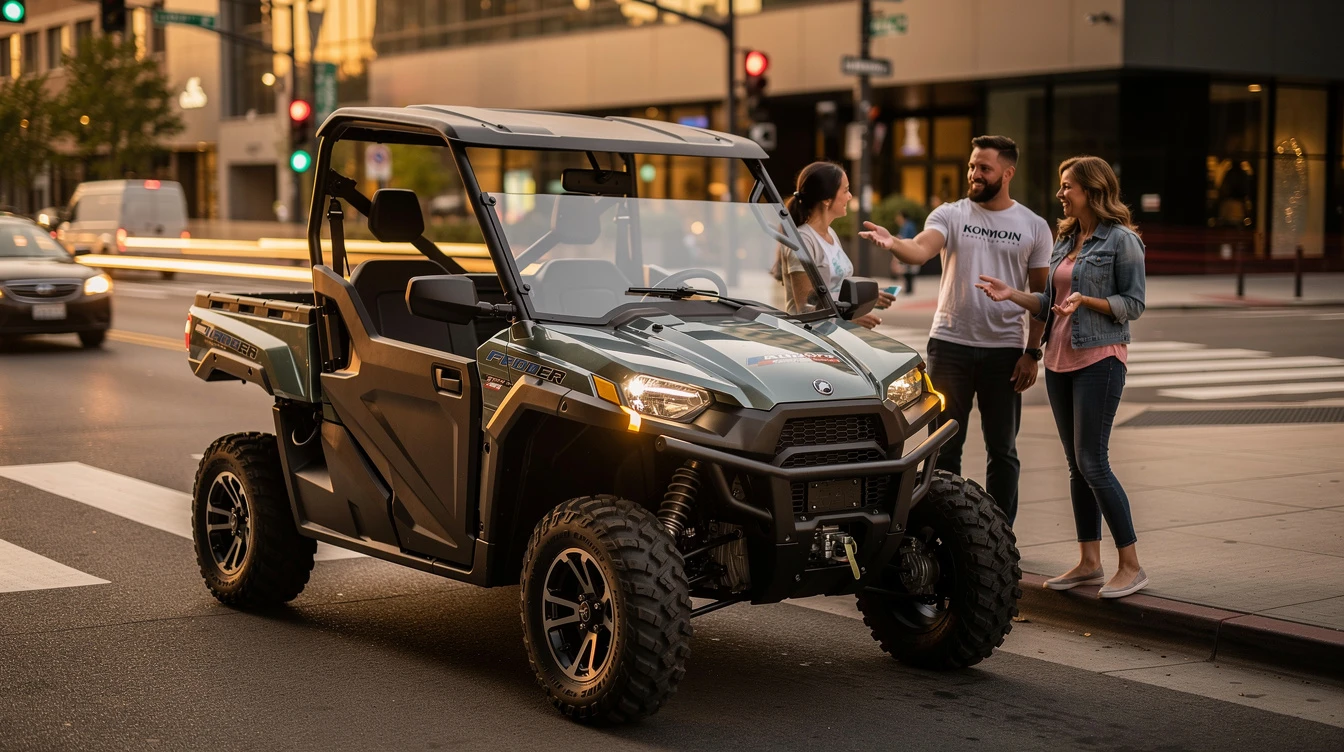
Side-by-sides aren’t the only off-road machines people want to take on public roads. The push to make street-legal quads and UTVs road-ready is a growing trend, and Florida isn’t alone in having a complicated answer.
If you’ve looked into making a quad or ATV street-legal, a lot of the same logic applies. You need the right equipment, the right registration, and ideally a state or county that’s open to it. Our full guide on street-legal quads covers this in detail and is a solid companion read if you’re also considering an ATV alongside your SxS.
The Mahindra Roxor Example
One of the most talked-about off-road-to-road conversions in recent years is the Mahindra Roxor. It’s a purpose-built off-road machine that many owners have successfully made road-ready with the right equipment and registration approach. The story is covered in the Mahindra Roxor rebirth and how you can drive on the road. It’s a useful real-world example of how the conversion process works and what’s actually involved.
Other Off-Road Vehicles Worth Comparing
Military HMMWVs, kei trucks, and pit bikes all follow similar paths when owners want road access. The documentation and registration requirements are different for each, but the core principle is the same: clean title, proper equipment, and registration in a state that works for you. Check out our guides on whether kei trucks are street-legal and tips for registering a military HMMWV for more context on how this plays out across different vehicle types.
Frequently Asked Questions About Street-Legal Side by Sides in Florida
Can I drive my side by side on any Florida road?
No. Florida does not allow UTVs or side-by-sides on public roads statewide as a general rule. However, individual counties can pass local ordinances that permit them on roads with speed limits of 35 mph or less. You’ll need to check whether your specific county has adopted such an ordinance before driving your SxS on public roads.
Do I need a driver’s license to operate a street-legal side-by-side in Florida?
Yes. If you’re operating your side-by-side on a public road under a county ordinance, a valid Florida driver’s license is required. This is no different from any other road vehicle. Operating without a license on a public road can result in fines and impoundment.
What is the minimum equipment needed to make a side-by-side street-legal in Florida?
At minimum, you’ll typically need headlights, taillights, brake lights, turn signals, a horn, a rearview mirror, seatbelts, a windshield, and a speedometer. You’ll also need liability insurance and valid registration. Some counties may have slightly different lists, so confirm with your local county before assuming your setup is complete.
Can I register my side by side in Montana if I live in Florida?
Yes, in most cases. By forming a Montana LLC and registering the vehicle under that LLC, Florida residents can get a Montana title and registration. Montana has no sales tax, no emissions testing, and no inspections. This is a widely used approach for UTV and side-by-side owners who want a cleaner registration path. Dirt Legal handles the full process remotely.
Does a Montana registration make my side by side street-legal in Florida?
Montana registration handles the title and registration side of things, it doesn’t override Florida’s local road use rules. Your county still determines whether UTVs are allowed on public roads. Montana plates and title are necessary but not sufficient for road use in Florida counties that don’t allow UTVs at all.
What if my side-by-side only came with a bill of sale and no title?
This is a common situation. A bill of sale alone doesn’t give you ownership in most states. You’ll need to pursue a bonded title, a court-ordered title, or registration in a title-friendly state. Montana is one option. Dirt Legal can help work through the specific path based on your situation. Start by reading our guide on untangling title nightmares: how to fix lost paperwork, surety bonds, and ownership issues.
Are there any Florida counties that fully allow UTVs on all public roads?
No Florida county allows UTVs on all public roads without restriction. Counties that have adopted UTV ordinances typically limit operation to roads with posted speed limits of 35 mph or less. Higher-speed roads, interstates, and highways remain off-limits regardless of local ordinances.
How much does it cost to register a side by side in Montana?
Montana registration fees for UTVs are generally low compared to most other states, and there’s no sales tax on the purchase. Vehicle registration costs vary slightly depending on the vehicle’s value and age, but Montana’s fee structure is consistently one of the most affordable in the country. Dirt Legal’s pricing covers LLC formation, registration, and all associated paperwork in one straightforward package. Check out our pricing details for current rates.
Making a side-by-side street-legal in Florida is possible, but it takes the right county, the right equipment, and the right registration. Whether you’re going the Florida county ordinance route or choosing Montana LLC registration for a simpler path, getting your title and paperwork in order is always step one. Dirt Legal handles the DMV side of this so you don’t have to. Register your vehicle and let us take it from there.
Related Reading