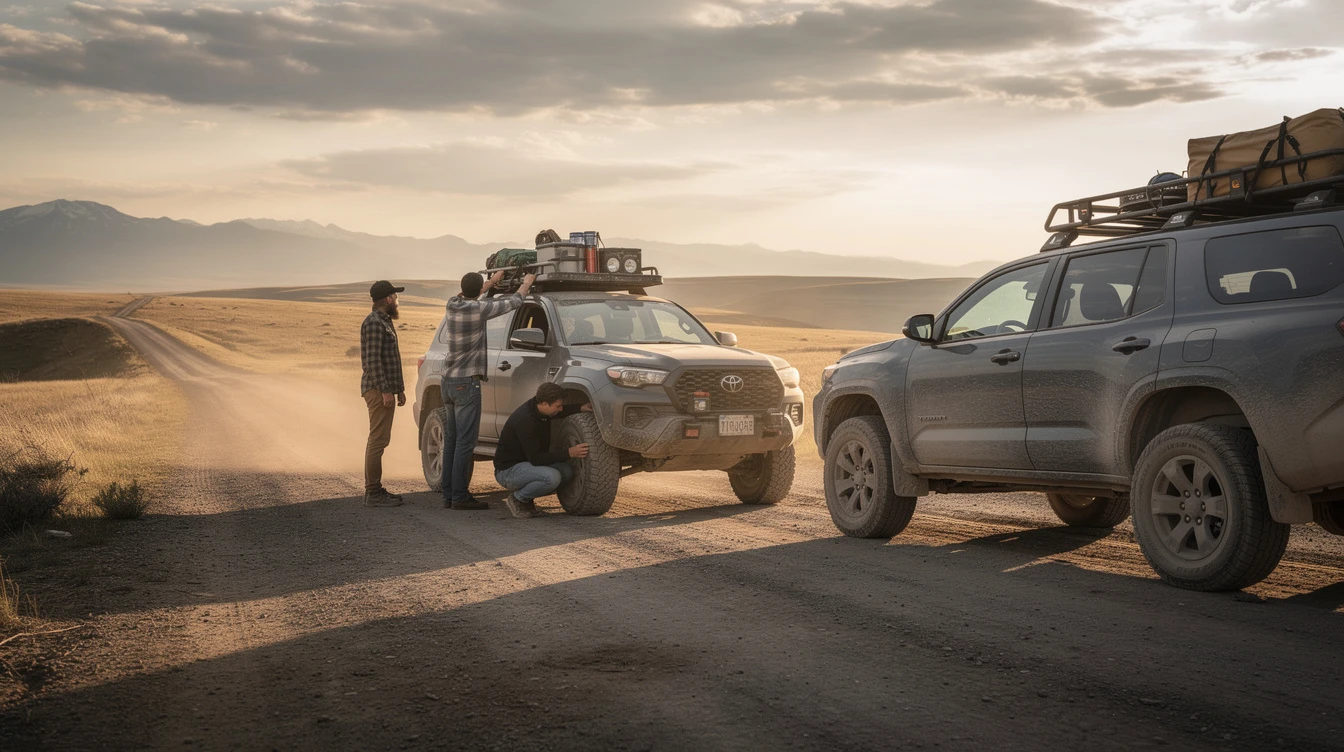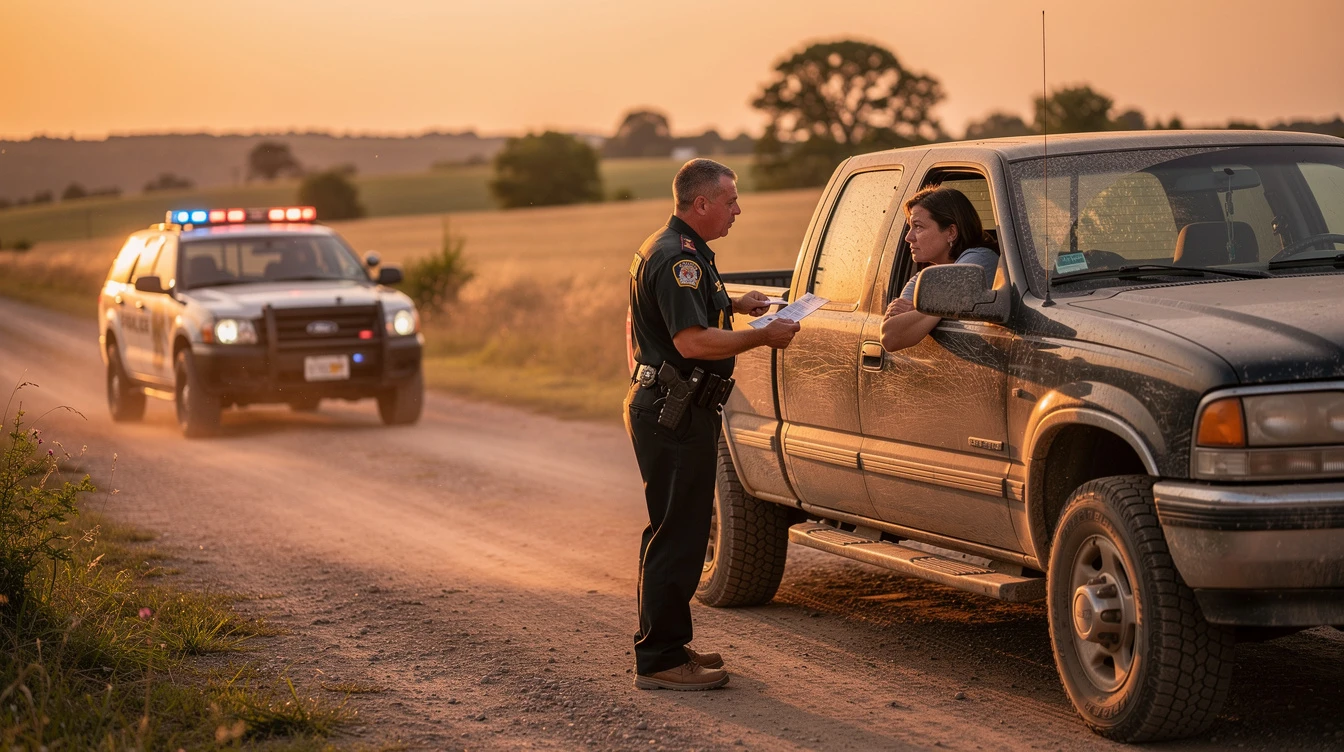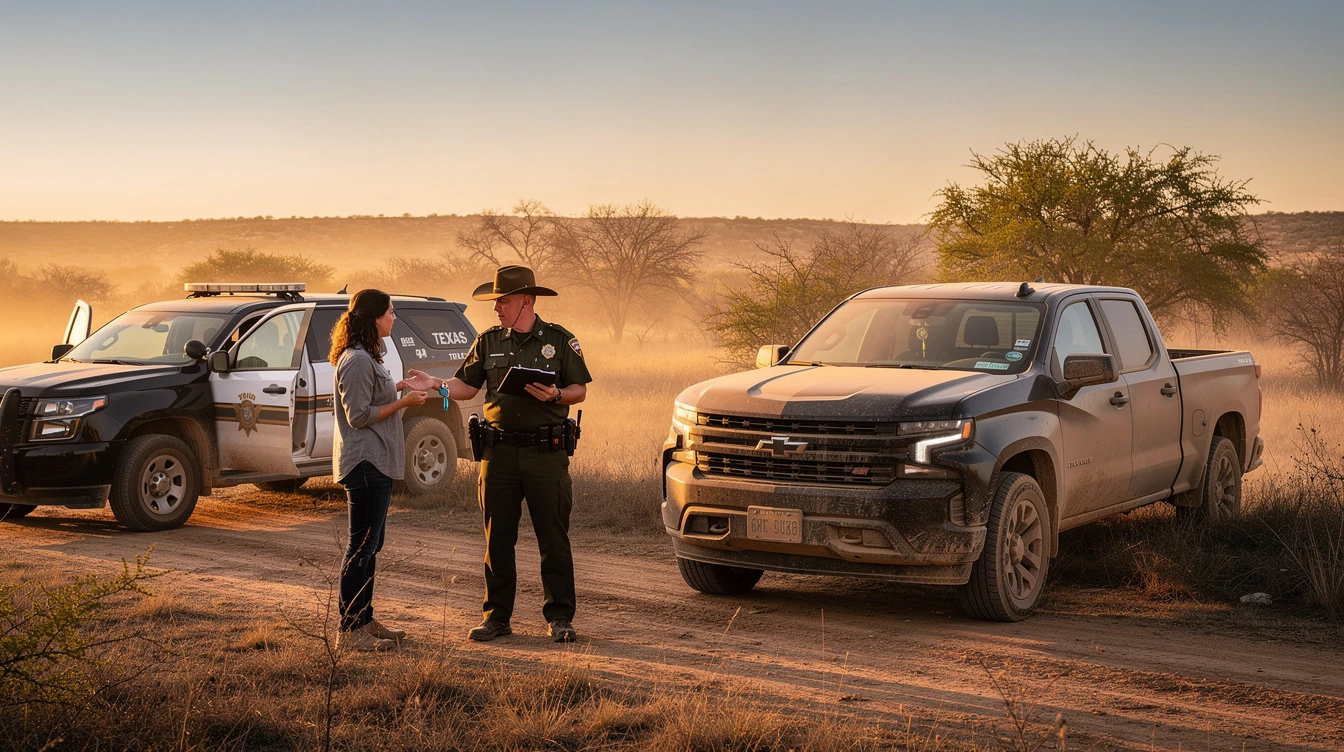
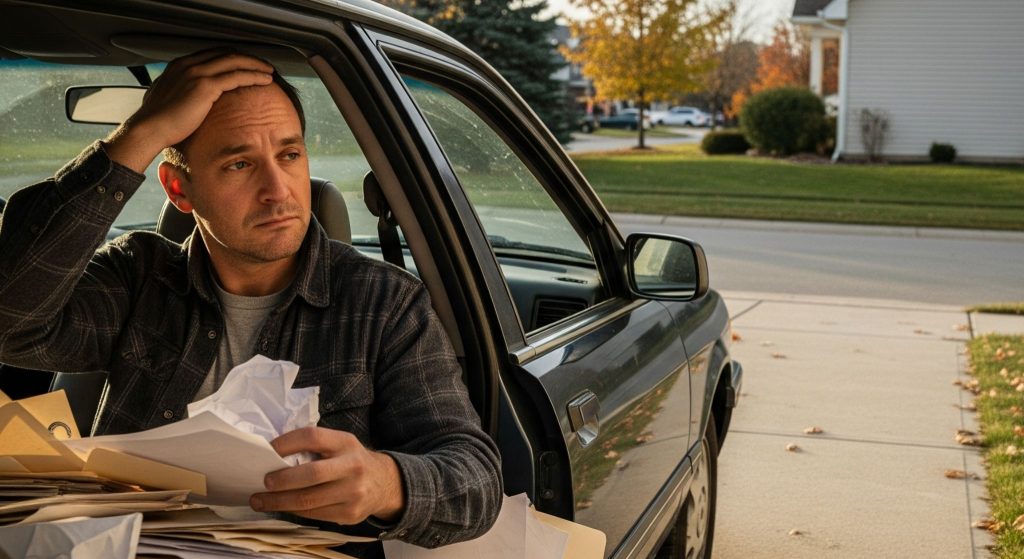
A vehicle title isn’t always a guarantee of true ownership, and that gap between paper and reality catches thousands of buyers and sellers off guard every year. Whether you’re buying a used car, selling a motorcycle, or sorting out an inherited vehicle, understanding how titles actually work, and how they can go wrong, is one of the most important things you can do to protect yourself.
This guide covers everything you need to know about title transfers: what a title really proves, when it doesn’t prove enough, and the steps you need to take to make sure your ownership is airtight, whether you’re in Missouri, Montana, or anywhere in the country.
We’ll also cover some common mistakes people make, like title jumping, and explain what your options are when the paperwork doesn’t match reality.
What a Vehicle Title Actually Proves, and What It Doesn’t
A certificate of title is a government-issued document that names the official owner of a vehicle. Most states require it for registration, sale, and transfer. But here’s what surprises a lot of people: holding a title doesn’t always mean you’re protected.
When the Title Name Doesn’t Match the Seller
If someone is selling you a car but the title is in someone else’s name, that’s a serious red flag. In many cases, this signals a practice called title jumping, where a vehicle is sold without the previous owner completing a proper DMV title transfer. You could hand over thousands of dollars and still not have clear ownership in the eyes of the state.
Wondering what is title jumping? It happens when a buyer purchases a vehicle and then resells it before ever transferring the title into their own name. The paperwork skips one or more owners, which creates a chain-of-title problem that can take weeks or months to untangle.
What Is the Penalty for Title Jumping?
Title jumping is not allowed in most states. Penalties vary, but they typically include fines, possible criminal charges for fraud, and difficulty registering or reselling the vehicle down the line. You can check Montana’s official DMV title and registration page for an example of how states handle this, or contact your local DMV for state-specific rules.
Liens, Loans, and Hidden Encumbrances
A title can also be held by a lienholder, meaning the bank or lender who financed the vehicle. Even if someone hands you a title, if there’s an outstanding loan attached, that lender has a claim on the car. You need a lien release before that title is truly free and clear. This is one of the biggest things buyers miss when purchasing a used vehicle from a private seller.
Everything You Need to Know About Title Transfers
A DMV title transfer is the formal process of changing a vehicle’s recorded owner from one person to another. It sounds simple, and it usually is, if you do it right. But there are enough moving parts that it’s easy to miss a step.
Ready to register your vehicle?
Join thousands of vehicle owners who use Dirt Legal to handle their registration quickly and hassle-free.
Register Your Vehicle Today → →What You Typically Need to Transfer a Title
- The original signed title from the current owner
- A completed title transfer application for your state
- Proof of insurance (in most states)
- Payment for title and registration fees
- A bill of sale showing the purchase price (used to calculate any applicable taxes)
- A valid government-issued ID
If you’re in Missouri, for example, you’ll need to fill out an application for Missouri title and license, which is the state’s standard form for transferring ownership and registering the vehicle in your name. Missouri also requires an odometer disclosure statement for most vehicles under ten years old. For more detail on what do I need to title a car in Missouri, the state DMV website has the full checklist. Title and registration fees in Missouri vary by vehicle type and county, so it’s worth checking the current fee schedule before you go.
Out-of-State Title Transfers
Buying a vehicle from another state adds another layer. Each state has its own requirements for accepting an out-of-state title. Some states require a VIN inspection. Others have emissions testing. Montana, by contrast, has no emissions testing and no vehicle inspections, which makes it an attractive option for many buyers. The Montana Motor Vehicle Division handles out-of-state title transfers and can tell you exactly what documents are needed.
Vehicles With No Title
Sometimes there is no title at all. This happens with old vehicles, off-road machines, inherited property, or vehicles purchased at auction. In those cases, you may be eligible for a bonded title or a court-ordered title, depending on your state. Dirt Legal handles these situations regularly. You can learn more in our post Should You Buy a Car Without a Title? What to Know Before Buying a Car Without a Title, which walks through your real options step by step.
Protecting Yourself When Selling Your Car
Protecting yourself when selling your car isn’t just about getting paid. It’s about making sure the title transfer is done correctly so you’re no longer on the hook for anything that happens after the sale.
Why Signing Over the Title Isn’t Always Enough
In many states, you remain the registered owner in the state’s system until the buyer completes the transfer at their DMV. That means if the buyer gets a ticket, causes an accident, or abandons the vehicle, it could still come back to you. This is why it’s critical to notify your state DMV of the sale, which in most states involves submitting a release of liability or notice of sale form. Don’t skip this step.
It’s also smart to remove your plates before you hand over the car. Our post Here’s Why You Should Remove Your Car’s Plates When You Sell It explains exactly why this matters and what can happen if you don’t.
Bill of Sale: Your Paper Trail
A bill of sale is a simple document that records the details of a vehicle sale: who bought it, who sold it, what was paid, and when it happened. Some states require one for a title transfer. Even where it’s optional, it protects both parties. If there’s ever a dispute about the sale, a signed bill of sale is your best evidence. Make sure it includes the VIN, the purchase price, the date, and both parties’ signatures and contact information.
What to Do if the Buyer Never Transfers the Title
This is more common than you’d think. The buyer takes possession of the vehicle but never completes the auto title replacement or transfer at their DMV. Months later, you start getting notices about unpaid tolls, registration renewals, or worse. The safest protection is submitting that release of liability right away and keeping a copy of the signed title for your records. If problems persist, most states have a process for sellers to request a title reassignment or name removal.
Is It Better to Be on the Deed or the Vehicle Title?
People sometimes ask whether it matters more to be on the deed (for real property) or on the vehicle title, especially when thinking about asset protection or estate planning. The short answer: they’re separate official documents for separate types of property, and both matter in different ways.
Vehicle Title vs. Real Property Deed
A deed establishes ownership of real estate. A vehicle title establishes ownership of a car, truck, motorcycle, or other motor vehicle. If you’re asking about a specific vehicle, being named on the title is what confers ownership rights for that vehicle. The deed to your home has no bearing on who owns your car.
Where this question comes up most often is in the context of married couples, co-buyers, or business ownership. For example, if a vehicle is registered through a Montana LLC, the LLC is the title holder, not the individual. That structure can offer privacy and certain tax advantages. You can learn more about how that works in our guide to Montana LLC vehicle registration.
Joint Ownership and What It Means for Title
Many states allow two people to be listed on a vehicle title, either with an “and” (both must sign to sell) or an “or” (either can sign independently). Choosing the right conjunction matters a lot in divorce, estate situations, or business partnerships. If you’re buying with a co-owner, talk to your state DMV about the implications before you fill out the paperwork.
| Situation | What You Need | Risk if Skipped |
|---|---|---|
| Private sale (buyer) | Signed title, bill of sale, ID, fees | No proof of ownership, possible lien issues |
| Private sale (seller) | Signed title, release of liability, plate removal | Ongoing liability for vehicle after sale |
| Out-of-state purchase | Out-of-state title, state-specific application, VIN check | Rejection at DMV, registration delays |
| No title available | Bonded title or court order process | Cannot register, sell, or prove ownership |
| Inherited vehicle | Death certificate, letters testamentary or affidavit | Title stays in deceased’s name indefinitely |
| Montana LLC registration | LLC formation, title in LLC name, registration fees | Miss tax and privacy benefits |
Sorting out a title situation can feel like more than it should be. See how Dirt Legal handles the paperwork so you don’t have to.
See How We Can Help With Your Title Transfer →
Montana and South Dakota: Title-Friendly States Worth Knowing About
Not all states process titles and registrations the same way. Montana and South Dakota stand out for vehicle owners who want a simpler, more affordable path.
Montana: No Sales Tax, No Emissions, No Inspections
Montana has no state sales tax on vehicle purchases, no emissions testing, and no vehicle inspections. The Montana Motor Vehicle Division allows non-residents to register vehicles through a Montana LLC, which many owners use for high-value vehicles, RVs, and specialty builds. There’s no annual smog check, and registration fees are based on the age and weight of the vehicle rather than its purchase price.
If you’re curious about vehicle title Montana requirements specifically, the Montana DOJ site has the complete breakdown. Dirt Legal has helped thousands of people work through this process since the beginning.
South Dakota: Simple Residency, Low Fees
South Dakota is another popular option, especially for people who travel full-time or want to establish domicile in a low-cost state. The South Dakota Division of Motor Vehicles has a well-organized process for new residents and has become a go-to for RV owners and long-haul travelers. Registration fees are low, and the state is known for being efficient.
How Dirt Legal Fits In
Dirt Legal started because the founders wanted to register their own dirt bikes and couldn’t find a straightforward way to do it. A decade later, we’ve helped thousands of people work through the same paperwork across cars, trucks, motorcycles, ATVs, UTVs, and more. We handle the DMV so you don’t have to.
For a broader look at registration laws and requirements across the country, our post on Navigating Vehicle Registration Laws and Car Registration Requirements is a solid starting point.
Frequently Asked Questions About Vehicle Titles and Ownership
What is the difference between a vehicle title and vehicle registration?
A title proves ownership. Registration proves you have permission to operate the vehicle on public roads and that you’ve paid the applicable fees and taxes. You need both, but they serve different purposes. You can own a vehicle (have the title) without having current registration, and in some cases, you can have registration without holding the title yourself, such as when a lender holds the title until a loan is paid off.
Can you sell a car without a title?
In most states, you cannot transfer ownership without a title. However, there are exceptions for older vehicles, vehicles sold for scrap, or situations where a bonded title or court-ordered title is obtained. If you’re trying to sell without a title, the first step is to replace title for car through your state DMV or work through a bonded title process. Our post on buying a car without a title covers this in detail.
What is title jumping and why is it a problem?
Title jumping happens when a vehicle is bought and resold without the middle owner ever putting the title in their name. It creates a broken ownership chain that makes it harder, sometimes much harder, for the final buyer to get a clean title. In most states, title jumping carries fines and can be treated as fraud. If you’re buying from a private seller and the title shows a name that isn’t theirs, ask questions before you hand over any money.
How do I do a Missouri vehicle title search for free?
Missouri offers a Missouri vehicle title search free option through the Missouri Department of Revenue’s online portal. You can look up a vehicle by VIN to see if there are any liens, title brands (like salvage or flood), or ownership discrepancies. It’s a smart step to take before buying any used vehicle in the state. The NHTSA also offers a free NHTSA VIN Decoder for basic vehicle specs and recall information. For more complete vehicle history, including off-road, imported, military, and specialty vehicles, the Dirt Legal VIN Report provides deeper classification data and ownership history insights.
What happens if someone sells a car and the buyer never transfers the title?
If the buyer never completes the transfer, you could remain the registered owner in the state’s system for months or years. That exposes you to liability for parking tickets, tolls, accidents, and even registration renewals. The fix is to submit a release of liability or notice of sale to your state DMV immediately after the sale. Keep a copy of the signed title and bill of sale as your backup documentation.
Do I need a lawyer to transfer a vehicle title?
For a standard private sale, no. Most title transfers are handled directly through the state DMV with standard forms and a filing fee. However, for complex situations, such as inherited vehicles, probate, contested ownership, or bonded titles, consulting a professional familiar with your state’s requirements is worth the time. Dirt Legal specializes in handling the paperwork side of these situations on your behalf, without the cost of an attorney for most cases.
How do I replace a lost car title?
Auto title replacement is handled through your state’s DMV. You’ll typically need to submit an application for a duplicate title, pay a small fee, and provide proof of identity. The process varies slightly by state. In most cases you can get a replacement within a few weeks. If the vehicle is financed, the lender may need to be involved in the request since they may hold the original title.
The Bottom Line on Title and Ownership
Title isn’t always ownership, and ownership isn’t always title. The gap between the two is where problems live. Whether you’re buying, selling, inheriting, or registering a vehicle for the first time, making sure the paperwork is correct from the start saves you from headaches that can take months to undo.
From title jumping to lien releases to out-of-state transfers, the details matter. The good news is that most title problems have solutions, as long as you know what you’re dealing with and act before they compound. For motorcycles with missing titles, our post Have a Motorcycle With No Title? Here’s How to Get One is a practical starting point.
And if you want the paperwork handled correctly without spending hours at the DMV, that’s exactly what Dirt Legal is here for. We started this company because we needed to register our own bikes and there wasn’t a good way to do it. Ten years later, we’ve built a service that handles all of it for you.
Stop wondering if your title situation is airtight. Let us take it from here.
Register Your Vehicle Today, No Hidden Fees →