Why are there no mini trucks in America? It’s a question that stumps a lot of truck enthusiasts, especially after seeing streets in Japan, Australia, or Europe packed with compact, fuel-efficient pickups. The short answer is a mix of trade policy, safety regulations, and market forces that conspired over several decades. The full answer is a lot more interesting.
This guide breaks down exactly how American roads went from a thriving mini truck market in the 1980s to almost none today. You’ll learn about the tariff that changed everything, the safety standards that raised the bar, and whether there’s any realistic way to get your hands on a small truck in the U.S. right now.
If you already own an import vehicle or a JDM mini truck and need help with titling or registration, we can help with that too.
The Chicken Tax: The One Rule That Kept Mini Trucks Out of America
In 1963, the U.S. imposed a 25% tariff on imported light trucks. It’s officially called the “Chicken Tax,” named after a trade dispute with West Germany over frozen poultry. That tariff has never gone away. It applies to any foreign-made pickup truck with a payload under a certain threshold, and it’s the single biggest structural reason why Japanese and other foreign automakers never successfully sold small trucks here.
How a 60-Year-Old Tariff Still Shapes the Market
A 25% surcharge on top of a truck’s sticker price is brutal. It erases the cost advantage that small foreign trucks would otherwise have. Rather than absorb that cost, most manufacturers either set up U.S. assembly plants (like Toyota with the Tacoma in Texas) or simply stayed out of the compact truck segment altogether.
The trucks that do get built in America tend to be mid-size or full-size. Compact configurations just don’t pencil out financially when you’re already carrying a 25% tariff penalty on anything imported.
Why Automakers Couldn’t Just Build Them Here
Some tried. Dodge imported its compact Dakota platform, Ford once had the Ranger, and GM had the S-10. But even domestically assembled small trucks started disappearing in the 2000s as profit margins on full-size trucks grew dramatically. A manufacturer can make far more money on an F-150 or a RAM 1500 than on a compact pickup. The Chicken Tax didn’t kill the mini truck category alone, but it made sure foreign competition never challenged domestic automakers enough to keep small trucks relevant.
Ready to register your vehicle?
Join thousands of vehicle owners who use Dirt Legal to handle their registration quickly and hassle-free.
Register Your Vehicle Today → →U.S. Safety Standards Changed the Definition of “Truck”
Federal Motor Vehicle Safety Standards (FMVSS) set the bar for what a vehicle must do to drive on American roads. These standards cover crash testing, airbag systems, lighting, braking performance, and more. Many small trucks sold in other markets, particularly Japanese kei trucks, were never engineered to meet these standards.
undefinedWhat Kei Trucks Lack for U.S. Road Use
Japanese kei trucks are beloved in their home market. They’re small, cheap to run, and surprisingly capable. But they typically have minimal crash protection, no side airbags, and engines under 660cc. The NHTSA doesn’t certify them for highway use, which means a brand-new kei truck imported from Japan cannot be titled or registered as a standard road vehicle in most U.S. states. They fall into a gray zone that makes street use either impossible or extremely complex.
The 25-Year Import Rule
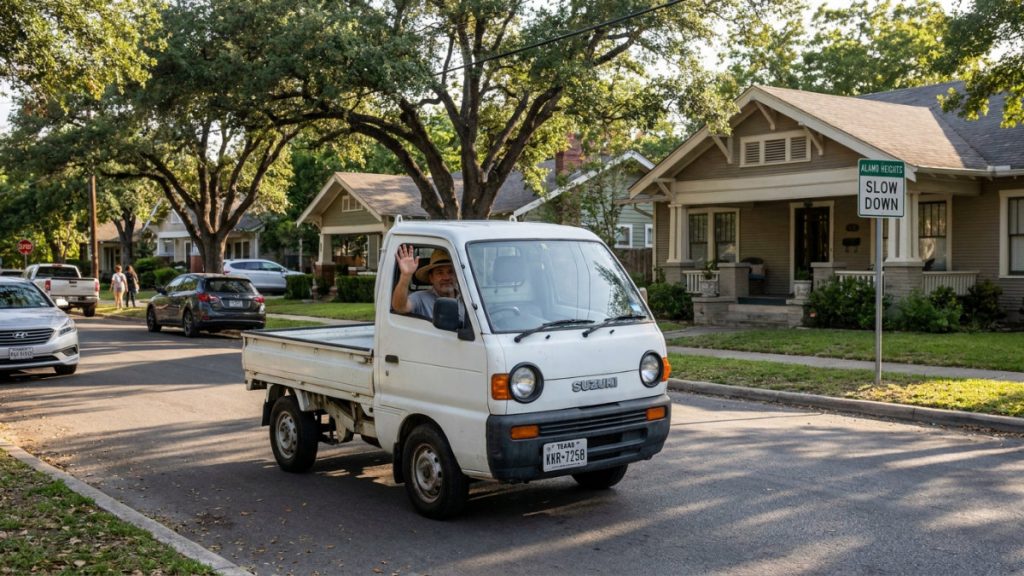
Here’s where it gets interesting for import enthusiasts. The U.S. allows vehicles that are 25 years or older to be imported without meeting current FMVSS standards, under the “Show or Display” exemption framework. This is why you’re seeing more JDM mini trucks, like the Honda Acty or Subaru Sambar, showing up on American roads now. Those models from the late 1990s are just crossing that threshold. For a closer look at how JDM imports work in the U.S. market, the post on Japanese Domestic Market Vehicles: JDM Imports U.S. Market covers the full landscape of what’s eligible and what isn’t.
The American Consumer and the Full-Size Truck Culture
Trade policy and safety rules explain a lot, but they don’t tell the whole story. American truck buyers also drove the shift toward bigger vehicles. When gas prices dropped in the mid-1980s and stayed relatively low through the 1990s, buyers began choosing larger trucks with more towing capacity, more cab space, and more features. Small trucks started feeling like a compromise rather than a smart choice.
How Profit Margins Finished Off the Small Truck
Full-size trucks became the most profitable vehicles in the U.S. auto industry. Ford’s F-Series has been the best-selling vehicle in America for over 40 consecutive years. The profit on a well-equipped F-150 can exceed $10,000 per unit. Small trucks simply can’t generate those margins. Automakers have little financial incentive to develop, certify, and market a compact pickup when their full-size lines are printing money.
Did Consumers Actually Want Smaller Trucks?
This is debated. Ford’s Maverick, which launched in 2022, sold out almost immediately and had a waiting list for months. That suggests real demand exists for a smaller, more affordable truck. But Ford positioned it as a “small truck” at a price point around $20,000, not a true mini truck in the kei sense. Honestly, the demand is there. The regulatory and market structure just hasn’t caught up.
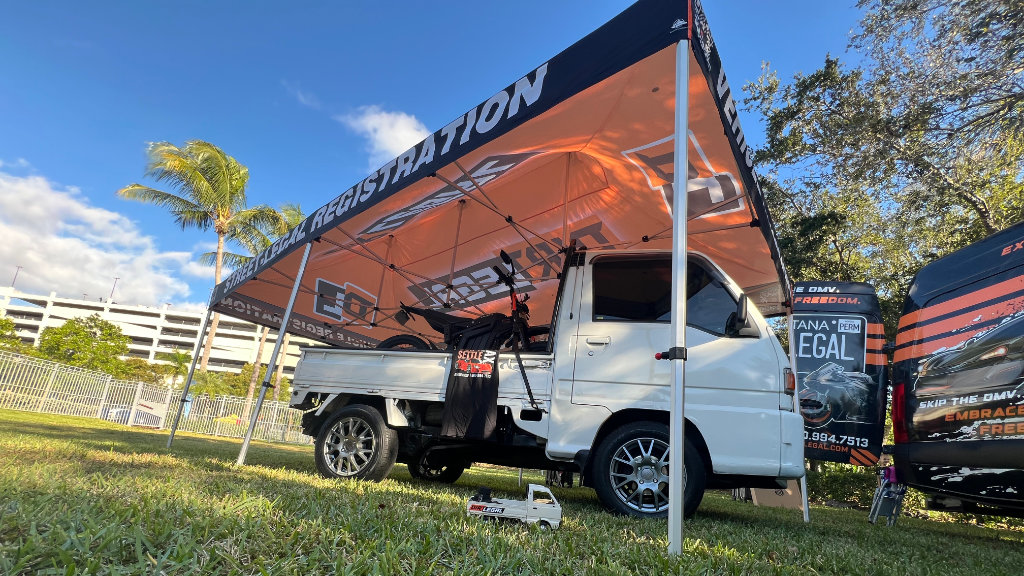
Mini Trucks vs. Mid-Size Trucks: How Do They Compare?
It helps to have a clear picture of what “mini truck” actually means compared to what’s available in the U.S. today. Here’s a side-by-side look:
| Feature | Kei / Mini Truck (JDM) | Mid-Size U.S. Truck | Full-Size U.S. Truck |
|---|---|---|---|
| Engine Size | Under 660cc | 2.0, 3.5L | 3.5, 6.2L |
| Payload | 400, 800 lbs | 1,200, 1,800 lbs | 1,500, 3,000+ lbs |
| Fuel Economy | 40, 55 mpg | 20, 30 mpg | 15, 22 mpg |
| Starting Price (U.S.) | $5,000, $15,000 (used import) | $28,000, $45,000 | $35,000, $70,000+ |
| Street-Legal in U.S.? | Only if 25+ years old | Yes | Yes |
| NHTSA Certified | No (for new imports) | Yes | Yes |
Can You Register a Mini Truck in the U.S.? What Owners Actually Face
If you’ve imported or purchased a used kei truck that’s over 25 years old, registration is possible, but the process isn’t identical in every state. Some states are more friendly to older imports. Montana and South Dakota in particular have straightforward registration processes that work well for vehicles with unusual titling histories.
The Title Problem With Imported Mini Trucks
Many imported mini trucks arrive in the U.S. with foreign documentation, a Japanese export certificate, or sometimes just a bill of sale. Getting a clean U.S. title from that paperwork takes some effort. You may need a vehicle VIN inspection, especially if the vehicle has a non-standard identifier. States handle this differently, and some will require additional documentation before they issue a domestic title. Our guide on buying a car without a title covers many of the same steps and is worth reading before you start the process.
For a deeper look at how registering a vehicle in another state works, that resource from our sister brand Ride Legal walks through the key considerations in plain terms.
Montana LLC Registration for Import Vehicles
One option that works well for import vehicle owners is registering through a Montana LLC vehicle registration. Montana has no sales tax, no emissions testing requirements, and a straightforward title process that handles vehicles with non-standard documentation. For a high-value or hard-to-title import, this approach can save a significant amount in taxes and fees. You can also check the Montana Motor Vehicle Division for official fee schedules.
The post on Hidden Perks of a Montana License Plate: A Tax-Saving Edge breaks down exactly what Montana registration offers and why it’s a popular choice for vehicle owners across the country.
What About Importing a Mini Truck From Canada?
Canada has a slightly different import framework, and some mini trucks that Eligible under Canadian rules still don’t meet U.S. standards. The 7 Steps to Import a Vehicle From Canada to the US by Yourself guide covers the full process, including what to check before you buy.
Frequently Asked Questions About Mini Trucks in America
Why did mini trucks disappear from U.S. dealerships?
A combination of the 25% Chicken Tax on imported light trucks, the rising profitability of full-size pickups, and U.S. safety certification requirements made small trucks financially unviable for most automakers. By the early 2000s, most manufacturers had discontinued compact truck lines in favor of mid-size and full-size models with higher margins. The category didn’t disappear overnight, it faded as economic incentives pushed everyone toward bigger vehicles.
Are kei trucks street-legal in the United States?
New kei trucks are not street-legal in the U.S. because they don’t meet NHTSA Federal Motor Vehicle Safety Standards. However, vehicles that are 25 years or older can be imported and, in many states, registered for road use under the vintage or classic vehicle exemption. The exact rules vary by state. Some states require a VIN inspection and specific documentation before they’ll issue a title to an older import.
Can I register a Japanese mini truck in Montana?
Montana is one of the more straightforward states for registering older import vehicles. If your mini truck is 25 years old or older and you have the proper import documentation, Montana can typically issue a title and registration. Vehicle registration costs in Montana are generally lower than in other states, and there’s no sales tax on vehicle purchases. Many import owners use a Montana LLC to handle this process. You can check current fee details at the Montana Vehicle Title and Registration page.
What is the 25-year import rule for vehicles?
The 25-year rule allows vehicles manufactured at least 25 years ago to be imported into the United States without meeting current NHTSA safety standards. This is the primary path for bringing JDM mini trucks and other foreign vehicles onto American roads. The vehicle must still clear U.S. Customs and EPA requirements, and you’ll need a proper bill of sale and import documentation to get a domestic title. Some states also require a vehicle VIN inspection as part of the title process.
Is the Chicken Tax ever going to be repealed?
Unlikely in the near term. Domestic automakers, particularly Ford, GM, and Stellantis, benefit enormously from the protection it provides on light trucks. There have been occasional trade negotiations that touched on it, but the political will to remove a tariff that directly protects a major domestic industry just isn’t there. Some trade agreements, like the U.S.-Korea FTA, included phase-down provisions, but the Chicken Tax remains in place for most countries.
What small trucks are currently available new in the U.S.?
The Ford Maverick and Hyundai Santa Cruz are the closest things to small trucks available new in the U.S. right now. Neither is a true mini truck in the kei sense, but both offer smaller footprints, better fuel economy, and lower price points than traditional mid-size or full-size pickups. The Maverick’s hybrid version gets over 40 mpg in the city, which is the closest you’ll find to kei truck efficiency in a new U.S.-market vehicle.
Can I get a title for a mini truck that came with foreign documents only?
Yes, in most cases. The process typically requires a bill of sale, the original foreign export certificate, proof of import clearance, and sometimes a VIN inspection. Some states will issue a bonded title when documentation is incomplete. A bonded title works like a temporary title, valid for a set period, that becomes a clean title once no ownership disputes arise. For more on how that process works, see What Is a Bonded Title and When Do You Need One?
Do I need a bill of sale to register an imported mini truck?
A bill of sale is typically required as part of the documentation package for titling any vehicle, including imported mini trucks. It establishes the transfer of ownership and helps document the purchase price, which may matter for any applicable tax calculations. Some states treat the bill of sale as the primary ownership document when no U.S. title exists yet. You can find more on automotive bill of sale requirements and what information it needs to include through general DMV guidance resources.
The Bottom Line on Mini Trucks in America
Why are there no mini trucks in America? Sixty years of trade protection, safety regulations designed for a different era, and a domestic market that found more profit in bigger vehicles all played a role. The category wasn’t banned, it was priced and regulated out of existence for new sales. But older imports are finally crossing the 25-year threshold, and a small but passionate community of owners is finding ways to get them titled and on the road. If you’ve got one of those trucks, or you’re thinking about importing one, the paperwork side of things doesn’t have to be a headache. That’s exactly what we handle at Dirt Legal.
Ready to get your vehicle registered? See how the process works and find out which registration option fits your situation.