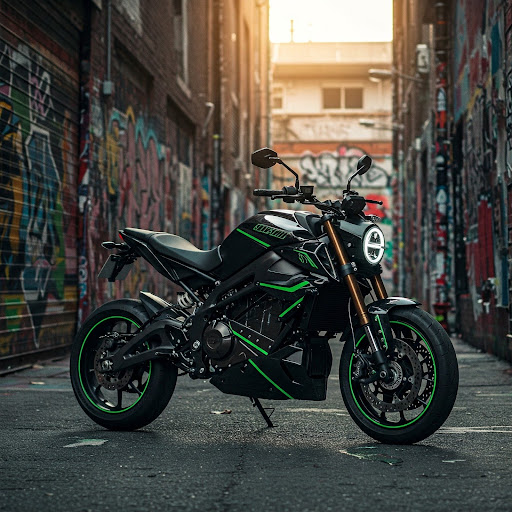
Electric motorcycles are quickly reshaping the way riders think about performance, efficiency, and ownership. With lower operating costs, quieter rides, and rapid advancements in battery technology, they offer a compelling alternative to traditional gas-powered bikes.
But beyond the excitement of new technology, there’s one important factor many riders overlook: how to properly title and register an electric motorcycle without delays or confusion.
Why Electric Motorcycles Are Gaining Momentum
Electric motorcycles aren’t just a trend—they’re part of a broader shift toward cleaner, more efficient transportation. According to the U.S. Department of Energy, electric vehicles can reduce emissions and lower operating costs while improving overall efficiency.
For riders, that translates into real-world benefits:
- Lower fuel and maintenance costs
- Instant torque and smooth acceleration
- Fewer moving parts compared to gas engines
At the same time, federal programs may make certain electric motorcycles eligible for incentives or tax credits. The IRS outlines how the Clean Vehicle Credit works and who qualifies.
The Technology Driving Electric Motorcycle Innovation
Advancements in battery systems and smart features are accelerating adoption. Improvements in energy density and charging speed are helping electric motorcycles go farther and recharge faster than ever before.
Safety and technology standards are also evolving. The National Highway Traffic Safety Administration highlights how modern vehicle technologies improve rider awareness and reduce risk.
New developments shaping the industry include:
- Fast-charging and battery-swapping capabilities
- Lightweight battery designs for better handling
- Smart diagnostics and rider-assist features
What to Consider Before You Buy
While the benefits are clear, ownership comes with a few important considerations:
1. Range and Charging Access
Make sure your riding habits align with available charging infrastructure.
2. Incentives and Eligibility
Not every model qualifies for tax credits or rebates, so confirm eligibility before purchasing.
3. Registration and Titling Requirements
Electric motorcycles can fall into different classifications depending on the state, which can create confusion during registration.
Don’t Overlook the Registration Process
Owning an electric motorcycle is one thing—getting it properly titled and registered is another.
State requirements vary, and navigating emissions classifications, VIN verification, and documentation can quickly turn into complex paperwork. Missing a step can delay your ability to ride or even prevent registration altogether.
That’s why many riders choose a hassle-free approach to handling their paperwork from the start—especially when dealing with newer vehicle types like electric motorcycles.
Top Electric Motorcycles to Watch in 2026
Here are some of the standout electric motorcycles that are making waves in 2026:
- LiveWire S2 Del Mar: A performance-oriented electric motorcycle that combines sleek design with advanced features, offering a thrilling ride for enthusiasts.
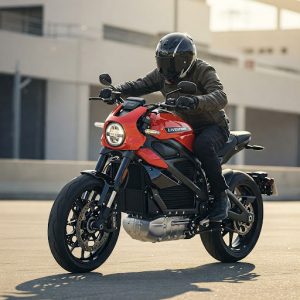
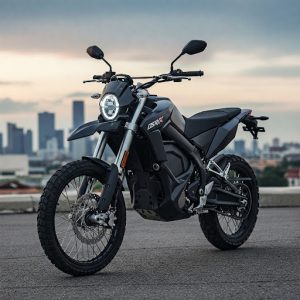
- Zero DSR/X: An adventure-touring electric motorcycle, perfect for riders seeking off-road capabilities and long-range performance.
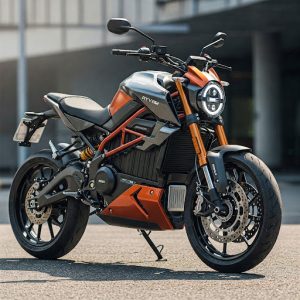
- Ryvid Anthem: A lightweight, commuter-friendly electric motorcycle with an innovative design, ideal for urban riders looking for efficiency and style.
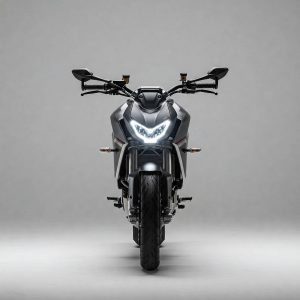
- Energica Experia: Known for its long-range capabilities and comfort, the Experia is a top choice for touring enthusiasts seeking an eco-friendly alternative to traditional motorcycles.
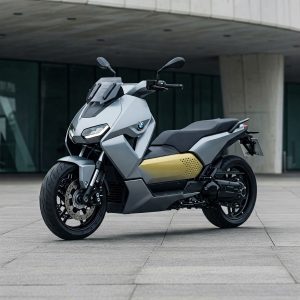
- BMW CE 04: A futuristic electric scooter that blends style and functionality, offering an excellent option for urban commuters looking to reduce their carbon footprint.
The electric motorcycle market is surging forward, with a bright future ahead. With impressive growth projections, cutting-edge technology, and a growing variety of models to choose from, e-motorcycles are proving to be more than just a passing trend.
Whether for performance, commuting, or touring, electric motorcycles offer a range of benefits that align with the demand for sustainable transportation solutions.
As technology continues to evolve, expect to see even more innovation in the electric motorcycle space. For now, the trend is clear: the future of riding is electric.
Skip the Complex Paperwork and Get on the Road Faster
Getting your electric motorcycle properly titled and registered doesn’t have to slow you down.
Take a hassle-free approach and make sure everything is handled correctly from the start—so you can focus on the ride, not the process.
Start your registration today and move forward with confidence.
Your Complex Questions, Answered.
Why require e-bike registration and insurance?
Registration and insurance help ensure your electric motorcycle is fully road-ready and backed by the protection you need. As more riders adopt electric bikes, proper documentation reduces confusion, avoids delays, and keeps your ownership experience smooth from day one. It’s not just about riding—it’s about riding prepared, protected, and without unnecessary obstacles.
Why do a lot of electric motorcycles have no titles?
Many electric motorcycles are sold for off-road use or fall into unclear classification categories, which means they may not come with standard ownership documents. This often leads to paperwork gaps that can slow down registration or prevent riders from getting on the road. Turning that incomplete documentation into a fully recognized, ride-ready status is where the right support makes all the difference.
What is the benefit of requiring a license and registration to operate an e-bike?
Licensing and registration create a clear, consistent standard for riders and vehicles on the road. For electric motorcycles, this means fewer gray areas, better alignment with traffic laws, and a more straightforward ownership experience. When everything is properly documented, you can focus on the ride instead of navigating complex paperwork or unexpected setbacks.