Are Dirt Bikes Street-Legal?
Most dirt bikes sold for off-road use do not meet the requirements for highway or street travel. They lack essential features such as DOT-approved lights, turn signals, mirrors, and emission controls. In their stock form, dirt bikes are not street-legal in most states, according to the American Motorcyclist Association).
However, many owners choose to convert their bikes using a dirt bike street-legal kit that includes the components necessary to comply with their state’s safety and visibility requirements. Once modified and inspected, the bike can be titled and registered for street use—provided your state permits it.
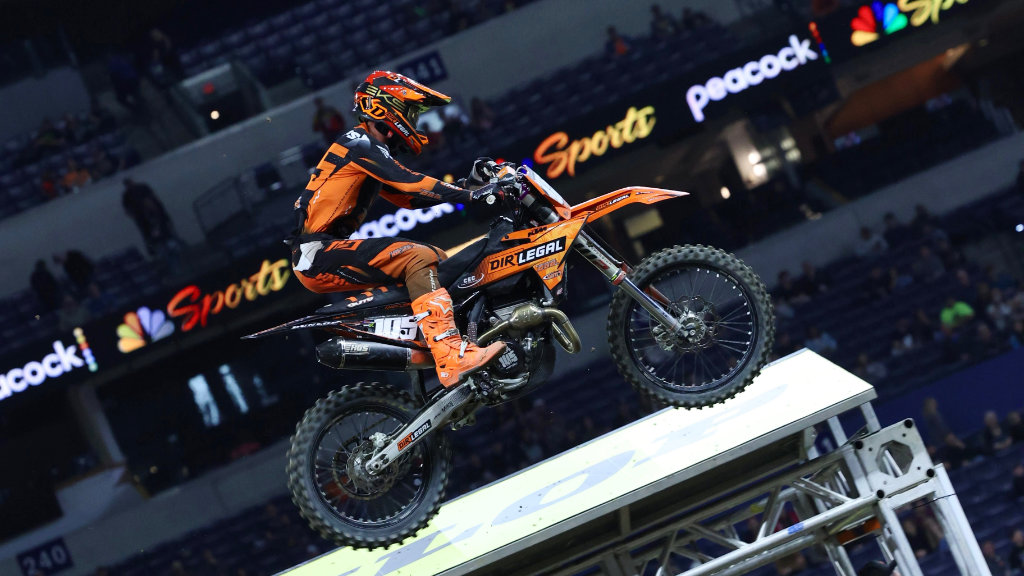
Can Motocross Bikes Be Made Street-Legal?
Street-legal motocross bikes are possible but more challenging due to their racing-oriented build and lack of road-ready components. These bikes often require more extensive modifications, including new electrical systems, compliant exhaust setups, and proof of roadworthiness.
States vary in whether they allow titles for these bikes after conversion, especially if the bike’s manufacturer certificate of origin (MSO) lists it as off-road only, according to Dirt Legal’s Title & Registration Guide.
What About Road-Legal Dirt Bikes and 2-Strokes?
Building a road-legal dirt bike using a two-stroke engine is increasingly difficult, as federal emissions standards have largely phased out road-use approvals for modern 2-stroke models.
However, road-legal 2-strokes are still possible in select states—especially if the bike is old enough or the registration originates from a state with less strict emissions rules, such as South Dakota or Arizona, according to EPA Vehicle Emissions Guidance and South Dakota DMV.
Owners must also provide appropriate lighting, brake systems, and mirrors, and often undergo a VIN inspection before being approved for a plate.
Are Side-by-Sides Street-Legal?
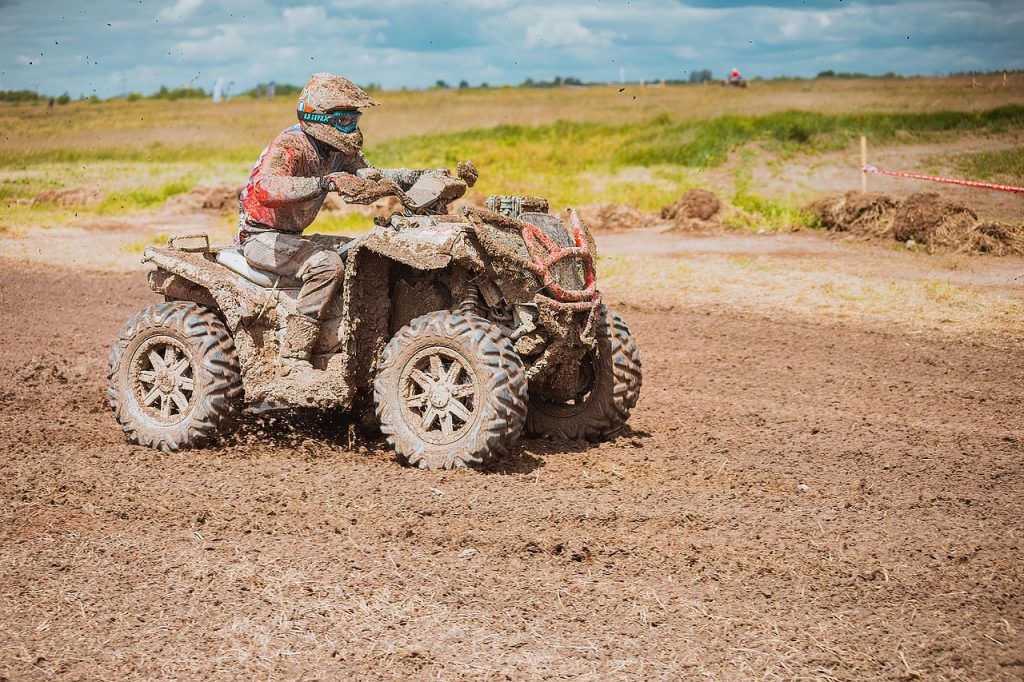
Side-by-sides (UTVs) are not inherently street-legal, even though they are built with advanced safety features like roll cages and seat belts. Whether or not side-by-sides are street-legal depends entirely on your state.
For example, Arizona and Montana allow for relatively easy on-road registration of UTVs, while states like California prohibit UTVs on public roads except under limited circumstances, according to Arizona DOT and California DMV.
Street-Legal Utility Vehicles and UTV License Plates
A growing number of states now offer UTV license plate options for residents who install proper safety gear and complete inspections. These street-legal UTVs are commonly referred to as street-legal utility vehicles, and they are increasingly used for rural transportation, local errands, or by public works departments.
Common modifications needed include:
- DOT-rated headlights and taillights
- Brake lights and turn signals
- Rearview mirrors
- Horn
- Speedometer
- Windshield (in many states)
- License plate bracket and light
States like South Dakota and Florida are among the most accommodating for full UTV registration and licensing, according to South Dakota Department of Revenue and Florida Highway Safety & Motor Vehicles.
What’s Included in a Street-Legal Kit for Dirt Bikes or UTVs?
A typical street-legal kit for a dirt bike or UTV will include a headlight with high/low beam, taillight with brake light function, turn signals, a horn, rearview mirrors, and often a harness or battery system to power the components.
All parts must meet DOT standards to pass inspection in most states, according to Baja Designs and Tusk Street-Legal Kits product guidelines.
For UTVs, some states may additionally require DOT tires, fenders, and a windshield to meet on-road safety requirements.
Planning to Ride Off-Road with a Side-by-Side?
If you’re considering taking your adventures beyond the pavement, understanding how to choose, modify, and operate a side-by-side is essential. Whether you’re tackling rocky mountain trails or cruising through open desert, picking the right UTV and knowing the limits can make or break your experience.
To dive deeper into off-road vehicle selection, performance upgrades, and considerations—including Surron bikes and dirt bikes—don’t miss our comprehensive guide.
Your Dirt Bike Registration Questions, Answered.
When it comes to dirt bikes, UTVs, motocross bikes, or side-by-sides, the key is understanding that equipment alone does not make a vehicle street legal. The paperwork, classification, and state rules determine what is actually possible. Dirt Legal specializes in structuring these conversions properly so you avoid rejected applications and unnecessary delays.
Are dirt bikes street legal from the factory?
In most cases, no. Standard dirt bikes are manufactured for off road use and do not include the equipment required for public road operation, such as headlights, brake lights, mirrors, turn signals, and a horn. However, in some states, a dirt bike can be converted for street use if it meets safety and inspection requirements. Because state rules vary significantly, Dirt Legal evaluates your bike and determines whether a conversion path is available before you invest time or money into modifications.
Can I make my 2 stroke dirt bike road legal?
Yes, but only in certain states. Converting a 2 stroke dirt bike for road use depends on emissions rules, safety inspections, and how the motorcycle was originally classified by the manufacturer. Older models sometimes have a better chance of approval depending on the state. Since emissions regulations and titling classifications can complicate the process, Dirt Legal helps determine whether your specific bike qualifies and structures the registration properly if a path exists.
What is needed to make a UTV street legal?
Most states that allow on road UTV registration require equipment such as headlights, brake lights, turn signals, mirrors, a horn, a license plate bracket with illumination, and sometimes a windshield and seat belts. After the vehicle meets equipment requirements, you must complete the proper titling and registration process. Because UTV rules vary widely and some states do not allow full on road registration at all, Dirt Legal identifies the correct jurisdiction and handles the paperwork to ensure the vehicle is registered correctly.
Are side by sides street legal nationwide?
No. Side by side street use laws vary by state and sometimes by county. Some states offer broader registration options, while others strictly limit use to approved local roads or off road areas. Simply adding equipment does not guarantee approval. Dirt Legal reviews where the vehicle will be operated and determines whether a compliant registration strategy is available.
Need Help with Street-Legal Registration?
Making your dirt bike or UTV street-legal opens up a range of new possibilities—but it comes with responsibility. You must comply with your state’s laws, install the correct parts, and complete any necessary inspections or titling procedures.
Whether you’re planning to convert a motocross bike, register a road-legal 2-stroke, or get a UTV license plate, it pays to plan ahead and consult local regulations. The process can be straightforward with the right guidance.
At Dirt Legal, we specialize in helping riders and vehicle owners across the U.S. navigate the process of converting and registering off-road vehicles for on-road use. From dirt bike street-legal kits to utility vehicle compliance, our experts ensure your paperwork is accurate, your equipment meets the code, and your ride is ready for the road.
Get started now and ride with confidence—on or off the trail.