Off-road vehicles are built for freedom—but getting the most out of them takes more than just hitting the trail.
From choosing the right side-by-side to upgrading performance and understanding how to make certain vehicles eligible for on-road use, the details matter.
This guide breaks it all down—so you can ride with confidence and avoid unnecessary setbacks.
Choosing the Right Off-Road Side-by-Side
Not all side-by-sides are built the same.
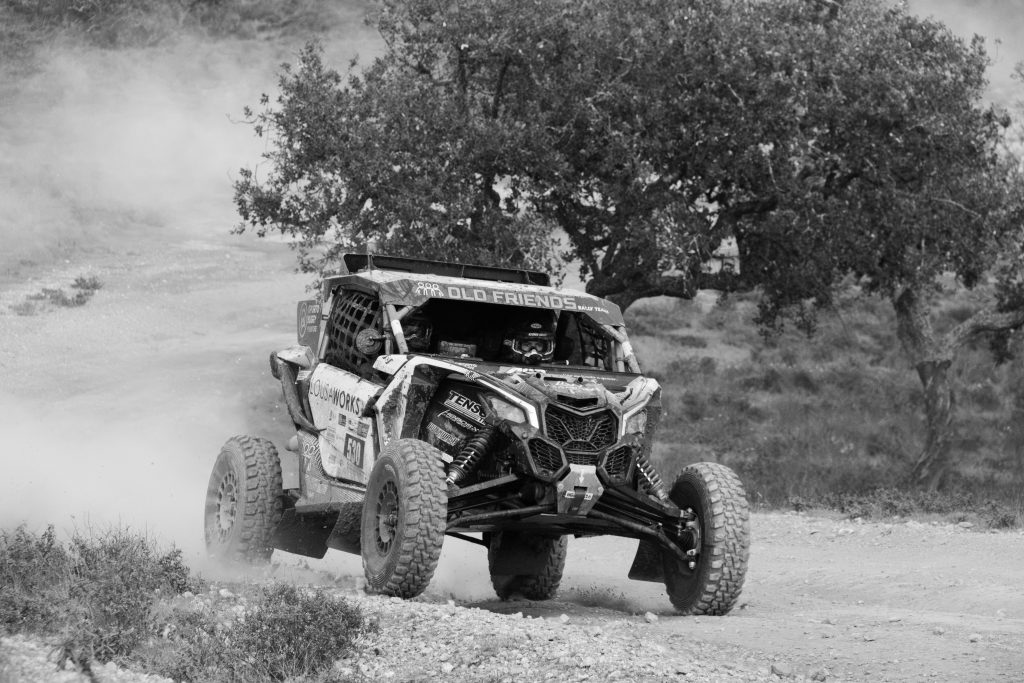
The right choice depends on where and how you ride. Rocky terrain, sand dunes, and wooded trails all demand different levels of power, suspension, and durability.
Leading manufacturers like Polaris, Can-Am, and Yamaha offer models designed for specific environments—so matching your vehicle to your terrain is key to performance and safety.
UTV Lift Kits: Unlock More Capability
If you’re looking to push your vehicle further, a lift kit can make a major difference.
Benefits include:
- Increased ground clearance
- Improved handling over obstacles
- Better suspension performance on rough terrain
Lift kits also allow for larger tires, giving you more traction and stability.
The key is choosing a setup that fits your vehicle correctly—poor fitment can create handling issues and reduce performance.
Can Surron Bikes Be Made Eligible for the Road?
Surron electric bikes are designed primarily for off-road use, which means they often don’t meet standard on-road requirements out of the box.
To become eligible for road use, modifications may be required, such as:
- Headlights and taillights
- Mirrors
- Turn signals
- DOT-approved tires
Requirements vary by state. Federal equipment standards can be referenced through the
U.S. Department of Transportation: https://www.transportation.gov/
Without proper documentation, these vehicles typically remain classified for off-road use only.
Can You Ride a Dirt Bike on the Road?
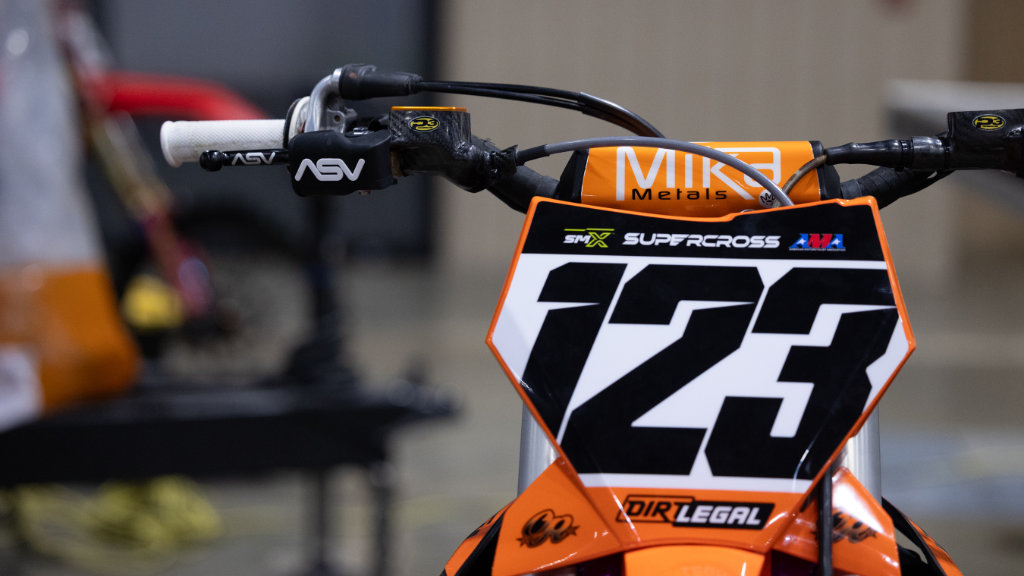
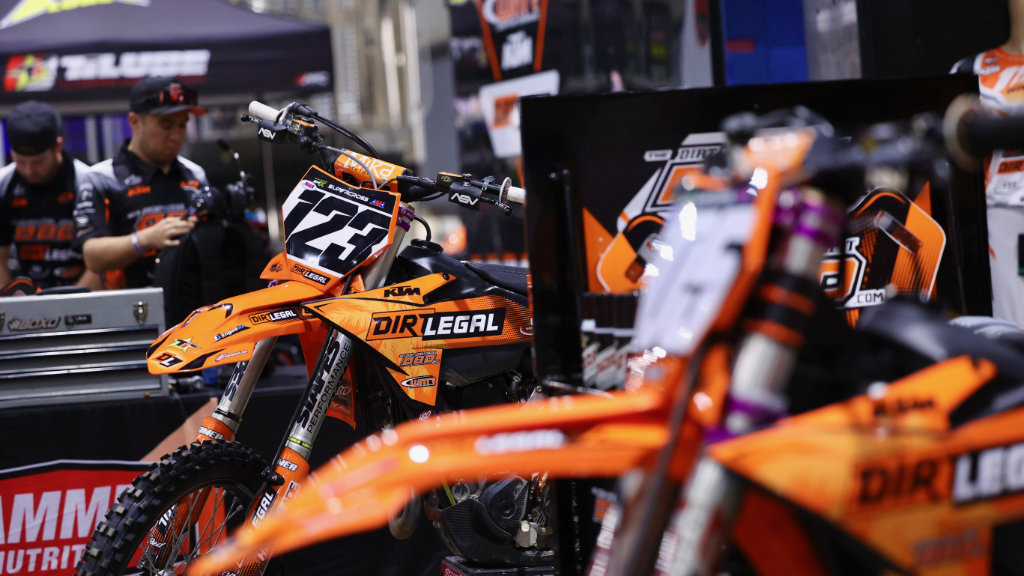
In most cases, dirt bikes need specific upgrades before they can be used on public roads.
This often includes:
- Lighting systems (headlights, brake lights, signals)
- Mirrors and horn
- DOT-approved tires
- Proper registration and documentation
State-specific requirements vary. You can review general vehicle registration guidance through official resources like:
https://www.usa.gov/motor-vehicle-services
Missing even one requirement can delay the process.
What It Takes to Get an Off-Road Vehicle Road-Ready
Making an off-road vehicle eligible for the road involves more than just equipment—it requires navigating state-specific requirements, documentation, and complex paperwork.
If you want a complete, state-by-state breakdown of what’s required—and how to avoid common delays—start here:
How to Make Your Off-Road Vehicle Road Ready in Your State – Spring 2025 Guide.

Avoid Common Mistakes That Slow You Down
Small errors can create major delays.
Missing documents, incorrect VIN details, or incomplete forms can stall your progress and force you to restart parts of the process.
Understanding documentation standards—like those outlined by the
National Highway Traffic Safety Administration (NHTSA): https://www.nhtsa.gov/road-safety
can help you avoid common issues.
Ride Smarter, Stay Prepared
Whether you’re exploring trails or preparing your vehicle for the road, safety and maintenance should always come first.
- Wear proper protective gear
- Inspect brakes, tires, and key components regularly
- Stay informed on your state’s requirements
You can also review safety recommendations from Consumer Product Safety Commission:
https://www.cpsc.gov/
Preparation isn’t just about performance—it’s about avoiding setbacks.
Skip the Guesswork
Getting an off-road vehicle ready for the road can involve complex paperwork, unclear requirements, and time-consuming steps.
Dirt Legal provides a clear, hassle-free path to help make your vehicle eligible—without the usual back-and-forth.