What Is a Salvage Title?
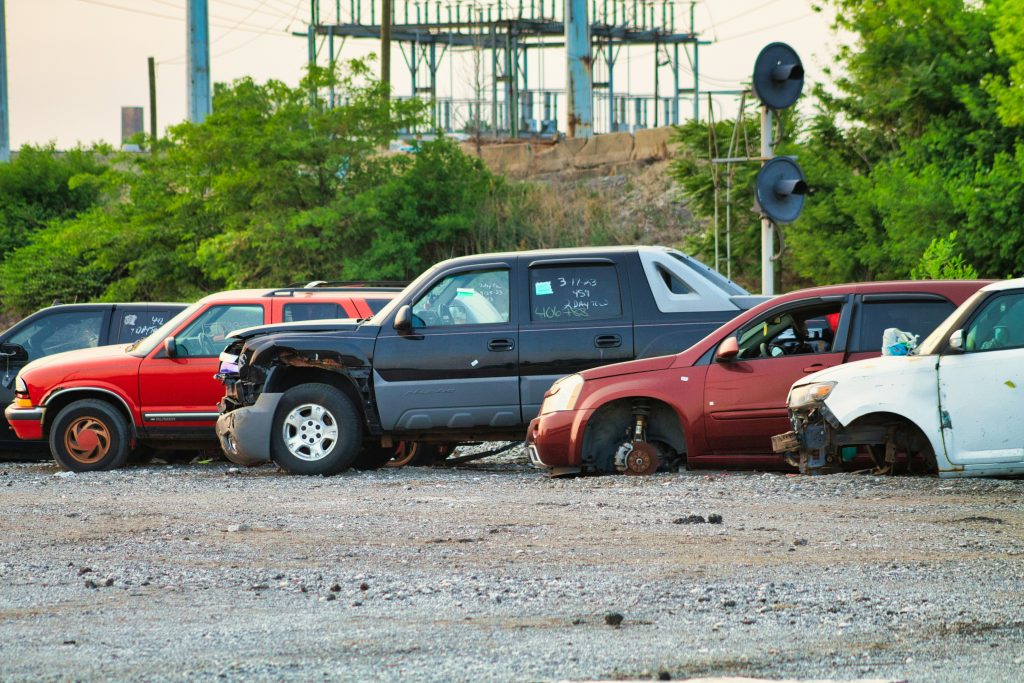
A salvage title is assigned to a vehicle deemed a total loss by an insurance company due to severe damage from incidents like accidents, floods, fires, or theft. This designation indicates that the cost of repairs exceeds a certain percentage of the vehicle’s pre-damage value, rendering it uneconomical to fix.
Before You Move Forward, Check the VIN
A salvage title only tells part of the story. The full history is tied to the VIN—and that’s where hidden issues can show up.
In seconds, you can verify title history, uncover prior damage, and catch problems that could delay registration or impact resale.
Know exactly what you’re dealing with before you invest time or money.
According to Bankrate, insurance companies issue salvage titles when a vehicle is deemed a total loss after an accident, flood, or other significant damage, making it ineligible for regular registration until repaired and inspected.
Can You Register a Car with a Salvage Title?
Vehicles with salvage titles cannot be registered or driven on public roads. They are considered unroadworthy until they undergo necessary repairs and pass the required inspections to obtain a rebuilt title.
According to AutoBidMaster, a vehicle with a salvage title cannot be registered or driven until it is rebuilt and inspected for safety.
This restriction applies to both cars and motorcycles. Therefore, if you’re wondering,
“Can you register a motorcycle with a salvage title?”
The answer is also no until it is repaired and reclassified with a rebuilt title.
Want a Step-by-Step Guide to Registering a Salvage Vehicle?
Understanding the difference between salvage and rebuilt titles is just the beginning. If you’re trying to actually move forward—whether that means claiming ownership, fixing title issues, or getting a salvaged vehicle back on the road—you’ll need a clear process.
How to Legally Register or Reclaim a Salvaged or Abandoned Vehicle
This guide breaks down what to do when paperwork is missing, how to handle inspections, and the steps required to turn a salvaged vehicle into something you can actually drive.
What Is a Rebuilt Title?
A rebuilt title is issued to a previously salvage-titled vehicle that has been repaired and inspected, confirming it meets safety and roadworthiness standards.
According to Consumer Reports, a rebuilt title is given to a car that was once deemed a total loss but has since been repaired and passed an inspection, making it fit for road use.
Once a vehicle has a rebuilt title, it can be registered, insured, and driven on the roads. However, it will always be marked as rebuilt, which can impact resale value and insurance options.
Some insurance companies offer limited coverage or liability-only policies for rebuilt vehicles.
How to Convert a Salvage Title into a Rebuilt Title
The process of transforming a salvage title into a rebuilt title varies by state but generally involves the following steps:
1. Repair the Vehicle
The vehicle must be restored to a safe, roadworthy condition, ensuring all repairs comply with state standards.
2. Pass a Salvage Inspection
After repairs, the vehicle must undergo a state-mandated inspection to verify its safety and the legitimacy of the repairs.
3. Apply for a Rebuilt Title
The necessary documentation, including proof of ownership, repair records, and inspection certification, must be submitted to the state’s Department of Motor Vehicles (DMV) or equivalent agency.
According to DMV.com, individuals seeking a rebuilt title must have their vehicle inspected and submit all required documentation before applying for a new title.
Once these steps are completed, the vehicle can be registered and driven.

How to Turn a Rebuilt Title into a Clean Title
Many people ask how to turn a rebuilt title into a clean title. Unfortunately, it’s nearly impossible in most states. A rebuilt title will always be branded as rebuilt to inform future buyers and insurers that the vehicle was previously totaled.
Some states allow a rebuilt title to be converted to a clean title after several years of ownership, but this is rare.
How to Turn a Salvage Title into a Clean Title in VA
If you’re in Virginia and wondering how to turn a salvage title into a clean title in VA, the process involves repairing the vehicle to meet Virginia’s safety and emissions standards, obtaining a Virginia State Police inspection for rebuilt vehicles, and applying for a rebuilt title with the Virginia DMV.
According to the Virginia DMV, all rebuilt vehicles in Virginia must pass a salvage vehicle inspection before they can be titled and registered for road use.
The state does not allow a salvage or rebuilt title to ever become a “clean” title, meaning it will always be marked as “rebuilt” in the title history.
Can You Register a Car with a Certificate of Destruction?
A Certificate of Destruction (CoD) is issued for vehicles deemed beyond repair, typically due to extreme damage. Vehicles with a CoD are considered unfit for reconstruction and cannot be registered or driven.
According to Salvage Reseller, vehicles with a Certificate of Destruction cannot be titled for road use and are typically used for scrap or parts only.
A Certificate of Destruction is fundamentally different from a salvage title, though both indicate a vehicle has sustained severe damage.
A salvage title allows a vehicle to be repaired and potentially re-registered after passing inspections, while a Certificate of Destruction permanently deems the vehicle unfit for road use.
As noted in Dirt Legal’s blog (Dirt Legal), a Certificate of Destruction is essentially the vehicle’s “death certificate,” meaning it can only be used for parts or scrap and cannot be rebuilt or driven again.
Need Help Navigating Salvage and Rebuilt Titles?
Understanding the difference between a salvage title, rebuilt title, and Certificate of Destruction is only part of the process.
Where most vehicle owners run into problems is:
Missing or incomplete paperwork
State inspection requirements
Title transfers that don’t go as expected
Unclear next steps after purchase
That’s where delays—and frustration—start.
Dirt Legal helps simplify the process by reviewing your situation, identifying what’s needed, and guiding you through the steps required to move forward. Whether you’re dealing with a salvage vehicle, rebuilding a project car, or trying to complete a title transfer, having the right approach can save time and prevent costly setbacks.