Off-Road Use: Registration Requirements
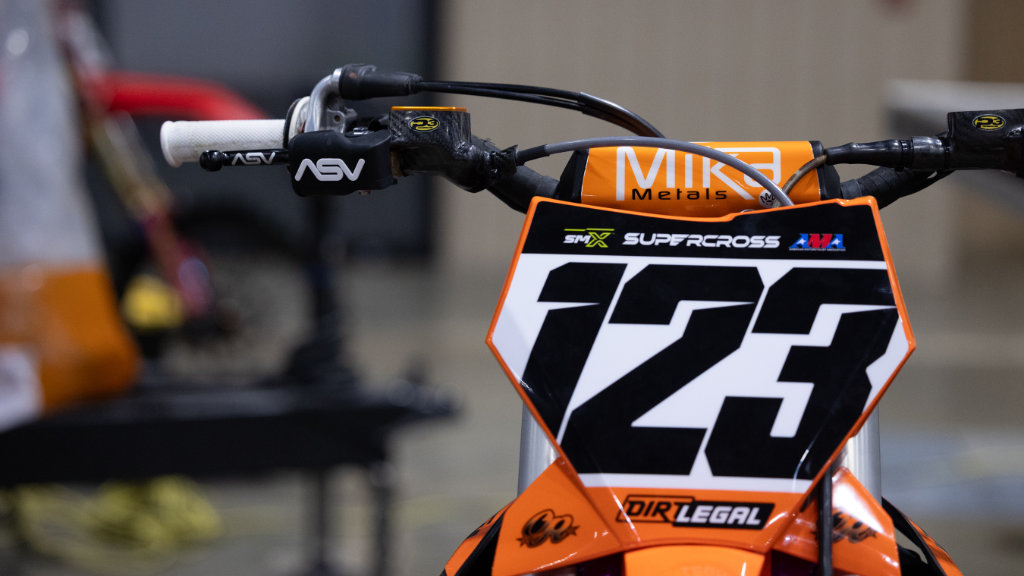
In Ohio, off-highway motorcycles (OHMs), commonly known as dirt bikes, must be registered if operated on public lands or trails. Registration is not required if the dirt bike is used exclusively on private property owned by the rider or with the landowner’s permission.
- Registration Process:
- Obtain an Ohio Certificate of Title or Memorandum of Title.
- Register the dirt bike with the Ohio Bureau of Motor Vehicles (BMV).
- Display the assigned registration number on both sides of the forward cowling in block characters at least two inches high.
- Registration Validity:
- Registrations are valid for three years and expire on December 31 of the third year.
- Safety Equipment:
- While not explicitly required for off-road use, it’s recommended to equip your dirt bike with safety features such as headlights, taillights, and reflectors for visibility.
Street Use: Converting a Dirt Bike to Street-Legal
Converting a dirt bike for street use in Ohio is possible, but requires compliance with specific equipment and registration standards.
Conversion Requirements:
- Title and Inspection:
- Obtain an Ohio Certificate of Title. If the dirt bike was previously titled as “off-road use only,” a physical inspection may be required to verify compliance with street-legal standards.
- Required Equipment:
- DOT-approved headlight with high and low beams.
- Taillight with brake light function.
- Front and rear turn signals.
- Rearview mirror(s).
- Horn audible from at least 200 feet.
- DOT-approved tires.
- Muffler to comply with noise regulations.
- Speedometer and odometer.
- Registration:
- Register the dirt bike with the Ohio BMV and obtain a license plate.
- Pay the applicable registration fees.
- Insurance:
- Secure liability insurance for the dirt bike as required for all street-legal vehicles in Ohio.
Can You Drive Off-Road Vehicles on Public Roads?
Many riders eventually ask the same question: can off-road vehicles like dirt bikes, mini bikes, Surrons, and ATVs be driven on public roads?
The answer depends on several factors, including your state laws, vehicle classification, and whether your vehicle meets equipment and registration requirements. In many cases, off-road vehicles must be modified with essential safety equipment such as headlights, brake lights, mirrors, and horns before they can be approved for road use. Riders may also need to complete inspections, obtain a VIN verification, and register the vehicle properly before riding on public streets.
Because rules vary widely across states, understanding the correct process can save riders time, money, and frustration. Whether you’re modifying a dirt bike, researching Surron regulations, or wondering if a mini bike can be registered, knowing the requirements ahead of time makes the process much easier.
For a full breakdown of the rules, equipment requirements, and registration steps, read the complete guide:
Can You Drive Off-Road Vehicles on Public Roads? All You Need to Know
Where You Can Ride
Off-Road:
- Private Property: Riding is permitted with the landowner’s consent.
- Designated Areas: Riding is allowed in designated off-road areas where dirt bike use is permitted. Ensure compliance with local regulations.
On-Road:
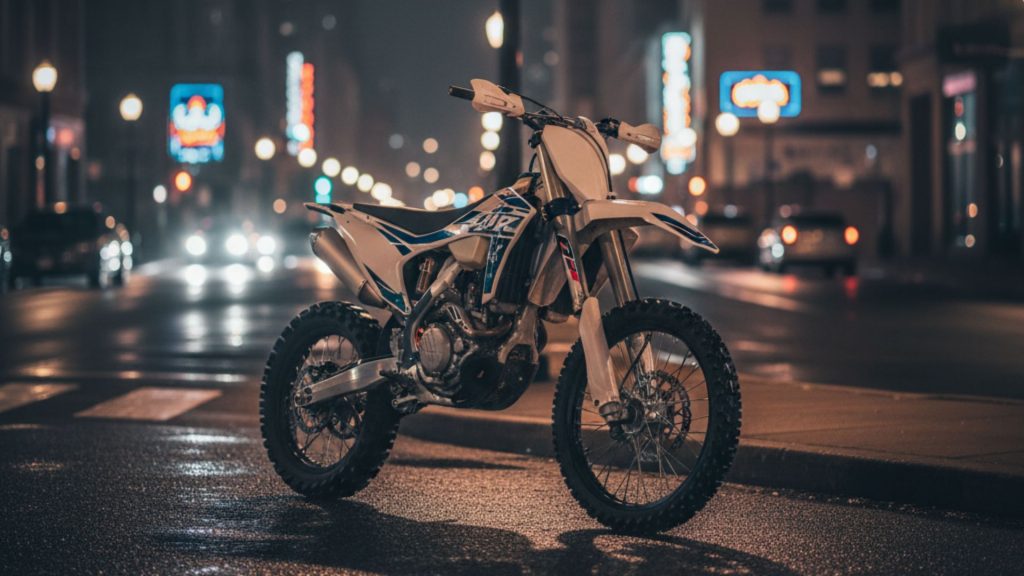
- Permitted Roads: Operation of dirt bikes on public roads is allowed only if the bike has been converted to meet street-legal requirements and is properly registered and insured.
Rider Requirements
- License: A valid driver’s license with a motorcycle endorsement is required to operate a street-legal dirt bike on public roads.
- Helmet Use: All riders and passengers under 18 years of age are required by state law to wear a helmet that meets U.S. Department of Transportation standards.
- Eye Protection: If the motorcycle is not equipped with a transparent windscreen, riders must wear protective glasses, goggles, or a face shield.
Penalties for Non-Compliance
Failure to adhere to Ohio’s dirt bike laws can result in:
- Fines: Monetary penalties for unregistered or improperly equipped vehicles.
- Impoundment: Unauthorized vehicles may be impounded by law enforcement.
- License Suspension: Operating without a valid license or insurance can lead to suspension of driving privileges.
Relevant Ohio Laws and Agencies
- Ohio Bureau of Motor Vehicles (BMV): Handles vehicle titling, registration, and licensing. bmv.ohio.gov
- Ohio Revised Code Chapter 4519: Outlines regulations for off-highway motorcycles and all-purpose vehicles.
- Local Law Enforcement Agencies: For information on local ordinances and enforcement.