Michigan Bike Laws: What You Need to Know
Off-Road Use: Registration Requirements
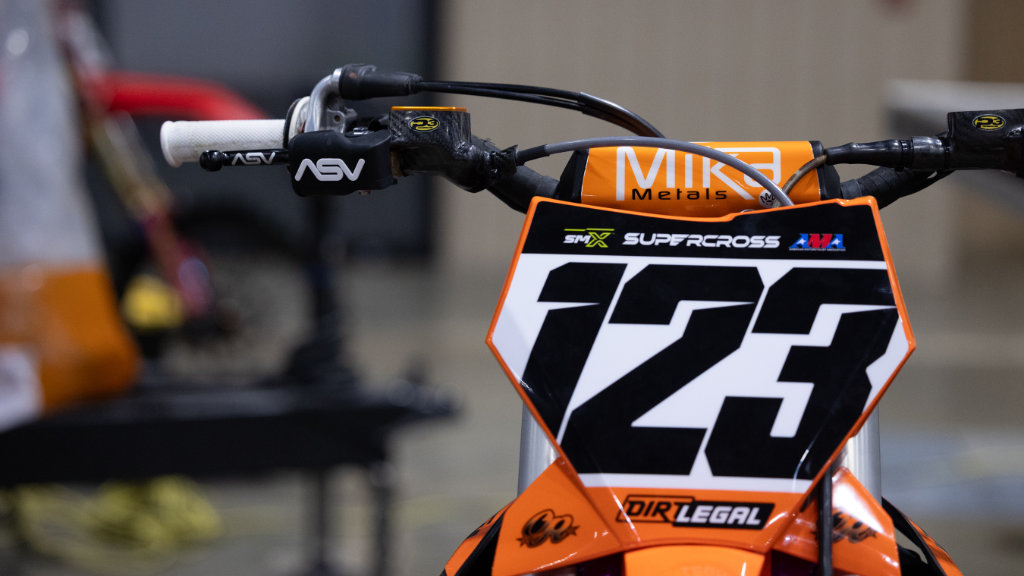
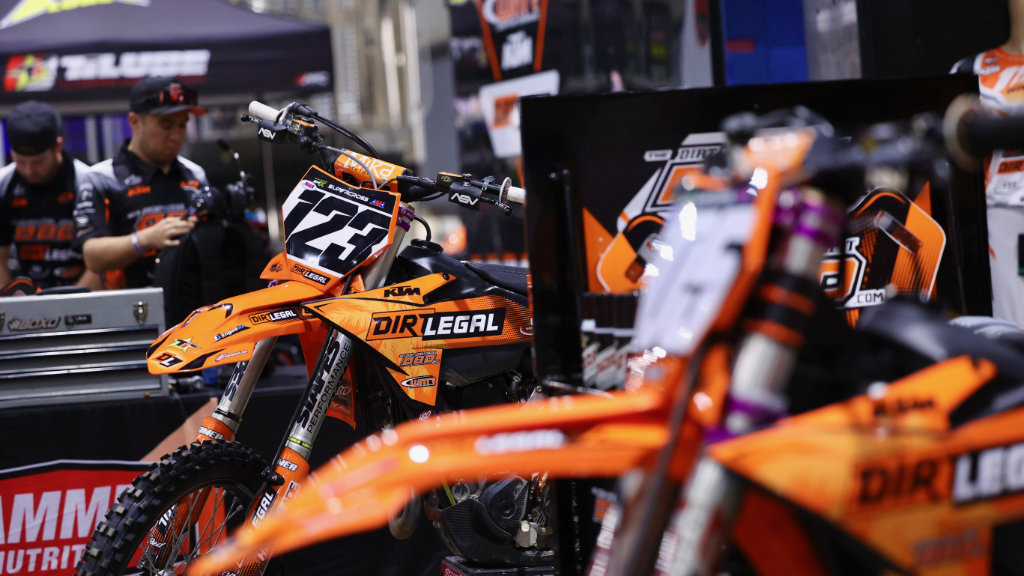
In Michigan, dirt bikes and other off-road vehicles (ORVs) must be registered with the Michigan Department of Natural Resources (DNR) to operate on public lands and designated trails.
- Registration: All ORVs used on public lands must have a valid ORV license ($26.25 annually), and a trail permit ($10) is required to ride on designated ORV trails and scramble areas.
- Private Property: No registration is required if the dirt bike is operated exclusively on private property with the landowner’s permission.
- Title: Titles are required for all ORVs registered after 2004.
- Helmet and Eye Protection: Operators and passengers under 18 must wear a DOT-approved helmet when riding. Eye protection is highly recommended.
- Age Restrictions:
- Under 10: Not permitted to operate an ORV on public lands.
- Ages 10–15: May operate under direct supervision of a parent or guardian and must complete an ORV safety certificate.
- 16 and older: May operate without supervision but recommended to have safety training.
Operation on Public Roads
Operating dirt bikes on public roads or highways is generally prohibited except for crossing at a 90-degree angle where permitted.
Street Use: Converting a Dirt Bike to Street-Legal
To legally ride a dirt bike on Michigan public roads, it must be converted to meet street-legal requirements:
Conversion Steps:
- Equipment Installation:
- DOT-approved headlight (high and low beam)
- Taillight with brake light function
- Front and rear turn signals
- Rearview mirrors (one on each side)
- Horn audible from 200 feet
- Speedometer and odometer
- DOT-approved tires
- Muffler/spark arrestor compliant with noise standards
- Title and Registration: Register the bike with the Michigan Secretary of State as an “Assembled Vehicle” and obtain a title.
- Inspection: Complete a vehicle inspection (TR-54 form) by law enforcement or authorized inspection station.
- Insurance: Liability insurance is required.
- License Plate: Affix a valid Michigan license plate.
Read this other post, “Street Legal Dirt Bikes, UTVs and Off Road Conversions What You Need to Know to Get on the Road,” to learn how riders can convert off road vehicles for street use, what equipment and inspections are required, and how state laws affect the process. The guide explains dirt bike and motocross conversions, registration steps, and key safety requirements to help you get your machine legally on the road.

Where You Can Ride
Off-Road:
- Private Property: Riding is allowed with permission from the landowner.
- Public Lands: Permitted on state-designated ORV trails, routes, and scramble areas.
- Frozen Lakes: Riding on frozen lakes is allowed with an ORV license.
On-Road:
- Street-legal dirt bikes can be ridden on public roads, excluding highways and limited-access roads.
- Dirt bikes may cross public roads at 90-degree angles after stopping and yielding.
Rider Requirements
- License: A valid driver’s license is required for street-legal dirt bike operation on public roads.
- Helmet Use: Operators and passengers under 18 must wear a DOT-approved helmet.
- Safety Certificate: Riders under 16 must have completed an ORV safety education course to operate on public land.
- Insurance: Liability insurance is mandatory for street-legal dirt bikes.
Penalties for Non-Compliance
- Fines: Monetary penalties for unregistered or improperly equipped vehicles.
- Impoundment: Vehicles may be impounded if operated illegally.
- License Suspension: Operating without a valid license or insurance can lead to license suspension.
Relevant Michigan Laws and Agencies
- Michigan Department of Natural Resources (DNR): Manages ORV registrations, licenses, and public riding areas.
Website: michigan.gov/dnr - Michigan Secretary of State: Handles vehicle titling, registration, and licensing.
Website: michigan.gov/sos - Michigan Vehicle Code, Act 300 of 1949: Governs motor vehicle regulations, including ORVs.
Relevant Alabama Laws and Agencies
- Alabama Law Enforcement Agency (ALEA): Handles vehicle titling, registration, and licensing.
- Alabama Department of Revenue: Oversees vehicle registration and taxation.
- Alabama Department of Conservation and Natural Resources: Manages public lands and designated OHV trails.