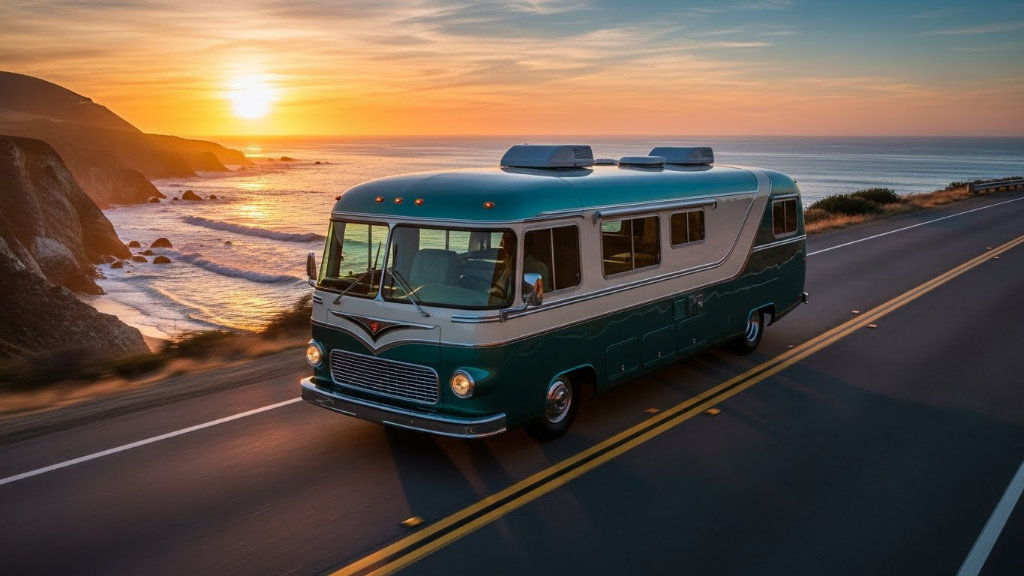
Finishing a custom trailer, DIY camper van, or luxury motorhome build feels like the final step of the journey.
But once the project is complete, another challenge often begins: vehicle registration.
Specialty vehicles rarely follow the same straightforward registration process as a typical car or truck. Between inspections, missing documentation, and varying state requirements, the process can involve significant complex paperwork.
Understanding what to expect can help you avoid delays and move forward with confidence.
Custom-Built Vehicles and Documentation Requirements
When a vehicle is built or heavily modified, state agencies usually require additional verification before approving registration.
For example, a custom-built trailer or specialty vehicle may need:
A vehicle identification number (VIN) assignment
A physical inspection
Receipts for major components used in the build
Many states require documentation for parts such as engines, frames, axles, or donor vehicles. If key paperwork is missing, the registration process can become more complicated.
Some states also classify these projects as “specially constructed vehicles,” which involves additional forms and inspections before registration can be completed.
The Weight and Classification Trap
RVs and trailers are often categorized by weight. If your trailer crosses a certain threshold—usually 3,000 or 4,000 pounds—the rules change. You might suddenly need a title instead of just a registration, or a different class of license plate.
For RV conversions, the state often wants proof that the vehicle is actually a “motorhome.” This usually means having permanent cooking, sleeping, and bathroom facilities.
So, if you haven’t ticked every box on their specific checklist, they might refuse to change the body type on your title. That leaves you stuck with “commercial” van insurance rates for a vehicle you only use on weekends.

Understanding Sales Tax Considerations
Sales tax can be one of the largest costs when registering high-value specialty vehicles.
For example, purchasing a $100,000 motorhome in a state with an 8% sales tax could result in an $8,000 tax obligation at the time of registration.
Because tax rules vary significantly between states, some vehicle owners explore different registration structures that may offer more flexibility depending on their situation.
Montana is often discussed among RV owners and collectors because the state does not charge sales tax and offers registration pathways for certain types of vehicles.
However, vehicle eligibility and ownership structures can vary depending on individual circumstances.
Read Next: Why Smooth RV Registration is the Ultimate Travel Hack
Why Many Owners Use Registration Assistance Services
Registering specialty vehicles often requires navigating different state procedures, forms, and eligibility requirements.
For many vehicle owners, this can involve extensive research and multiple interactions with state agencies.
Registration assistance services help simplify this process by helping owners:
review vehicle eligibility
prepare and submit documentation
navigate state-specific requirements
reduce delays caused by missing paperwork
For builders and enthusiasts, the goal is simple: spend more time enjoying the vehicle and less time managing administrative hurdles.

Simplify the Registration Process for Your Specialty Vehicle
Whether you’re registering a custom trailer, RV conversion, or specialty build, the process can involve significant complex paperwork.
Dirt Legal helps drivers across the country explore registration options for unique vehicles—including RVs, trailers, custom builds, and specialty imports.
Their team helps guide vehicle owners through the registration process so they can move forward with greater clarity and fewer delays.
Start your Hassle-Free registration process today and focus on enjoying your build instead of dealing with paperwork.
Let us handle the headache so you can get back to what matters: driving.