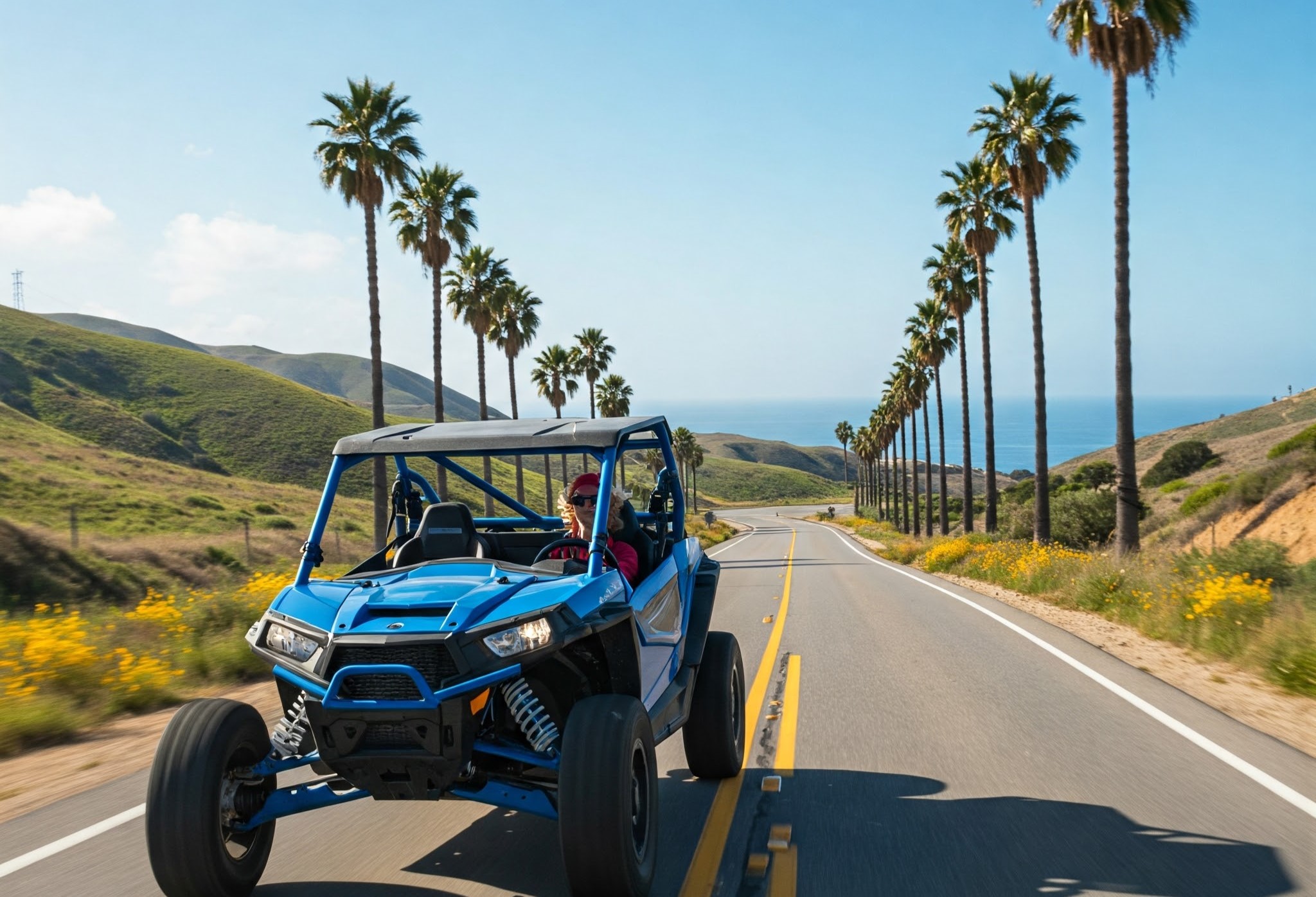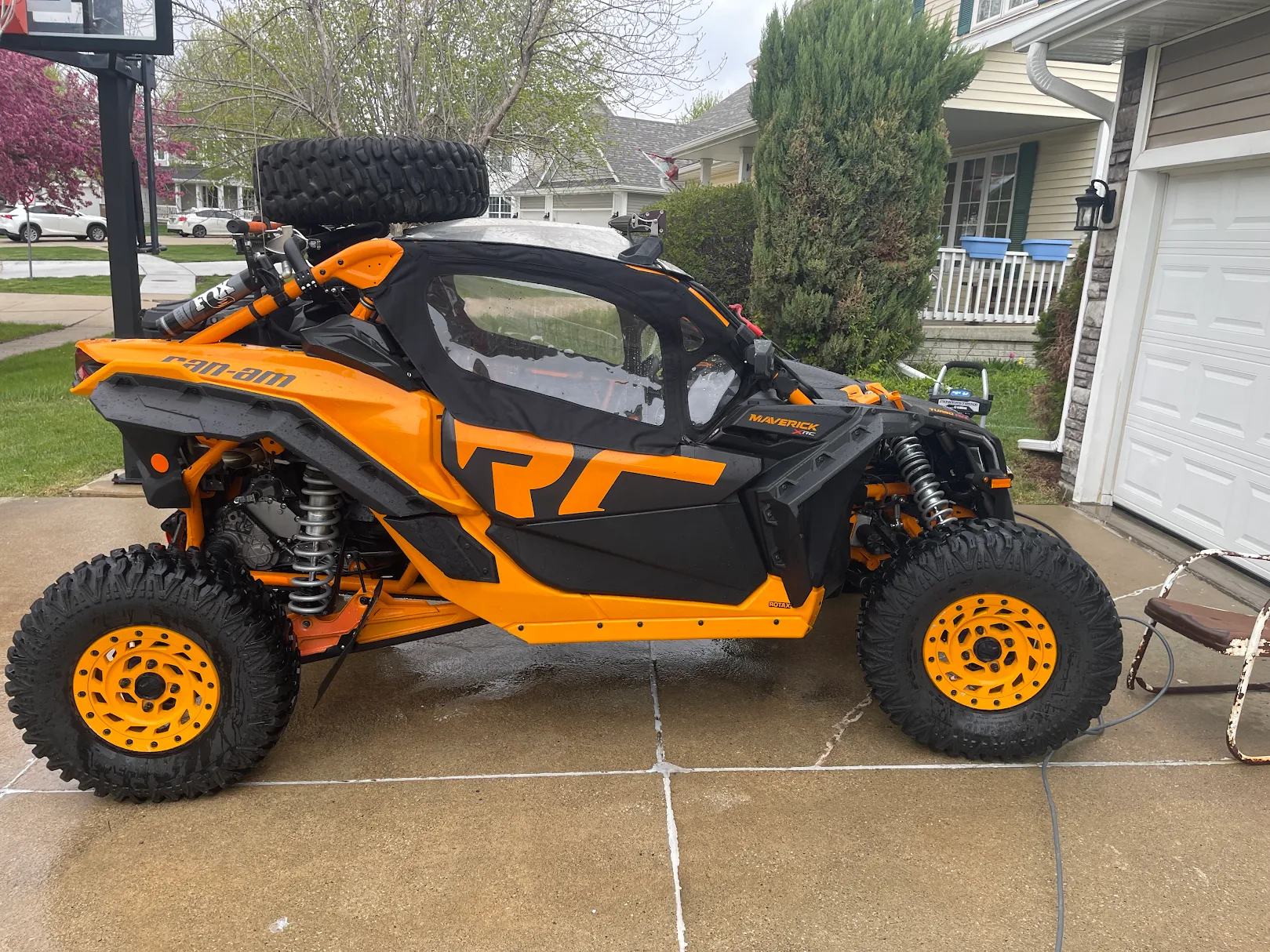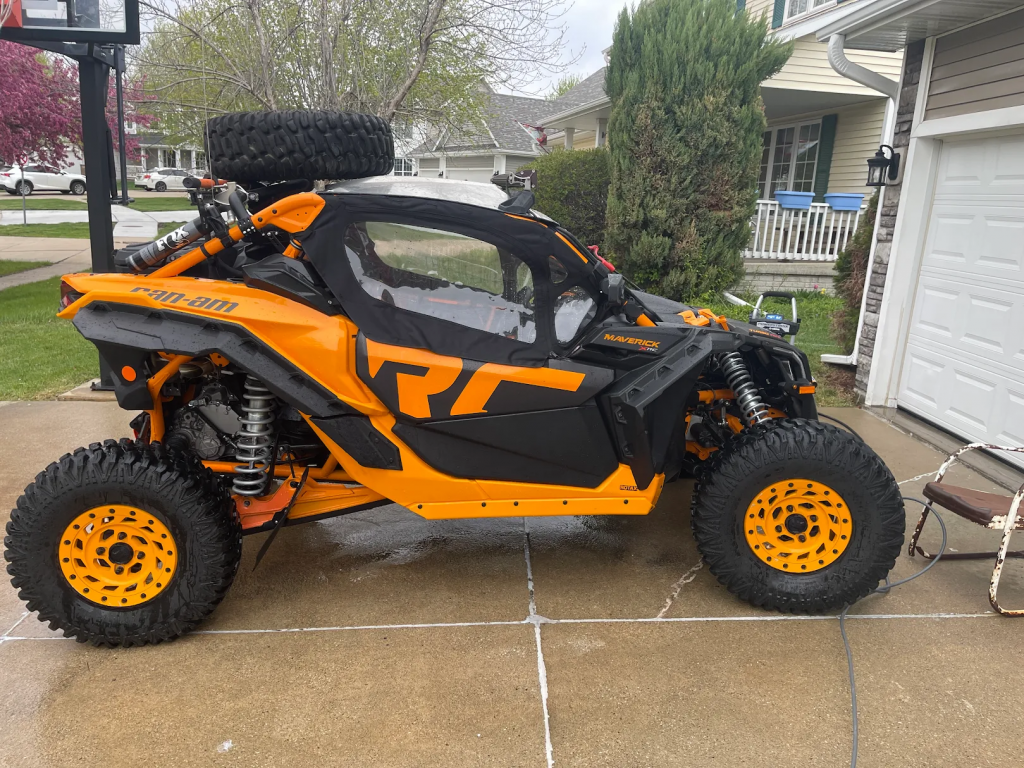
You bought a side-by-side or a beefy dirt bike to explore the woods, not to let it sit on a trailer. There is a special kind of annoyance that kicks in when you have to load your machine onto a trailer just to cross a paved road to get to the next trailhead.
Most enthusiasts eventually ask the same question. Why can’t I just drive this thing to the gas station?
The short answer is that you can. But the long answer involves a maze of state rules that vary wildly depending on where you park your shoes. Some states are cool with it, while others act like you are trying to register a fighter jet for the highway.
Understanding the Equipment Standards
Before you even think about a license plate, your rig needs to look the part. The highway patrol does not care about your long-travel suspension or your 300-watt light bar. They care about safety.
Most states that allow limited on-road use for off-road vehicles (ORVs) require a specific set of hardware. This usually includes functional headlights with high and low beams, tail lights, brake lights, and turn signals.
You also need a horn that is loud enough to be heard over that aftermarket exhaust. Mirrors are another big one. Usually, you need at least one rearview mirror, though many places want two.
Adding these parts does not make your ride heavy or slow. Most modern kits are plug-and-play and weigh next to nothing.
Tires and the DOT Stamp
The biggest hurdle for many off-roaders is the rubber meeting the road. Standard knobby tires or aggressive mud tires usually lack a Department of Transportation (DOT) rating.
Without that stamp on the sidewall, you are technically a rolling violation in many jurisdictions. Manufacturers like Maxxis and Tusk now make high-performance UTV tires that are DOT-approved.
These tires use a slightly harder compound so they do not melt away on hot asphalt. They still hook up in the dirt, but they give you the peace of mind that a roadside inspection won’t end in a tow truck arrival.
State-Specific Nuances
Every state handles off-roaders differently. In places like Arizona or Utah, seeing a Polaris RZR at a stoplight is as common as seeing a Camry. They have established systems for restricted plates.
Other states are much more restrictive. They might only allow you to ride on certain county roads or within a specific distance from a trailhead. Some local municipalities even pass their own ordinances that override state-level relaxed rules.
The reality is that even if your state allows it, the clerks at your local office might not know how to process the paperwork. You end up standing in line for three hours just to be told no.
Insurance for the Street
Once you have the blinkers and the tires, you need a policy. Off-road-only insurance is cheap, but it does not cover you when you’re on the pavement.
To be street-legal, you need a policy that meets your state’s minimum liability requirements. Many major carriers offer dual-purpose policies for dual-sport bikes and UTVs.
Make sure you tell them exactly how you plan to use the vehicle. If you have an accident on a public road and your policy says off-road use only, you are going to have a very expensive day.
While you’re here, you can read this next: Trail Etiquette 101: 6 Rules Every Off-Roader Should Know
The Weight and Speed Factor
Some states categorize off-road vehicles by weight. If your side-by-side is a four-seater with all the bells and whistles, it might exceed the weight limit for a standard ATV or UTV registration.
Speed is another factor. Certain registrations limit you to roads with speed limits of 35 mph or 45 mph. You aren’t going to be taking a Honda Talon on the interstate, but these limited registrations are perfect for town cruising or rural connectors.
Getting all this right is a massive headache. You have to verify the equipment, find the right insurance, and then hope the state worker had their coffee before they look at your application.
The Dirt Legal Way
Here is the thing about the traditional way of doing this. It sucks. You spend your weekends wrenching and your weekdays worrying about whether your registration will actually go through.
The complex paperwork and the constant runaround at the office are enough to make anyone want to sell their off-roader and buy a minivan. Almost (although, if you did this, we also register minivans).
This is where Dirt Legal steps in. We are the hands-free registration you have been looking for. Instead of you jumping through hoops, we handle the heavy lifting for you.
If you have a UTV, dirt bike, or even a surplus Humvee, we can get it registered and street-legal. One of our most popular moves is the Montana LLC.
By forming a business entity in Montana, you can register your vehicle there. Montana does not have sales tax, which can save you a mountain of cash on a high-end build. Plus, Montana is incredibly friendly toward off-road vehicles.
We take your info, we handle the out-of-state filings, and we ship plates and registration in as little as 1 day. Temp tags are issued the same day. Titles (if needed) ship within 2 weeks.
You stay in your garage. We deal with the agents. You get a plate that lets you drive to the trails without the trailer.
It is the easiest way to get more use out of the toys you already own. Don’t let your machine stay a trailer queen because of some confusing state rules.