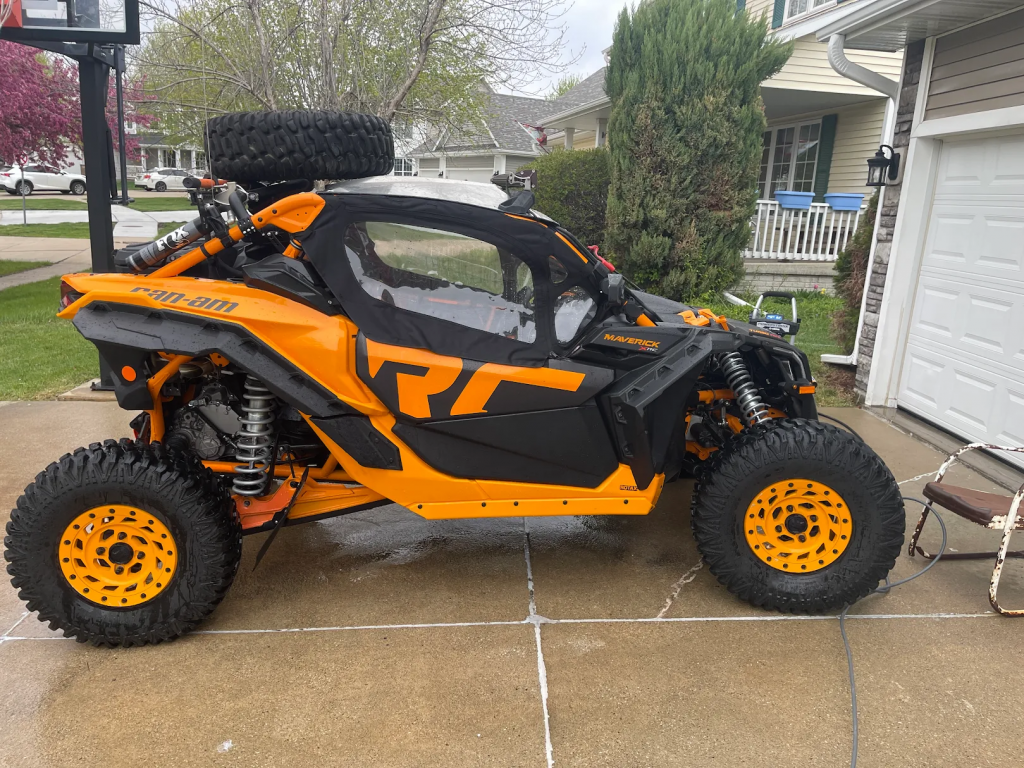
If you own a side-by-side, dirt bike, or trail-ready machine, you’ve probably had the same thought at some point:
Wouldn’t it be nice to just drive this thing to the gas station instead of loading it on a trailer?
Many off-road vehicles start their life with an “off-road use only” designation. Manufacturers apply that label because the vehicle typically lacks certain equipment required for operation on public roads, or because it doesn’t meet highway safety standards when it leaves the factory.
But that doesn’t always mean your vehicle has to stay confined to trails forever.
With the right equipment, documentation, and registration pathway, some off-road vehicles can become eligible for road registration.
For enthusiasts, it’s one of the most satisfying upgrades you can make to a build.
Equipment Needed for Road Registration
Before thinking about paperwork, the vehicle usually needs to meet basic equipment requirements. Most states require certain safety features before a vehicle can be approved for road registration.
Common requirements include:
Lighting
Vehicles typically need:
Headlights with high and low beams
Brake lights that activate when the brakes are applied
Turn signals visible from both front and rear
Many off-road vehicles come with minimal lighting, so upgrading to a full lighting kit is often necessary.
Visibility
Drivers usually need:
At least one rearview mirror
Sometimes additional side mirrors
A properly mounted license plate with illumination for nighttime visibility
Safety Equipment
Many jurisdictions also require:
An electric horn
Seat belts (for certain vehicles)
A windshield depending on vehicle type
Road-Approved Tires
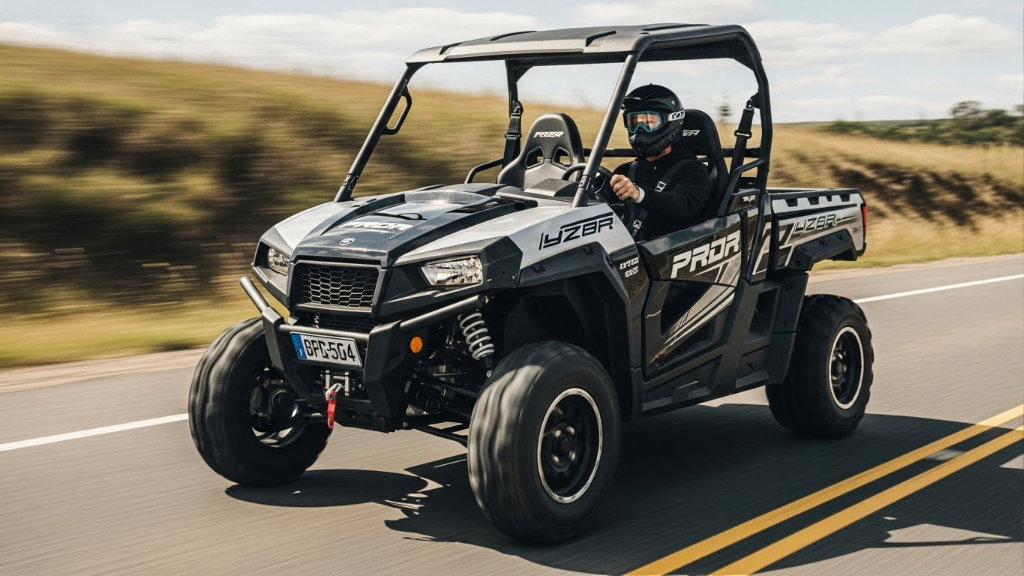
Off-road tires are often marked “not for highway use.” In those cases, switching to DOT-approved tires may be required before registration is approved.
The Paperwork Challenge
After the equipment upgrades are completed, the next step is often the most difficult: documentation.
Vehicles that were originally sold for off-road use may have titles or certificates indicating they were not intended for public roads. In many states, that designation can make the registration process more complicated.
For example For military surplus fans, like those buying a decommissioned Humvee, the process is even more intense.
Military surplus vehicles may come with Form SF97, which must be converted into a civilian title.
Imported vehicles may lack a traditional U.S. title.
Some vehicles may have no title at all, which adds another layer of complexity.
Because procedures vary widely from state to state, navigating this part of the process often involves significant research and complex paperwork.
Registration Options Vehicle Owners Explore
Vehicle owners sometimes explore alternative registration options when their home state has strict requirements.
One option frequently discussed among collectors and enthusiasts involves forming a Montana LLC, which allows a company to hold vehicle ownership and register vehicles through Montana’s registration framework.
Montana is often mentioned in enthusiast circles because it does not charge sales tax and offers flexible registration categories for certain vehicle types.
However, every situation is different, and vehicle eligibility can depend on factors such as:
vehicle classification
equipment installed
ownership structure
state-specific requirements
Because of these variables, it’s important to understand the details before moving forward.

Why Many Owners Use Registration Services
Even experienced enthusiasts can find the process overwhelming.
Different states have different forms, documentation standards, and vehicle classifications. What works for one build may not apply to another.
That’s why many owners choose to work with registration assistance services that specialize in unique vehicles.
These services can help:
prepare and submit registration documents
review vehicle eligibility
navigate state-specific requirements
reduce the time spent dealing with DMV procedures
For many builders, the goal is simple: spend more time driving and less time dealing with paperwork.
Simplify the Process for Your Build
If you’re working on a custom project, an off-road machine, or a specialty vehicle, navigating registration requirements can involve a lot of complex paperwork.
Dirt Legal helps vehicle owners across the country explore registration pathways for unique builds, collector vehicles, off-road machines, and specialty imports.
Instead of trying to figure out every requirement on your own, their team helps guide drivers through the process.
Let us handle the heavy lifting while you focus on the next mod.