When Off-Road Vehicles May Be Allowed on the Road
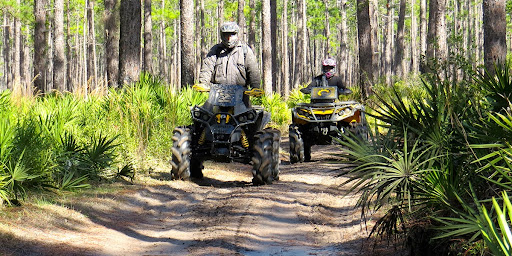
While the general rule is restrictive, there are specific situations where off-road vehicles may be used on public roads.
1. Designated Local Roads
Some counties and municipalities allow off-road vehicles on specific roads.
These are typically:
- Rural or low-traffic areas
- Roads with lower speed limits
- Clearly designated for off-road use
Because these rules vary locally, checking your county’s guidelines is essential.
2. Low-Speed Roadways
Even where permitted, operation is usually limited to roads with lower speed limits.
This ensures that off-road vehicles can operate safely alongside standard traffic.
3. Government and Agricultural Use
Off-road vehicles may be used on public roads for:
- Agricultural operations
- Government or municipal work
These exceptions are limited and do not apply to general recreational use.
Why Local Rules Matter
Florida’s statewide laws are only part of the picture.
Local ordinances often determine:
- Where off-road vehicles are allowed
- When they can be used
- What restrictions apply
You can review general vehicle and state resources here:
https://www.usa.gov/motor-vehicle-services
Because of this, two areas in Florida may have completely different rules.
Common Challenges Drivers Face
Even when exceptions exist, many drivers run into issues such as:
- Unclear local regulations
- Missing documentation
- Incorrect assumptions about where riding is allowed
Navigating these requirements can involve complex paperwork and varying rules depending on your location.
What to Do Before You Ride
Before taking your vehicle onto any public road:
- Check your local county or city ordinances
- Review Florida Statute §316.2074
- Confirm whether your vehicle is allowed on specific roads
- Make sure your vehicle is properly titled and documented
Taking these steps helps prevent fines, towing, or delays.
A Clearer Way to Handle the Process
Understanding Florida’s rules is one thing—figuring out how they apply to your specific vehicle is another.
Dirt Legal provides a hassle-free way to handle complex paperwork, title issues, and multi-state requirements—helping you determine when your vehicle may be eligible for on-road use and how to move forward correctly.
Florida Off-Road Registration FAQs
Taking an off-road vehicle onto public roads in Florida isn’t as simple as just riding out. Between local rules, registration requirements, and proper documentation, there are several factors that determine what’s allowed. This section breaks down what you need to know to avoid delays, fines, or confusion—and how to move forward the right way.
What do I need before taking an off-road vehicle on the street?
Before riding on public roads, you’ll need to confirm that your vehicle is allowed in your specific area, as rules often vary by county or city. You should also make sure your vehicle is properly documented and meets any applicable requirements for road use. Skipping these steps can lead to fines or being turned around quickly.
Do off-road vehicles need registration in Florida?
Off-road vehicles like ATVs and dirt bikes are not typically registered for standard street use in Florida. However, they may still require titling or off-highway registration depending on how they’re used. If you’re trying to use one on public roads under an exception, additional requirements may apply.
What paperwork is required for off-road vehicles in Florida?
Requirements can include proof of ownership, a title (if applicable), and any state-specific documentation tied to off-highway vehicle use. If you’re attempting to ride in permitted areas or under local exceptions, having the correct paperwork is critical to avoid issues.
Do I need a title for an ATV or dirt bike in Florida?
Yes, in most cases, off-road vehicles like ATVs and dirt bikes should have a title to establish ownership. Missing a title can create complications when trying to register, transfer, or prove ownership of the vehicle.
What’s the easiest way to handle off-road vehicle registration?
Navigating Florida’s mix of state laws and local rules can get complicated fast—especially with off-road vehicles. Dirt Legal provides a hassle-free way to handle complex paperwork, title issues, and registration challenges, helping you move forward without the usual confusion.
Planning to Ride This Season? Start Here
If you’re looking to get more out of your ATV, UTV, or dirt bike, making it street-legal is often the first step.
From required equipment to registration strategies, getting your vehicle properly set up can open up more places to ride—without running into issues later.
This guide walks through how to get your off-road vehicle road-ready, what documents you’ll need, and how to avoid delays caused by complex paperwork:
https://dirt-legal.com/blog/resources/how-to-get-your-atv-utv-dirt-bike-and-more-registration-ready/
Skip the Guesswork
Avoid confusion, delays, and conflicting information.
Get a clear path forward and handle the process the hassle-free way.