Off‑Road Use: CPW Registration & Permits
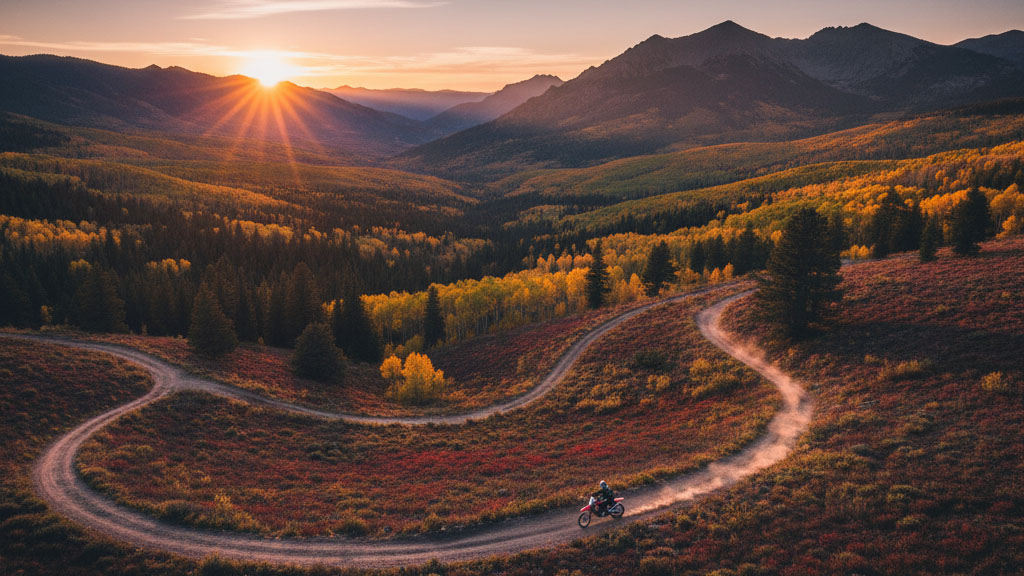
Dirt bikes used only off‑road must be registered with Colorado Parks and Wildlife (CPW) to ride on public lands or designated off‑highway vehicle (OHV) trails. Register an Off‑Highway Vehicle with CPW Here
OHV Permit Details
All OHVs — including dirt bikes — must show current registration decals or a Colorado OHV permit when on public land or trails.
Out‑of‑state riders must also purchase a Colorado OHV permit.
CPW registration and permits help fund trail management and are required for dirt bikes on public lands or trail networks.
Helmet and Eye Protection:
Operators/passengers under 18 must wear a helmet.
All riders need eye protection (varies by local ordinance).
Age Restrictions:
Riders under 10 are not allowed on roads.
Riders ages 10–15 may operate on public roads only with a supervising licensed adult.
Note: Local governments can set additional OHV requirements (like insurance) on designated OHV routes and crossings.
Driving a Dirt Bike on Public Roads
Colorado state law generally prohibits operating an off‑highway vehicle on public streets, roads, or highways unless a road is explicitly opened for OHV use by the state or local authority. Read Colorado Revised Statutes §33‑14.5‑108
This means that, unless your dirt bike has the proper equipment and state registration, you cannot simply ride it on public roads. For more details on exceptions (like crossing a road), consult the statute linked above.
To make a dirt bike eligible to use certain public roads (where permitted), it must be outfitted, registered, and insured like other motor vehicles — typically through the Colorado Department of Revenue.
Required Equipment for On‑Road Use
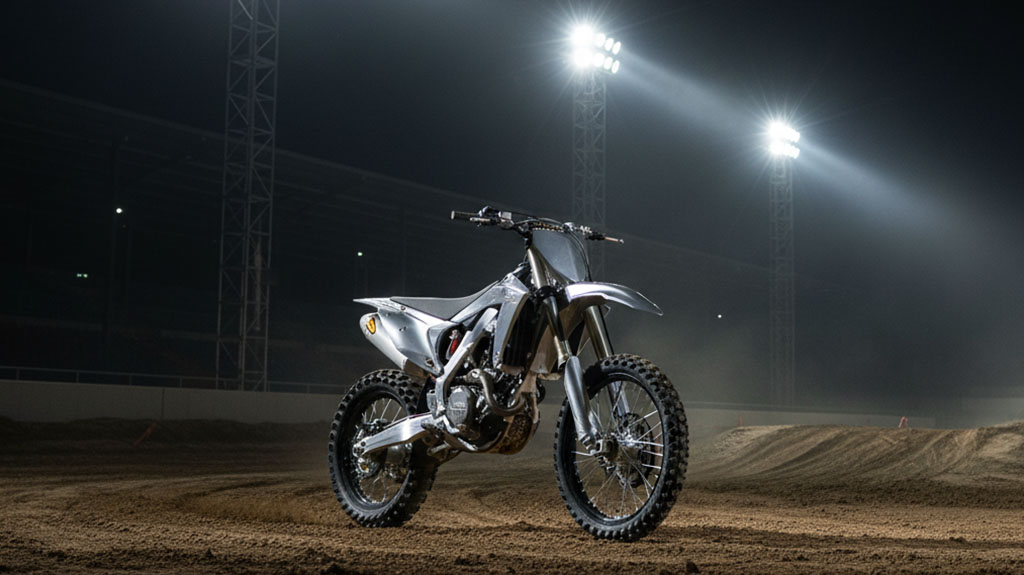
To use public roads where permitted, a dirt bike generally must be equipped with:
Headlight (high and low beams)
Taillight and brake light
Rear reflector
Turn signals (front and rear)
Rearview mirrors
Horn audible from 200 ft
DOT‑approved tires
Speedometer/odometer
Muffler meeting emissions/noise guidelines
After equipment installation:
Apply for a title through the Colorado Department of Revenue (DMV).
Register your bike with DMV.
Secure liability insurance.
Get inspected by a licensed station.
Affix a valid Colorado license plate.
Where You Can Ride
Off‑Road Riding:
Private Property: Allowed with landowner permission.
Public Lands: Only on designated trails and routes — see trail maps and regulations before heading out.
Road Riding:
Roads that local or state authorities have officially opened for OHV use allow modified, registered bikes to operate — check municipal or county signage.
Off‑road dirt bikes may cross public roads at a 90‑degree angle, stopping and yielding to traffic before crossing.
Rider Requirements
License: A valid driver’s license — often with a motorcycle endorsement — is needed to operate a properly equipped and registered dirt bike on roads.
Helmet: Required for riders under 18; strongly recommended for all.
Insurance: Liability insurance is required for on‑road operation of any motor vehicle.
Penalties for Non‑Compliance
Failing to follow Colorado dirt bike rules can lead to:
Fines for unregistered or improperly equipped vehicles.
Vehicle impoundment by law enforcement.
License suspension for riding without valid insurance or endorsements.
Relevant Colorado Agencies & Resources
Colorado Parks and Wildlife (CPW): OHV permits and registration.
Colorado Department of Revenue (DMV): Titling and registration for on‑road vehicles.
Stay The Trail: OHV trail maps, open roads, and permit info.
You can drive a dirt bike on the road in Colorado only if it meets equipment, registration, and insurance requirements and operates on roads that have been officially designated for such use. Always check CPW and local ordinances before riding.
Start your Dirt Legal process today and get your bike road‑ready hassle‑free.
can you drive a dirt bike on the road, Answered.
Can I drive a dirt bike on the local streets?
Dirt bikes can only be driven on local streets if they meet equipment, registration, and insurance requirements, and the road is officially designated for off-highway vehicle (OHV) use. Most streets are off-limits unless explicitly opened by local authorities. Dirt Legal can help get your bike registered quickly so it’s ready to ride where allowed, with Montana plates shipping in as little as 1 day, titles in 2 weeks, and temporary tags issued the same day.
What do you need to drive a dirt bike on the road?
To ride on public roads where permitted, your dirt bike must have headlights, taillights with brake function, turn signals, mirrors, horn, DOT-approved tires, speedometer, and a compliant muffler. You also need liability insurance, a valid driver’s license with a motorcycle endorsement, and proper registration. Dirt Legal handles titling, registration, and plates so your bike is ready to ride, with Montana plates shipping in as little as 1 day, titles in 2 weeks, and temp tags issued the same day
Are dirt bikes allowed on paved streets?
Dirt bikes are generally not allowed on paved streets unless they are modified to meet equipment and registration requirements and the road has been officially designated for OHV use. Dirt Legal can help get your bike registered and street-ready with Montana plates in as little as 1 day.
Is it legal to ride a dirt bike on the street?
You can ride a dirt bike on streets only if it meets Colorado’s registration, insurance, and equipment standards, and is operated on roads officially approved for OHV use. Dirt Legal streamlines the registration process so your bike is ready to ride quickly, with Montana plates shipping in 1 day, titles in 2 weeks, and temp tags issued same day.