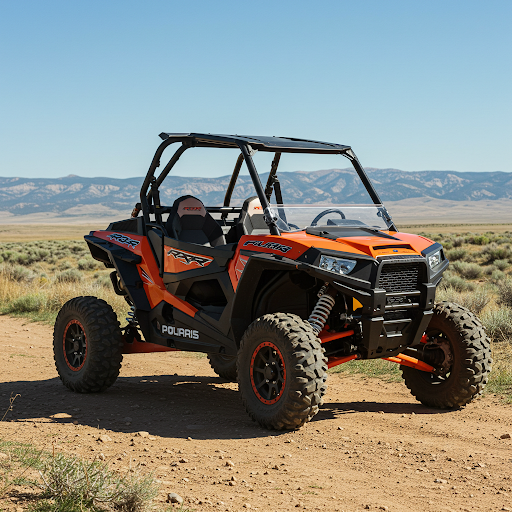
Many UTV owners in South Carolina ask the same question: can a side-by-side be driven legally on public roads?
South Carolina does not currently provide a standard pathway to register most UTVs for on-road use through its own DMV classification system. However, some vehicle owners explore alternative registration options available in other states where UTVs may be classified differently under vehicle codes.
This guide explains how South Carolina defines UTVs, how reciprocity works, and what to consider before attempting to operate a UTV on public roads.
Why South Carolina Doesn’t Typically Register UTVs for Road Use
South Carolina vehicle classifications do not clearly include most modern UTVs within categories eligible for standard highway registration.
For example:
Motorcycles are defined as having two wheels
Autocycles and three-wheel motorcycles require three wheels
Low-speed vehicles must meet strict speed and design criteria
South Carolina defines All-Terrain Vehicles as machines with three or more wheels measuring not more than 50 inches wide. While modern UTVs often exceed this width, they are generally treated as off-highway vehicles under state practice.
Additionally, South Carolina restricts the use of unregistered off-highway vehicles on public roads, including shoulders. As a result, registering a UTV directly through South Carolina’s standard DMV process for highway use is generally not available.
Exploring Out-of-State Registration Options
Some states, such as Montana and South Dakota, allow certain UTVs to be registered for on-road use if they meet that state’s requirements.
In those cases, vehicle owners may establish registration through an entity formed in that state and complete the applicable equipment, inspection, and documentation requirements.
If properly registered in another state, the vehicle may operate under interstate reciprocity agreements. However, vehicle use must still comply with:
Residency requirements
Insurance requirements
Local traffic laws
Any applicable enforcement interpretation
Because laws vary and change over time, reviewing your specific situation carefully is important before proceeding.
If you would like professional guidance navigating paperwork and registration structuring, our team can help manage the process from start to finish.
Equipment Considerations
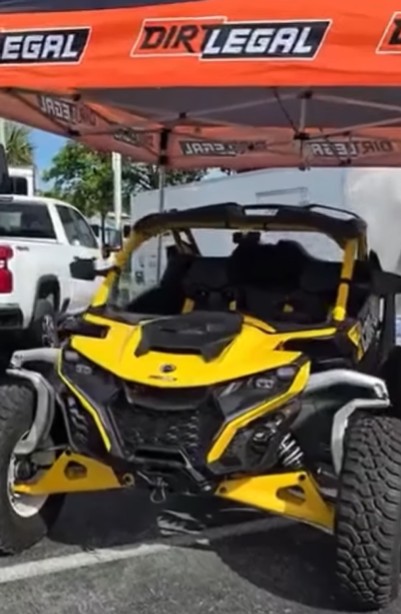
If a UTV is registered for road use in a state that permits it, it must meet that state’s equipment requirements. These commonly include:
Working headlights and taillights
Brake lights
Turn signals
Mirrors
Horn
Windshield (in some cases)
Even when registered out of state, the vehicle must still comply with general traffic safety laws when operated in South Carolina.
Driving a Registered UTV in South Carolina
South Carolina participates in interstate vehicle registration reciprocity, meaning properly registered out-of-state vehicles may operate within the state under certain conditions.
You can review reciprocity language under §56-3-150.
Owners should carry:
Registration documentation
Insurance proof
Entity documentation (if applicable)
All standard traffic laws apply, including speed limits and right-of-way rules.

Helmet Laws in South Carolina
South Carolina’s motorcycle helmet law is found under §56-5-3660.
Helmet requirements generally apply to two-wheeled motorcycles and riders under 21.
For off-highway use, equipment and helmet requirements are found in Title 50, Chapter 26.
Even where not required, wearing appropriate safety gear is strongly recommended.
Operating in OHV Areas
South Carolina Department of Natural Resources (SCDNR) oversees many OHV regulations:
https://www.dnr.sc.gov/
OHV areas may require:
Forest Service-approved spark arrester
Working brakes and muffler
Headlights at night
Helmets for riders under 15
Always confirm specific park or land requirements before traveling.
Important Considerations
Every registration strategy should be evaluated based on:
Residency
Storage location
Insurance
Vehicle classification
Intended usage
Because state laws and interpretations change, verify current statutes before operating your vehicle on public roads.
Need Help Navigating the Process?
If you’re considering registering your UTV in a state that allows highway classification, professional assistance can simplify the paperwork and documentation process.
Our team helps structure registrations correctly so you can focus on riding — not navigating complex state procedures.
Start your registration process here.