
Side-by-sides, UTVs, and four-wheelers are built for fun, not paperwork. But if you’re tired of loading your ride onto a trailer just to get to the trail, you’ve probably asked the big question:
Can You Drive a UTV on the Road?
In certain states and municipalities, yes. However, most UTVs are manufactured for off-road recreation and are not automatically approved for public road use.
To qualify for road registration, a UTV may need to meet equipment standards such as:
Headlights and taillights
Turn signals
Rearview mirrors
Horn
DOT-approved tires
License plate lighting
Proof of ownership and registration paperwork
Some states also require insurance and vehicle inspections before approving a UTV for road use.
Can You Ride a Quad on the Road?
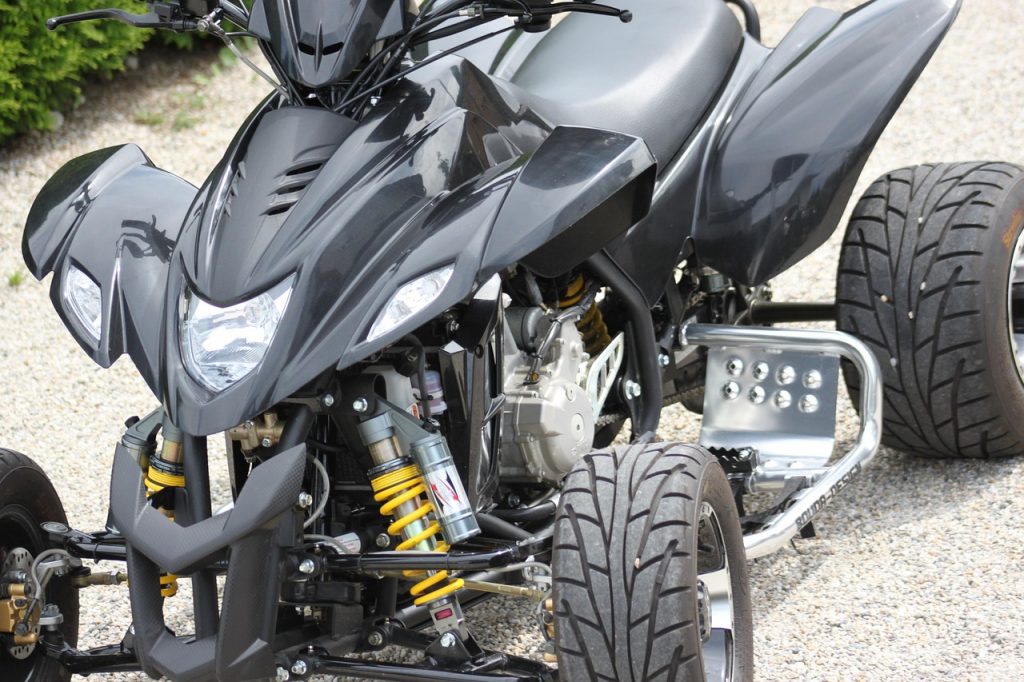
Quads and four-wheelers are usually classified as off-highway vehicles. In many states they are limited to trails, private property, or designated riding areas.
However, some rural communities allow limited on-road use for off-highway vehicles if they meet equipment standards and local regulations.
Because these rules often vary by county or municipality, it is important to review local regulations before riding on public roads.
Can a Four-Wheeler Be Approved for Road Use?
In certain circumstances, yes.
Some states allow modified off-road vehicles to be registered for road use once they meet required equipment standards and complete the necessary paperwork. The process may include inspections, VIN verification, and classification as a reconstructed or specially constructed vehicle.
Each case depends on the vehicle’s history, documentation, and the state where the registration is issued.
What About Polaris RZR Models?
Vehicles such as the Polaris RZR are among the most common side-by-side platforms riders want to operate on public roads.
Depending on state rules, these vehicles may qualify for road registration if they meet required equipment standards and pass the necessary inspections. Documentation such as a bill of sale, VIN verification, and ownership records may also be required.
When paperwork is incomplete or a vehicle has passed through multiple owners, obtaining the proper documentation can sometimes be the most challenging step.
If you’re serious about getting your side-by-side ride road-ready, you don’t want to miss this article:
How to Make Your Off-Road Vehicle Street-Ready (So You Can Ride Like the Wind)
Road Registration for Off-Road Vehicles
Different states classify off-road vehicles in different ways. Some refer to them as off-highway vehicles, while others use categories like reconstructed vehicles or specially constructed vehicles when approving them for road use.
Below is a general overview of how vehicle types are typically treated:
| Vehicle Type | Road Registration Possible? | Typical Requirements | Notes |
|---|---|---|---|
| UTV / Side-by-Side | Sometimes | Lights, mirrors, horn, DOT tires, inspection | Rules vary widely by state |
| Quad / Four-Wheeler | Rare in many states | Equipment upgrades and local approval | Often limited to certain areas |
| Polaris RZR | Sometimes | Same requirements as UTVs | Documentation and inspections often required |
| Other Off-Road Vehicles | Depends on classification | Equipment, paperwork, inspection | State laws vary significantly |
Because regulations differ from state to state, riders should always review local requirements before attempting to operate an off-road vehicle on public roads.
Getting Your Vehicle Ready for the Road
Converting an off-road vehicle for road use often involves more than installing equipment. The paperwork and classification process can be just as important as the physical modifications.
Dirt Legal assists vehicle owners by helping them navigate complex paperwork, registration steps, and documentation requirements for off-road vehicles. By understanding the options available for each situation, owners can move through the process with greater clarity and fewer delays.
Ready to Get Started?
Operating a side-by-side or quad on public roads depends on your location, your vehicle’s equipment, and the documentation available.
If you’re exploring whether your off-road vehicle may qualify for road registration, Dirt Legal can help review your situation and guide you through the steps involved.
Get started today and move one step closer to enjoying your vehicle both on and off the trail.