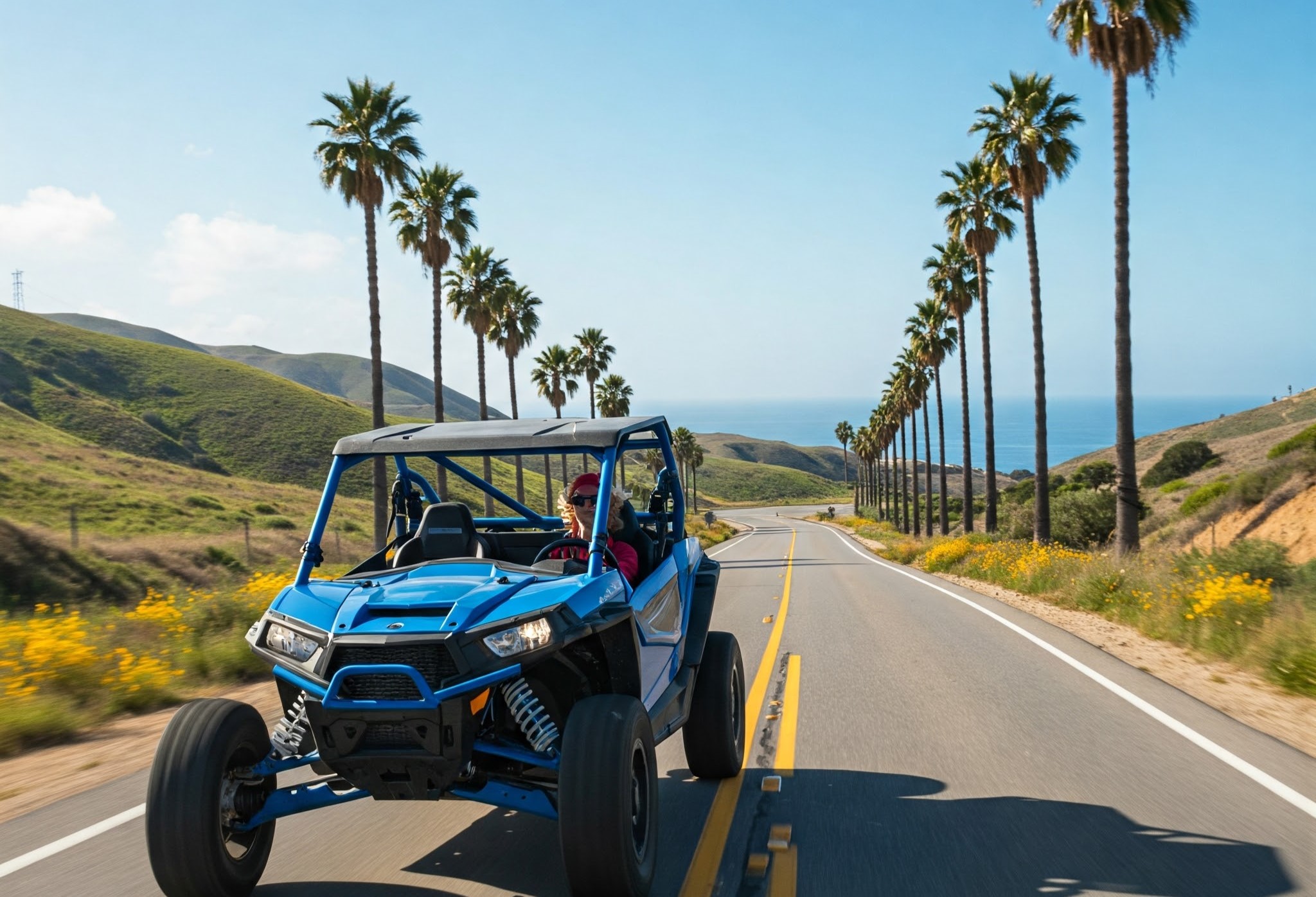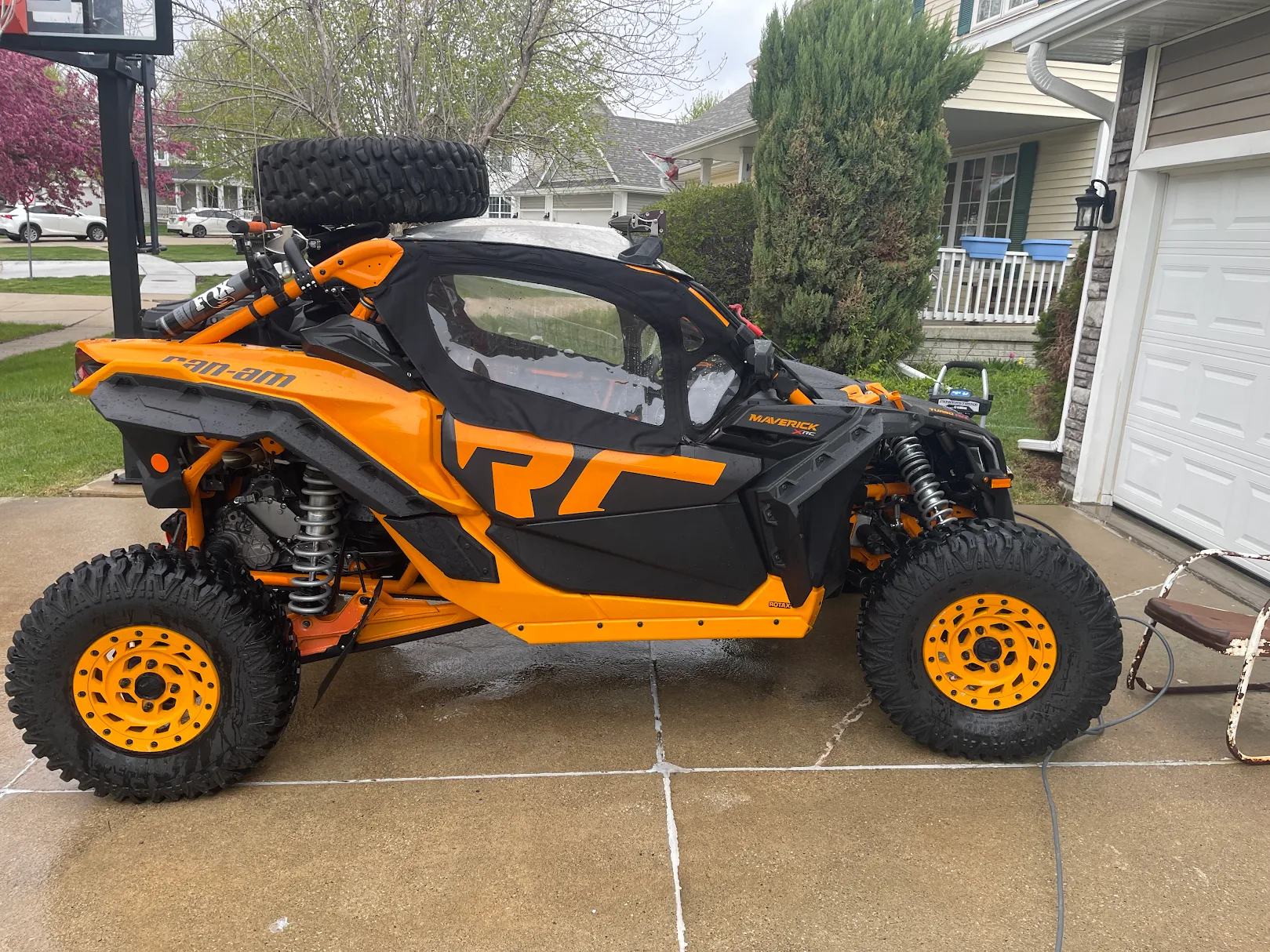
Ever wonder why you can drive a massive tractor down a main road but getting your high-tech UTV to the local gas station feels like a government sting operation?
It is the great irony of the off-road world because you have a machine with better suspension than most rally cars and enough torque to pull a stump, yet it is often stuck on a trailer until you hit the dirt.
Getting your side-by-side street-legal is the dream for most enthusiasts since it means no more loading and unloading for a quick run to the store or hitting the local trails directly from your garage.
But before you start bolting on parts and heading to the local office, there are a few things you need to wrap your head around to ensure you don’t hit a dead end.
The Equipment Checklist
Most factory UTVs are sold as “off-road use only” vehicles, so to get them ready for the pavement, you usually need to add some basic safety gear to satisfy the inspectors.
Most states that allow on-road use want to see the big seven, which includes your headlights, tail lights, brake lights, and turn signals. You also need a horn that people can actually hear and mirrors that give you a clear view of what is behind you, plus some spots even require DOT-approved tires because off-road lugs can be unpredictable on hot asphalt.
Finally, a windshield is another common requirement, though some places let you swap that for eye protection or a helmet, depending on the local road regulations.
Understanding State Reciprocity
Here is where things get a bit interesting because every state has its own set of rules for what makes a vehicle street-legal. Some states are awesome and let you ride almost anywhere, while others act like your UTV is a lunar lander that has no business on a public street.
This is where reciprocity comes into play, as generally, if a vehicle is registered and street-legal in one state, other states will honor that registration when you are passing through.
It is the same reason a car from Florida can drive through California without needing a new inspection, but you still have to follow the local rules of the road like speed limits and helmet requirements.
The Title Trap and Weight Factors
One of the biggest hurdles is the paperwork you get when you buy your rig because many UTVs come with a Manufacturer’s Certificate of Origin or an “off-road only” title. When you take that to your local clerk, they might see those words and tell you no immediately.
If your paperwork says off-road, many local systems are hard-coded to prevent you from ever getting a license plate, which is a frustrating loop that stops many builds before they even start. So, you could spend weeks trying to find a friendly clerk, but usually, it just leads to more headaches.
Furthermore, some states classify UTVs as Low-Speed Vehicles (LSVs), which usually limits you to roads with speed limits of 35 mph or less. That is fine if you are just cruising a beach town, but it is a major buzzkill if you need to hop on a secondary highway and want a registration that treats your side-by-side more like a car or a motorcycle.
What about reading this next? Can You Drive a Side-by-Side on the Road? Rules for UTVs, Quads, and More
Why the Local Route is a Headache
Trying to do this through your local home-state office is often a lost cause because you have to deal with long lines and clerks who do not know how to properly process your side-by-side registration.
Then there is the sales tax, and if you just dropped $40k on a new Turbo S, the tax bill alone is enough to make you wince. Plus, many states require a physical inspection by a state trooper or a specialized shop where they can fail you on the spot if your wiring isn’t perfect or your tires are a half-inch too wide.
It is a lot of effort for a result that isn’t even guaranteed, which is why most people prefer a shortcut.
How Dirt Legal Does It
This is exactly why so many riders skip the local runaround and come to us because at Dirt Legal, we specialize in taking the complex paperwork off your plate so you can stay in the garage.
Our most popular move for UTV owners is the Montana LLC registration, which allows you to form a small business in Montana and register your vehicle there even if you’ve never set foot in the state.
The biggest win is that Montana has 0% sales tax, which can save you thousands of dollars right out of the gate.
Montana also issues permanent plates for many off-road vehicles, meaning you pay once and you are done without dealing with yearly renewals or stickers that peel off in the mud.
We handle the entire process with the state offices, and we can get your plates and registration shipped in as little as 1 day.
You get a street-legal plate and a clean title without ever having to leave your house or visit a DMV office. If you are tired of jumping through hoops and just want to ride, we have the solution.
Register your UTV with Dirt Legal today and get on the road hassle-free.