Automotive innovation is accelerating—and it’s changing more than just how vehicles look and perform.
From advanced safety systems to fully digital interiors, today’s vehicles are evolving into highly connected machines. But as technology advances, so do the requirements around ownership, documentation, and registration.
Understanding these changes is key to staying ahead.
Innovation in Automotive Design Is Making a Comeback
Modern vehicles are blending cutting-edge technology with retro-inspired design.
Boxy silhouettes, rugged styling, and hidden lighting elements are returning—now enhanced by modern engineering and safety requirements. While older design features have evolved, today’s vehicles must meet strict federal safety standards set by agencies like the National Highway Traffic Safety Administration (NHTSA).
This balance of past and present is redefining how vehicles look—and how they’re built.
Smarter Lighting and Safety Technology
One of the biggest areas of automotive innovation is lighting.
Advanced systems like adaptive LED headlights automatically adjust based on road conditions, improving visibility while reducing glare. These technologies align with broader safety initiatives guided by the U.S. Department of Transportation.
Modern lighting isn’t just about aesthetics—it’s about improving safety and performance on the road.
Electric Vehicles and Functional Innovation
Electric vehicles are introducing entirely new capabilities.
Features like front trunks (“frunks”), digital dashboards, and integrated charging systems are reshaping how vehicles are used day-to-day. As adoption grows, federal resources like the U.S. Department of Energy provide insights into EV technology and infrastructure.
These innovations are making vehicles more practical, efficient, and adaptable.
As electric vehicles continue to evolve, incentives can play a major role in overall ownership cost—but understanding how they work isn’t always straightforward.
Want to see how much you could actually save?
Learn how the EV tax credit works, who qualifies, and what’s changed recently:
https://dirt-legal.com/blog/resources/the-electric-vehicle-tax-credit-explained-what-you-need-to-know/

Digital Controls and the Shift to Drive-By-Wire
Automotive innovation is also transforming how vehicles are controlled.
Drive-by-wire systems and advanced steering designs replace traditional mechanical components with electronic controls. This allows for more responsive handling and customizable driving experiences.
As these systems evolve, they continue to align with national safety and performance standards.
Interior Innovation: A More Connected Experience
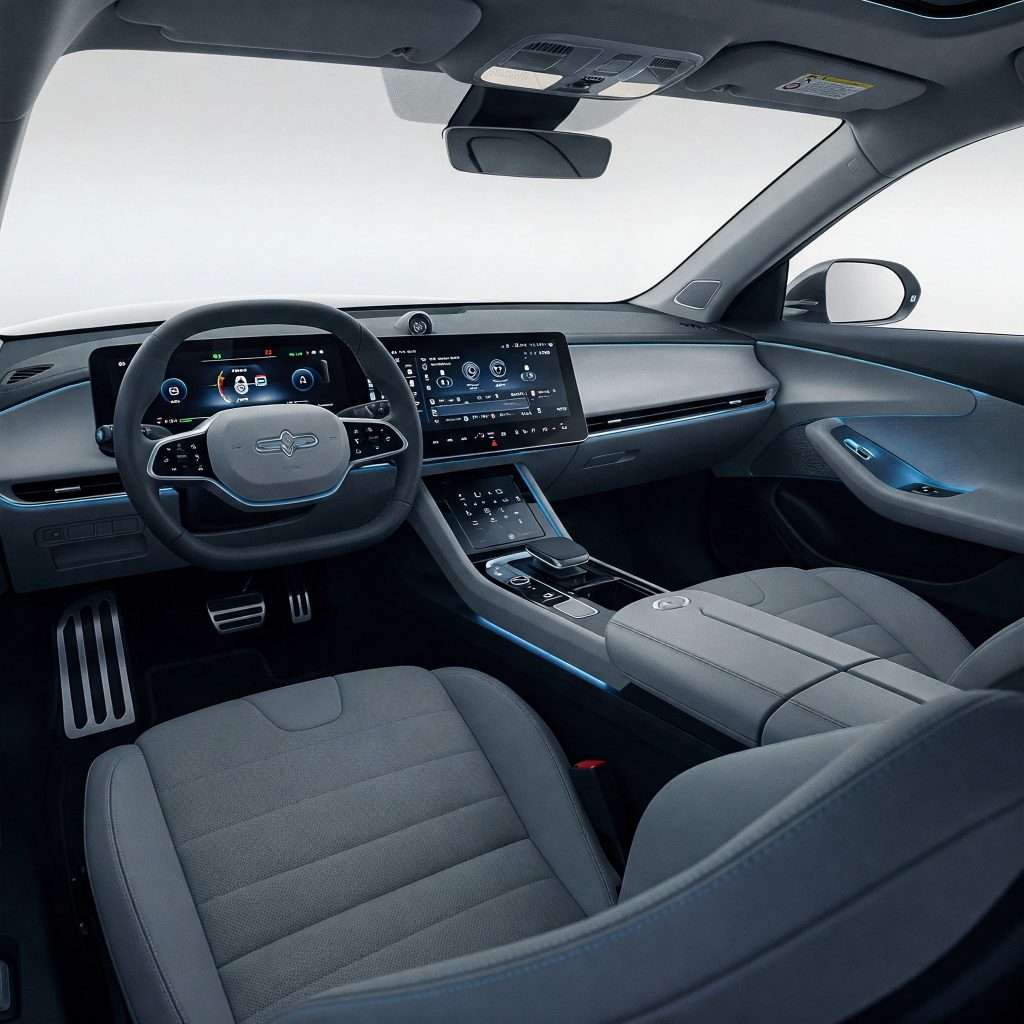
Vehicle interiors are becoming fully digital environments.
Large touchscreens, customizable ambient lighting, and integrated systems are turning vehicles into personalized spaces. These features enhance comfort—but they also introduce new considerations for ownership and system integration.
Sustainability and Material Innovation
Sustainability is now a core part of automotive innovation.
Manufacturers are incorporating recycled materials, alternative fabrics, and eco-conscious production methods. These efforts are supported by environmental initiatives from agencies like the Environmental Protection Agency (EPA.)
The result is a new generation of vehicles that balance performance with environmental responsibility.
Modern & Custom Vehicle Registration FAQs
What should I know before registering a modern or custom vehicle?
Modern and custom vehicles often come with unique features that can affect how they’re registered. Differences in equipment, modifications, or vehicle classification can all impact the process. It’s important to make sure your vehicle meets state requirements and that your documentation is complete before you start. Dirt Legal provides a hassle-free way to handle the complex paperwork and helps ensure everything is aligned from the beginning.
How can I avoid delays when registering a high-tech or specialty vehicle?
Delays usually come down to missing paperwork, incorrect vehicle classification, or equipment that doesn’t meet state requirements. High-tech and specialty vehicles can add extra layers of complexity. The easiest way to avoid setbacks is to have everything reviewed and prepared upfront. Dirt Legal streamlines the process by managing the paperwork and helping you move forward without unnecessary delays.
How does new vehicle technology impact registration?
As vehicles become more advanced—with digital systems, alternative powertrains, and custom features—registration requirements can become more nuanced. Some vehicles may fall into different categories or require additional documentation depending on how they’re built or used. Dirt Legal helps simplify these complexities, giving you a clear path to get your vehicle properly registered.
Don’t Let Complexity Slow You Down
Automotive innovation is moving fast—but the paperwork behind it can still create delays.
Dirt Legal provides a hassle-free way to handle complex paperwork and help make your vehicle eligible for registration without the usual confusion.