
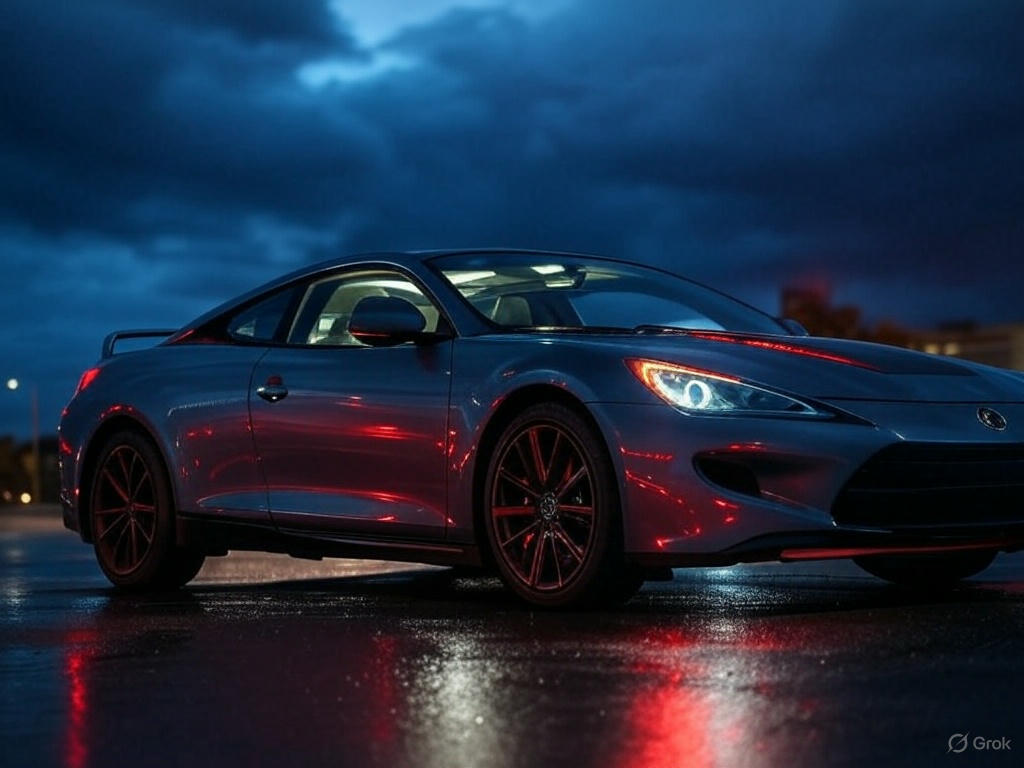
Your headlights do more than illuminate the road—they make sure other drivers can see you. When visibility drops, your lighting system becomes one of the most important safety features on your vehicle.
A burnt-out headlight or brake light doesn’t just reduce visibility—it can increase your risk of an accident and lead to citations if your vehicle doesn’t meet basic safety requirements.
Why Vehicle Lighting Matters More Than You Think
According to the National Highway Traffic Safety Administration, visibility plays a major role in preventing crashes—especially at night, during bad weather, or in low-light conditions.
Your headlights, brake lights, and turn signals all work together to:
- Help you see the road clearly
- Signal your intentions to other drivers
- Reduce the chance of sudden or unpredictable movements
If even one of these components isn’t working properly, your ability to communicate on the road is compromised.
Common Lighting Issues That Put You at Risk
Dim or Cloudy Headlights
Over time, headlights can become foggy or yellowed, cutting your visibility significantly. Restoring or replacing them can dramatically improve how far and clearly you see at night.
Burnt-Out Bulbs
A non-functioning brake light or turn signal can confuse other drivers and increase the risk of rear-end collisions or unsafe lane changes.
Electrical Problems
Flickering lights or fast-blinking turn signals often indicate wiring or fuse issues that should be addressed immediately.
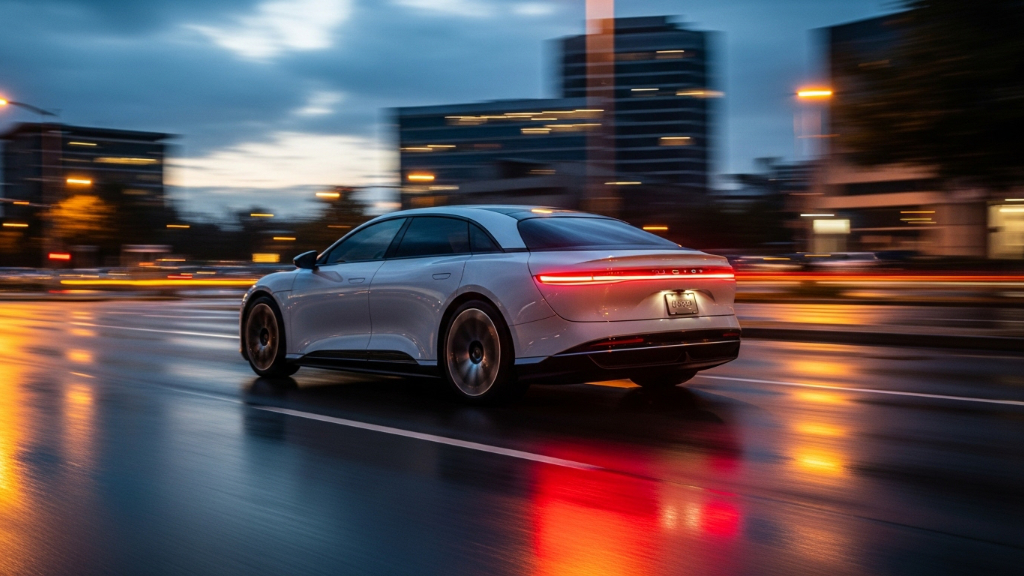
Simple Checks That Make a Big Difference
Keeping your lighting system in top condition doesn’t take much time, but it has a major impact on safety.
- Test headlights, brake lights, and signals regularly
- Replace bulbs at the first sign of failure
- Clean or restore cloudy headlight lenses
- Check for warning signs like dimming or flickering
The U.S. Department of Transportation also emphasizes routine vehicle maintenance as a key factor in preventing avoidable accidents.
Keeping your vehicle in top condition doesn’t stop at lights—working with the right mechanic matters just as much. Not every shop operates the same way, and knowing what to look for can help you avoid unnecessary repairs and inflated costs.
Before your next visit, read How to Avoid Getting Ripped Off at the Auto Shop: Smart Tips Every Driver Should Know to make confident, informed decisions and keep your vehicle running smoothly.
Stay Visible in Every Driving Condition
Whether you’re driving at night, in heavy rain, or in early-morning fog, your lights are critical for staying visible.
Properly functioning lighting doesn’t just help you see—it ensures that other drivers can react to your movements in time. Even a small issue, like a dim taillight, can create unnecessary risk in already challenging conditions.
Don’t Overlook Compliance
Lighting issues aren’t just a safety concern—they can also affect whether your vehicle meets state requirements for road use.
If your lights aren’t working properly, you could face delays, inspections, or additional steps to get everything sorted. For many drivers, dealing with these requirements turns into complex paperwork and wasted time.
Taking a hassle-free approach to keeping your vehicle properly set up helps you avoid those setbacks and stay focused on the road ahead.
Keep It Simple. Stay Safe. Stay Ready.
Routine lighting checks are one of the easiest ways to improve safety and avoid unnecessary issues.
If you’re already maintaining your vehicle, make sure everything else is handled correctly too—from documentation to registration—so you’re fully prepared every time you drive.
Take a hassle-free approach and make sure your vehicle is fully road-ready
Smart Driving Visibility: What Every Driver Should Know
How far should you look ahead while driving in an urban setting?
In urban environments, you should consistently look at least 12–15 seconds ahead to anticipate traffic signals, pedestrians, and sudden stops. Proper vehicle lighting plays a key role here—clear, functioning headlights help extend your visibility range and give you more time to react. When your lights are working correctly, you’re not just seeing better—you’re driving with more awareness and control.
Drivers should use their low beam headlights when driving at night—why does it matter?
Low beam headlights are essential for maintaining visibility without blinding other drivers. They’re designed to illuminate the road directly ahead while keeping glare to a minimum, especially in traffic-heavy or urban settings. Using the correct lighting ensures you stay visible, avoid unnecessary risks, and keep your vehicle aligned with road-ready requirements—so you can drive confidently in any low-light condition.