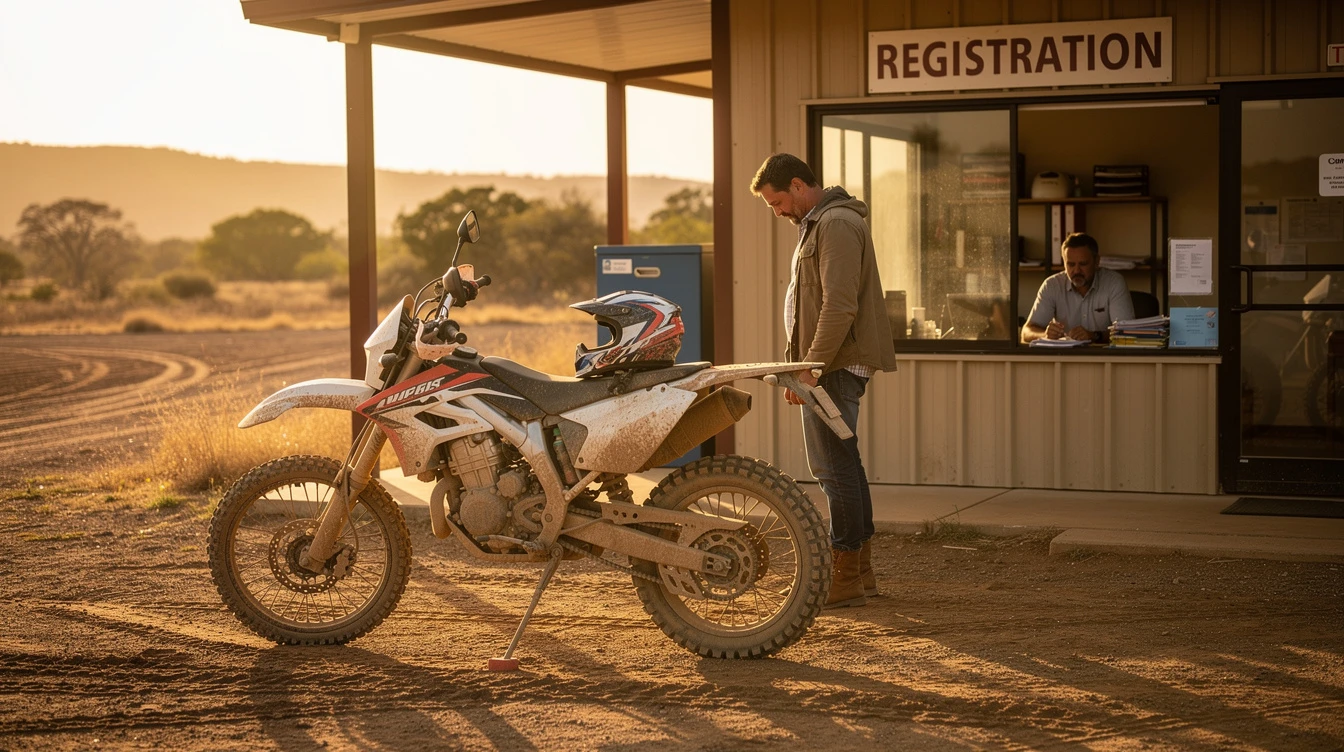

An MCO for a vehicle, short for Manufacturer’s Certificate of Origin, is the original ownership document that travels with every new vehicle off the assembly line. If you’ve just bought a new car, RV, trailer, or motorcycle, this single sheet of paper is what proves the vehicle was legitimately manufactured and transferred to you. Lose it, misplace it, or misunderstand it, and you could be stuck when it’s time to register.
This guide covers exactly what an MCO is, how it differs from a standard title, when you’ll need it, and how to use it to get your vehicle properly registered, whether you’re going through a dealership, buying direct from a manufacturer, or setting up a Montana LLC registration.
Honestly, most buyers never see their MCO because the dealership handles the title process. But if you’re buying a custom build, a kit vehicle, an RV, or an off-road machine, you’ll want to understand this document before you’re standing at a DMV window wondering what went wrong.
What Is an MCO for a Vehicle?
A Manufacturer’s Certificate of Origin, sometimes called a Manufacturer’s Statement of Origin (MSO), is the first ownership document a vehicle ever has. It’s issued by the manufacturer and lists the vehicle’s make, model, year, VIN, engine size, and the name of the first buyer, typically a dealership or direct purchaser.
Think of it as a birth certificate for your vehicle. Just as a title proves current ownership, the MCO proves original ownership before any title has ever been issued. Once the MCO is submitted to a state DMV and a title is issued, the MCO is retired and the title takes over.
MCO vs. MSO: Is There a Difference?
Mostly, no. The terms are used interchangeably by most states and dealerships. Some manufacturers label the document an MSO, others call it an MCO. The content is the same: vehicle identification data plus a chain of ownership from factory to first buyer. For all practical DMV purposes, they are the same document.
If you’re curious about how dealers handle this document, the MSO meaning at a car dealership is worth reading to understand how the paperwork flows from factory to dealer to buyer.
MCO vs. Title: Key Distinction
A title is a state-issued document. An MCO is a manufacturer-issued document. You get a title after you submit the MCO to your state’s DMV, along with any applicable fees and taxes. The state then cancels or retains the MCO and issues a title in your name.
You can’t have both simultaneously, and most states won’t issue a title without a valid MCO for brand-new vehicles. If a dealer tells you the MCO is “lost,” that’s a problem worth solving before you complete the purchase.
When Do You Actually Need an MCO?
Most buyers of new vehicles from franchised dealerships never physically handle the MCO. The dealership submits it directly to the DMV as part of the title process. But there are several situations where you’ll need to handle it yourself.
Buying Directly From a Manufacturer or Builder
If you’re buying a kit car, custom trailer, RV built by a small manufacturer, or a vehicle imported directly, the MCO comes to you. You’ll be responsible for submitting it to your state DMV or using a third-party service to get your title issued.
This is common with utility trailers, motorcycle builds, and new off-road vehicles. The manufacturer hands you the MCO; what you do with it determines whether your vehicle gets a title or collects dust in your garage.
Out-of-State and Private Sales of New Vehicles
If you buy a brand-new vehicle from an out-of-state dealer who doesn’t handle registration for your state, they may send you the MCO instead of the title. You’ll need to present it to your home state DMV to get a title issued in your name.
Same situation can apply to powersports, RVs, and trailers sold by small dealers or private manufacturers. Knowing how to avoid problems buying a vehicle from another state is useful background here.
Using a Montana LLC for Registration
One of the more common situations in which MCOs arise is when buyers set up a Montana LLC to register a high-value vehicle, thereby skipping sales tax and emissions requirements. If you’re buying a new vehicle and registering it through a Montana LLC, the MCO serves as the basis for that original title, issued in the LLC’s name.
For more on how that works, the 5 reasons to switch your vehicle to an asset-holding Montana LLC is a solid starting point.
What Information Does an MCO Include?
Every MCO contains a standardized set of information. The exact layout varies by manufacturer, but the content is consistent across the industry.
Standard Fields on an MCO
- Vehicle Identification Number (VIN)
- Make, model, year, and body type
- Engine displacement and type
- Manufacturer’s name and address
- Date of manufacture
- First dealer or purchaser name and address
- Odometer reading (if applicable)
- Signature of authorized manufacturer representative
The VIN on the MCO should match the VIN physically on the vehicle. If they don’t match, stop. That’s a problem that needs to be resolved before any title transfer or DMV submission, and it’s worth reading up on VIN discrepancies to understand what can go wrong.
What an MCO Does NOT Include
An MCO doesn’t list a purchase price (in most cases), it doesn’t show taxes paid, and it doesn’t function as proof of insurance. It’s purely a document of origin and initial transfer, not a receipt or a registration card.
| Document | Issued By | Purpose | Needed For |
|---|---|---|---|
| MCO / MSO | Manufacturer | Proves vehicle origin and first transfer | Initial title application |
| Title | State DMV | Proves current ownership | Registration, sale, financing |
| Bill of Sale | Seller/Buyer | Documents a private sale transaction | Title transfer, tax records |
| Registration Card | State DMV | Proves vehicle is registered for road use | Kept in vehicle at all times |
| Bonded Title | State DMV (via surety bond) | Title when original MCO or title is missing | Vehicles without clean documentation |
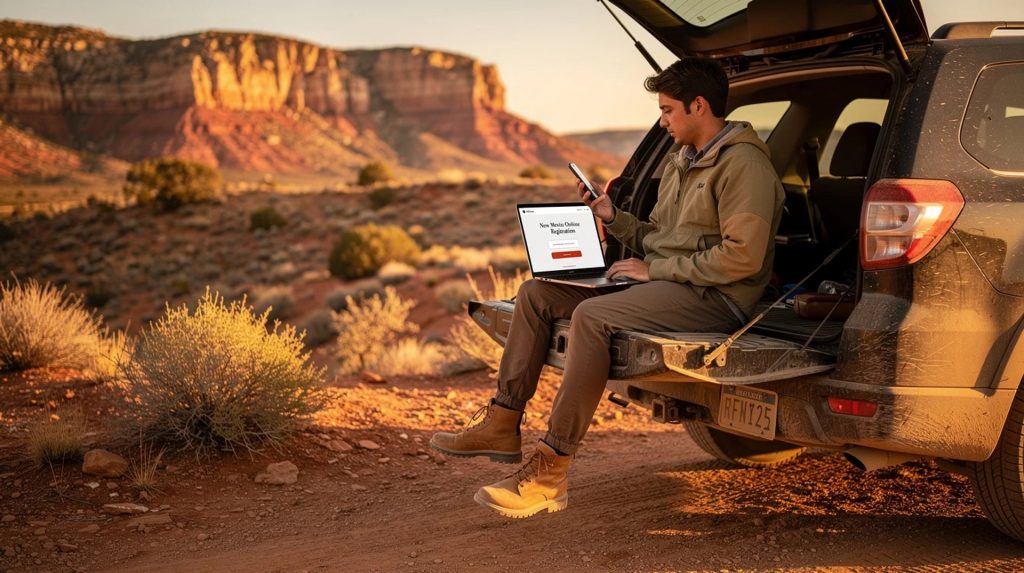
How to Use an MCO to Get a Vehicle Title
The process of converting an MCO into a title varies slightly by state, but the general steps are consistent. Vehicle registration costs also vary, so knowing what to expect going in saves a lot of frustration.
Step-by-Step: MCO to Title
- Confirm the MCO is complete. Every field should be filled in. Blank fields can cause rejection at the DMV.
- Check that the VIN on the MCO matches the VIN on the vehicle itself. This is the single most common point of failure, so use our VIN inspection tool to confirm everything lines up before you submit.
- Complete a title application form for your state. Each state has its own form, but they all ask for similar information pulled from the MCO.
- Pay the required title and registration fees. You can check official fee schedules at the Montana Motor Vehicle Division if you’re registering in Montana.
- Submit everything to the DMV, either in person, by mail, or through a registration service.
If you’d rather prefer remote paperwork support entirely, a service like Dirt Legal handles all of this with our paperwork support. For a full breakdown of how the process works, check out the trusted DMV solutions guide.
What If the MCO Has Errors?
Minor clerical errors on an MCO typically require a correction letter from the manufacturer. More significant errors, like a wrong VIN, require the manufacturer to issue a corrected MCO. Don’t try to correct it yourself, states treat alterations to an MCO as potential fraud.
If the MCO is missing entirely, you’re not necessarily stuck. Depending on the situation, a bonded title may be an option. The guide on what a bonded title is and when you need one explains when this path makes sense.
MCOs for Specific Vehicle Types
The rules around MCOs get more specific depending on what you’re registering. RVs, trailers, motorcycles, and off-road vehicles each have their own quirks.
RVs and Trailers
Recreational vehicles and trailers often come with separate MCOs for the chassis and the coach body, since they may come from different manufacturers. Both may need to be submitted when applying for a title. Montana is a popular state for RV registration, and the Montana recreational vehicle registration guide covers what’s needed in detail.
Motorcycles and Powersports
Motorcycles from major manufacturers come with a standard MCO. Custom builds and kit motorcycles may require additional documentation to prove the components are legitimate and the VIN is assigned properly. If you’re registering a motorcycle or powersport vehicle in Montana, the team at Ride Legal handles the full paperwork process for motorcycles, ATVs, UTVs, and similar vehicles.
Off-Road and Specialty Vehicles
Vehicles like UTVs, ATVs, and side-by-sides often come with MCOs but getting them titled for road use is a separate challenge. Some states allow street-legal Montana registrations with modifications; others don’t. The street-legal quads guide covers what’s involved if you’re aiming for street use. For those curious about Japanese mini trucks and similar imports, the why Japanese mini trucks are illegal on public streets article explains the title and compliance landscape.
Frequently Asked Questions About MCOs for Vehicles
Can I register a vehicle with just an MCO and no title?
Yes, in most cases. An MCO is specifically designed to be the document you submit to get a title issued. If your vehicle has never been titled before, the MCO is exactly what the DMV needs. You’ll submit the MCO along with a completed title application and pay the applicable fees. The DMV then issues a title in your name and retains or cancels the MCO. This is the standard process for any brand-new vehicle purchase.
What’s the difference between an MCO and an MSO for a vehicle?
Functionally, nothing. MCO stands for Manufacturer’s Certificate of Origin; MSO stands for Manufacturer’s Statement of Origin. Different manufacturers use different terminology, and different states may use one term or the other in their DMV instructions. Both documents contain the same core information: VIN, vehicle specs, manufacturer details, and the first transfer chain. If you need more detail on the dealership side of this, the MSO certificate guide is worth a read.
What happens if the dealer loses the MCO before transferring the title?
The dealer typically needs to contact the manufacturer to get a replacement or a duplicate MCO issued. This is the dealer’s responsibility, not yours. Don’t accept a vehicle where the MCO is “missing” without a clear plan for how the dealer will resolve it. If they can’t produce the MCO, you may end up needing a bonded title down the road, which is an added cost and hassle that’s fully avoidable. Get the paperwork sorted before the money changes hands.
Get Your Vehicle Titled and Registered Without the DMV Hassle
An MCO for a vehicle is your starting point, but getting from that piece of paper to an actual title in your name takes the right steps in the right order. Whether you’re working with a standard new car purchase, a custom build, an RV, or a Montana LLC registration, the paperwork matters. Getting it wrong costs time and money.
Dirt Legal handles all of it with our paperwork support. We work through the DMV paperwork so you don’t have to sit in line, fill out forms twice, or wonder if you missed something. Thousands of vehicle owners across the country use our service every year, and nearly all titles are processed without a single rejection.
Ready to get your vehicle properly titled and registered? We’ve got you covered.